- EXPERT'S HELP
- +256789210067
- +256200955001
- info@kenlinktours.com


Affordable Uganda Chimpanzee Trekking Tours for 2026/2027-2028
May 10, 2026
Africa Safari Packages
May 10, 2026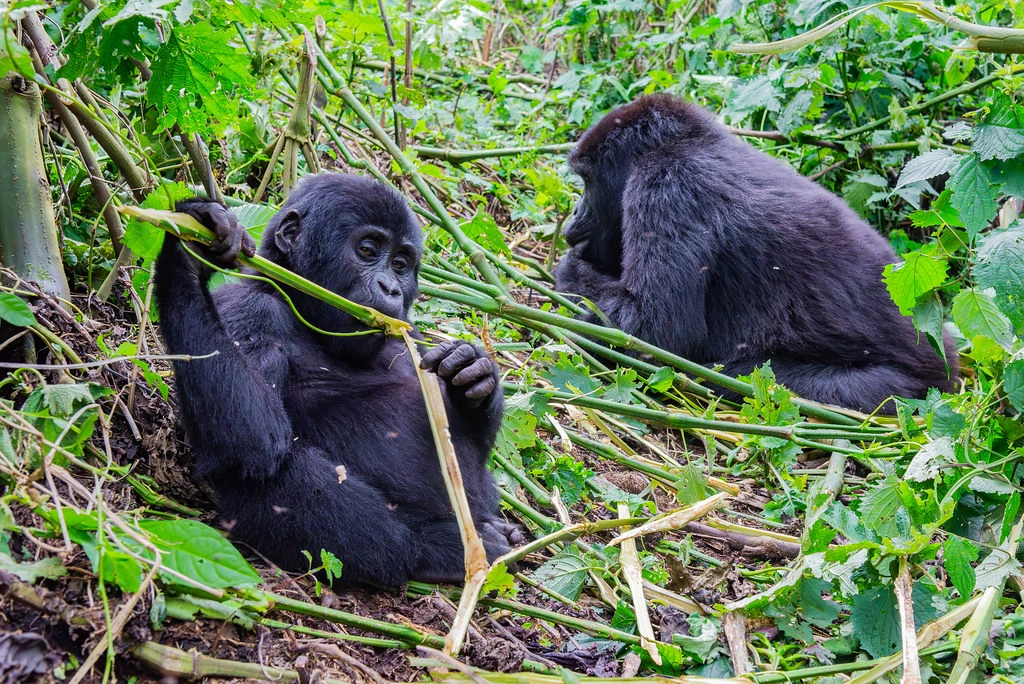
Bwindi Gorilla Trekking. There are wildlife encounters, and then there is gorilla trekking in Bwindi Impenetrable Forest. Standing a few metres from a silverback mountain gorilla in the misty, ancient highlands of southwestern Uganda is not simply a safari activity — it is one of the most profound experiences the natural world has to offer. At Kenlink Tours, we have helped hundreds of travellers discover this magic, and in this guide we walk you through everything you need to know before you go.
What Is Bwindi Impenetrable Forest National Park?
Bwindi Impenetrable National Park sits in the Albertine Rift in southwestern Uganda, straddling elevations between 1,160 m and 2,607 m. Its name is derived from the Rukiga word Mubwindi, meaning “a place full of darkness” — a nod to the dense, ancient canopy that blocks out sunlight. Dating back more than 25,000 years, this forest survived the last Ice Age as a glacial refuge, making it one of Africa’s oldest and most biologically rich ecosystems.
The park covers approximately 321 km² and is a UNESCO World Heritage Site, inscribed in 1994 in recognition of its extraordinary biodiversity. It shelters more than 200 tree species, 350 bird species, 310 butterfly species, 120 mammals, and 27 species of frogs — many found nowhere else on Earth. But the star of the show, without question, is the mountain gorilla. Bwindi is home to roughly half of the world’s entire mountain gorilla population, making it the single most important location on the planet for gorilla conservation. Read more about the park on our dedicated Bwindi Impenetrable Forest page.
Why Go Gorilla Trekking in Uganda?
Uganda is one of only three countries in the world where mountain gorilla trekking is permitted — the others being Rwanda and the Democratic Republic of Congo. Uganda’s gorilla trekking stands out for several important reasons. First, Bwindi alone has over 20 habituated gorilla families open to visitors — more than any other single park in the world. Second, the Uganda gorilla permit costs $800 USD per person, significantly less than Rwanda’s $1,500 permit, making it the most affordable option for witnessing this extraordinary wildlife. Third, the Ugandan forest experience is raw and immersive, involving genuine jungle trekking through dense, layered rainforest rather than more open volcanic slopes.
For travellers comparing options, our guide on Uganda vs Rwanda gorilla trekking breaks down every key difference to help you decide.
The Four Trekking Sectors of Bwindi
Bwindi is divided into four distinct trekking sectors, each with its own personality, terrain, and habituated gorilla families. Understanding the sectors is an essential part of planning your trip, and our Bwindi sectors guide covers each one in detail.
Buhoma is the oldest and most well-known sector, located in the north of the park. It was the first sector opened for gorilla tourism in April 1993 and remains very popular. The terrain is moderately challenging and the infrastructure around Buhoma village is well-developed, with a good range of accommodation options.
Ruhija sits at the highest elevation of all four sectors — above 2,300 m — and is renowned for its extraordinary birdwatching. The hikes here can be steep and strenuous, but the rewards include thick Afromontane vegetation and a quieter, less-visited atmosphere.
Rushaga in the south is the sector with the largest number of habituated gorilla families and is also where the Gorilla Habituation Experience takes place — a special four-hour encounter that allows just four people to spend an extended morning with a semi-habituated family alongside researchers and trackers.
Nkuringo offers dramatic scenery, perched on a ridge with sweeping views of the Virunga volcanoes and the Congo basin. The hike down into the forest and back is physically demanding, but the landscape and the intimacy of the experience make it deeply rewarding.
What to Expect on Trekking Day
Gorilla treks begin early. You will report to your sector’s ranger station between 7:30 and 8:00 AM for a briefing by Uganda Wildlife Authority rangers. After being assigned to your gorilla family and group (a maximum of eight people per family per day), the trek begins.
The duration of the hike depends entirely on where the gorilla family slept the night before — trackers go out ahead of the main group each morning to locate them. Treks can last anywhere from one hour to six hours through dense, hilly, often muddy rainforest. The terrain is steep and the vegetation lives up to the park’s “impenetrable” reputation. Sturdy waterproof hiking boots, long trousers, garden gloves, and a good rain jacket are essential. Our full gorilla trekking packing list has everything you need to prepare.
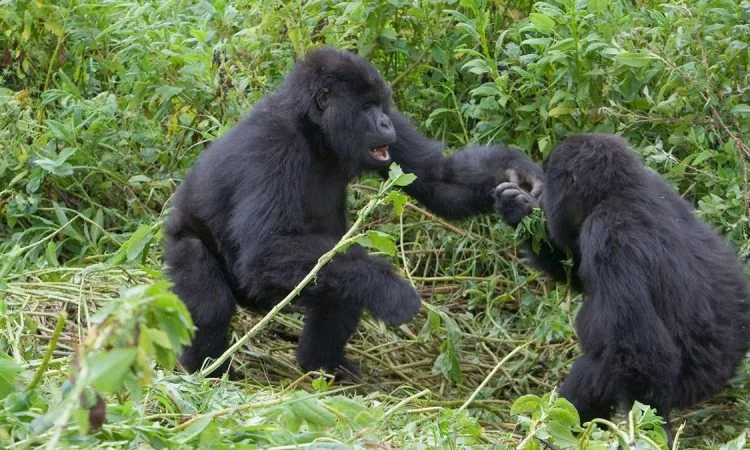
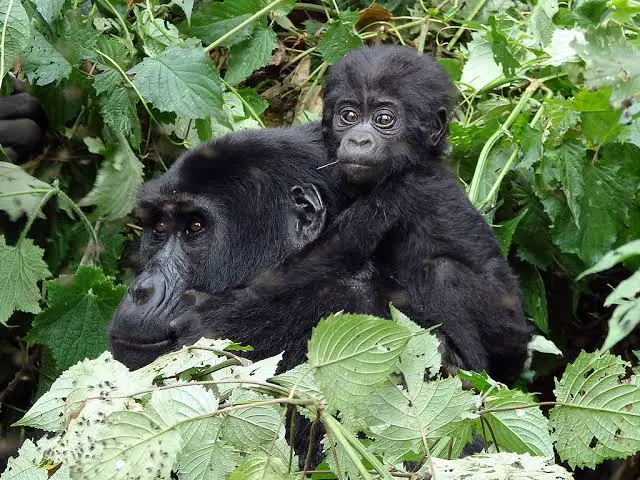
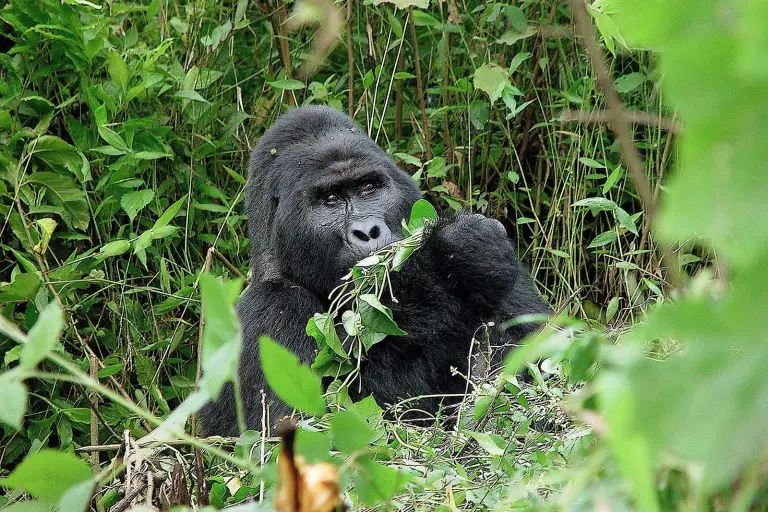
Once the gorilla family is found, you spend exactly one hour with them at a minimum distance of seven metres. Rangers enforce this rule strictly to protect the gorillas from human-transmitted diseases. That hour — watching a silverback move through the undergrowth, seeing young gorillas tumble and play, or making eye contact with a female nursing her infant — is widely described as a once-in-a-lifetime experience. For good reason. Every permit purchased directly funds Uganda Wildlife Authority rangers and anti-poaching operations, making your trek an act of conservation as much as tourism.
Gorilla Permits: Everything You Need to Know
A gorilla permit is a government-issued document that grants you access to spend one hour with a habituated gorilla family. In Uganda, permits are issued and managed by the Uganda Wildlife Authority (UWA) and cost $800 USD per person for foreign non-residents. East African citizens pay UGX 300,000, and a Gorilla Habituation Experience permit costs $1,500 per person.
Permits are limited — only eight visitors are allowed per gorilla family per day — and they sell out months in advance, particularly during the peak dry seasons. You should book at least three to four months ahead of your intended trekking date. International travellers cannot book directly with UWA; permits must be purchased through a registered Ugandan tour operator. At Kenlink Tours, we handle the entire permit booking process on your behalf. Start the process early by visiting our gorilla permits page or contacting our team directly.
Gorilla permits are non-refundable but can be rescheduled, typically up to two weeks before the trekking date.
When Is the Best Time to Go?
Gorilla trekking is possible year-round in Bwindi, but the experience and the logistics vary with the seasons. Uganda has two main dry seasons: June to August and December to February. These are the most popular periods for trekking, as trails are less muddy, forest paths are more navigable, and the chance of rain during your trek is lower.
The two wet seasons — March to May and October to November — bring heavy rainfall that makes the terrain significantly more slippery and challenging. However, these periods also mean fewer visitors, lower accommodation rates, and a lush, vivid green forest that is spectacular in its own right. For a full breakdown of seasonal conditions and what to expect month by month, visit our best time to visit Uganda guide.
Combining Bwindi With Other Uganda Experiences
Most travellers wisely pair their gorilla trek with other experiences to make the most of the journey to southwestern Uganda. Just a few hours’ drive from Bwindi lies Queen Elizabeth National Park, home to tree-climbing lions, massive buffalo herds, hippo-filled channels, and superb birdwatching.
If your primary interest is primate encounters, consider combining Bwindi with chimpanzee trekking in Kibale Forest — Uganda’s premier chimpanzee habitat. For travellers who want another gorilla encounter in a different setting, Mgahinga Gorilla National Park in the far southwest offers trekking on the Virunga volcanoes alongside golden monkeys.
We offer a range of ready-made itineraries, including our popular 3-day gorilla trekking safari, as well as fully customized Uganda safari packages built around your dates, budget, and interests.
Where to Stay Near Bwindi
Accommodation around Bwindi ranges from rustic budget bandas to world-class luxury lodges with forest views. The sector you trek from will largely determine where you stay, so it is worth planning accommodation alongside your permit booking. Our Bwindi accommodation guide lists the best options across all four sectors, with honest notes on what each property offers.
Gorilla Trekking Rules and Conservation
Mountain gorillas are critically endangered. The rules surrounding gorilla trekking exist not as bureaucratic formalities but as genuine safeguards for the animals’ survival. Key rules include: maintaining the seven-metre minimum distance at all times, not trekking if you are ill with a communicable disease, avoiding direct eye contact or sudden movements, keeping noise to a minimum, and never eating or drinking in the presence of the gorillas.
You can read the full set of regulations on our gorilla trekking rules page. Thanks to decades of conservation work — including income from tourism permits flowing back into protection and community development — the mountain gorilla population has grown from under 300 individuals in the 1980s to over 1,000 today. This is one of conservation’s greatest modern success stories, as recognised by the UNESCO World Heritage Committee.
Book Your Bwindi Gorilla Trek with Kenlink Tours
At Kenlink Tours, we specialise in crafting gorilla trekking experiences that are seamless, well-paced, and genuinely memorable. From securing your permits and arranging transfers to recommending the right lodge and pairing your trek with complementary activities, our team handles every detail.
Whether you are planning a dedicated three-day gorilla safari or a broader East Africa adventure, we are here to make it happen. Visit our gorilla trekking page to explore itineraries, or get in touch with us today and let us start planning your trek into one of the world’s most extraordinary places.