- EXPERT'S HELP
- +256789210067
- +256200955001
- info@kenlinktours.com


4 Days Gorilla Tour in Uganda with Kigali City Tour
September 28, 2026
Best Safaris in Uganda Starting from Kigali
September 28, 2026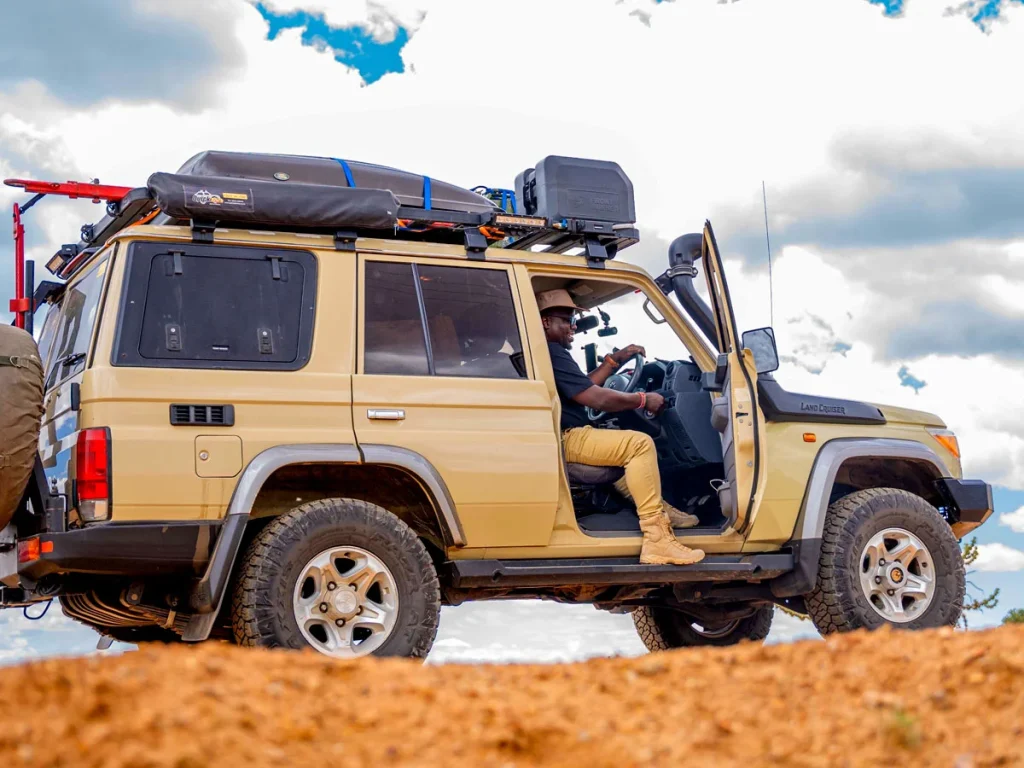
Car Hire Companies in Kigali to Bwindi National Park. Every year, thousands of travellers land in Kigali with one goal: to reach Uganda’s Bwindi Impenetrable National Park and trek mountain gorillas. Kigali’s airport is modern and well connected, and Bwindi’s southern sectors are only a few hours’ drive away. That makes Rwanda’s capital the most convenient gateway to Uganda’s gorillas. But the success of your trip often depends on one decision: which car hire company you choose for the journey from Kigali to Bwindi.
The route crosses an international border, climbs into steep mountain terrain, and ends on murram roads that can turn slippery in the rain. Not every rental car, or every rental company, is ready for that. This guide explains how to choose from the car hire companies in Kigali to Bwindi National Park, including the vehicles you need, cross-border paperwork, costs, routes, and the questions to ask before you pay a deposit.
At Kenlink Tours, we arrange Kigali-to-Bwindi transport for gorilla trekkers throughout the year. Here is everything we’ve learned.
Why Travel from Kigali to Bwindi?
Bwindi Impenetrable National Park lies in southwestern Uganda, close to the Rwanda border. From Entebbe or Kampala, the drive to Bwindi’s southern sectors takes around 8–10 hours. From Kigali, you can reach the southern sectors of Rushaga and Nkuringo in roughly 4–5 hours.
That shorter drive saves you at least one full travel day in each direction. It also means you can combine the lower-cost Uganda gorilla permit (USD 800) with Kigali’s flight connections, rather than paying USD 1,500 for a Rwanda permit. It’s no surprise that short gorilla safaris starting from Kigali have become one of the most popular ways to see Uganda’s gorillas.
To make this work, though, you need the right vehicle and a rental company that is set up for cross-border travel. Learn more about the parks and permits in our guide to gorilla trekking in Uganda.
What Makes a Good Car Hire Company for the Kigali–Bwindi Route?
Before comparing companies, it helps to know what to look for. The best car hire companies for Kigali to Bwindi share these qualities:
- Cross-border authorization: The company allows its vehicles into Uganda and provides all the documents needed at the border.
- Proper 4×4 vehicles: They rent well-maintained four-wheel-drive vehicles suited to mountain and murram roads, not just city cars.
- Clear, honest pricing: Daily rates, mileage, insurance, cross-border fees, and driver costs are explained upfront.
- Experienced drivers: If you hire with a driver, they know the border crossings, the Bwindi sectors, and the park routines.
- Breakdown support: They offer 24-hour assistance and replacement vehicles in case of trouble, even in remote areas.
- Good insurance: Comprehensive cover that is valid in both Rwanda and Uganda.
- Local knowledge: Advice on road conditions, lodges, gorilla permits, and timing.
- Strong reviews: Consistent positive feedback from past gorilla trekkers.
Car Hire Companies in Kigali to Bwindi National Park
Kigali has a mix of safari operators with their own fleets, specialist cross-border rental firms, and international and local city car rental brands. Here are the main types, with examples of companies travellers commonly use. Always check current terms, vehicles, and reviews before booking.
1. Kenlink Tours: Kenlink Tours arranges private 4×4 safari vehicles with professional English-speaking driver-guides for trips from Kigali to Bwindi, Mgahinga, and beyond. Because we run gorilla safaris across Uganda, Rwanda, and Congo, we can combine your vehicle with gorilla permits, lodge bookings, and a Kigali city tour. This is ideal if you want everything handled in one place. We also offer scheduled group tours that share transport costs.
2. Pick and Transfer Safaris: Pick and Transfer Safaris specializes in ground transport and transfers between Rwanda and Uganda, with a focus on gorilla trekkers starting in Kigali. They run packages such as a 1-day Uganda gorilla safari starting from Kigali and a 2-day Uganda gorilla tour starting from Kigali. They are a strong choice for travellers who want a simple, reliable transfer.
3. Specialist cross-border 4×4 rental companies: Several Rwanda- and Uganda-based firms focus on 4×4 rentals for self-drive and chauffeured safaris. Examples include Car Rentals Rwanda and Self Drive Uganda. They typically offer Land Cruisers, Prados, RAV4s, and sometimes rooftop tents and camping gear, along with cross-border paperwork for Rwanda–Uganda trips. These suit independent travellers who want to drive themselves.
4. International rental brands in Kigali: Some global car rental brands operate in Kigali. They offer familiar booking systems and standard vehicles, but their fleets often focus on city and highway driving. Many restrict cross-border travel or off-road use, so always check whether you can legally take the car into Uganda and onto park roads.
5. Local Kigali car rental firms: Kigali has many smaller local rental companies offering competitive prices and flexible terms. Quality varies widely. Some are excellent, while others have older vehicles or limited breakdown support in Uganda. Read recent reviews carefully and inspect the vehicle before you sign.
Our advice: For a first gorilla trip, choose a company that specializes in Rwanda–Uganda gorilla routes rather than general city rentals. Their vehicles, drivers, and paperwork are built for exactly this journey.
Self-Drive or Car Hire with a Driver?
One of your first decisions is whether to drive yourself or hire a vehicle with a driver-guide.
Self-drive: pros
- More freedom and privacy
- Often cheaper per day
- Great for experienced overland drivers and repeat visitors
Self-drive: cons
- You handle border formalities, navigation, and mountain driving yourself.
- Rwanda drives on the right, while Uganda drives on the left. Switching sides mid-trip takes concentration.
- Roads to Bwindi’s sectors are steep, winding, and often unpaved. Rain makes them slippery.
- Finding the correct park gate and meeting point before dawn can be stressful.
Car hire with a driver: pros
- A professional driver who knows the border, the roads, and the Bwindi sectors
- You can relax, enjoy the scenery, and take photos.
- Your driver often doubles as a guide, sharing local knowledge and handling logistics.
- Lower risk of getting lost, stuck, or late for your trekking briefing
Car hire with a driver: cons
- Higher daily cost, because it covers driver fees and allowances
- Less privacy
For most gorilla trekkers, especially first-timers, we recommend hiring a 4×4 with a driver-guide. You are travelling with a permit that costs hundreds of dollars and a fixed briefing time early in the morning. A driver who knows the route is the best insurance you can buy.
Best Vehicles for the Kigali to Bwindi Journey
The road from Kigali to the Uganda border is good tarmac. The final stretch to Bwindi’s trekking sectors, though, includes steep murram roads, sharp bends, and occasional mud. A proper 4×4 is strongly recommended.
Toyota Land Cruiser (extended or Prado): The gold standard for gorilla safaris. It’s robust, comfortable, and handles rough roads with ease. Extended safari Land Cruisers have pop-up roofs for game viewing if you continue to wildlife parks. They’re best for families, small groups, and anyone who values comfort.
Toyota Land Cruiser Prado / TX / TZ: Comfortable and capable, ideal for couples and small groups. A very popular choice for Kigali–Bwindi trips.
Toyota RAV4 and similar compact SUVs: Good value for couples and solo travellers. They handle the main roads well but can struggle on the steepest or muddiest sector roads, especially Nkuringo, in the rainy season.
Safari vans: Some safari vans have 4×4 capability and pop-up roofs, and they suit larger groups. Check that the van is genuinely four-wheel drive before booking.
Rooftop tent 4×4s: Some companies rent 4×4s with rooftop tents and camping gear for adventurous self-drivers. They’re great for longer overland trips, but you’ll still need a lodge or campsite near the park.
Avoid saloon cars and 2WD vehicles for this route. They may manage the main road, but they are not suitable for Bwindi’s access roads.
Cross-Border Car Hire from Rwanda to Uganda: Documents You Need
Taking a rental car from Rwanda into Uganda requires specific paperwork. A reputable company will prepare it all before your trip. Make sure your vehicle has:
- Owner’s authorization letter: A letter from the rental company permitting the vehicle to leave Rwanda and enter Uganda, with your or your driver’s name and trip dates.
- Vehicle registration documents: A copy of the logbook or registration card.
- COMESA Yellow Card insurance: Regional third-party insurance recognised across East African countries, including Uganda.
- Comprehensive insurance that is valid in both Rwanda and Uganda.
- Temporary importation or road permit: Issued at the Uganda border for foreign-registered vehicles, usually for a small fee.
For yourself or your driver, you’ll need:
- A valid driving licence and, for self-drivers, an International Driving Permit (recommended and often required)
- A passport with valid visas for Rwanda and Uganda. The East Africa Tourist Visa covers both, plus Kenya.
- A Yellow Fever vaccination certificate, which Uganda checks at the border
Ask your car hire company to confirm in writing that cross-border travel is permitted and that all documents are included. Driving into Uganda without authorisation can invalidate your insurance and lead to fines at the border.
Routes from Kigali to Bwindi National Park
Bwindi has four trekking sectors, and your route depends on which one your gorilla permit is for.
Kigali to Rushaga or Nkuringo via Cyanika border (about 4–5 hours): Drive northwest from Kigali to Musanze, then cross at the Cyanika border into Uganda. Continue to Kisoro and on to Rushaga or Nkuringo. This is usually the fastest route to Bwindi’s southern sectors. Many travellers stay near Kisoro. This guide to Ikoro Hotel in Kisoro is a helpful example of a base there.
Kigali to Rushaga via Katuna/Gatuna border (about 4–5 hours): Drive north from Kigali to the Katuna (Gatuna) border, then continue to Kabale and on to Rushaga. This route passes close to Lake Bunyonyi, a lovely stop on the way back.
Kigali to Ruhija via Katuna (about 5–6 hours): From Kabale, continue to Ruhija in eastern Bwindi, a high, misty sector popular with birders.
Kigali to Buhoma via Katuna (about 7–8 hours): Buhoma, in the north, is the furthest sector from Kigali. It’s usually reached via Kabale and Kanungu. It’s possible for a longer trip, but less ideal for a short tour from Kigali.
Also consider Mgahinga Gorilla National Park, which is very close to the Cyanika border. It is an excellent alternative when Bwindi permits are sold out.
Drive times vary with road conditions, weather, border queues, and stops. Always allow extra time, and plan to arrive at your lodge the afternoon before your trek.
Road Conditions and Driving Tips
In Rwanda: Roads between Kigali and the borders are generally smooth tarmac and well maintained. Speed limits are strictly enforced with cameras and police checks, so drive within the limits. Rwanda drives on the right.
In Uganda: After the border, you switch to driving on the left. Main roads to Kisoro and Kabale are tarmac. The final roads to Rushaga, Nkuringo, and Ruhija are murram (gravel and dirt), with steep climbs, sharp bends, and some narrow sections. In the rainy season they can become muddy and slippery.
Driving tips:
- Avoid driving after dark. Roads are unlit, and pedestrians, cyclists, and livestock are common.
- Use low-range 4×4 on steep, muddy sections.
- Fill up with fuel in Musanze, Kisoro, or Kabale. Fuel stations are scarce near the parks.
- Carry a phone with local data or offline maps. Signal can be patchy near Bwindi.
- Watch for speed bumps and school zones in towns and villages.
- Check the spare tyre, jack, and tools before leaving Kigali.
How Much Does Car Hire from Kigali to Bwindi Cost?
Car hire prices vary with the vehicle, the season, whether you self-drive or hire a driver, and the length of your rental. As a rough guide:
- Compact 4×4 (e.g. RAV4), self-drive: typically at the lower end of the daily range
- Land Cruiser Prado, self-drive: mid-range daily rates
- Extended safari Land Cruiser with pop-up roof: higher daily rates
- Vehicle with driver-guide: the vehicle rate plus a daily driver fee, which usually covers the driver’s meals and accommodation
4×4 rental rates in the region are commonly quoted anywhere from around USD 60–150 per day, depending on the vehicle and company. Driver fees are added on top.
Other costs to budget for:
- Fuel, unless included
- Cross-border fees and Uganda road permits
- Insurance excess or optional collision damage waiver
- One-way drop-off fees if you end your trip in Entebbe or Kampala
- Driver allowance if not included in the daily rate
Always request a full written quote that lists exactly what is included. A cheap daily rate can become expensive once fuel, mileage limits, and cross-border fees are added.
Booking Checklist: Questions to Ask Car Hire Companies
Before paying a deposit, ask every car hire company these questions:
- Is cross-border travel to Uganda allowed, and are all documents included?
- Is the vehicle a genuine 4×4, and what is its make, model, and year?
- Is mileage unlimited?
- Is fuel included, and what is the fuel policy?
- What insurance is included, and is it valid in Uganda? What is the excess?
- What happens if the vehicle breaks down near Bwindi? Is there 24-hour support and a replacement vehicle?
- If I hire a driver, is their accommodation and meals included?
- Are there extra charges for early pick-ups, airport transfers, or one-way drop-offs?
- What is the cancellation and refund policy?
- Can you help with gorilla permits and lodge bookings?
A good company will answer clearly and in writing. If answers are vague, look elsewhere.
Car Hire Plus Gorilla Permit Packages
Many travellers find it easier to book their vehicle and gorilla permit together. Uganda gorilla permits are issued for a specific date and sector, so your transport must be planned around them. A company that handles both can match your pick-up time, route, and lodge to your permit.
Popular short packages from Kigali include:
- A 1-day Uganda gorilla safari from Kigali for travellers with very little time
- A 2-day Uganda gorilla tour from Kigali with one night near the park
- A 3-day Uganda gorilla safari from Rwanda with more relaxed pacing
- A 5-day Uganda gorilla and chimps safari starting from Rwanda that adds chimpanzee tracking
These packages usually include the vehicle, driver-guide, permit, and accommodation, which removes most of the planning stress.
One-Way Car Hire: Kigali to Bwindi and on to Entebbe
You don’t have to return your car to Kigali. Many travellers pick up a vehicle in Kigali, trek gorillas in Bwindi, and then continue through Uganda to Queen Elizabeth National Park, Kibale Forest, or Murchison Falls before flying out of Entebbe.
This one-way route avoids backtracking and fits more into your trip. Find out how it works in this guide on beginning your tour at Kigali Airport and ending at Entebbe. Expect a one-way drop-off fee, and check that the car hire company has a partner or office in Uganda. For full itineraries, explore our Uganda safaris.
Best Time to Drive from Kigali to Bwindi
Dry seasons (June to September, and December to February): These are the best months for driving. Murram roads are firmer, river crossings are easier, and trekking conditions are better. They’re also the busiest months, so book vehicles and permits early.
Rainy seasons (March to May, and October to November): Roads to the sectors can become muddy and slippery, and journeys take longer. A proper 4×4 and an experienced driver are essential. On the positive side, lodges are quieter and some offer lower rates.
Whenever you travel, plan to reach your lodge by mid-afternoon the day before your trek. That gives you a buffer for border delays or road works.
Safety Tips for the Kigali to Bwindi Drive
- Book reputable companies with good reviews and clear contracts.
- Inspect the vehicle before leaving: tyres, spare, lights, brakes, seat belts, and any existing damage. Take photos and note damage on the rental agreement.
- Keep documents together in a waterproof folder: passports, visas, Yellow Fever cards, rental agreement, insurance, and cross-border letter.
- Don’t drive at night on rural roads.
- Keep valuables out of sight when parked.
- Save emergency numbers: your rental company, your lodge, and your tour operator.
- Carry water and snacks, especially on long drives.
Making the Most of Your Trip to Bwindi
Once your transport is sorted, focus on making the gorilla experience unforgettable.
Prepare for the trek: Gorilla trekking in Bwindi can take one to six hours or more through steep, muddy forest. Pack properly with our guide on what to pack for gorilla trekking in Uganda, Rwanda and Congo, and consider hiring a porter to carry your bag and support local families.
Plan your free time: After trekking, you might visit a Batwa community, take a village walk, or relax at Lake Bunyonyi. Find inspiration in this guide on what to do after a gorilla tour in Bwindi.
Add Rwanda highlights: Since you’re starting in Kigali, consider a city tour, a second gorilla trek in Volcanoes National Park, chimpanzees in Nyungwe, or a few days on Lake Kivu. Our Rwanda safaris, Rwanda safari holidays, and guide to the best Rwanda safari experiences for nature lovers have plenty of ideas. For a longer Rwanda add-on, see this 10-day Rwanda wildlife and gorilla tour.
Extending Your Road Trip Across the Region
A 4×4 from Kigali opens up the whole Great Lakes region:
- DR Congo: When security allows, adventurous travellers can explore Congo’s gorilla parks. Read our guide to gorilla trekking in Virunga National Park, and always check current travel advice. Note that many rental companies do not allow vehicles into Congo.
- Burundi: Head south to Lake Tanganyika with our tours to Burundi starting from Kigali, or read about gorilla trekking from Burundi.
- Kenya and Tanzania: Combine gorillas with big game on our 10-day gorilla trekking and Great Migration safari.
- Southern Africa: Pair a gorilla trek with Botswana on our Rwanda and Botswana safari tours.
First time in East Africa? Start with our guide to the best safari destinations in East Africa for first-time visitors.
Why Choose Kenlink Tours for Kigali to Bwindi Transport
When you book your Kigali to Bwindi trip with Kenlink Tours, you get more than a car:
- Well-maintained 4×4 vehicles suited to Uganda’s mountain roads
- Experienced English-speaking driver-guides who know every border, sector, and park gate
- Full cross-border paperwork arranged in advance
- Gorilla permit booking and lodge reservations matched to your route
- Flexible trips: from simple transfers to multi-country safaris, budget to luxury
- Support throughout your trip, from airport pick-up to drop-off
Frequently Asked Questions
Can I hire a car in Kigali and drive to Bwindi in Uganda?
Yes, as long as the rental company allows cross-border travel and provides the required documents, including an authorisation letter, COMESA Yellow Card insurance, and vehicle registration papers.
How long does it take to drive from Kigali to Bwindi?
It depends on the sector. Rushaga and Nkuringo are about 4–5 hours from Kigali, Ruhija about 5–6 hours, and Buhoma about 7–8 hours.
What is the best vehicle for Kigali to Bwindi?
A 4×4 such as a Toyota Land Cruiser or Land Cruiser Prado is best. Compact SUVs can work in the dry season but may struggle on steep, muddy sector roads.
Is it better to self-drive or hire a driver?
For most gorilla trekkers, hiring a driver-guide is safer and less stressful. Self-drive suits experienced drivers who are comfortable with border crossings and mountain roads.
Which side of the road do they drive on?
Rwanda drives on the right, and Uganda drives on the left. You switch sides at the border.
How much does car hire from Kigali to Bwindi cost?
4×4 rental rates in the region commonly range from around USD 60 to 150 per day, depending on the vehicle and company, plus fuel, driver fees, and cross-border costs. Always ask for a full written quote.
Do I need a visa for both Rwanda and Uganda?
Yes. The East Africa Tourist Visa covers Rwanda, Uganda, and Kenya and is the easiest option. You also need a Yellow Fever certificate for Uganda.
Can I return the car in Entebbe instead of Kigali?
Many companies offer one-way rentals from Kigali to Entebbe for an extra drop-off fee. Confirm this before booking.
Book Your Kigali to Bwindi Car Hire Today
Choosing from the many car hire companies in Kigali to Bwindi National Park is about more than price. The right company gives you a reliable 4×4, correct cross-border paperwork, an experienced driver, and support if anything goes wrong. With that in place, the drive becomes part of the adventure: rolling hills, volcano views, and a warm welcome in Uganda before your once-in-a-lifetime hour with mountain gorillas.
Ready to plan your journey? Contact Kenlink Tours today for a tailor-made quote covering your vehicle, driver-guide, gorilla permit, and accommodation. For more trekking advice, read our guide to gorilla trekking in Uganda.