- EXPERT'S HELP
- +256789210067
- +256200955001
- info@kenlinktours.com


Rwanda City Tour and Gorilla Tour Combined
September 28, 2026
Car Hire Companies in Kigali to Bwindi National Park
September 28, 2026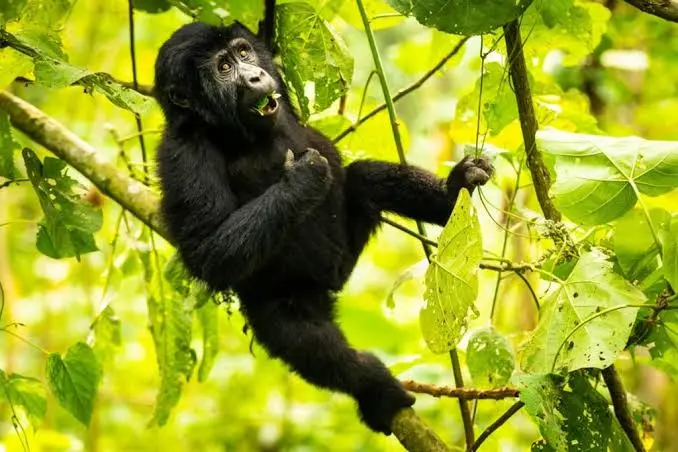
4 Days Gorilla Tour in Uganda with Kigali City Tour. What if you could explore one of Africa’s most inspiring capital cities, cross an international border through emerald hills, and spend an hour face to face with wild mountain gorillas, all in just four days? That is exactly what a 4 days gorilla tour in Uganda with Kigali city tour offers. It is one of the smartest, most rewarding short safaris in East Africa.
This trip starts in Kigali, Rwanda, where you land at a modern airport and spend your first day discovering the city’s history, markets, and culture. You then drive across the border into southwestern Uganda to trek gorillas in Bwindi Impenetrable National Park or Mgahinga Gorilla National Park. Uganda’s gorilla permit costs about half the price of Rwanda’s, and the drive from Kigali is far shorter than from Entebbe. It’s a combination that saves both time and money.
At Kenlink Tours, we have guided many travellers on this route. This guide gives you the full day-by-day itinerary, permit costs, border crossing tips, accommodation ideas, and everything else you need to plan your trip with confidence.
Why Trek Uganda’s Gorillas from Kigali?
Many travellers assume that to trek gorillas in Uganda, they must fly into Entebbe. In fact, Uganda’s main gorilla areas in the southwest are much closer to Kigali than to Entebbe or Kampala.
From Entebbe, the drive to Bwindi’s southern sectors can take 8–10 hours. From Kigali, you can reach Bwindi’s Rushaga or Nkuringo sectors, or Mgahinga, in roughly 3.5 to 5 hours, depending on the sector and border. That cuts a full travel day off each end of your trip.
There’s also the cost. A Uganda gorilla permit costs USD 800, while a Rwanda permit costs USD 1,500. By flying into Kigali and trekking in Uganda, you enjoy Kigali’s excellent flight connections and city experience while paying less for the gorilla permit. It’s the reason many operators, including Pick and Transfer Safaris, now specialise in short gorilla safaris starting from Kigali.
Tour Overview: 4 Days Gorilla Tour in Uganda with Kigali City Tour
- Duration: 4 days, 3 nights
- Start and end: Kigali, Rwanda (airport or hotel)
- Countries: Rwanda and Uganda
- Main highlights: Kigali city tour, Kigali Genocide Memorial, scenic cross-border drive, mountain gorilla trekking in Bwindi or Mgahinga, optional Batwa cultural visit or Lake Bunyonyi
- Accommodation: Kigali (1 night), near Bwindi or Mgahinga (2 nights)
- Best for: First-time visitors, travellers with limited time, budget-conscious gorilla trekkers, and anyone combining Rwanda and Uganda
Day by day at a glance:
- Day 1: Arrival in Kigali and guided city tour
- Day 2: Transfer from Kigali to Bwindi or Mgahinga, Uganda
- Day 3: Mountain gorilla trekking
- Day 4: Optional morning activity and return to Kigali
Day 1: Arrival in Kigali and Guided City Tour
Your adventure begins when you land at Kigali International Airport. Your driver-guide meets you at arrivals with a name sign and takes you to your hotel. After a short rest, or straight away if you arrive early, you set off on a guided tour of Kigali.
Kigali Genocide Memorial: Most city tours begin here. The memorial at Gisozi honours the more than one million victims of the 1994 Genocide against the Tutsi and is the resting place of many of them. Its exhibitions explain the history behind the genocide, the 100 days of killing, and Rwanda’s path to justice and reconciliation. It’s a deeply moving visit that helps you understand the Rwanda you see today. Allow around two hours, and dress modestly.
Kimironko Market: Next, dive into the colour and energy of Kigali’s biggest market. Stalls overflow with tropical fruit, vegetables, spices, baskets, and bright African fabrics. Tailors can make clothes to order, sometimes within a day.
Nyamirambo: This lively, historic neighborhood is known for its colourful shops, street life, and strong community spirit. Women-led walking tours introduce you to local artisans, barbers, and cooks.
Art galleries and crafts: Visit the Inema Arts Center or another of Kigali’s contemporary galleries, then shop for souvenirs at Caplaki Crafts Village.
Coffee and city views: End the afternoon with a cup of Rwandan specialty coffee at one of Kigali’s many cafés, or enjoy the city lights from a hillside viewpoint. You may also stop at the famous Hotel des Mille Collines or the dome-shaped Kigali Convention Centre.
Return to your hotel for dinner and an early night. Overnight: Kigali.
If your trip falls on the last Saturday of the month, remember that Umuganda, a national community clean-up, takes place that morning. Your guide will adjust the city tour to the afternoon.
Day 2: Scenic Transfer from Kigali to Bwindi or Mgahinga
After breakfast, you leave Kigali and head north towards the Uganda border. The drive is one of the most beautiful in East Africa. You pass terraced hillsides, tea and banana plantations, bustling villages, and, as you approach the northwest, the dramatic cones of the Virunga volcanoes.
Which border? The route depends on which gorilla park and sector your permit is for:
- Cyanika border (via Musanze) is best for Mgahinga Gorilla National Park and Bwindi’s southern sectors of Nkuringo and Rushaga, via Kisoro.
- Katuna/Gatuna border (via Kabale) is often used for Rushaga, Ruhija, and Buhoma, and passes close to Lake Bunyonyi.
At the border, you complete Rwanda exit and Uganda entry formalities. Your guide will help with the paperwork. The process usually takes 30 minutes to an hour. After crossing, you continue through Uganda’s highland scenery of steep hills, patchwork farms, and misty valleys.
You arrive at your lodge by the afternoon, with time to relax, enjoy the views, and prepare your trekking gear. Depending on your arrival time, you may take a short community walk or visit a local craft cooperative. Overnight: lodge near Bwindi or Mgahinga.
Many travellers heading to Mgahinga or southern Bwindi stay in or near Kisoro, a small, friendly town ringed by volcanoes. This guide to Ikoro Hotel in Kisoro is a helpful example of the accommodation there.
Day 3: Mountain Gorilla Trekking in Uganda
Today is the highlight of your safari. After an early breakfast, your guide drives you to the park headquarters for your sector, arriving by around 7:30 a.m.
Briefing: Uganda Wildlife Authority (UWA) rangers welcome trekkers, check permits and passports, and explain the rules. You are then assigned to a gorilla family and a small group of up to eight trekkers.
The trek: With a ranger guide, armed escorts, and optional porters, you set off into the forest. Trackers have already gone ahead to find where your family nested the night before. The trek can last anywhere from one to six hours or more in total, through steep, muddy, and densely vegetated terrain. Bwindi’s name, “Impenetrable,” is well earned.
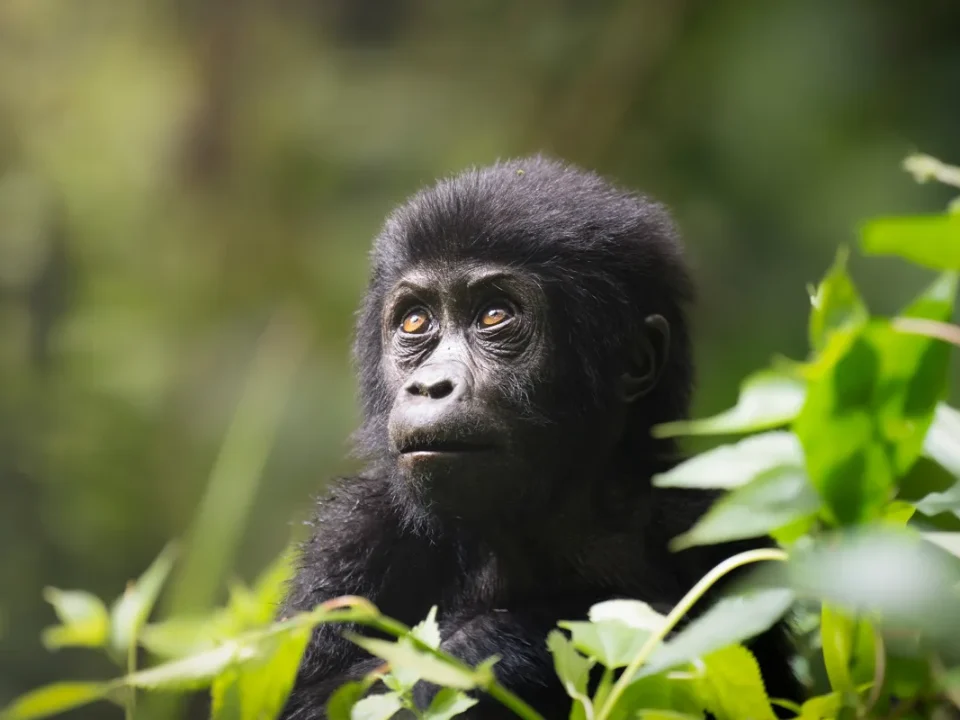
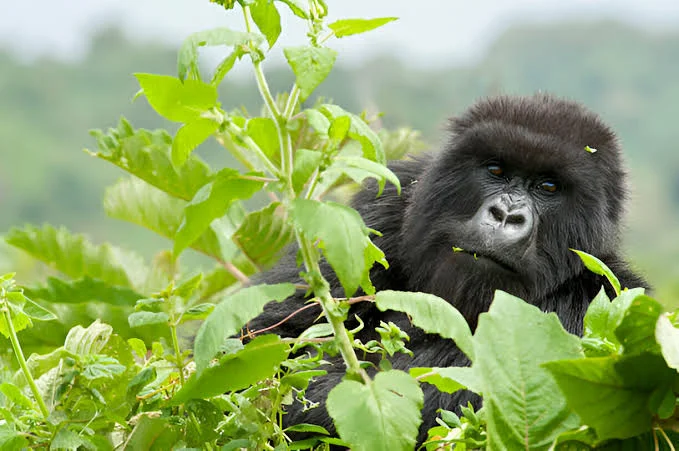
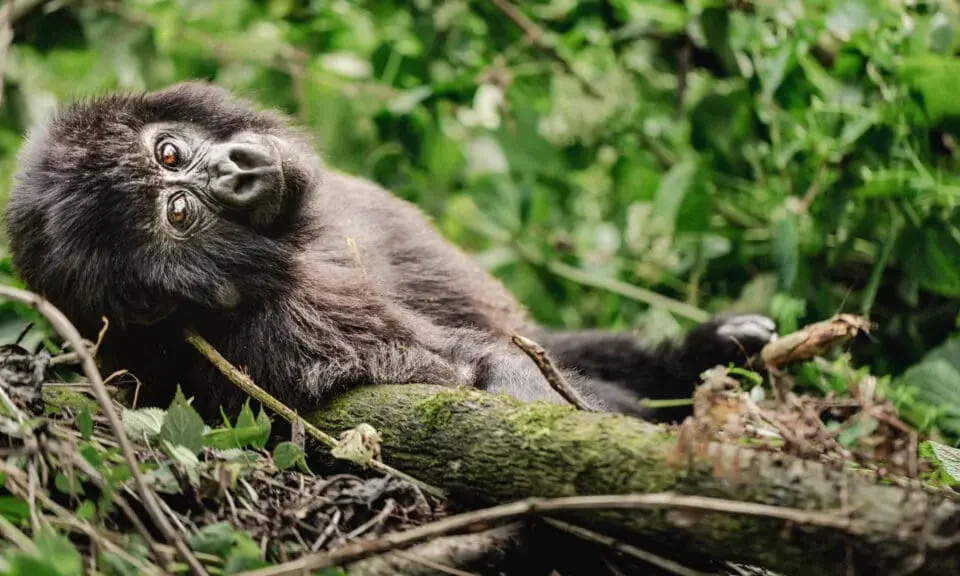
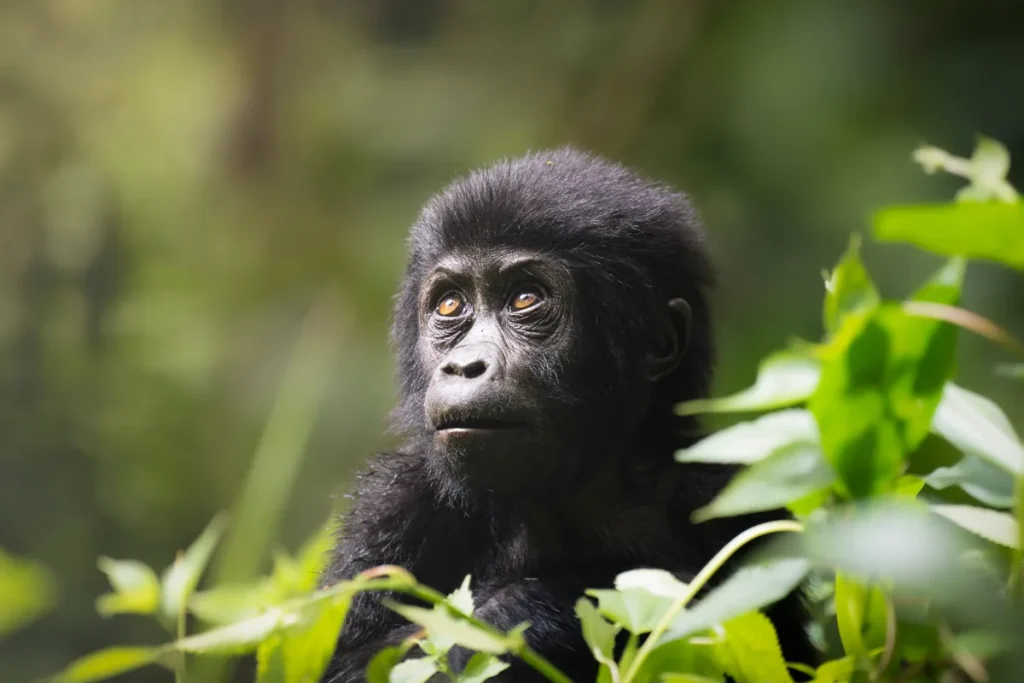
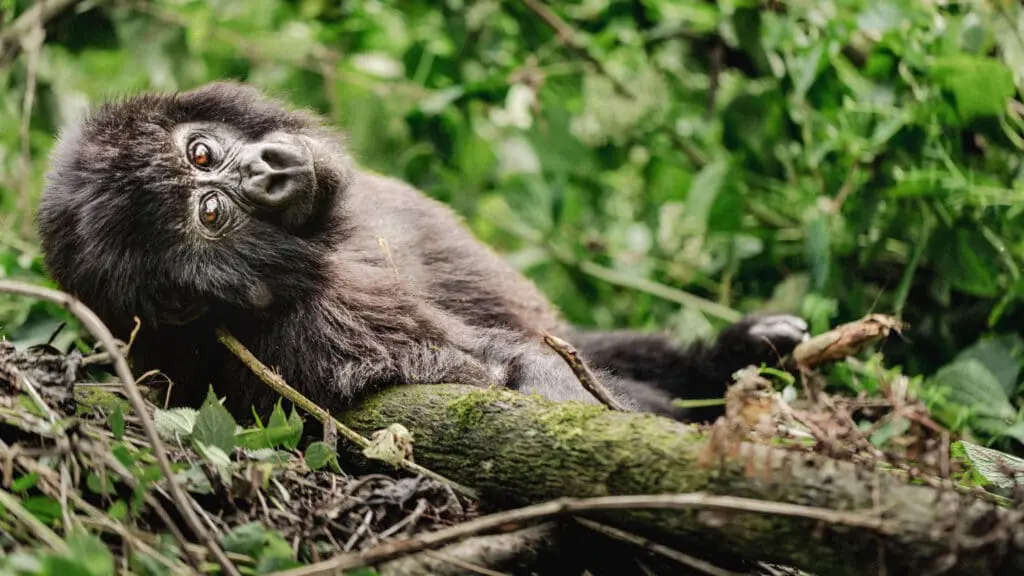
The encounter: When you reach the gorillas, you put on a face mask and spend one unforgettable hour with them. You may watch a silverback feeding peacefully, mothers cradling infants, and young gorillas wrestling and climbing. Many travellers describe it as the most powerful wildlife experience of their lives.
After the trek: You return to park headquarters to receive your gorilla trekking certificate, then head back to your lodge to rest. In the late afternoon, you can visit a local community, join a Batwa cultural experience, or simply relax with a view of the forest. Get more ideas from this guide on what to do after a gorilla tour in Bwindi. Overnight: lodge near Bwindi or Mgahinga.
Day 4: Optional Morning Activity and Return to Kigali
After a relaxed breakfast, you can add a short morning activity if time allows:
- Batwa cultural trail: Learn about the Batwa, the forest’s original inhabitants, through their songs, stories, and traditional skills.
- Lake Bunyonyi stop: If you travel via Kabale, pause at one of Africa’s most beautiful lakes, dotted with 29 islands, for views or a short canoe ride.
- Golden monkey tracking in Mgahinga: If you stayed near Mgahinga, you may be able to track the rare golden monkeys in the bamboo forest before leaving (booked separately).
You then drive back to the border, complete formalities, and continue to Kigali. Your guide drops you at the airport for your evening flight or at your hotel. End of your 4 days gorilla tour in Uganda with Kigali city tour.
Bwindi or Mgahinga: Which Gorilla Park Is Right for You?
Uganda has two gorilla trekking parks, and both are within reach of Kigali.
Bwindi Impenetrable National Park is a UNESCO World Heritage Site and home to roughly half of the world’s mountain gorillas. It has the largest number of habituated gorilla families of any park, spread across four sectors:
- Rushaga: In the south. It has the most habituated families and is the only place offering the gorilla habituation experience. It is one of the most accessible sectors from Kigali.
- Nkuringo: In the southwest. It has dramatic views towards the Virungas and some of Bwindi’s steepest treks.
- Ruhija: In the east. It’s high and misty, and excellent for birding.
- Buhoma: In the north. It’s the oldest trekking sector with many lodges, but it’s the furthest from Kigali.
Mgahinga Gorilla National Park is Uganda’s smallest national park and part of the Virunga Massif, bordering Rwanda and Congo. It has fewer habituated gorilla families but is very close to the Cyanika border, and it also offers golden monkey tracking and volcano hikes.
For a 4-day tour from Kigali, Rushaga, Nkuringo, and Mgahinga are usually the best choices because of shorter drive times. Your operator will match you to the sector with available permits.
Uganda Gorilla Permit Cost and How to Book
A Uganda gorilla trekking permit costs USD 800 per person for foreign non-residents. Lower rates apply to foreign residents and East African citizens. Some seasons, such as the rainier months, have occasionally carried discounted rates. Always confirm the current price when booking.
For a longer experience, the gorilla habituation experience in Bwindi’s Rushaga sector lets you spend up to four hours with a family that is still being habituated. It costs more, around USD 1,500, and places are very limited.
How to book: Permits are issued by the Uganda Wildlife Authority and are sold for a specific date, park, and sector. With only eight people allowed per family per day, permits for peak months sell out early. Book at least 3–6 months ahead for June to September and December to February. Most travellers book through a tour operator, who handles the permit and plans the route around it.
Minimum age: Trekkers must be at least 15 years old.
Learn more about permits, parks, and seasons in our full guide to gorilla trekking in Uganda.
How Much Does a 4-Day Uganda Gorilla Tour from Kigali Cost?
The price of a 4 days gorilla tour in Uganda with Kigali city tour depends mainly on your accommodation level and group size. Typical costs include:
- Uganda gorilla permit: USD 800 per person
- Private 4×4 safari vehicle with a professional English-speaking driver-guide, including fuel
- Accommodation: 1 night in Kigali and 2 nights near the gorilla park
- Meals and drinking water
- Kigali city tour entrance fees and activities
- Visas for Rwanda and Uganda, or the East Africa Tourist Visa
- Porter fees and tips
- Travel insurance
Budget tours use simple, clean lodges and guesthouses. Mid-range tours use comfortable lodges with good food and views. Luxury tours use exclusive lodges with spacious cottages, fine dining, and personal service.
Because the Uganda permit is USD 700 cheaper than Rwanda’s, this route is one of the best-value ways to see mountain gorillas while still flying through Kigali. Travelling with others reduces vehicle costs further. See our group tours for shared options.
Visas and Entry Requirements for Rwanda and Uganda
Because this tour crosses a border, you’ll need to be able to enter both Rwanda and Uganda.
East Africa Tourist Visa (recommended): This single visa covers Rwanda, Uganda, and Kenya and allows multiple entries between them during its validity. It’s the simplest option for this route. Apply online in advance, and enter first through the country that issued it.
Separate visas: Alternatively, you can get a Rwanda visa (many nationalities can get one on arrival or online) and a Uganda e-visa. Uganda generally requires visas to be arranged online before you travel.
Other documents:
- A passport valid for at least six months, with blank pages
- A Yellow Fever vaccination certificate, which is required for entry into Uganda and checked at the border
- Your gorilla permit confirmation
- Travel insurance
Visa rules can change, so check the latest requirements for your nationality before travelling.
Crossing the Rwanda–Uganda Border: What to Expect
Crossing between Rwanda and Uganda by road is routine for gorilla safari travellers. Here’s what happens:
- Your driver-guide parks at the Rwandan side, and you present your passport at the Rwanda exit counter.
- You walk a short distance to the Uganda immigration office, where officers check your visa and Yellow Fever card.
- Your vehicle clears customs with the required cross-border documents, which your operator arranges in advance.
- You rejoin your guide and continue your journey.
Keep your passport, visa, and Yellow Fever certificate handy. Change a little money into Uganda shillings, or carry US dollars printed after 2013, which are widely accepted. Remember that Uganda drives on the left, like Kenya, while Rwanda drives on the right. Your guide handles all of this.
If you’re planning a longer trip, you don’t need to return to Kigali at all. You can begin your tour at Kigali Airport and end at Entebbe, continuing through Uganda’s other national parks.
Best Time for a 4-Day Uganda Gorilla Tour from Kigali
Gorilla trekking in Uganda runs year-round, and Kigali city tours are enjoyable in any month.
Dry seasons: June to September, and December to February. These are the most popular times. Trails are drier and less slippery, and the scenery on the drive is at its clearest. Book permits early.
Rainy seasons: March to May, and October to November. Expect regular rain, muddy trails, and more challenging treks. On the upside, the forest is lush, lodges are quieter, and there are sometimes better rates or permit offers.
In Bwindi and Mgahinga, rain can fall at any time of year, so always pack waterproof gear.
Where to Stay: Kigali and the Gorilla Parks
In Kigali: Choose a hotel in a central area such as Kiyovu or Kimihurura for easy access to restaurants and city tour sites. Options range from international hotels and boutique stays to affordable guesthouses.
Near Rushaga and Nkuringo: Southern Bwindi has a growing choice of lodges, many with sweeping views over forested ridges or towards the Virunga volcanoes. They range from simple community-run camps to high-end lodges.
Near Mgahinga and Kisoro: Kisoro town and the area around Mgahinga have lodges and hotels for every budget, often with volcano views. Kisoro is also a convenient base for trekking in Bwindi’s southern sectors.
Lake Bunyonyi: If your route passes Kabale, a night on Lake Bunyonyi’s peaceful shores or islands is a lovely addition, especially if you extend the trip by a day.
Fitness, Difficulty, and Hiring a Porter
Gorilla trekking in Uganda is an adventure and can be physically demanding. You may climb steep slopes, cross streams, and walk through thick, muddy vegetation at altitudes of 1,600–2,600 metres. Treks in Nkuringo and parts of Rushaga are known for steep ascents.
You don’t need to be an athlete, but moderate fitness helps a lot. In the weeks before your trip, take regular walks or hikes, use stairs, and carry a light backpack. On the day, pace yourself, drink plenty of water, and let the ranger know if you need to slow down.
Hire a porter. For a modest fee, a porter carries your daypack, helps you on tricky sections, and gives you a hand when needed. Many porters come from families around the park, and hiring one directly supports local livelihoods and conservation. Read more in our guide to hiring a porter during gorilla trekking.
What to Pack for Your 4-Day Gorilla Tour
This trip combines a city day with forest trekking, so pack for both.
- Waterproof hiking boots with good grip, already broken in
- Long trousers and long-sleeved shirts in neutral colours
- Gardening gloves for grabbing branches and vines
- A rain jacket and a warm fleece or sweater
- Gaiters or long socks to tuck trousers into
- Face masks for the gorilla encounter
- Insect repellent, sunscreen, hat, and sunglasses
- Small waterproof daypack
- Camera with spare batteries and memory cards (no flash)
- Reusable water bottle and energy snacks
- Smart-casual clothes and comfortable shoes for Kigali
- Documents: passport, visas, permit, and Yellow Fever card
Remember that plastic bags are banned in Rwanda. For a complete list, see our guide on what to pack for gorilla trekking in Uganda, Rwanda and Congo.
Gorilla Trekking Rules and Etiquette
Uganda Wildlife Authority’s rules protect the gorillas’ health and keep trekkers safe:
- Keep a distance of at least 7 metres from the gorillas.
- Wear a face mask during your hour with the gorillas.
- Do not trek if you are unwell. Gorillas can catch human illnesses.
- No flash photography, and keep your voice low.
- Do not eat, drink, or smoke near the gorillas.
- Stay with your group and follow your ranger’s instructions.
- If a gorilla charges, stay calm, crouch down, and look away. Never run.
- Carry out all rubbish and leave no trace.
Tour Inclusions and Exclusions
Exact inclusions vary by operator and package, but a typical 4 days gorilla tour in Uganda with Kigali city tour includes:
Usually included:
- Airport or hotel pick-up and drop-off in Kigali
- Private 4×4 safari vehicle with fuel and cross-border documents
- Professional English-speaking driver-guide
- Guided Kigali city tour
- One Uganda gorilla trekking permit per person
- Accommodation for 3 nights as per itinerary
- Meals as specified (often full board near the park)
- Bottled drinking water in the vehicle
Usually excluded:
- International flights
- Visas and Yellow Fever vaccination
- Travel insurance
- Porter fees and tips
- Optional activities such as Batwa visits or golden monkey tracking
- Drinks and personal expenses
Shorter and Longer Alternatives
Four days is the sweet spot for most travellers, but the same route can be shortened or extended.
Shorter options: If you’re really pressed for time, a 1-day Uganda gorilla safari starting from Kigali or a 2-day Uganda gorilla tour starting from Kigali focuses purely on the trek. A 3-day Uganda gorilla safari from Rwanda adds a cultural visit but skips the full Kigali city tour.
Adding chimpanzees: Extend your trip to see Uganda’s chimpanzees in Kibale Forest or Kyambura Gorge with a 5-day Uganda gorilla and chimps safari starting from Rwanda.
Double gorilla trekking: Trek in Uganda, then return to Rwanda to trek again in Volcanoes National Park. A 3-day Rwanda gorilla tracking and cultural tour can be added to the end of your Uganda trip. Our Rwanda safaris and Rwanda safari holidays have more ideas, and our guide to the best Rwanda safari experiences for nature lovers covers Nyungwe, Lake Kivu, and Akagera.
Wildlife safaris: Continue north to Queen Elizabeth National Park for tree-climbing lions and a Kazinga Channel boat cruise, then on to Murchison Falls or Entebbe. Browse our Uganda safaris for full itineraries.
Combining Your Trip with Congo, Burundi, Kenya, and Beyond
Kigali is a gateway to the whole Great Lakes region.
- DR Congo: Adventurous travellers can explore Congo’s gorilla parks when security allows. Read our guide to gorilla trekking in Virunga National Park for background, and always check current travel advice.
- Burundi: Add Lake Tanganyika and Burundian culture with our tours to Burundi starting from Kigali, or read about gorilla trekking from Burundi.
- Kenya and Tanzania: Combine gorillas with the Great Migration on our 10-day gorilla trekking and Great Migration safari.
- Southern Africa: Pair your gorilla trek with the Okavango Delta through our Rwanda and Botswana safari tours.
New to the region? Our guide to the best safari destinations in East Africa for first-time visitors is a great place to start.
Travel Tips for a Smooth Trip
- Book your gorilla permit first. Your whole itinerary depends on the date and sector of your permit.
- Arrive early on Day 1 if possible, so you have a full afternoon for the Kigali city tour.
- Get the East Africa Tourist Visa to make the border crossing simple.
- Carry your Yellow Fever card in your hand luggage. Uganda checks it at the border.
- Bring clean, newer US dollar notes for tips and extras. Older notes are often refused.
- Book an evening flight home on Day 4 to allow for the drive and border crossing.
- Respect local customs: ask before photographing people and dress modestly, especially at the Genocide Memorial.
Why Book Your 4-Day Uganda Gorilla Tour with Kenlink Tours
Cross-border gorilla safaris need careful coordination of permits, visas, vehicles, and timing. Kenlink Tours makes it simple:
- Permit security: We secure your Uganda gorilla permit early and plan your route around it.
- Cross-border expertise: We run safaris across Uganda, Rwanda, and Congo and handle vehicle documents and border logistics.
- Experienced driver-guides: Friendly, knowledgeable, English-speaking guides lead your Kigali city tour and gorilla safari.
- Comfortable 4×4 vehicles that are well maintained and suited to Uganda’s mountain roads.
- Flexible, tailor-made trips: Choose budget, mid-range, or luxury lodges, and add chimpanzees, Lake Bunyonyi, or a second gorilla trek.
- Responsible tourism: We support porter hire, community tourism, and conservation on every trip.
Frequently Asked Questions
Can I trek gorillas in Uganda starting from Kigali?
Yes. Uganda’s southern gorilla sectors in Bwindi, and Mgahinga Gorilla National Park, are only about 3.5 to 5 hours’ drive from Kigali, much closer than from Entebbe.
How much does a Uganda gorilla permit cost?
A Uganda gorilla trekking permit costs USD 800 per person for foreign non-residents. Lower rates apply to residents and East African citizens.
Which is cheaper, Rwanda or Uganda gorilla trekking?
Uganda is cheaper. Its permit costs USD 800, compared with USD 1,500 in Rwanda. Flying into Kigali and trekking in Uganda gives you the best of both.
Do I need a visa for both Rwanda and Uganda?
Yes. The easiest option is the East Africa Tourist Visa, which covers Rwanda, Uganda, and Kenya. You also need a Yellow Fever certificate for Uganda.
How long is the drive from Kigali to Bwindi?
It depends on the sector. Rushaga and Nkuringo are roughly 4–5 hours from Kigali, Mgahinga is about 3.5–4 hours, and Buhoma is further.
What is the minimum age for gorilla trekking in Uganda?
Trekkers must be at least 15 years old.
Is four days enough for gorillas and a Kigali city tour?
Yes. Four days lets you enjoy a full Kigali city tour, a relaxed transfer, a full gorilla trekking day, and a comfortable return to Kigali without rushing.
Can I extend the tour to see chimpanzees or wildlife?
Yes. You can add chimpanzee tracking in Kibale, a Queen Elizabeth National Park game drive, Lake Bunyonyi, or a second gorilla trek in Rwanda.
Book Your 4 Days Gorilla Tour in Uganda with Kigali City Tour
A 4 days gorilla tour in Uganda with Kigali city tour gives you two countries, two very different experiences, and one unforgettable hour with mountain gorillas, all in less than a week. You’ll discover Kigali’s history and energy, travel through some of Africa’s most beautiful highlands, and meet Uganda’s gentle giants in their misty forest home, while paying far less for your permit than in Rwanda.
Ready to plan your trip? Contact Kenlink Tours today to check gorilla permit availability for your dates and receive a tailor-made quote. For more inspiration, explore our Uganda gorilla trekking guide.