- EXPERT'S HELP
- +256789210067
- +256200955001
- info@kenlinktours.com


Chimpanzees Big Cats and More in Uganda
March 5, 2026
Capture Uganda Wildlife on a Kigali Departure Safari
March 5, 2026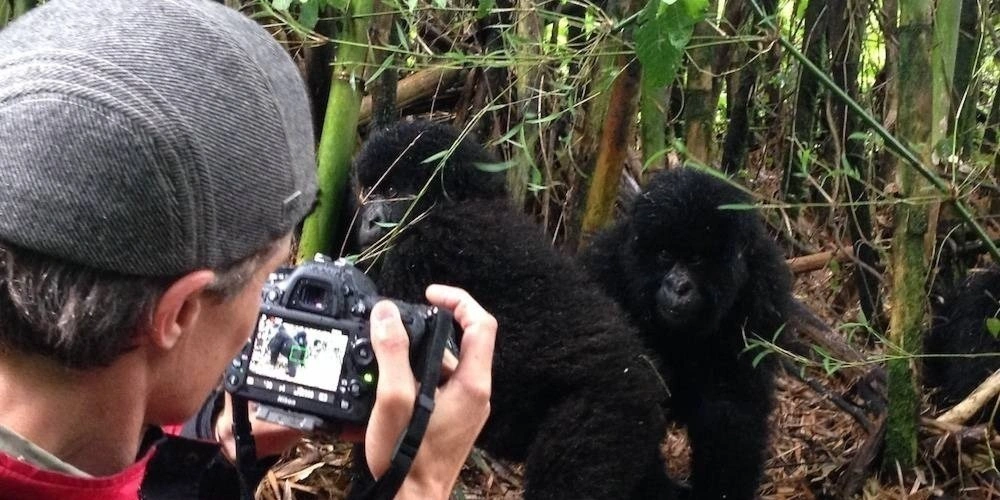
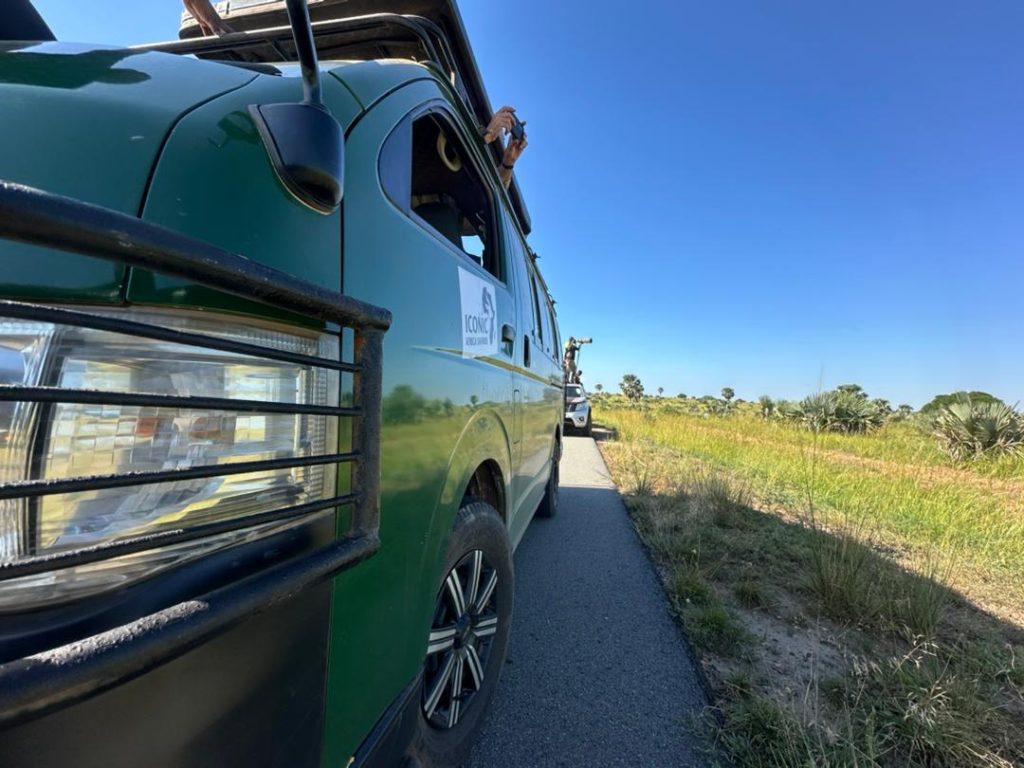
Chimpanzee Tracking and Wildlife Photography in Uganda. Uganda is one of the best destinations in Africa for travelers who love both wildlife adventures and photography. With lush tropical forests, open savannah plains, wetlands, and rivers, the country offers incredible opportunities to capture nature at its best. Chimpanzee tracking and wildlife photography in Uganda is a dream experience for photographers who want to document primates, big mammals, birds, and breathtaking landscapes. From photographing energetic chimpanzees swinging through forest trees to capturing lions on the savannah at sunrise, Uganda provides endless opportunities for stunning wildlife images.
Below is a guide to some of the best locations and tips for enjoying chimpanzee tracking and wildlife photography in Uganda.
Why Uganda is Perfect for Wildlife Photography
Uganda’s unique combination of habitats makes it one of the most diverse wildlife photography destinations in Africa. The country hosts tropical rainforests, savannah grasslands, wetlands, lakes, and mountain landscapes.
These ecosystems support an incredible variety of wildlife, including:
-
Chimpanzees and other primates
-
Lions and leopards
-
Elephants and buffaloes
-
Giraffes and antelopes
-
Over 1,060 bird species
For photographers, this diversity means countless opportunities to capture unique wildlife moments. Whether you are photographing primates in dense forests or large mammals on open plains, Uganda offers dramatic and rewarding photography experiences.
Chimpanzee Tracking in Kibale National Park
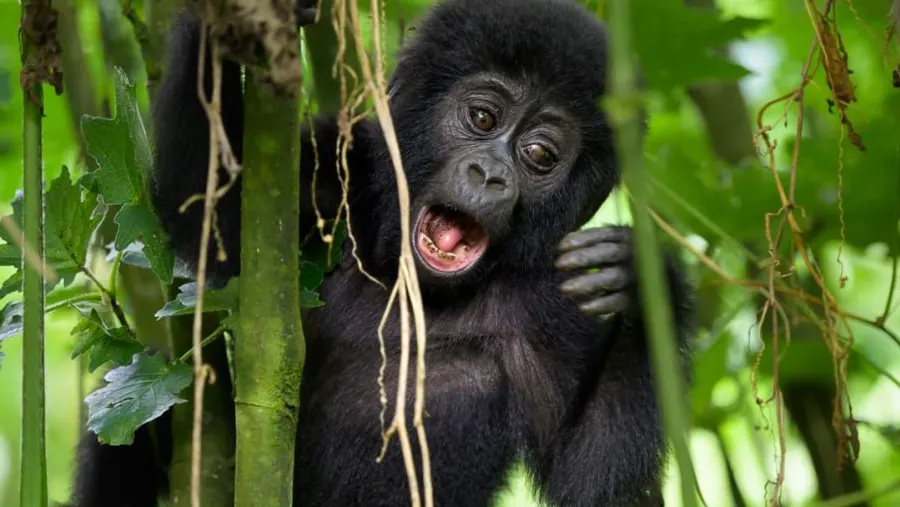
One of the best places in Africa to photograph chimpanzees is Kibale National Park. This park is often referred to as the Primate Capital of the World because it hosts the highest diversity of primates in Africa.
Kibale Forest is home to more than 1,500 chimpanzees, and several groups are habituated for tourism and research. During chimpanzee tracking, visitors walk through forest trails with experienced ranger guides in search of chimpanzee families.
Once the chimpanzees are located, visitors are allowed to spend one hour observing and photographing them in their natural habitat.
Chimpanzee photography in Kibale can include moments such as:
-
Chimpanzees feeding on fruits in the trees
-
Grooming and social interactions
-
Young chimpanzees playing
-
Dramatic facial expressions and behavior
Because chimpanzees move quickly through the forest canopy, photographers often need patience and a fast camera shutter speed.
Wildlife Photography in Queen Elizabeth National Park
For photographers interested in big game and predators, Queen Elizabeth National Park is one of the best locations in Uganda.
The park features vast savannah plains, crater lakes, wetlands, and forests, creating diverse scenery for wildlife photography.
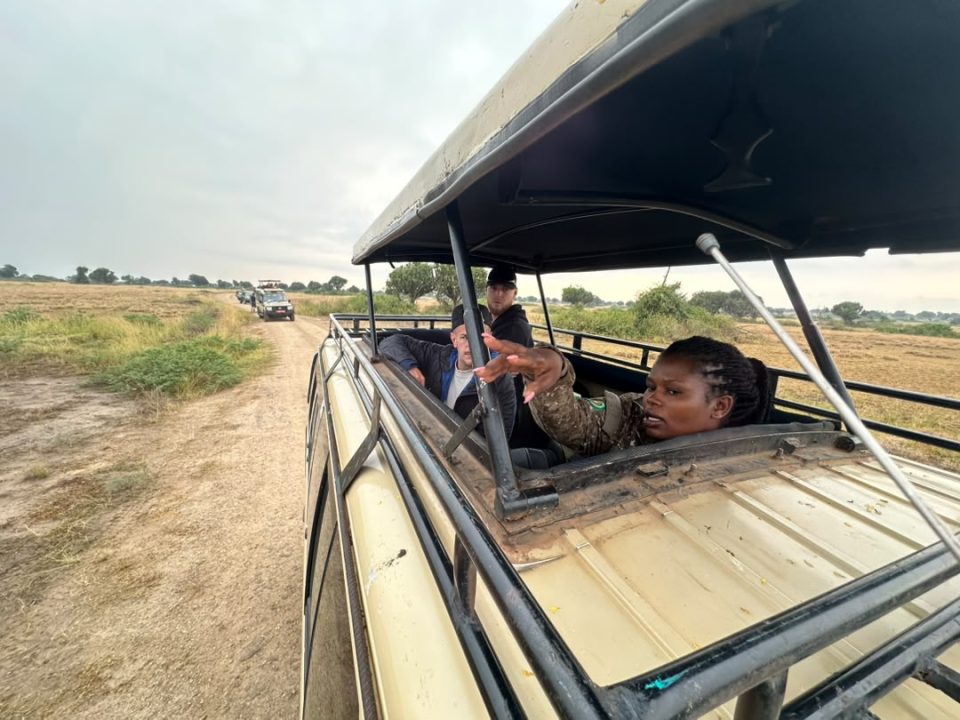
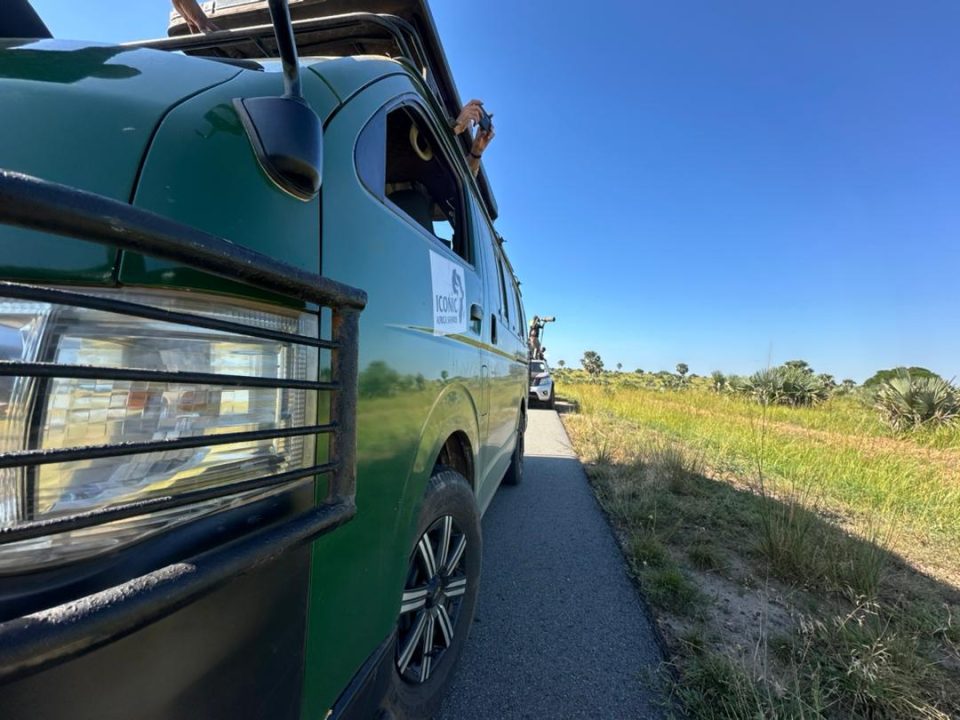
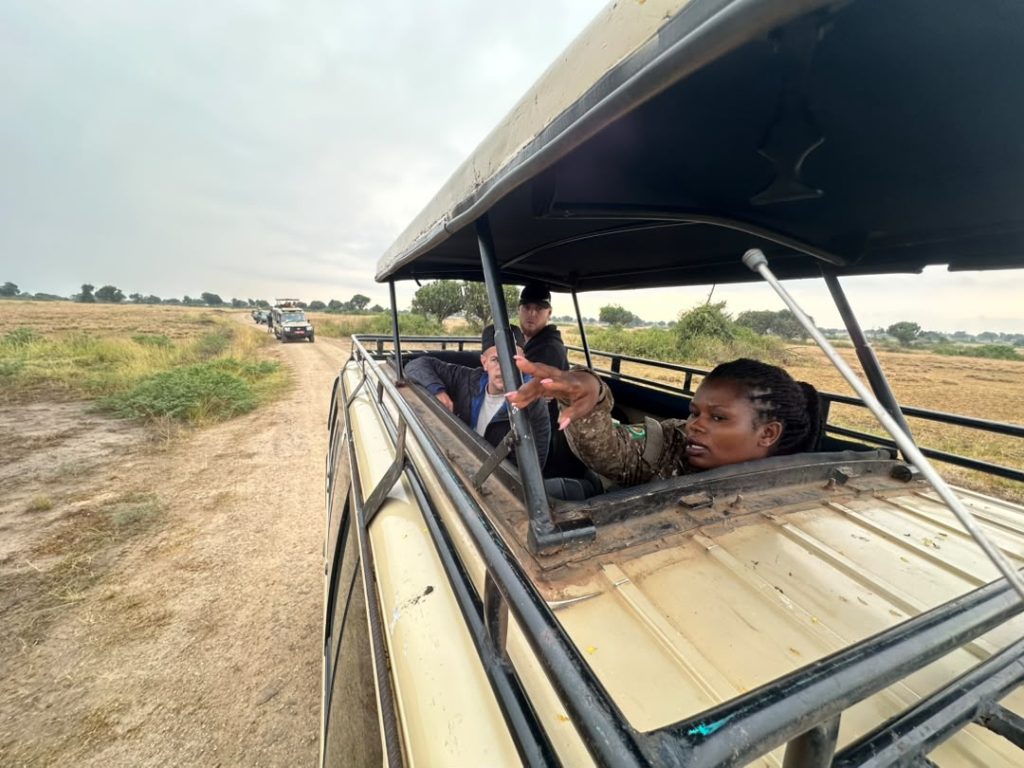
Game drives in the Kasenyi Plains often provide opportunities to photograph:
-
Lions hunting Uganda kobs
-
Elephants moving across the savannah
-
Buffalo herds grazing in open grasslands
-
Leopards resting in trees
Another highlight for photographers is the famous tree-climbing lions of Ishasha, which are often seen resting in large fig trees.
Photographers visiting the park should also consider the boat safari along the Kazinga Channel. This waterway attracts large numbers of hippos, crocodiles, elephants, and birds, creating excellent photography opportunities from the water.
Photographing Wildlife in Murchison Falls National Park
Another top location for wildlife photography in Uganda is Murchison Falls National Park.
This is Uganda’s largest national park and one of the best places to photograph large mammals. The park’s northern sector has open savannah landscapes that make wildlife easier to spot and photograph.
Common photography subjects in the park include:
-
Rothschild’s giraffes
-
Elephants crossing the plains
-
Lions resting in tall grass
-
Buffalo herds near water sources
One of the most dramatic photography locations in the park is Murchison Falls, where the Nile River explodes through a narrow gorge before plunging into the river below. The powerful waterfall and surrounding landscapes provide stunning photographic scenes.
Boat cruises along the Nile also allow photographers to capture close-up images of hippos, crocodiles, and numerous bird species.
Bird Photography Opportunities in Uganda
Uganda is a paradise for bird photographers. With more than 1,060 bird species, the country hosts nearly half of Africa’s bird population.
Bird photographers visiting Uganda may capture species such as:
-
African fish eagle
-
Shoebill stork
-
Saddle-billed stork
-
Kingfishers
-
Bee-eaters
Wetlands, riverbanks, and forest edges are particularly productive locations for bird photography.
Many wildlife photographers combine bird photography with primate tracking and game drives for a complete wildlife photography experience.
Sample Safari Package: 7 Days Chimpanzee Tracking and Wildlife Photography Safari
Below is an example of a safari itinerary designed for travelers interested in chimpanzee trekking and wildlife photography.
Day 1: Arrival in Uganda
Arrival at Entebbe International Airport and transfer to your hotel for relaxation and briefing.
Day 2: Transfer to Kibale National Park
Drive to Kibale National Park through scenic countryside and tea plantations.
Day 3: Chimpanzee Tracking and Forest Photography
Morning chimpanzee trekking experience followed by a visit to Bigodi Wetland Sanctuary for bird photography.
Day 4: Transfer to Queen Elizabeth National Park
Drive to Queen Elizabeth National Park and enjoy an evening game drive.
Day 5: Game Drive and Kazinga Channel Boat Cruise
Morning wildlife photography safari followed by an afternoon boat cruise along the Kazinga Channel.
Day 6: Transfer to Murchison Falls National Park
Travel to Murchison Falls National Park for more wildlife photography opportunities.
Day 7: Game Drive and Visit to Murchison Falls
Morning game drive followed by a visit to the top of Murchison Falls before returning to Kampala or Entebbe.
This itinerary can be customized depending on photography interests and travel time.
Best Time for Wildlife Photography in Uganda
Uganda can be visited year-round, but the best conditions for wildlife photography usually occur during the dry seasons.
The best months include:
-
June to September
-
December to February
During these months, wildlife gathers near water sources and vegetation is less dense, making animals easier to photograph.
The rainy seasons can also be beautiful for photography because landscapes become lush and green.
Tips for Chimpanzee and Wildlife Photography
To capture the best wildlife images during your Uganda safari, consider the following tips:
-
Use a telephoto lens for wildlife photography
-
Keep your camera ready during game drives
-
Use fast shutter speeds for moving animals
-
Be patient and observe animal behavior
-
Follow your guide’s advice during chimpanzee trekking
Good lighting conditions, especially during early morning and late afternoon, also help produce the best wildlife photographs.
Book Your Wildlife Photography Safari with Kenlink Tours
At Kenlink Tours, we specialize in organizing unforgettable wildlife and primate safaris in Uganda. Our photography-friendly safari itineraries are designed to give travelers the best opportunities to capture incredible wildlife moments.
Our experienced guides understand animal behavior and know the best locations and times for photography in Uganda’s national parks.
Whether you want to photograph chimpanzees in Kibale Forest, lions in Queen Elizabeth National Park, or giraffes in Murchison Falls National Park, we will help you plan the perfect safari.
Book your safari with Kenlink Tours today and experience chimpanzee tracking and wildlife photography in Uganda. For inquiries and reservations, contact us at info@kenlinktours.com or inquiries@kenlinktours.com and start planning your African wildlife photography adventure.