- EXPERT'S HELP
- +256789210067
- +256200955001
- info@kenlinktours.com


Tented camps vs lodges in Uganda: what’s the experience like?
May 24, 2026
Best lodges in Murchison Falls for a luxury Nile safari
May 24, 2026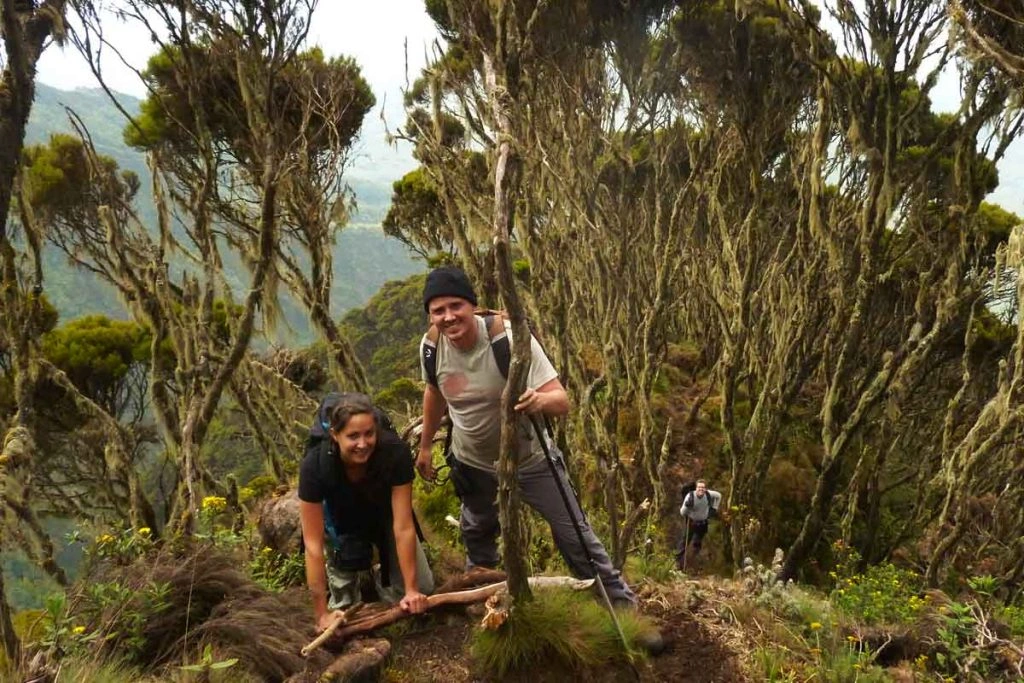
Climbing the Virunga volcanoes: Mount Bisoke hike guide. Standing at 3,711 meters above sea level, Mount Bisoke is one of the most rewarding hikes in East Africa. Nestled within the breathtaking Virunga Massif on the border of Rwanda and the Democratic Republic of Congo, this dormant volcano rewards every effort with a stunning crater lake at its summit and a panoramic view of some of Africa’s most dramatic landscapes. Whether you are an adventure traveller ticking off iconic hikes or a nature lover eager to walk through ancient Afromontane forests, the Mount Bisoke hike is an experience that stays with you long after you descend.
At Kenlink Tours, we have been helping travellers craft unforgettable East African adventures for years. This guide walks you through everything you need to know before setting foot on this magnificent volcano — from permits and preparation to what to expect on the trail.
What Makes Mount Bisoke Special?
Mount Bisoke, also spelled Visoke, is one of eight volcanoes that make up the Virunga chain stretching across Rwanda, Uganda, and the Democratic Republic of Congo. Unlike the more technical climbs of Mount Karisimbi or the popular gorilla territory of the Volcanoes, Bisoke offers a challenging yet highly achievable day hike through one of Africa’s most biodiverse ecosystems.
The hike takes you through bamboo forest and Hagenia woodland teeming with golden monkeys, buffalo, and dozens of bird species. At the crater rim, a cloud-wreathed lake sits in silence — a reward that feels entirely earned. The route also passes close to the Karisoke Research Centre, the legendary field station founded by Dian Fossey in 1967, giving the trail a rich layer of conservation history. If you are planning a broader Rwanda gorilla trekking safari, combining it with a Bisoke hike is one of the most fulfilling combinations you can make.
Where Is Mount Bisoke Located?
Mount Bisoke is situated in Volcanoes National Park in northwestern Rwanda, near the town of Musanze (formerly Ruhengeri), approximately 100 kilometers from Kigali. The peak straddles the Rwanda–DRC border, though the trail and all permits are managed from the Rwandan side through the Rwanda Development Board (RDB), the official body overseeing all tourism activities in Rwanda’s protected areas.
The town of Musanze serves as the gateway to the park and offers a wide range of accommodation options from budget guesthouses to luxury lodges. Most trekkers arrive the evening before and depart for the park headquarters at Kinigi early in the morning.
The Mount Bisoke Hike: What to Expect on the Trail
Distance and Duration
The return hike to the crater rim covers approximately 11 to 14 kilometers, depending on the exact route taken. Most fit hikers complete the ascent in 4 to 5 hours and the descent in 2 to 3 hours, making it a full but manageable day hike. You will be walking through dense vegetation for much of the journey, navigating roots, loose volcanic rock, and steep muddy sections, particularly after rain.
The Ascent
The trail begins at the park gate near Kinigi at roughly 2,400 meters and climbs steadily through Volcanoes National Park’s layered forest zones. The first section winds through bamboo and Hagenia-Hypericum forest, alive with the calls of birds and the movement of golden monkeys through the canopy above. This is one of the few places in the world where you can spot golden monkeys in their natural habitat — a highlight for many visitors even before reaching the summit.
As you gain altitude, the vegetation shifts and the air becomes noticeably cooler and thinner. The upper slopes are characterized by giant lobelias, giant senecios, and other high-altitude Afroalpine plant species that feel almost otherworldly in their scale. The final stretch to the crater rim involves a steep scramble that demands both physical effort and mental determination, but the views that greet you make every step worthwhile.
The Crater Lake
At the summit, a caldera lake sits in a near-perfect circle, its surface reflecting the sky above. On clear mornings, the lake shines bright blue; on cloud-shrouded days, it disappears into mist and reappears like something from a dream. Rangers will brief you on safety around the crater’s edge, and you will be given adequate time to rest, eat lunch, and take in the scenery before beginning your descent.
Permits and Fees for Mount Bisoke
All visitors to Volcanoes National Park, including those hiking Bisoke, must hold a valid park permit issued by the Rwanda Development Board. As of the most recent updates, the climbing permit for Mount Bisoke costs USD 75 per person per day for foreign non-residents. This is separate from gorilla trekking permits, which are priced at USD 1,500 per person.
Permits should be booked well in advance, especially during peak travel seasons from June to September and December to February. The RDB official website at rdb.rw provides the latest permit information and booking procedures. Our team at Kenlink Tours can also handle permit logistics on your behalf, ensuring a smooth and stress-free experience.
Best Time to Climb Mount Bisoke
The best time to hike Mount Bisoke is during Rwanda’s two dry seasons: June to September and December to February. During these months, the trails are drier and firmer underfoot, visibility from the summit is at its best, and the weather is generally cooler and more comfortable for climbing.
That said, the Virunga Mountains are known for unpredictable weather, and rain can occur at any time of year. Even during the dry season, mornings are the most reliable window, and most hikes set off before 7:00 AM to maximize time in good visibility before afternoon clouds roll in. The wet seasons, March to May and October to November, can make the trails extremely muddy and slippery, though they also offer lush green landscapes and fewer crowds for those who do not mind a little extra challenge. If you are planning to combine this with a Uganda gorilla trekking experience on the same trip, our East Africa itineraries can seamlessly connect both destinations.
What to Pack for the Mount Bisoke Hike
Preparation makes all the difference on this hike. Below is a checklist of essentials every trekker should carry:
- Waterproof hiking boots with strong ankle support
- Waterproof jacket and a warm layer — temperatures drop significantly near the summit
- Long-sleeved shirts and long trousers to protect against nettles and cold
- Gaiters to keep mud out of your boots
- Trekking poles — highly recommended for the steep sections and descent
- At least two liters of water and a packed lunch or energy snacks
- Sunscreen and a sun hat — UV exposure is intense at high altitude even on cloudy days
- A small daypack to carry everything comfortably
- Camera or smartphone with a fully charged battery
Porter and guide services are available at the park gate and are strongly recommended. Porters carry your bag for a modest fee, making the climb significantly more comfortable, and your guide will provide safety briefings and fascinating insights into the ecology and history of the mountain.
Safety and Conservation Guidelines
Volcanoes National Park is a protected conservation area and home to some of the world’s rarest wildlife. All visitors are required to follow the park’s code of conduct, which includes staying on designated trails, not disturbing wildlife, carrying out all waste, and keeping a safe distance from all animals encountered. The International Gorilla Conservation Programme (IGCP) works closely with park authorities to monitor and protect the habitats within the Virunga range — a mission that every visitor contributes to through their permit fees.
The park’s guidelines are aligned with those of the African Wildlife Foundation, which supports community-based conservation initiatives throughout the region. When you hike with a responsible operator, you are directly contributing to these conservation efforts and to the livelihoods of local communities in Musanze and the surrounding villages.
How to Get to Volcanoes National Park
Kigali International Airport serves as the main entry point for most international visitors to Rwanda. From Kigali, Volcanoes National Park is approximately a 2 to 2.5 hour drive via well-maintained roads through the rolling hills of northern Rwanda. Private transfers are the most convenient option and can be arranged through Kenlink Tours as part of a broader safari itinerary.
Public transport via minibus (matatu) is available from Kigali’s Nyabugogo bus station to Musanze, from where taxis or motorcycle boda-bodas can take you to the park gate. If you are coming from Uganda, the overland route from Kisoro through the Cyanika border crossing is scenic and manageable, making a combined Uganda and Rwanda safari an excellent option.
Plan Your Mount Bisoke Adventure with Kenlink Tours
Mount Bisoke is not just a hike — it is an encounter with Africa in its most elemental form. From the golden monkeys of the lower forests to the silent crater lake crowning the summit, every step of this journey carries meaning. Whether you combine it with gorilla trekking, a golden monkey experience, or a broader Virunga exploration, the Bisoke hike deserves its place on every serious East Africa itinerary.