- EXPERT'S HELP
- +256789210067
- +256200955001
- info@kenlinktours.com

Cultural Activities in Karamoja
Cultural Activities in Karamoja. Karamoja is one of Uganda’s most culturally rich and least explored regions. Located in northeastern Uganda, this semi-arid landscape is home to resilient communities whose traditions have been preserved for generations. Cultural activities in Karamoja offer travelers a rare opportunity to experience authentic African heritage, shaped by pastoralism, communal living, music, dance, and deep spiritual beliefs. Unlike many destinations where culture is performed for visitors, Karamoja presents living traditions, practiced daily by local people.
For travelers seeking meaningful experiences beyond wildlife safaris, Karamoja provides an immersive cultural journey that blends history, identity, and human connection.
Understanding Karamoja’s Land, People, and Identity
Karamoja is primarily inhabited by the Karamojong, a Nilotic ethnic group closely related to the Turkana of Kenya and the Toposa of South Sudan. The region includes several sub-groups such as the Matheniko, Bokora, Jie, Pian, Dodoth, and Tepeth, each with distinct dialects and customs.
Life in Karamoja revolves around cattle, which symbolize wealth, social status, spirituality, and survival. This pastoral lifestyle has shaped everything from settlement patterns to rituals, dress, and social organization. Cultural activities here are inseparable from daily life, making every visit an educational and emotional experience.
Visiting Traditional Homestead (Manyatta)
One of the most insightful cultural activities in Karamoja is visiting a traditional manyatta—a fortified homestead built from mud, sticks, and thatch. Manyattas are designed for communal living and protection, often surrounded by thorn fences.
During a visit, guests learn how families organize their living spaces, care for livestock, cook meals, and pass down knowledge across generations. Elders explain the symbolism behind hut placement, livestock kraals, and gender roles within the community.
These visits offer a respectful way to understand Karamoja’s social structure while directly supporting local households.
Traditional Dance and Music Performances
Music and dance are central to Karamoja’s cultural identity. Traditional dances are energetic, rhythmic, and deeply symbolic, often performed during ceremonies, celebrations, and community gatherings.
Men are known for their high-jumping dances, showcasing strength and agility, while women perform rhythmic movements accompanied by chanting and ululation. Songs often tell stories of bravery, cattle raids, love, rain, and ancestral history.
Visitors are usually invited to join the dances, creating moments of shared joy and cultural exchange. These performances are not staged entertainment but expressions of identity and unity.
Cattle Culture and Pastoral Life Experiences
Cattle are at the heart of Karamoja culture. Cultural tours often include guided experiences focused on pastoral life, such as learning how livestock are herded, milked, protected, and celebrated.
Guests may observe early-morning cattle movements, traditional milking techniques, and evening rituals where animals are returned to the kraal. Elders explain how cattle are used in marriage negotiations, conflict resolution, and spiritual ceremonies.
This experience offers a deeper understanding of why cattle are more than animals—they are the foundation of Karamoja society.
Storytelling and Oral Traditions
Karamoja’s history is preserved through oral storytelling, passed down by elders around evening fires. These stories include myths of origin, clan migrations, legendary warriors, and moral lessons.
Participating in storytelling sessions allows visitors to hear firsthand accounts of the region’s past, including times of drought, migration, conflict, and resilience. Storytelling strengthens community bonds and ensures cultural continuity.
These moments are often quiet, reflective, and emotionally powerful, offering insights no book or museum can replicate.
Traditional Dress and Body Adornment
Karamoja’s traditional attire is visually striking and culturally meaningful. Men often wear minimal clothing, bead necklaces, and carry stools or staffs, while women adorn themselves with elaborate beaded jewelry, metal rings, and colorful fabrics.
Cultural activities may include demonstrations of how jewelry is made and worn, explaining its significance in age, marital status, and social standing. Beads, cowrie shells, and metals are not just decorative but symbolic.
Visitors can also purchase handmade ornaments directly from artisans, supporting local craftsmanship.
Karamoja Cuisine and Traditional Food Experiences
Food is an important cultural expression in Karamoja. Visitors may participate in traditional cooking experiences, learning how local dishes are prepared using sorghum, millet, wild greens, milk, and occasionally meat.
Meals are often cooked over open fires, and sharing food is a sign of hospitality and respect. Elders explain food preservation methods suited to dry environments and the cultural importance of communal eating.
These culinary experiences highlight adaptation, sustainability, and the deep connection between people and their environment.
Cultural Ceremonies and Rituals
Karamoja is rich in ceremonies marking key life stages such as birth, initiation, marriage, and elderhood. While some rituals are private, others may be observed respectfully with community permission.
Important ceremonies include blessings for rain, livestock protection rituals, and age-set transitions. These events are guided by elders and spiritual leaders, reflecting strong ancestral beliefs.
Observing such ceremonies provides insight into Karamoja’s spiritual worldview and the role of tradition in maintaining social order.
Craft Making and Local Artisans
Handicrafts are an essential part of Karamoja culture. Women and men create beadwork, leather items, stools, spears, baskets, and musical instruments using traditional techniques.
Visitors can take part in craft-making workshops, learning how materials are sourced and transformed into functional art. These activities help preserve skills while generating income for local communities.
Purchasing crafts directly from artisans ensures fair compensation and promotes sustainable cultural tourism.
Community Walks and Daily Life Experiences
Guided community walks allow visitors to experience everyday life in Karamoja villages. These walks include visits to water points, grazing lands, markets, and communal gathering areas.
Along the way, guides explain how communities adapt to environmental challenges, manage resources, and maintain social cohesion. These experiences foster mutual understanding and break stereotypes about the region.
Community walks are slow-paced, educational, and deeply human.
The IK People and Cultural Encounters
Beyond the Karamojong, Karamoja is also home to the IK people, one of Uganda’s smallest and most unique ethnic groups. Living in the rugged mountains near Kidepo Valley National Park, the IK have distinct traditions and language.
Cultural visits to IK communities focus on understanding their history, survival strategies, and social organization. These encounters are carefully managed to ensure respect and cultural sensitivity.
Visiting the IK offers a rare anthropological and cultural experience unlike anywhere else in Uganda.
Cultural Tourism and Conservation
Cultural activities in Karamoja play a vital role in community development and conservation. Responsible tourism provides alternative livelihoods, reduces dependence on livestock raiding, and encourages cultural pride.
Many cultural programs are community-led, ensuring that tourism benefits local people directly. Visitors are encouraged to engage respectfully, ask questions, and follow cultural guidelines.
This approach ensures that Karamoja’s heritage is preserved for future generations.
Combining Culture with Wildlife Safaris
Karamoja’s cultural experiences are often combined with wildlife safaris, especially in Kidepo Valley National Park, one of Africa’s most scenic parks.
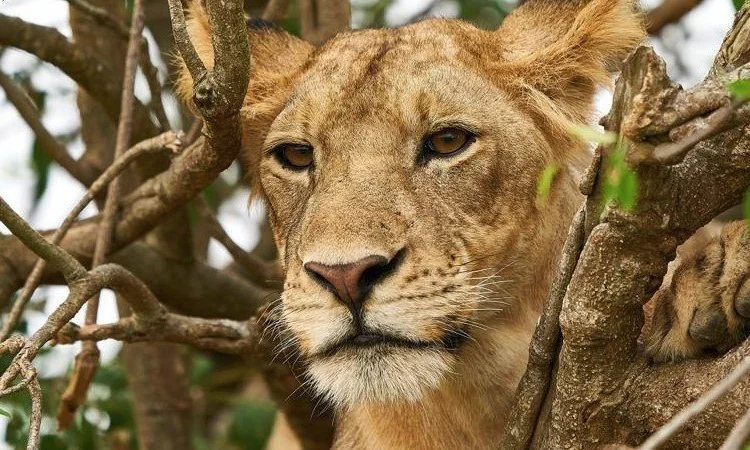
Travelers can enjoy game drives to see elephants, lions, giraffes, and cheetahs, then spend time with local communities learning about their traditions. This combination offers a balanced safari that connects nature and culture.
Such itineraries provide a fuller understanding of northeastern Uganda.
Best Time for Cultural Activities in Karamoja
Cultural activities are available year-round, but the dry seasons (December–March and June–September) are ideal for travel. Roads are more accessible, and communities are more active.
Cultural festivals and ceremonies may vary by season, and visiting with a knowledgeable guide helps align your trip with meaningful events.
Why Cultural Activities in Karamoja Are Unique
Karamoja stands apart as one of East Africa’s last strongholds of traditional pastoral culture. Its people, landscapes, and customs offer authenticity rarely found elsewhere.
Cultural activities here are not performances—they are lived experiences. Visitors leave with deeper understanding, respect, and unforgettable memories of human resilience and heritage.
Plan Your Cultural Journey to Karamoja with Kenlink Tours
We organize custom cultural tours to Karamoja, including village visits, traditional dances, craft experiences, storytelling sessions, and IK community encounters. Tours can be combined with wildlife safaris in Kidepo Valley National Park or extended to include primate safaris elsewhere in Uganda.
You can plan your safari with us, you may send us an email on: inquiries@kenlinktours.com or info@kenlinktours.com, or you can fill in our Contact Form to help our team to plan the best suitable safari for you.

Request for a Quote
Start planning your adventure trip today with a professional expert available to help you 24/7. Encounter Africa on your own terms.
Request a Quote +256 789 210067