- EXPERT'S HELP
- +256789210067
- +256200955001
- info@kenlinktours.com


What It’s Like to Trek Gorillas in Uganda and Rwanda
March 22, 2026
Community Tourism in Uganda and Rwanda: Travel with Purpose
March 23, 2026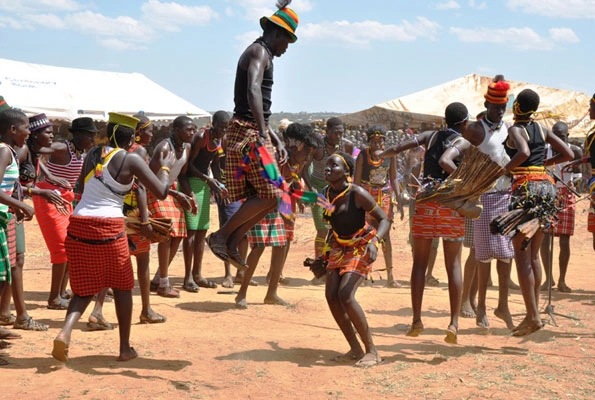
Cultural Experiences in Uganda and Rwanda You Shouldn’t Miss. Uganda and Rwanda are not only famous for gorilla trekking and wildlife safaris, but also for their deeply rooted cultural heritage that offers travelers an authentic and enriching experience. These two East African countries present a vibrant blend of traditions, languages, music, and lifestyles that have been preserved for generations. Cultural tourism here goes beyond sightseeing—it allows you to connect with local communities, understand their history, and actively participate in their daily lives.
From the rolling hills of Rwanda to the diverse tribal landscapes of Uganda, every cultural encounter tells a unique story. Whether it’s through dance, food, storytelling, or traditional crafts, these experiences leave lasting impressions and meaningful connections with the people of the region.
The Rich Cultural Diversity of Uganda
Uganda is often referred to as the “Pearl of Africa,” and one of the reasons behind this title is its incredible cultural diversity. The country is home to more than 50 ethnic groups, each with its own language, customs, and traditions.
Travelers exploring Uganda can immerse themselves in the traditions of communities such as the Baganda, Banyankole, Batwa, Karamojong, and Acholi. Each group offers a unique cultural perspective, from royal heritage to pastoral lifestyles. Cultural experiences here include traditional dance performances, storytelling sessions, craft-making, and village visits where visitors can witness everyday life.
What makes Uganda stand out is the authenticity of these encounters. Visitors are not just observers but participants—learning how to cook local dishes, playing traditional instruments, or joining in community celebrations.
The Unique Cultural Identity of Rwanda
Rwanda, known as the “Land of a Thousand Hills,” offers a more unified yet equally rich cultural experience. Despite its tragic past, the country has rebuilt itself into a symbol of resilience, unity, and cultural pride.
Rwandan culture is deeply expressed through music, dance, art, and storytelling. One of the most iconic experiences is watching the Intore dancers perform, accompanied by powerful drumming that reflects the country’s royal traditions. Visitors can also engage in community visits, learn traditional cooking methods, and participate in artisan workshops such as basket weaving and pottery.
Rwanda’s cultural experiences are not only entertaining but also educational, offering insights into the country’s journey, traditions, and values.
The Batwa Cultural Experience
One of the most remarkable cultural experiences you shouldn’t miss in both Uganda and Rwanda is visiting the Batwa people. Known as the original forest dwellers of the region, the Batwa have a deep connection to nature and a rich heritage that dates back centuries.
During a Batwa cultural tour, visitors are guided through forest trails where they learn traditional hunting techniques, medicinal plant use, and ancient survival skills. The Batwa also share their music, dances, and stories, providing a rare glimpse into a way of life that has largely disappeared.
This experience is both educational and emotional, offering a deeper understanding of indigenous cultures and their relationship with the environment.
Traditional Dance and Music Performances
Music and dance are at the heart of cultural expression in both Uganda and Rwanda. In Uganda, performances such as the Bakisimba dance of the Baganda or the energetic dances of northern tribes showcase the diversity of the country’s traditions.
In Rwanda, the Intore dance stands out as a symbol of strength and heritage. Dancers dressed in traditional attire perform synchronized movements accompanied by drums, creating a captivating cultural display.
These performances are more than entertainment—they are storytelling mediums that convey history, values, and community identity. Visitors are often invited to join in, making the experience even more memorable.
Cultural Village Visits and Community Encounters
Visiting cultural villages is one of the most immersive ways to experience life in Uganda and Rwanda. These visits allow travelers to interact directly with local communities, participate in daily activities, and learn about traditional lifestyles.
In Uganda, places like rural homesteads and cultural villages introduce visitors to farming practices, cattle keeping, and local crafts. For example, the Banyankole culture highlights the importance of long-horned cattle, which symbolize wealth and status.
In Rwanda, community-based tourism initiatives offer similar experiences, where visitors can engage with locals, learn traditional skills, and understand the country’s cultural evolution. These encounters foster meaningful connections and support sustainable tourism.
Culinary Experiences and Local Food Traditions
Food is an essential part of cultural exploration, and both Uganda and Rwanda offer unique culinary experiences that reflect their heritage. Travelers can participate in cooking classes, visit local markets, and enjoy traditional meals prepared using age-old methods.
In Uganda, popular dishes include matooke (steamed bananas), groundnut sauce, and rolex (chapati rolled with eggs). In Rwanda, visitors can taste dishes like isombe, ugali, and grilled meats, often accompanied by locally brewed banana beer.
Cooking with local communities not only introduces you to new flavors but also provides insight into the cultural significance of food in everyday life.
Art, Craft, and Cultural Workshops
Art and craftsmanship play a significant role in preserving cultural heritage in both countries. Visitors can explore local markets, visit artisan workshops, and even create their own crafts under the guidance of skilled artisans.
In Rwanda, Imigongo art—made using cow dung—is a unique and fascinating tradition that showcases geometric patterns and creativity.
In Uganda, craft-making includes basket weaving, beadwork, pottery, and bark cloth production. These handmade items not only serve as souvenirs but also tell the stories of the communities that create them.
Historical and Heritage Experiences
Understanding the history of Uganda and Rwanda is essential to appreciating their cultures. Both countries offer opportunities to visit historical sites, museums, and heritage centers that provide deeper insights into their past.
In Rwanda, visiting memorial sites offers a powerful and educational experience about the country’s history and resilience.
In Uganda, cultural heritage can be explored through royal palaces, traditional kingdoms, and storytelling sessions that highlight the country’s rich past and traditions.
These experiences add depth to your journey, helping you understand the cultural context behind the traditions you encounter.
Cultural Festivals and Celebrations
Cultural festivals in Uganda and Rwanda are vibrant events that bring communities together to celebrate their heritage. These festivals feature music, dance, food, and traditional ceremonies that showcase the diversity and unity of the people.
Attending a festival allows visitors to experience the culture in its most dynamic form, with colorful costumes, lively performances, and a festive atmosphere. These events are perfect for travelers looking to immerse themselves fully in local traditions.
Why Cultural Experiences Should Be Part of Your Safari
While wildlife safaris are a major attraction in Uganda and Rwanda, cultural experiences add a deeper dimension to your यात्रा. They provide a human connection that complements the natural beauty of the region.
By engaging with local communities, travelers gain a better understanding of the people who live alongside these incredible landscapes and wildlife. Cultural tourism also supports local economies and helps preserve traditions for future generations.
Conclusion: A Journey Beyond Wildlife
Cultural experiences in Uganda and Rwanda offer more than just activities—they provide meaningful connections, unforgettable memories, and a deeper appreciation of East Africa’s heritage. From the Batwa forest dwellers to the vibrant dance performances and rich culinary traditions, every moment spent exploring these cultures is truly rewarding.
Whether you are planning a dedicated cultural tour or combining it with a wildlife safari, these experiences should not be missed. They transform your journey into something truly unique and enriching.
For bookings and inquiries about cultural safaris in Uganda and Rwanda, feel free to contact us via email at info@kenlinktours.com or reach us on WhatsApp at +256 789 210 067. Let us help you plan an unforgettable cultural adventure in East Africa.