- EXPERT'S HELP
- +256789210067
- +256200955001
- info@kenlinktours.com


Cultural Experiences in Uganda and Rwanda You Shouldn’t Miss
March 23, 2026
Top Cultural Tours to Add to Your Uganda Safari
March 23, 2026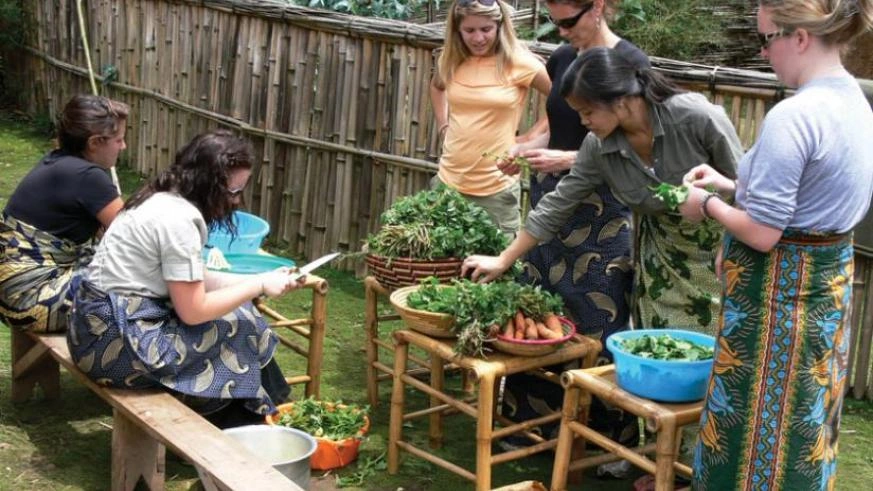
Community Tourism in Uganda and Rwanda: Travel with Purpose. Community tourism in Uganda and Rwanda is transforming the way travelers experience East Africa. Instead of simply observing destinations, visitors are increasingly choosing to engage directly with local communities, creating meaningful connections and contributing to sustainable development. This form of travel goes beyond wildlife and landscapes—it focuses on people, culture, and shared experiences that leave a positive impact on both visitors and hosts.
Traveling with purpose means your journey supports local livelihoods, preserves cultural heritage, and promotes responsible tourism practices. In Uganda and Rwanda, community tourism initiatives are designed to empower local populations while offering authentic and immersive experiences for travelers.
What Is Community Tourism and Why It Matters
Community tourism, also known as community-based tourism, involves local communities actively participating in and benefiting from tourism activities. It ensures that tourism revenue directly supports the people who live in the destinations you visit.
In both Uganda and Rwanda, this approach is especially important because many communities live near national parks and conservation areas. By involving them in tourism, it creates alternative income sources and reduces dependence on activities that may harm the environment, such as poaching or deforestation.
For travelers, community tourism offers a deeper and more authentic experience. You are not just visiting a place—you are engaging with its people, learning their stories, and becoming part of their daily lives, even if only for a short time.
Community Tourism in Uganda: Authentic Cultural Encounters
Uganda is one of Africa’s most culturally diverse countries, with over 50 ethnic groups, making it an ideal destination for community tourism. Across the country, numerous initiatives allow travelers to experience traditional lifestyles while supporting local communities.
In areas near Bwindi Impenetrable Forest, community tourism is closely linked to gorilla trekking. Visitors can take part in village walks, traditional dance performances, and craft-making activities led by local groups. These experiences provide income for communities while reducing pressure on the forest ecosystem.
In northern Uganda, travelers can engage with communities that showcase traditional music, storytelling, and agricultural practices. In eastern Uganda, cultural visits introduce guests to coffee farming, where they can follow the journey from bean to cup while interacting with local farmers.
These experiences highlight Uganda’s cultural richness while ensuring that tourism benefits reach grassroots communities.
Community Tourism in Rwanda: A Model of Sustainability
Rwanda has become a leading example of how community tourism can support conservation and development. The country has invested heavily in community-based initiatives, particularly around national parks such as Volcanoes National Park.
One of the key aspects of Rwanda’s approach is revenue sharing, where a portion of tourism income is reinvested into local communities. This has led to improved infrastructure, education, and healthcare services in areas surrounding tourist attractions.
Visitors can participate in community experiences such as traditional dance performances, village tours, and artisan workshops. These activities provide insight into Rwandan culture while directly supporting local livelihoods.
Rwanda’s success demonstrates how tourism, when managed responsibly, can be a powerful tool for positive change.
The Role of the Batwa Community in Sustainable Tourism
The Batwa people, often referred to as the original forest dwellers of the region, play a significant role in community tourism in both Uganda and Rwanda. Displaced from their ancestral forests, the Batwa have turned to tourism as a way to preserve their culture and sustain their livelihoods.
Through guided cultural experiences, visitors learn about the Batwa’s traditional way of life, including hunting techniques, herbal medicine, and storytelling. These tours not only provide income for the community but also raise awareness about their history and challenges.
Supporting Batwa-led initiatives is an important way for travelers to contribute to cultural preservation and social inclusion.
Cultural Exchange Through Homestays and Village Walks
One of the most impactful ways to experience community tourism is through homestays and village visits. These experiences allow travelers to live alongside local families, participate in daily activities, and gain a firsthand understanding of rural life.
In Uganda, homestays often include activities such as cooking traditional meals, farming, and attending community gatherings. In Rwanda, visitors can join families in preparing local dishes, learning traditional crafts, or participating in storytelling sessions.
These interactions create genuine cultural exchanges, breaking down barriers and fostering mutual understanding between visitors and hosts.
Supporting Local Artisans and Craft Markets
Community tourism also plays a crucial role in supporting local artisans. Across Uganda and Rwanda, craft markets and workshops offer visitors the opportunity to purchase handmade products directly from the creators.
Items such as woven baskets, beadwork, pottery, and textiles are not only beautiful souvenirs but also represent the cultural identity of the communities that produce them. By buying these products, travelers help sustain traditional skills and provide income for local families.
Participating in craft workshops adds another layer to the experience, allowing visitors to learn these skills and appreciate the effort behind each piece.
Community Tourism and Conservation Efforts
One of the most important benefits of community tourism is its contribution to conservation. In regions surrounding national parks, local communities play a key role in protecting wildlife and natural habitats.
By providing alternative sources of income, tourism reduces the need for activities that harm the environment. Communities become active participants in conservation efforts, understanding that protecting wildlife directly benefits their livelihoods.
In Uganda and Rwanda, this approach has been particularly successful in areas known for gorilla trekking. Community involvement has helped ensure the protection of endangered mountain gorillas while improving the quality of life for nearby residents.
Responsible Travel Tips for Community Tourism
Traveling with purpose requires a mindful approach. To make the most of your community tourism experience, it is important to respect local customs, traditions, and ways of life.
Always seek permission before taking photographs, dress modestly when visiting communities, and show genuine interest in learning about local cultures. Supporting local businesses, guides, and artisans ensures that your contribution has a direct impact.
Choosing responsible tour operators who prioritize community engagement and sustainability is also essential. This ensures that your travel experience aligns with ethical and responsible tourism practices.
Why Travel with Purpose in Uganda and Rwanda
Traveling with purpose transforms your journey into something meaningful and impactful. In Uganda and Rwanda, community tourism allows you to connect with people, understand their cultures, and contribute to their well-being.
These experiences go beyond traditional tourism, offering a deeper sense of fulfillment and a greater appreciation for the destinations you visit. You leave not only with memories but also with the knowledge that your trip has made a positive difference.
Conclusion: Make Your Journey Count
Community tourism in Uganda and Rwanda is more than just a travel trend—it is a movement toward sustainable and responsible tourism. By choosing to travel with purpose, you become part of a system that empowers communities, preserves cultures, and protects the environment.
Whether you are exploring rural villages, participating in cultural activities, or supporting local artisans, every interaction contributes to a better future for these communities. Your journey becomes a shared experience that benefits both you and the people you meet along the way.
For bookings and inquiries about community tourism experiences in Uganda and Rwanda, contact us via email at info@kenlinktours.com or reach us on WhatsApp at +256 789 210 067. Let us help you plan a meaningful and purpose-driven safari in East Africa.