- EXPERT'S HELP
- +256789210067
- +256200955001
- info@kenlinktours.com


Sustainable Tourism with Gorilla Trekking
August 15, 2026
Akagera National Park Safari: The Complete Travel Guide
August 20, 2026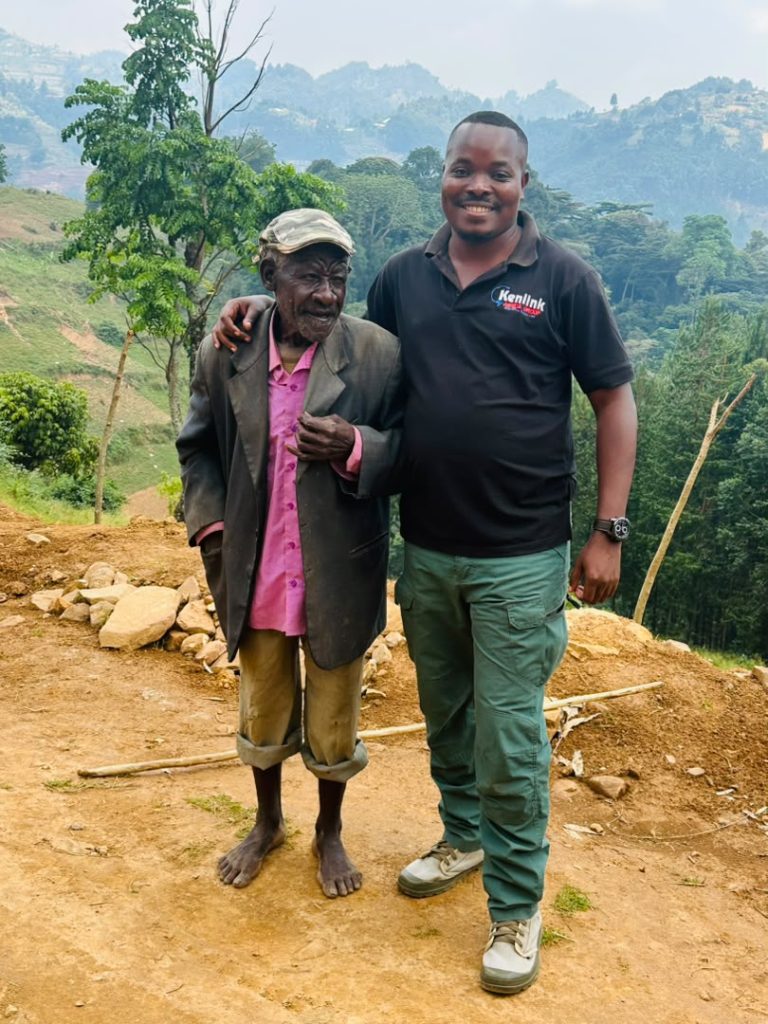
Our Responsible Tourism. Every itinerary we build starts from the same question: does this trip genuinely benefit the people and places it moves through, or does it simply pass through them on the way to a photograph? At Kenlink Tours, responsible tourism isn’t a separate initiative bolted onto our gorilla trekking and safari packages, it’s the framework we use to design them in the first place. This page lays out our philosophy, the practices we prioritize, and what we believe travelers should expect and ask of us as their operator.
We’ve built this page to be genuinely useful, not just a values statement. If you’re planning a trip with us, whether a 3-Day Bwindi Gorilla Safari Starting from Kigali or a longer combination itinerary, this is what we aim to bring to every stage of your journey, and what we invite you to hold us accountable to.
Our Responsible Tourism Philosophy
We approach responsible tourism as a working set of daily operating decisions rather than a marketing category. Every choice we make in building an itinerary, which guide leads your trek, which lodge you stay at, how your permit is sourced, how your border crossing is timed, carries a responsible tourism dimension, and we try to make that dimension explicit rather than incidental.
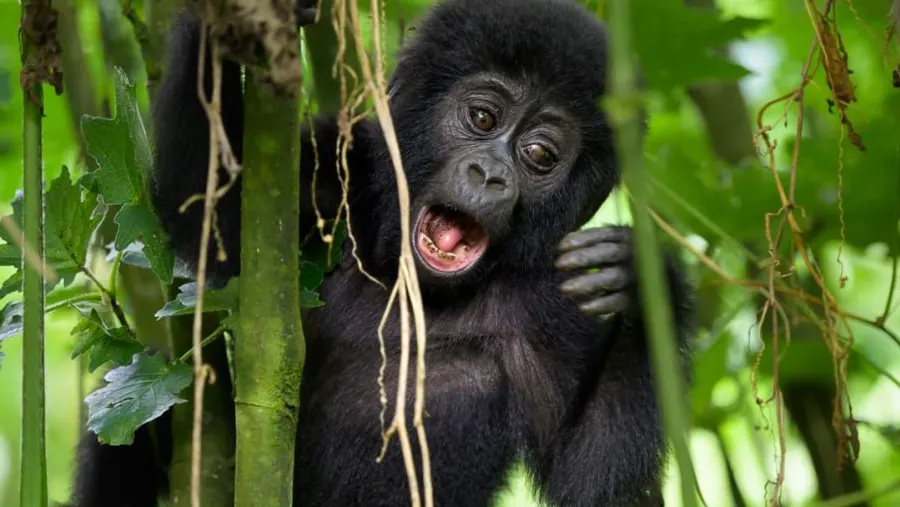
Our underlying belief is straightforward: the mountain gorilla population’s recovery from fewer than 250 individuals in the 1980s to more than 1,000 today happened because tourism revenue was channeled directly into conservation and community benefit. We see our role as an operator as strengthening that channel with every trip we run, not simply moving travelers through the region as efficiently as possible. This philosophy shapes the practical commitments described throughout the rest of this page.
Why Responsible Tourism Matters on Every Kenlink Tours Itinerary
We don’t treat responsible tourism as relevant only to certain premium or specially marketed packages; we try to build it into every itinerary we offer, from a compact 2 Days Uganda Gorilla Safari Starting from Kigali through longer combination trips. Our reasoning is simple: a two-day trekking trip generates the same permit revenue, requires the same ranger support, and touches the same communities as a longer itinerary, so it deserves the same level of care in how it’s structured.
This means every itinerary we publish reflects consideration of pacing that doesn’t rush travelers through the trekking day, transparent permit sourcing, and accommodation and transport choices we’re comfortable standing behind when a traveler asks us to explain them. We’d rather a traveler push back and ask hard questions about a specific itinerary than assume responsible tourism is simply implied by working with us.
How We Choose Our Guides and Drivers
Our guides and drivers are the people who shape your trip more than any other single factor, more than the specific lodge, and in some ways more than the trekking day itself. We prioritize hiring guides with genuine, sustained experience on the specific routes and parks we operate in, rather than general regional knowledge alone, since route-specific expertise, knowing exactly when to depart Kigali to clear the Cyanika border comfortably, for instance, meaningfully affects trip quality.
We also prioritize guides who can speak knowledgeably and specifically about the conservation and community context of the places they’re driving through, not just the logistics of getting there. We believe a guide who can explain why the seven-meter distance rule exists, or how permit revenue funds ranger salaries, adds genuine value to your trip beyond simple navigation and translation, and we try to reflect that priority in how we train and brief our team.
Our Approach to Local Employment
We aim to prioritize local hiring wherever we can, guides, drivers, and support staff drawn from the communities our itineraries pass through, rather than importing staff from outside the region by default. We believe this approach produces better trips, since staff with genuine local roots bring knowledge and relationships that can’t be replicated by someone unfamiliar with the specific communities and landscapes involved.
We also see local employment as directly connected to the broader conservation model this page describes; communities with genuine economic stake in tourism’s success have a stronger incentive to support conservation efforts, rather than viewing protected areas purely as a source of restriction on land and resource use. If local hiring specifics matter to your decision to book with us, we welcome that question directly, and you can raise it through our contact page before committing to a trip.
Supporting Gorilla Conservation Through Every Permit We Book
Every gorilla trekking permit we source on your behalf, whether for Rwanda’s Volcanoes National Park or Uganda’s Bwindi Impenetrable Forest, channels significant conservation funding directly to the appropriate park authority. We handle permit booking transparently, confirming your specific permit details rather than simply assuring you “it’s taken care of,” because we believe travelers deserve to see exactly how their trip investment connects to conservation outcomes.
We also try to help travelers understand, before they trek, what that permit fee actually funds: ranger salaries and equipment, anti-poaching patrols, veterinary care for gorilla families, and community revenue-sharing programs. We think this context changes how the trekking hour feels, transforming it from simply an exciting encounter into a moment of genuine participation in one of conservation’s clearest success stories, and we try to communicate that context clearly across itineraries like our 4-Day Rwanda-Uganda Golden Monkey and Gorilla Trekking package.
Our Partnerships with Community-Based Tourism Initiatives
We try to build community-based tourism elements into our itineraries wherever it makes sense, Batwa cultural visits, local craft cooperative stops, and other activities that direct tourism spending toward households and small enterprises beyond the core permit and lodging economy. We believe these additions genuinely enrich a traveler’s understanding of the region, not just as an ethical add-on but as a more complete and interesting trip.
We’re committed to seeking out community partnerships that direct value transparently to the people involved, rather than working through layers of intermediaries that capture most of the economic benefit before it reaches the community itself. If you’re specifically interested in the community-based elements of a given itinerary, we encourage you to ask us directly how a particular activity is structured and who benefits from it; we’d rather answer that question thoroughly than have it go unasked.
How We Select Accommodation Partners
We consider more than star ratings and amenities when choosing which lodges to include in our itineraries. We look at a property’s approach to local hiring, its environmental practices, water and energy sourcing, waste management, and whether it has a demonstrated relationship with the surrounding community, rather than existing as an isolated enclave disconnected from local economic life.
We recognize that formal sustainability certification remains uneven across our region’s lodging sector, so we try to ask specific, concrete questions of our accommodation partners rather than relying on marketing language like “eco-lodge” alone. We’re happy to discuss the specific reasoning behind any lodge recommendation on your itinerary if you’d like more detail before booking, whether you’re comparing options for a 3 Days Rwanda Gorilla Safari or a longer, multi-lodge combination trip.
Our Commitment to the Batwa Communities
We recognize the Batwa people’s complex history with the land now designated as Bwindi and the surrounding Virunga landscape, displaced from their traditional forest home when the area was gazetted for conservation. We approach Batwa cultural visits with this history in mind, seeking to structure these experiences as genuine cultural exchange and direct economic opportunity, rather than a simplified stop treated primarily as a photo opportunity for travelers.
We’re committed to working toward transparent, direct partnerships with Batwa-led organizations and community representatives rather than intermediaries who might capture disproportionate value from these visits. We encourage travelers joining us for a Batwa cultural component to approach the experience with genuine curiosity and respect, and we try to brief travelers accordingly before these visits take place.
Environmental Practices We Prioritize on the Road
We try to reduce our operational environmental footprint in the practical ways available to us as a ground operator: well-maintained vehicles suited to the specific route rather than oversized or poorly matched transport, route planning that avoids unnecessary backtracking, and encouraging travelers to minimize single-use plastic and carry reusable water bottles throughout their trip.
We recognize that international flights represent the largest single environmental cost of most of our travelers’ trips, a factor largely outside our direct control, but we try to be conscientious about the portions of the journey we do manage directly. We’re continuing to look for ways to reduce our operational footprint further, and we welcome feedback from travelers who notice areas where we could do better.
Educating Our Travelers Before They Trek
We believe informed travelers make better, more respectful decisions on trekking day, so we try to brief every traveler thoroughly on trekking etiquette and the reasoning behind park rules before the trek itself, not just a rushed recitation of regulations at the trailhead. We want travelers to understand why the seven-meter distance rule exists, why flash photography is prohibited, and why honesty about any illness symptoms matters, so that following these rules feels like genuine participation in gorilla welfare rather than an arbitrary restriction.
We also try to set realistic expectations about trekking difficulty, sector assignment, and physical demands before travelers commit to a specific itinerary, since we believe honest expectation-setting produces a better trip experience than an overly polished sales pitch that glosses over genuine physical challenges. This approach shapes how we describe itineraries like the 5 Days Uganda Rwanda Double Gorilla Safari, where we try to be clear about the physical commitment involved in trekking two separate gorilla families.
Supporting Uganda’s Tourism Workforce Through Training
We believe sustainable tourism depends on developing local talent and expertise over the long term, not just employing existing skilled guides and drivers. We support this through our tourism internship program in Uganda, which aims to give emerging local talent practical, hands-on experience within the tourism industry, building the next generation of guides, drivers, and hospitality professionals who understand this specific region deeply.
We see workforce development as a longer-term, less visible form of sustainable tourism investment compared to the more immediately visible aspects like permit funding or lodge selection, but one we believe matters just as much to the industry’s long-term health and the quality of experience future travelers will receive.
Our Approach to Group Size and Trip Pacing
We try to structure our itineraries with realistic, unhurried pacing rather than cramming activities into the shortest possible timeframe purely to advertise a lower headline price. We believe rushed itineraries produce worse outcomes on multiple levels: more stressed travelers, less careful behavior during sensitive activities like gorilla trekking, and less genuine engagement with the places and communities a trip passes through.
This philosophy shows up concretely in how we build in buffer days around physically demanding activities, schedule border crossings with realistic timing rather than the fastest theoretical estimate, and generally resist the temptation to squeeze maximum activity into minimum days. We think itineraries like our 6-Day Rwanda Adventures – Great Apes & Lake Kivu package, with genuine rest days built in around the trekking portion, reflect this pacing philosophy clearly.
How We Handle Cross-Border Logistics Responsibly
Given how much of our business involves the Kigali-to-Bwindi corridor specifically, we take border-crossing logistics seriously as both a practical and a responsible-tourism matter. We time departures around Cyanika and Katuna’s specific operating hours rather than optimistic best-case estimates, and we maintain vehicles genuinely suited to the unpaved final approach roads into Bwindi’s more remote sectors, rather than using standard vehicles unsuited to the terrain.
We believe this attention to logistical detail is itself a form of responsible tourism, poorly planned border crossings and inadequate vehicles create unnecessary strain on roads, communities along the route, and travelers themselves. You can review the specific route details we plan around in our guide to how far Bwindi is from Kigali, which reflects the same planning discipline we try to apply to every itinerary we run along this corridor.
Our Commitment to Transparent Pricing
We try to provide complete, itemized pricing for every itinerary we quote, clearly separating what’s included, permits, transport, accommodation, meals, from what’s typically excluded, tips, visa fees, personal expenses, rather than advertising an artificially low headline price that obscures the trip’s true total cost. We believe transparent pricing is itself a responsible tourism practice, since it allows travelers to make genuinely informed comparisons between operators rather than being misled by incomplete quotes.
We’re happy to walk through our pricing structure in detail before you book, and we’d rather answer detailed questions about what’s included in a specific package, whether a 3-Days Bwindi Gorilla Safari or a longer combination trip, than have a traveler discover unexpected costs partway through their journey.
Why We Believe in High-Value, Low-Impact Travel
We support the broader regional philosophy of high-value, low-impact tourism that underlies gorilla permit pricing in both Rwanda and Uganda, deliberately limiting visitor volume in exchange for higher per-visitor value and reduced environmental pressure on fragile habitats. We recognize this approach makes gorilla trekking financially inaccessible for some travelers, a genuine trade-off worth acknowledging honestly rather than glossing over.
We believe this trade-off has been essential to the conservation outcomes this region has achieved, and we try to help travelers understand and appreciate this context rather than treating permit costs as simply an unfortunate expense to be minimized wherever possible. We think this understanding changes how travelers value the experience itself, treating it as a meaningful contribution rather than purely a transaction.
Our Stance on Wildlife Interaction Beyond Gorillas
Our responsible tourism approach extends beyond gorilla trekking to every wildlife encounter we build into an itinerary. For golden monkey trekking in Rwanda’s bamboo forest and chimpanzee tracking in Nyungwe or Kibale Forest, we apply the same underlying principle, following established distance and behavioral guidelines, avoiding any activity that involves feeding or artificially attracting wildlife for closer viewing, and choosing park-sanctioned, appropriately regulated encounters over unregulated alternatives that sometimes appear cheaper but compromise animal welfare.
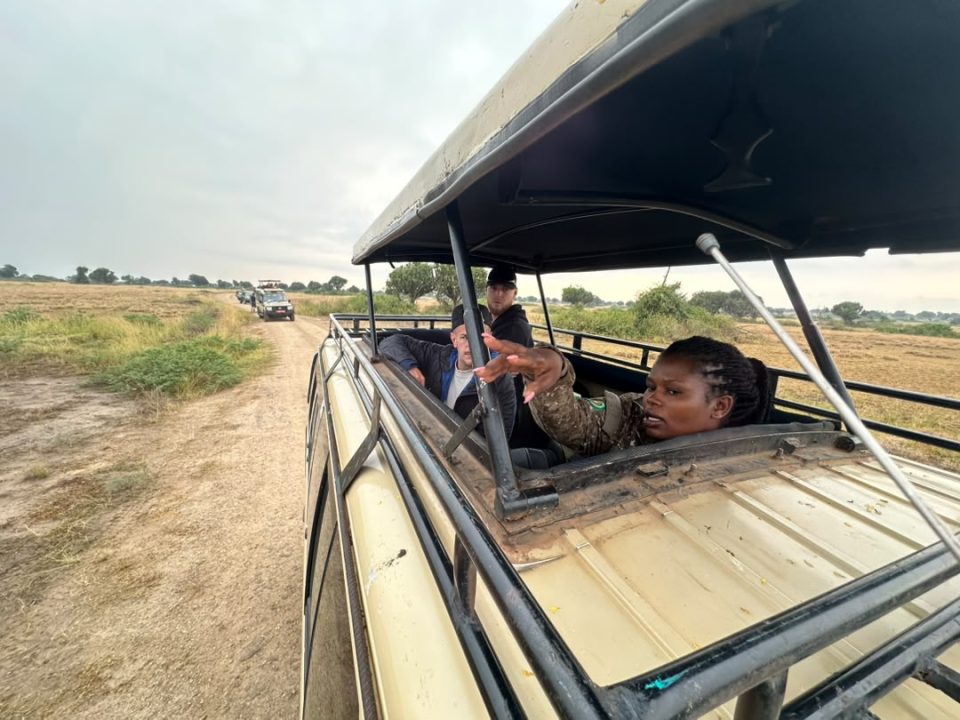
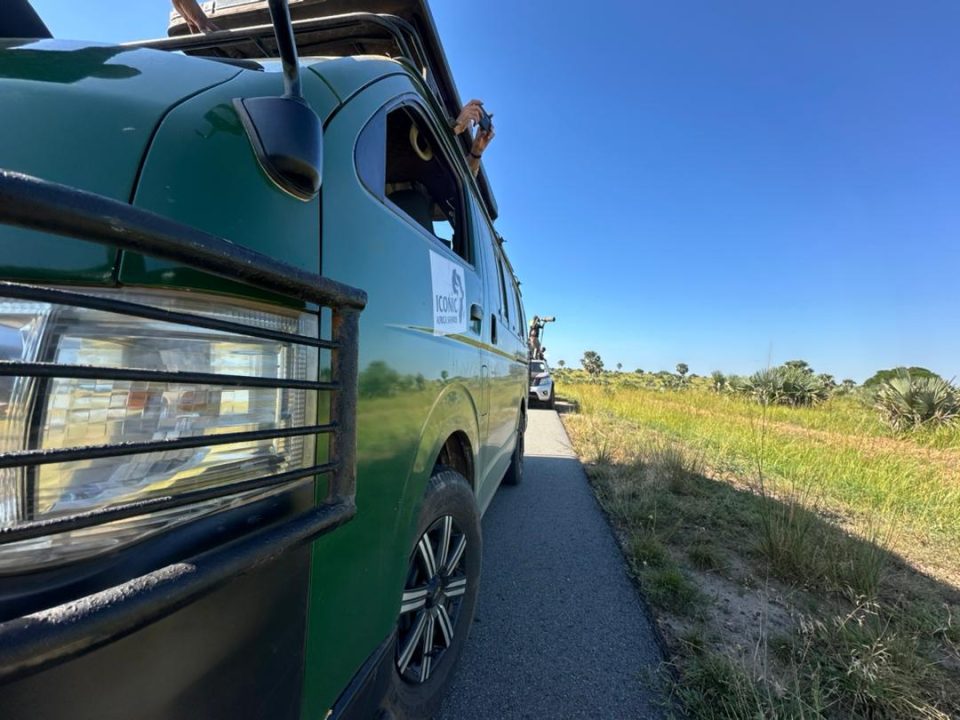
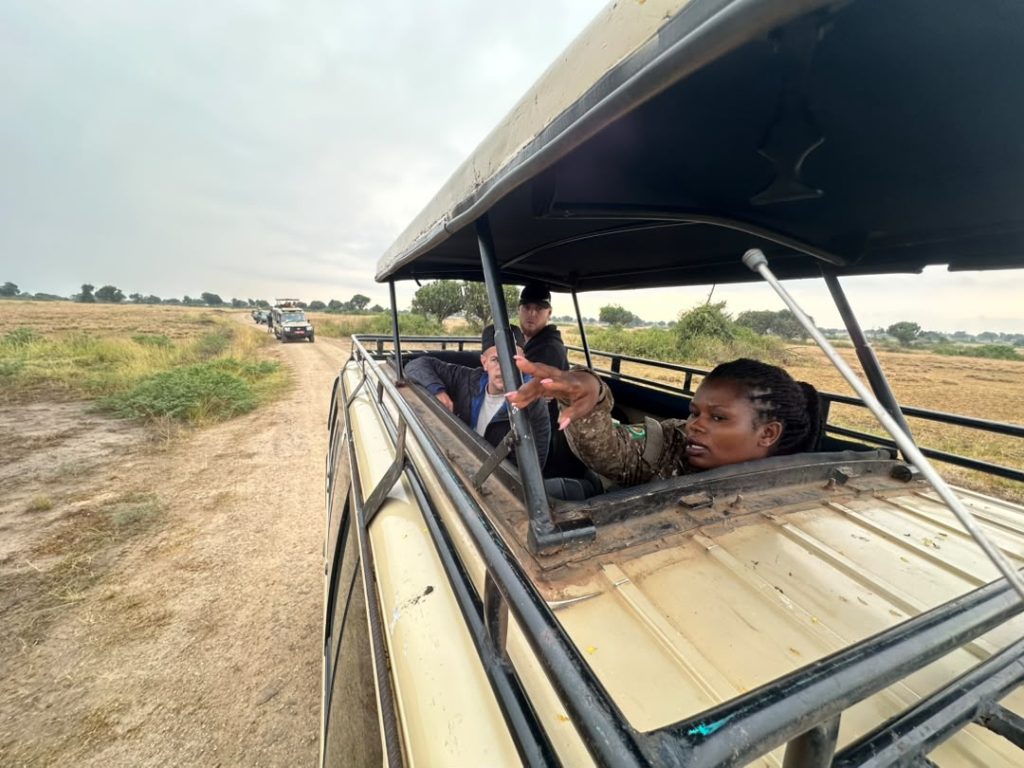
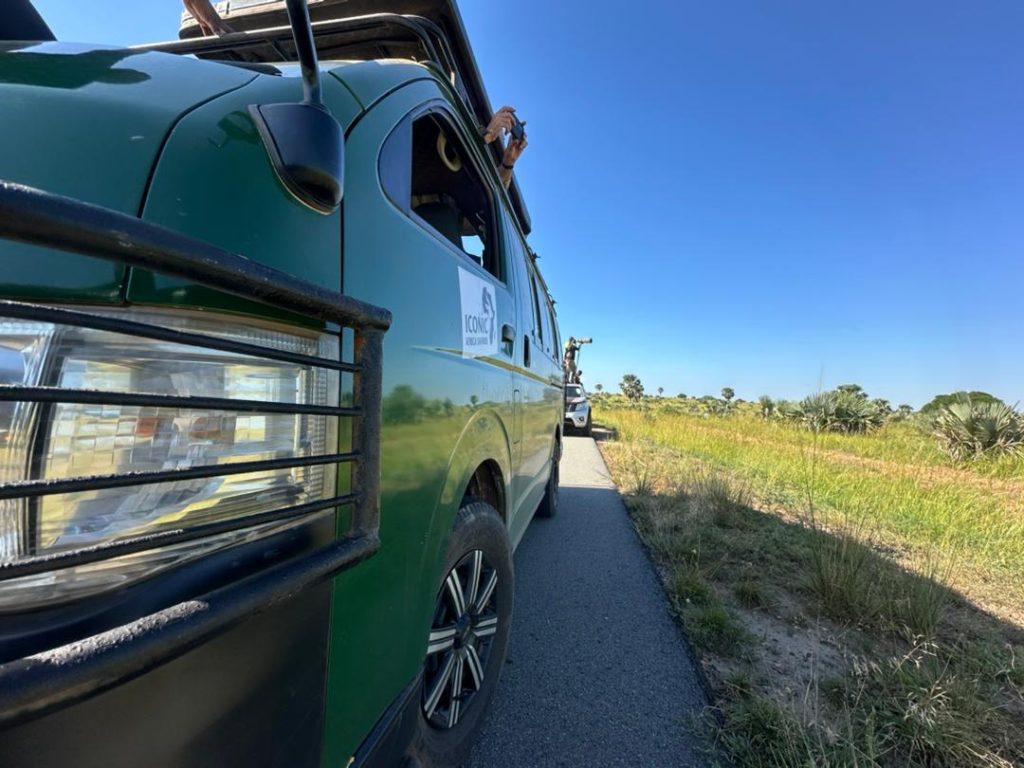
We also apply this thinking to game drives and other wildlife viewing on itineraries that extend beyond primate trekking, such as our 3-Day Akagera Game Drive Safari. We instruct our drivers to maintain respectful distances from wildlife, avoid off-road driving that damages habitat, and resist pressure to get unnecessarily close for a better photograph at the expense of animal welfare. We believe this consistency across every wildlife activity we offer, not just the most high-profile gorilla trekking component, reflects a genuine underlying philosophy rather than a policy applied selectively to our most marketed activity.
Supporting Rwanda’s Conservation Model Alongside Uganda’s
While much of our business runs through the Kigali-to-Bwindi corridor into Uganda, we’re equally committed to supporting Rwanda’s own conservation tourism model when we run Rwanda-based itineraries. Rwanda’s higher permit pricing reflects a different but equally legitimate approach to funding conservation, and we try to help travelers understand this distinction rather than simply steering everyone toward the lower-cost Uganda option by default.
We believe genuinely responsible tourism in this region means supporting both countries’ conservation systems rather than optimizing purely for the lowest-cost trekking option, since both funding models contribute to the same interconnected Virunga Massif ecosystem and the same shared mountain gorilla population. Reading about Volcanoes National Park’s approach to conservation funding alongside Uganda’s own model gives useful context for why we present both options honestly rather than defaulting to whichever generates a lower quoted price.
Our Approach to Family and Group Travel Responsibility
We take particular care with family and group itineraries, since these trips often involve a wider range of ages, fitness levels, and interests than a typical solo or couple’s itinerary. We try to structure family trips around gorilla trekking’s minimum age requirement thoughtfully, suggesting age-appropriate alternative activities for younger travelers rather than treating this restriction as an inconvenience to work around.
For larger groups, we try to match vehicle and guide capacity appropriately, avoiding overcrowded vehicles that compromise comfort and safety, and we consider group dynamics when suggesting gorilla permit sector assignments, since mixed-fitness groups benefit from being matched to appropriately moderate trekking sectors rather than the most remote or physically demanding option available. You can explore our dedicated group tour departures if you’re planning a larger family or friend gathering around this kind of trip.
What We Ask of Our Travelers
Responsible tourism, as we see it, isn’t something we can deliver unilaterally; it requires genuine partnership with the travelers who book with us. We ask travelers to communicate honestly about fitness levels and any health concerns before trekking day, to follow ranger and guide instructions promptly during wildlife encounters, and to approach communities and cultural visits with genuine curiosity and respect rather than a purely transactional mindset.
We also ask travelers to ask us hard questions before booking, about local hiring, community partnerships, environmental practices, and pricing transparency, since we believe an operator that welcomes scrutiny is more likely to be one genuinely living up to its stated values. We think this two-way accountability, between what we commit to and what we ask of travelers in return, is what actually makes a trip responsible in practice, not simply a values statement on one side. Comparing how thoroughly other regional operators address this same two-way relationship, such as through a 3 Days Uganda Gorilla Safari from Rwanda itinerary description, is a reasonable way to see how consistently this expectation is communicated across the industry.
How Travelers Can Partner With Us on Responsible Trips
We see responsible tourism as a genuine partnership between operator and traveler, not something we can deliver entirely on our own regardless of how a trip is booked. We encourage travelers to ask us direct questions before booking, about local hiring, community partnerships, environmental practices, and permit sourcing, and we try to answer these questions thoroughly rather than defensively.
We also encourage travelers to bring the same thoughtfulness to their own behavior during the trip, following trekking etiquette carefully, treating guides and porters with genuine respect, and approaching communities with curiosity rather than a purely transactional mindset. We believe a trip becomes genuinely responsible through this combination of operator practice and traveler behavior together, and we try to set that expectation clearly from the first conversation we have with a prospective traveler.
How We Handle Feedback and Continuous Improvement
We don’t consider our responsible tourism approach a finished project; we treat it as an ongoing practice that should improve as we learn more, receive traveler feedback, and observe changing conditions across the parks and communities we work in. We take traveler feedback about our guides, our lodge selections, and our overall trip execution seriously, and we try to act on constructive criticism rather than treating it defensively.
We also try to stay informed about evolving best practices in conservation tourism more broadly, from updated trekking protocols issued by park authorities to emerging thinking about community partnership models, and to adjust our own practices accordingly rather than assuming what worked five years ago remains the right approach today. If you’ve traveled with us and have specific feedback about how we could improve on any of the commitments described throughout this page, we genuinely want to hear it through our contact page.
Our Approach to Emergency Preparedness and Traveler Safety
Responsible tourism, in our view, also includes genuine preparedness for the unexpected, since a trip that compromises traveler safety in pursuit of an ambitious schedule isn’t one we consider well-run, regardless of how smoothly it goes on a good day. We try to build realistic buffer time into our itineraries around border crossings, long drives, and physically demanding activities, rather than the tightest theoretically possible schedule.
We also encourage every traveler to carry comprehensive travel insurance covering trekking activities and medical evacuation, and we try to be transparent about current regional conditions, road quality, weather patterns, any relevant travel advisories, rather than downplaying legitimate concerns to close a booking. We believe a trip that’s genuinely safe and well-prepared for is also, by definition, a more responsible one, since rushed or under-prepared trips tend to produce worse outcomes for travelers, guides, and the communities and wildlife encountered along the way alike. Reviewing our terms and conditions gives a sense of how we structure cancellation and safety-related policies specifically.
Measuring Our Impact Over Time
We recognize that responsible tourism claims are only meaningful if they can be examined and questioned over time, not simply asserted once and left unexamined. We’re working to develop clearer ways of tracking and sharing the practical outcomes of the commitments described throughout this page, our local hiring patterns, our community partnership activity, and traveler feedback specifically related to these practices, so that our claims can be evaluated against genuine evidence rather than taken purely on faith.
We recognize this is an area where we, like much of the regional tourism industry, have room to grow in transparency and measurement. In the meantime, we welcome direct questions from travelers about specific aspects of our practice, and we think comparing our answers against how other established operators in the region, such as those describing their wildlife safaris offerings, address similar questions is a reasonable way for travelers to calibrate how seriously any individual operator, including us, takes these commitments in practice rather than in marketing language alone.
Our Itineraries Built Around Responsible Tourism Principles
The principles described throughout this page shape every itinerary we offer, from the 2 Days Rwanda to Uganda Gorilla Trekking Safari for travelers with limited time, through longer options like the 5-Day Gorilla Trekking Safari from Kigali to Uganda and our full range of Uganda safari packages and Rwanda safaris. We try to apply the same standard of transparent pricing, thoughtful pacing, and community and conservation consideration regardless of trip length or budget category.
We invite you to apply the specific criteria described throughout this page to any itinerary you’re considering with us, and to ask us directly how a given trip reflects these principles in practice. You can review our terms and conditions, browse our group tour departures, or read more about our team as you evaluate whether our approach fits what you’re looking for in a responsible tourism partner.
Frequently Asked Questions About Our Responsible Tourism Approach
How do you ensure my gorilla permit fee genuinely reaches conservation authorities? We book permits directly and transparently through the appropriate park authority, Rwanda Development Board or Uganda Wildlife Authority, and confirm your specific permit details rather than simply assuring you it’s arranged, so you can see exactly how your fee is allocated.
Do you prioritize local guides and staff on your itineraries? Yes, we prioritize hiring guides, drivers, and support staff from the communities our routes pass through wherever possible, believing that local expertise and genuine community stake in tourism’s success both improve trip quality and support the broader conservation model this page describes.
How do you choose which lodges to include in your itineraries? We look beyond star ratings to consider a property’s local hiring practices, environmental approach, and relationship with surrounding communities, and we’re happy to discuss the specific reasoning behind any lodge recommendation if you ask us directly.
Can I ask you specific questions about your responsible tourism practices before booking? Absolutely, we welcome this. Reach out through our contact page with any specific questions about local hiring, community partnerships, environmental practices, or permit sourcing before you commit to a trip.
How does responsible tourism affect the price of my trip? We believe transparent, responsible practices, fair wages, genuine community partnerships, properly maintained vehicles, are reflected honestly in our pricing rather than cut to offer an artificially low headline rate that later reveals hidden costs or compromises elsewhere in the trip.
Do you offer the same responsible tourism standards on Rwanda-only and Uganda-crossing itineraries? Yes, we try to apply the same underlying principles, transparent permit sourcing, thoughtful pacing, and community consideration, regardless of which country or combination of countries your specific itinerary covers, whether that’s a Rwanda-focused trip or one that also draws on Uganda’s gorilla safaris offerings via the Cyanika crossing.
How can I verify your responsible tourism claims before booking? We welcome direct, specific questions before you commit to a trip, and we encourage comparing our answers against how other operators in the region address similar questions, including checking their own about us pages and reaching out through their contact page for comparison, so you’re evaluating our claims against a genuine industry benchmark rather than taking any single company’s word alone.
For Regional Context: How Other Operators Approach Responsible Tourism
We believe travelers benefit from comparing how different operators across the region approach responsible tourism, rather than taking any single company’s self-description at face value, including our own. Reviewing how other established operators describe their gorilla safaris and community engagement, such as through a 3 Days Rwanda Gorilla & Culture itinerary, gives useful context for what responsible practice can look like across the broader industry, not just within our own offerings.
We also encourage travelers researching destinations directly, independent of any single operator’s marketing, through resources like the Bwindi Impenetrable National Park, Volcanoes National Park, and Mgahinga Gorilla National Park destination guides, since understanding a destination’s conservation context independently helps travelers ask sharper, more specific questions of any operator they’re considering, us included. We think this kind of independent research, alongside browsing options like wildlife safaris across the region, produces better-informed travelers and, ultimately, a healthier industry overall.
Our Long-Term Commitment to This Region
We think of our relationship with the Kigali-to-Bwindi corridor, and the wider Rwanda and Uganda landscape we operate in, as a long-term one rather than a series of transactional trips. This shapes how we think about investment, in staff training, in community relationships, in vehicle maintenance, differently than an operator focused purely on maximizing short-term booking volume might. We’d rather build durable relationships with the communities, lodges, and conservation authorities we work with than optimize for the lowest possible cost on any single trip.
We recognize that this region faces genuine long-term challenges, from climate pressure on fragile montane habitat to the ongoing work of ensuring tourism revenue reaches communities equitably, and we don’t think any single operator, including us, has these challenges fully solved. What we can commit to is staying engaged with these questions honestly, rather than treating our responsible tourism obligations as complete once a values page like this one is published. We think travelers researching options across the region, whether reading about Nyungwe Forest National Park or comparing our own destination guides, benefit from operators who engage with this complexity honestly rather than offering only reassurance.
Final Thoughts: Join Us in Traveling Responsibly
Responsible tourism, for us, isn’t a page we publish once and file away; it’s a standard we try to hold ourselves to on every itinerary, every permit we book, every guide we assign, and every lodge we recommend. We know we won’t get every detail perfect on every trip, but we’re committed to being transparent about our approach and genuinely responsive when travelers ask us hard questions or push us to do better.
If the principles described on this page matter to how you choose a tour operator, we’d welcome the chance to earn your trust directly. Explore our 3-Day Bwindi Gorilla Safari Starting from Kigali or get in touch with us to ask any question on this page in more detail before you book your trip with us.