- EXPERT'S HELP
- +256789210067
- +256200955001
- info@kenlinktours.com


Sustainable Tourism in Uganda
August 15, 2026Our Responsible Tourism
August 15, 2026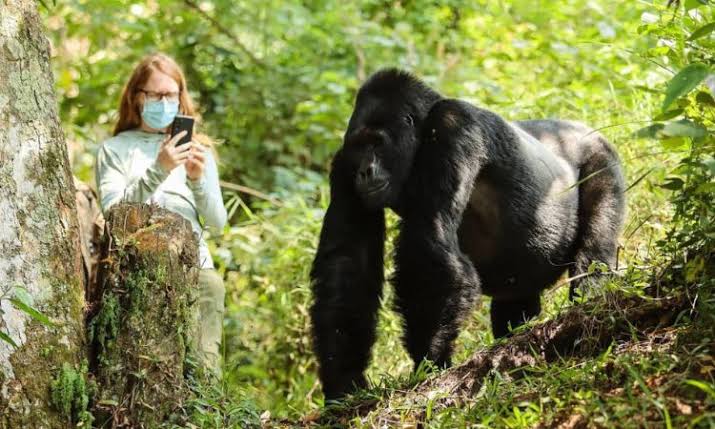
Sustainable Tourism with Gorilla Trekking. Every rule enforced during a gorilla trek, the eight-person group limit, the seven-meter distance, the strict one-hour time cap, exists for a specific, scientifically grounded reason: to let humans witness mountain gorillas up close without threatening the very population that recovery has taken decades to rebuild. Gorilla trekking isn’t simply wildlife tourism that happens to be well-regulated; it’s arguably the clearest working model of sustainable tourism anywhere on Earth, a system where the protocols followed on trekking day are directly, measurably tied to a species’ survival.
This guide focuses specifically on how gorilla trekking itself, the actual mechanics of the experience across both Rwanda and Uganda, functions as sustainable tourism in practice: the habituation process, the rules and why they exist, how permit economics fund conservation differently in each country, and what responsible trekkers can do to strengthen rather than undermine this system. Whether your trek departs toward Rwanda’s Volcanoes National Park or crosses the border for Uganda’s Bwindi via a 3-Day Bwindi Gorilla Safari Starting from Kigali, understanding these mechanics changes how the experience feels from the inside.
Gorilla Trekking as the World’s Clearest Example of Sustainable Tourism
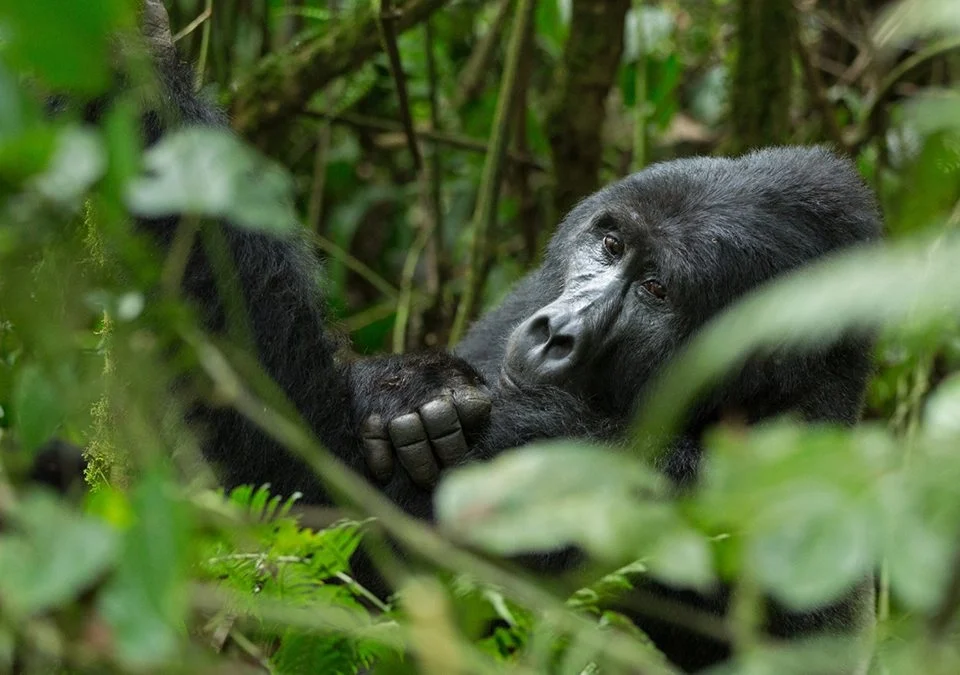
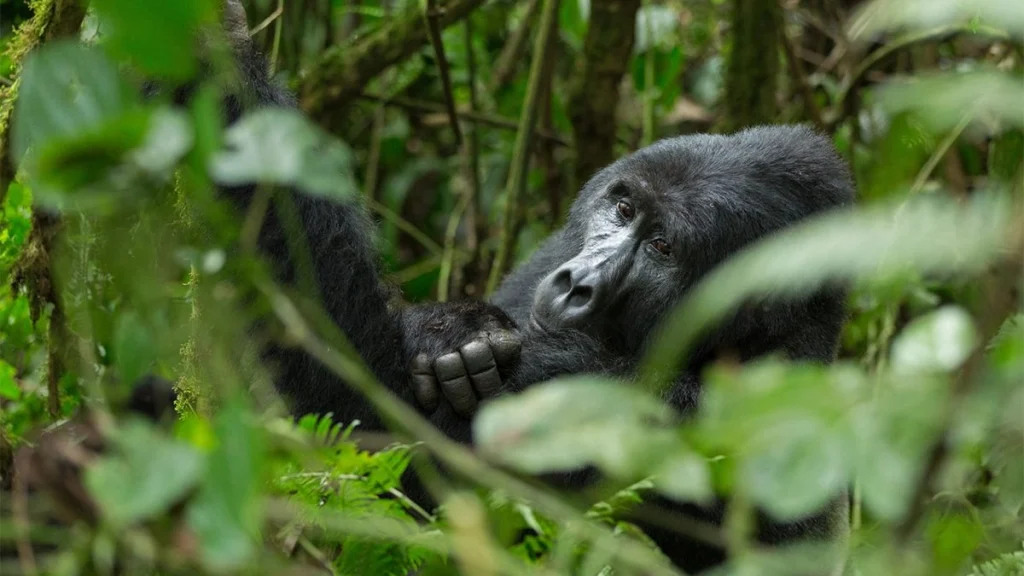
Few wildlife tourism activities anywhere in the world offer as direct and measurable a link between visitor spending and conservation outcome as mountain gorilla trekking. The population’s trajectory tells the story plainly: fewer than 250 individuals remained in the 1980s, and today, more than 1,000 mountain gorillas live across the Virunga Massif (spanning Rwanda, Uganda, and the Democratic Republic of Congo) and Uganda’s separate Bwindi population, the only great ape species currently increasing in number rather than declining.
This recovery didn’t happen by accident or through conservation funding alone; it happened because trekking tourism created a direct financial incentive to protect gorillas rather than exploit the land and resources around them. Every permit purchased, every ranger salary funded, every community that benefits from tourism rather than poaching or habitat conversion, forms part of a single, interlocking system. Understanding this system in detail is what separates trekking as a checklist bucket-list item from trekking as genuine participation in one of conservation’s most significant achievements.
How the Habituation Process Balances Access and Protection
Before any gorilla family can be trekked by tourists, it undergoes a habituation process, a gradual, carefully managed period, typically two to three years, during which researchers and trackers expose the family to consistent, non-threatening human presence until the gorillas no longer react to visitors with fear or aggression. This process is itself a case study in balancing tourism access against animal welfare, since rushing habituation risks lasting behavioral disruption, while a properly paced process produces a family that can tolerate regulated visitor contact without chronic stress.
Not every gorilla family in Bwindi or Volcanoes National Park is habituated for tourism; a portion remain designated purely for research purposes, deliberately kept away from regular human contact to preserve a baseline population unaffected by tourism-related habituation. This dual approach, some families available for trekking, others reserved for research, reflects a deliberate conservation strategy rather than simply maximizing the number of trekkable families for revenue purposes alone.
The Rules That Make Every Trek Sustainable
The specific rules enforced during every gorilla trek, in both Rwanda and Uganda, exist because decades of primatology and conservation science have identified precisely which behaviors put habituated gorilla families at risk. These aren’t arbitrary bureaucratic requirements; each rule maps to a specific, documented risk, disease transmission, behavioral stress, habitat disturbance, that scientists and park authorities have identified through sustained observation of habituated families over time.
Understanding the reasoning behind these rules, rather than simply following them because a ranger says so, meaningfully changes how trekkers experience the encounter itself. A trekker who understands why they’re being asked to stay quiet, keep their distance, and avoid direct prolonged eye contact with a silverback approaches the experience with genuine respect for what’s actually happening, a carefully managed interaction between two species that share roughly 98 percent of their DNA, rather than treating it as simply an exciting photo opportunity.
Why Group Size Is Capped at Eight Trekkers
Both Rwanda and Uganda limit gorilla trekking groups to a maximum of eight visitors per habituated family per day, a figure derived directly from research into stress responses and disease transmission risk in habituated gorilla populations. Smaller groups mean less cumulative noise, movement, and general disturbance during the encounter, and they meaningfully reduce the number of potential disease vectors present during any single visit.
This cap also has a secondary, less obvious sustainability function: by limiting daily visitor numbers per family rather than expanding access indefinitely, park authorities preserve the scarcity that supports premium permit pricing, which in turn funds the broader conservation system this guide describes throughout. A trekking model built around unlimited visitor volume at lower individual prices would generate similar total revenue in theory, but it would almost certainly come at a measurable cost to gorilla welfare that the current capped-group model is specifically designed to avoid.
The Seven-Meter Rule and Why It Exists
Visitors are required to maintain a minimum distance of seven meters from gorillas at all times, a rule grounded specifically in disease transmission science. Mountain gorillas are susceptible to many human respiratory illnesses, and given how closely related the two species are genetically, diseases that cause mild symptoms in humans can pose serious, sometimes fatal risk to gorillas, who have no immunity to human-origin pathogens.
In practice, gorillas themselves aren’t bound by this rule and occasionally approach trekkers out of curiosity, particularly younger, more playful individuals, at which point rangers instruct visitors to back away slowly rather than the gorilla being expected to retreat. This distance requirement, alongside the requirement that anyone showing symptoms of illness skip their scheduled trek entirely, represents one of the most direct, medically grounded sustainability protections built into the entire trekking system, protecting the population from a risk that has, in documented cases elsewhere in primate conservation, caused serious population-level harm.
Health Protocols: Protecting Gorillas from Human Disease
Beyond the distance rule, both Rwanda and Uganda enforce broader health protocols specifically designed to protect gorilla populations from human-origin illness. Trekkers displaying symptoms of a cold, flu, or other communicable illness are asked to forgo their scheduled trek, a policy that can feel disappointing after months of planning and significant expense, but one that reflects a genuinely serious conservation priority rather than an overcautious formality.
Eating, drinking, and smoking are prohibited once trekkers are within the vicinity of a gorilla family, reducing both disturbance and any risk of food-related habituation that could alter natural gorilla behavior. Sanitation protocols around human waste disposal during treks, along with guidance about burying waste at a safe distance from trails, further reduce disease transmission pathways. Collectively, these protocols reflect an approach to tourism that treats animal welfare as a genuine operational priority rather than a marketing talking point layered onto an otherwise conventional wildlife tour.
Comparing Rwanda’s and Uganda’s Sustainable Permit Models
Rwanda and Uganda take meaningfully different approaches to permit pricing within the same broader sustainable tourism philosophy. Rwanda prices its standard gorilla permit at 1,500 US dollars per person, a deliberately high figure reflecting a strategy of maximizing per-visitor revenue while keeping total visitor numbers relatively low, generating substantial conservation funding without high trekking volume.
Uganda prices its equivalent permit meaningfully lower, at 800 US dollars for foreign non-residents, spreading a broader base of visitors across Bwindi’s larger number of habituated families and four trekking sectors. Neither approach is objectively superior; Rwanda’s model generates more revenue per visitor at lower volume, while Uganda’s model makes the experience more financially accessible while still generating substantial conservation funding through greater visitor numbers. Understanding this distinction helps explain why so many travelers, particularly those weighing a 3 Days Rwanda Gorilla Safari against a Uganda-crossing alternative, ultimately choose based on budget as much as destination preference.
How Permit Revenue Directly Funds Anti-Poaching and Ranger Work
Permit fees in both countries fund considerably more than the hour spent with the gorillas themselves. Ranger salaries, equipment, and ongoing training support daily patrols that monitor gorilla family health and behavior while deterring poaching activity that once posed the single greatest threat to the population’s survival. Veterinary intervention teams, funded substantially through tourism revenue, respond to injured or sick gorillas, treating snare injuries and monitoring disease outbreaks within habituated families.
This funding model creates a direct, self-reinforcing incentive structure: healthy, visible gorilla populations sustain tourism revenue, which funds the protection that keeps populations healthy and growing. It’s a genuinely elegant system when it works as designed, and understanding this connection is worth carrying with you on trekking day itself, since the rangers leading your trek are quite literally part of the infrastructure your permit fee directly funds.
The Population Recovery Numbers Behind the Model
The mountain gorilla’s recovery from fewer than 250 individuals in the 1980s to more than 1,000 today represents one of the most significant conservation success stories among all great ape species, most of which continue to face population decline. This recovery has occurred specifically during the decades in which trekking tourism scaled up substantially across Rwanda, Uganda, and the DRC, a correlation that conservation researchers broadly attribute to the direct funding relationship described throughout this guide, rather than coincidence.
It’s worth noting this recovery remains fragile and geographically concentrated; mountain gorillas exist only within this specific Virunga and Bwindi landscape, nowhere else on Earth, meaning localized threats, habitat pressure, disease outbreak, political instability affecting park operations, still carry outsized risk for the entire species. This context is part of why the specific rules and funding mechanisms covered throughout this guide matter as much as they do; the recovery, while genuinely remarkable, hasn’t reached a point where the underlying system can be taken for granted.
Porters, Guides, and the Local Economy of a Trekking Day
Beyond the permit fee itself, a trekking day generates direct local economic activity through porter fees, guide tips, and ranger support roles, income that flows to individuals living in communities immediately surrounding the parks. Hiring a porter, typically a modest daily fee, provides direct household income while offering practical trekking support, carrying gear and offering a steadying hand on steep or muddy terrain.
This local economic layer matters for sustainability in a way that’s easy to overlook amid discussions of permit revenue and conservation funding; it’s the most direct, immediate way trekking tourism reaches individual households rather than institutional conservation budgets. Choosing to hire a porter, even for trekkers confident in their own fitness and balance, is one of the simplest, most concrete ways to widen the economic benefit of your trekking day beyond the permit fee alone.
Sustainable Trekking Etiquette: What Responsible Trekkers Do Differently
Beyond following the formal rules, responsible trekkers bring a specific mindset to the experience that meaningfully affects its sustainability. Moving slowly and speaking quietly once near the gorilla family, resisting the urge to use flash photography (prohibited specifically because it can startle and stress the animals), and following ranger instructions immediately rather than questioning them in the moment, all reflect genuine respect for the fact that this is fundamentally an encounter on the gorillas’ terms, not a staged wildlife show.
Responsible trekkers also treat porters and guides with genuine respect and fair compensation, recognizing their role as skilled professionals rather than simply support staff. Bringing a mindset of curiosity and humility rather than pure consumption, treating the hour with the gorillas as a privilege rather than an entitlement purchased with a permit fee, shapes not just the individual experience but the broader culture that sustains responsible tourism across the entire trekking system.
Choosing a Sector or Family with Sustainability in Mind
Travelers sometimes don’t realize that their choice of trekking sector, or willingness to be flexible about which gorilla family they’re assigned, has its own sustainability dimension. Bwindi’s four sectors, Rushaga, Nkuringo, Buhoma, and Ruhija, each carry a different balance of visitor volume and habitat sensitivity, and rangers assign families based partly on managing overall pressure across the park rather than purely trekker convenience.
Being genuinely flexible about sector and family assignment, rather than insisting on a specific, heavily requested family, helps park authorities manage visitor distribution more sustainably across the full range of habituated families. This same principle applies to choosing between Rwanda’s Volcanoes National Park and Uganda’s Bwindi in the first place; spreading trekking demand across both countries’ populations, rather than concentrating it entirely in one location, supports a more balanced conservation funding model across the full Virunga and Bwindi landscape. Reading about Bwindi Impenetrable National Park’s sector structure alongside Volcanoes National Park gives a useful sense of how this distribution works in practice.
How Golden Monkey and Chimpanzee Trekking Extend the Same Model
The sustainable tourism principles underlying gorilla trekking extend to Rwanda and Uganda’s other primate trekking experiences as well. Golden monkey trekking in Rwanda’s bamboo forest operates under a similar, though less intensive, set of protective protocols, and permit revenue similarly funds habitat protection for this endangered species specifically. The 4-Day Rwanda-Uganda Golden Monkey and Gorilla Trekking package pairs both experiences, extending the same conservation-funding model across two threatened primate species on a single trip.
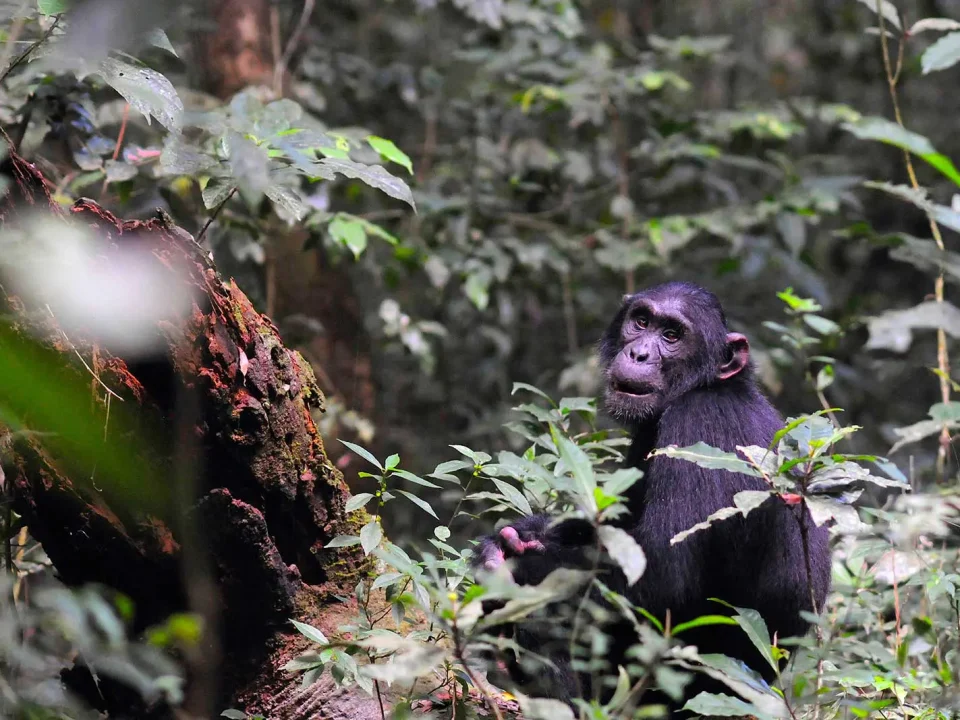
Chimpanzee tracking in Uganda’s Kibale Forest or Nyungwe Forest on the Rwanda side follows comparable principles, group size limits, distance guidelines, and health screening, adapted to chimpanzees’ more active, arboreal behavior. A 3-Day Chimpanzee Tracking Safari or the Rwanda-based equivalent through 3 Days Chimpanzee Tour in Uganda reflects how thoroughly this sustainable trekking model has been adapted across the region’s broader primate tourism economy, not just for gorillas specifically.
The Role of Cross-Border Trekking in Regional Conservation
Because mountain gorilla families sometimes range across the political boundaries separating Rwanda, Uganda, and the Democratic Republic of Congo, conservation authorities across all three countries coordinate on shared challenges, tracking cross-border family movements, aligning anti-poaching strategies, and managing the broader Virunga landscape as a connected ecological unit rather than three disconnected national systems.
This cross-border cooperation has a tourism parallel: travelers who trek in both Rwanda and Uganda on a single trip, an itinerary style reflected in the 5 Days Uganda Rwanda Double Gorilla Safari, spread conservation funding across the full range this population actually inhabits, rather than concentrating tourism revenue and its benefits in just one country’s park system. Reading about Mgahinga Gorilla National Park, which sits at the exact point where all three countries’ conservation areas meet, illustrates how genuinely interconnected this landscape is beneath the surface of separate national park designations.
The Science Behind Gorilla Stress Response Research
The specific numbers embedded in gorilla trekking protocols, the eight-person cap, the seven-meter distance, the one-hour limit, aren’t arbitrary figures chosen for convenience; they derive from sustained behavioral and physiological research into how habituated gorillas respond to human presence over time. Researchers have studied stress indicators, cortisol levels, behavioral changes, and disease incidence in habituated versus unhabituated gorilla groups to establish thresholds that allow tourism access without measurably compromising welfare.
This research continues on an ongoing basis, meaning trekking protocols aren’t fixed forever but adjust as new findings emerge about gorilla health and behavior. It’s a genuinely rare example of tourism policy being shaped continuously by scientific research rather than set once and left unchanged regardless of new evidence, a distinction worth appreciating as part of what makes this specific tourism model unusually rigorous compared to many other wildlife encounter industries worldwide. Reading about the destination-specific research infrastructure behind Volcanoes National Park, historic home to Dian Fossey’s foundational gorilla research, offers useful context for how deeply this scientific tradition runs in the region.
Comparing Trekking Sustainability to Other Wildlife Tourism Models
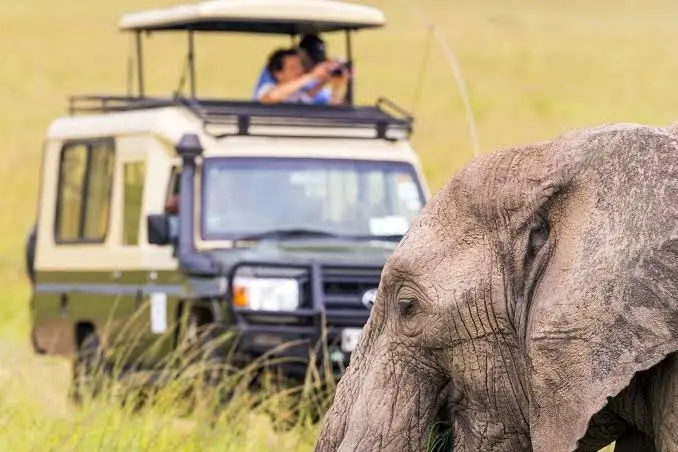
Gorilla trekking’s sustainability model stands out specifically because so many other wildlife tourism experiences worldwide struggle to align visitor volume with animal welfare in a comparably rigorous way. Elephant riding camps, captive big cat photo opportunities, and high-volume marine wildlife tours in various parts of the world have faced sustained criticism for prioritizing visitor throughput over animal welfare, often because the underlying economic model rewards volume rather than restraint.
Gorilla trekking’s deliberately capped, high-value structure inverts this incentive, restraint itself is built into the pricing and access model, rather than being an afterthought imposed on an otherwise volume-driven business. This comparison matters for travelers evaluating wildlife tourism more broadly; understanding what makes gorilla trekking’s model genuinely different helps develop the kind of critical eye worth applying to other wildlife encounters throughout a broader travel itinerary, including comparing it against Uganda’s own broader wildlife safaris offerings, most of which operate under less tightly capped access models given the different conservation dynamics of savanna and Big Five wildlife viewing.
How Climate Change Is Testing This Model
Mountain gorilla habitat, concentrated in a relatively narrow band of montane forest across the Virunga Massif and Bwindi, faces genuine long-term pressure from shifting climate patterns, changing rainfall timing, temperature shifts affecting vegetation composition, and increased pressure on surrounding agricultural land as local communities adapt to their own climate-related challenges. This represents a threat category the trekking-funded conservation model wasn’t originally designed around, and it’s testing the system’s adaptability in real time.
Conservation authorities across Rwanda, Uganda, and the DRC have begun incorporating climate resilience planning into broader gorilla habitat management, including habitat corridor protection that allows for potential future range shifts as vegetation zones respond to changing conditions. This is worth understanding honestly as an ongoing challenge rather than a solved problem; the tourism-funded model that drove the population’s remarkable recovery from the 1980s through the 2010s now faces a genuinely different category of long-term threat that funding alone may not fully address without complementary climate adaptation strategies specific to this fragile, geographically narrow habitat.
The Traveler’s Role in Long-Term Habitat Protection
Beyond the immediate trekking day itself, travelers who understand and appreciate this conservation system often become long-term advocates for it, sharing accurate information, supporting conservation organizations beyond their trip, and returning as repeat visitors who continue funding the model over years rather than a single visit. This longer-term engagement matters given the habitat pressures described above, since sustained conservation funding, not just a single spike in tourism revenue, is what genuinely protects a species facing multi-decade challenges.
Travelers interested in this deeper, ongoing engagement might consider supporting community-based tourism initiatives directly, staying informed about the region’s conservation challenges beyond their own trip, or simply sharing an accurate, nuanced understanding of how gorilla trekking tourism actually functions rather than a simplified version that treats the recovery as complete and permanent. Reviewing a well-documented itinerary like the 5 Days Best of Rwanda Primate Safari offers a useful sense of how operators increasingly build this broader conservation context into the trekking experience itself, rather than treating it as a footnote.
What Happens When Trekking Rules Are Broken
Park authorities in both countries take rule violations seriously, and understanding the consequences underscores how genuinely important these protocols are considered. Trekkers who ignore ranger instructions, approach gorillas beyond the permitted distance, or use flash photography despite warnings can be asked to leave the trek immediately, without refund, a policy that reflects the priority placed on gorilla welfare over any individual visitor’s experience.
Repeat or serious violations by operators, rather than individual trekkers, can result in more significant consequences, including restricted access to future permit allocations, a meaningful deterrent given how central trekking revenue is to a tour company’s business model. This enforcement structure, while sometimes frustrating for individual trekkers caught up in an overzealous rule interpretation, reflects a system genuinely designed to prioritize the gorillas’ wellbeing over visitor convenience, exactly the kind of trade-off that distinguishes genuine sustainable tourism from tourism that merely uses the language of sustainability.
How Your Choice of Operator Affects Trekking Sustainability
The tour operator coordinating your trek has real influence over how sustainably your specific trip unfolds, beyond the formal park rules that apply regardless of operator. Companies that clearly brief travelers on trekking etiquette before the trek itself, hire experienced local guides who model respectful behavior, and structure realistic, unhurried itineraries rather than rushing trekkers to fit an aggressive schedule all contribute to a more genuinely sustainable trekking experience.
It’s worth asking a prospective operator directly how they prepare trekkers for the experience, and how they’ve structured your specific itinerary’s pacing around the trek itself, questions any operator genuinely invested in responsible trekking will answer thoroughly. Comparing how thoroughly different companies describe their gorilla safaris preparation and briefing process is a reasonable way to gauge this commitment before booking.
How Trekking Sustainability Extends to Pre- and Post-Trek Days
The sustainability considerations covered throughout this guide don’t begin and end with the single hour spent with the gorillas; they extend into how the surrounding days of your trip are structured as well. A rushed itinerary that arrives exhausted the night before trekking day, or pushes straight from an international flight into a demanding hike, doesn’t just diminish your own experience, it can lead to less careful, more hurried behavior during the trek itself, precisely when calm, deliberate movement matters most.
Well-designed itineraries build in genuine rest before trekking day and unhurried time afterward to process the experience, rather than rushing straight to the next activity. This pacing philosophy underlies formats like the 2 Days Volcanoes Gorilla Trek from Kigali, which, despite its compact length, still builds in a proper arrival evening before the trek itself rather than compressing everything into a single frantic day. Reviewing how thoroughly an itinerary paces the days surrounding your trek, not just the trekking day itself, is a genuinely useful proxy for how seriously an operator takes the broader sustainability principles discussed throughout this guide.
Practical Steps for a More Sustainable Trekking Day
Beyond following the formal rules, a handful of practical choices meaningfully strengthen the sustainability of your specific trekking day. Hire a porter regardless of your confidence in your own fitness, both for direct local economic support and to reduce your own physical strain, which can otherwise lead to rushed, less careful movement near the gorilla family. Pack out everything you bring in, leaving no trace along the trail, and follow guidance on proper waste disposal if nature calls during a longer trek.
Communicate honestly with rangers about your health before the trek begins, rather than downplaying symptoms out of disappointment at potentially missing your scheduled date, and treat your guide’s and porter’s expertise with genuine respect throughout the day. These individually small choices, collectively applied by the thousands of trekkers who visit each year, meaningfully shape whether gorilla trekking tourism continues to function as the sustainable model it’s designed to be.
Sustainable Gorilla Trekking Itineraries from Kigali
Travelers wanting to build a trip that reflects the sustainability principles covered throughout this guide have several well-suited options departing from Kigali. The 3-Day Bwindi Gorilla Safari Starting from Kigali offers a focused, well-paced single-country trek, while the 6-Day Rwanda Adventures – Great Apes & Lake Kivu format builds in genuine rest days that reduce the rushed pacing that can otherwise compromise trekking day quality and decision-making.
For travelers wanting to spread their conservation contribution across both countries’ gorilla populations, the 5 Days Uganda Rwanda Double Gorilla Safari reflects the cross-border conservation model discussed earlier in this guide. Whichever format you choose, discussing the sustainability considerations covered throughout this guide directly with your operator when planning helps ensure your specific itinerary reflects these principles in practice, not just in theory.
Why Kenlink Tours Builds Trekking Trips Around These Principles
Kenlink Tours structures its gorilla trekking itineraries with the sustainability protocols discussed throughout this guide built into standard practice: thorough pre-trek briefings on trekking etiquette, realistic pacing that avoids rushing travelers through the experience, and transparent permit sourcing that ensures the full conservation-funding value of your permit reaches the appropriate authorities rather than being diverted through opaque intermediary arrangements.
Before booking, it’s worth browsing the full range of Rwanda safaris and Uganda safari packages, reading more about the team’s approach to responsible trekking, and reviewing the terms and conditions before finalizing your trip. Travelers interested in the industry’s approach to building local expertise may also find the tourism internship program in Uganda a useful window into how sustainable trekking infrastructure develops beyond the visitor-facing experience alone, and those planning ground logistics can review how far Bwindi is from Kigali or car hire options when structuring a well-paced, sustainably minded itinerary.
Frequently Asked Questions About Sustainable Gorilla Trekking
Why is the gorilla trekking group size limited to eight people? This limit, used across both Rwanda and Uganda, is based on research into stress responses and disease transmission risk in habituated gorilla families, balancing tourism access against genuine welfare considerations for the gorillas themselves.
Why can’t I get closer than seven meters to photograph the gorillas? The distance requirement exists primarily to reduce disease transmission risk, since gorillas share close genetic similarity with humans and can contract many human respiratory illnesses, sometimes with serious consequences given their lack of immunity to human-origin pathogens.
Does my permit fee really fund conservation, or is that just marketing? Permit revenue in both Rwanda and Uganda funds documented, verifiable conservation activity: ranger salaries, anti-poaching patrols, veterinary care for gorilla families, and community revenue-sharing programs, a funding model widely credited by conservation researchers with the mountain gorilla population’s genuine recovery.
Is it more sustainable to trek in Rwanda or Uganda? Both countries operate legitimate, well-regulated sustainable tourism models with different pricing philosophies, Rwanda’s higher-price, lower-volume approach versus Uganda’s more accessible pricing across a larger number of habituated families. Neither is inherently more sustainable; both fund genuine conservation outcomes.
What can I personally do to make my trek more sustainable beyond following the rules? Hire a porter, communicate honestly about your health before trekking, treat guides and rangers with genuine respect, minimize your environmental footprint on the trail, and choose an operator that demonstrably prioritizes responsible trekking practices in how they prepare and brief travelers.
How is a gorilla family selected for tourism versus kept for research only? Park authorities and researchers make this determination based on a range of factors including the family’s location, temperament, and the broader need to maintain some unhabituated groups as a scientific baseline, a decision made by conservation professionals rather than left to tourism demand alone.
Does climate change threaten the sustainability model that has supported gorilla recovery? Yes, to a degree the original model wasn’t designed around. Rising habitat pressure from shifting climate patterns represents an evolving challenge that conservation authorities are increasingly incorporating into long-term planning, alongside the trekking-funded protections that drove the population’s recovery over recent decades. Reading more about the operators running trips in this region and how they discuss these long-term conservation challenges is a reasonable way to gauge which companies engage with this topic honestly, alongside reaching out through a contact page with any specific questions before booking.
Final Thoughts: Every Trek Is a Small Act of Conservation
Gorilla trekking works as sustainable tourism not because of a marketing slogan, but because of a genuinely interlocking system: scientifically grounded rules that protect gorilla welfare, permit revenue that directly funds the rangers and veterinary care keeping the population healthy, and a scarcity-based pricing model that has allowed a critically endangered species to recover rather than decline. Every trekker who follows the seven-meter rule, hires a porter, and approaches the experience with genuine respect becomes a small, direct participant in that system.
Understanding this mechanics doesn’t just satisfy curiosity, it changes how the hour with the gorillas actually feels, transforming it from simply an exciting wildlife encounter into a tangible connection to one of conservation’s most significant ongoing achievements. If you’re ready to experience this system firsthand, explore the 3-Day Bwindi Gorilla Safari Starting from Kigali or get in touch to plan a trek built around the principles this guide has covered.