- EXPERT'S HELP
- +256789210067
- +256200955001
- info@kenlinktours.com


Which Companies offer Uganda Safaris from Kigali
August 15, 2026
Sustainable Tourism with Gorilla Trekking
August 15, 2026
Sustainable Tourism in Uganda. Every gorilla permit sold in Uganda does more than grant an hour with a wild mountain gorilla family, it funds ranger patrols, supports the communities living alongside the forest, and helps sustain one of conservation’s genuine comeback stories. Understanding how sustainable tourism actually functions in Uganda, not as a marketing buzzword but as a working economic and conservation system, helps travelers make more informed choices and appreciate the fuller impact of a trip that might otherwise feel like simply another item on a bucket list.
This guide covers how Uganda’s tourism model channels visitor spending into conservation and community development, what sustainable tourism looks like in practice across the country’s parks, and how travelers, including those beginning their trip in Kigali and crossing into Uganda for the gorillas, can make choices that genuinely support these systems rather than undermine them. Whether you’re booking a 3-Day Bwindi Gorilla Safari Starting from Kigali or planning a longer trip, this is the context worth understanding before you go.
What Sustainable Tourism Means in a Uganda Context
Sustainable tourism, broadly, means travel that maintains or improves the environmental, social, and economic conditions of a destination rather than depleting them. In Uganda specifically, this concept is unusually concrete and measurable, since the country’s flagship attraction, mountain gorilla trekking, is directly funded by tourism revenue in a way few other wildlife experiences worldwide can match so directly.
Rather than an abstract ideal, sustainable tourism in Uganda functions as a working system: permit fees fund park operations and ranger salaries, a share of park revenue returns to communities living adjacent to protected areas, and the overall economic incentive to protect wildlife rather than exploit it has measurably shifted as tourism income has grown. Understanding this system helps explain why responsible tourism choices, which operator you book with, which lodges you stay at, how you behave in the parks, genuinely matter beyond simply personal ethics.
Why Gorilla Trekking Is Uganda’s Flagship Sustainable Tourism Model
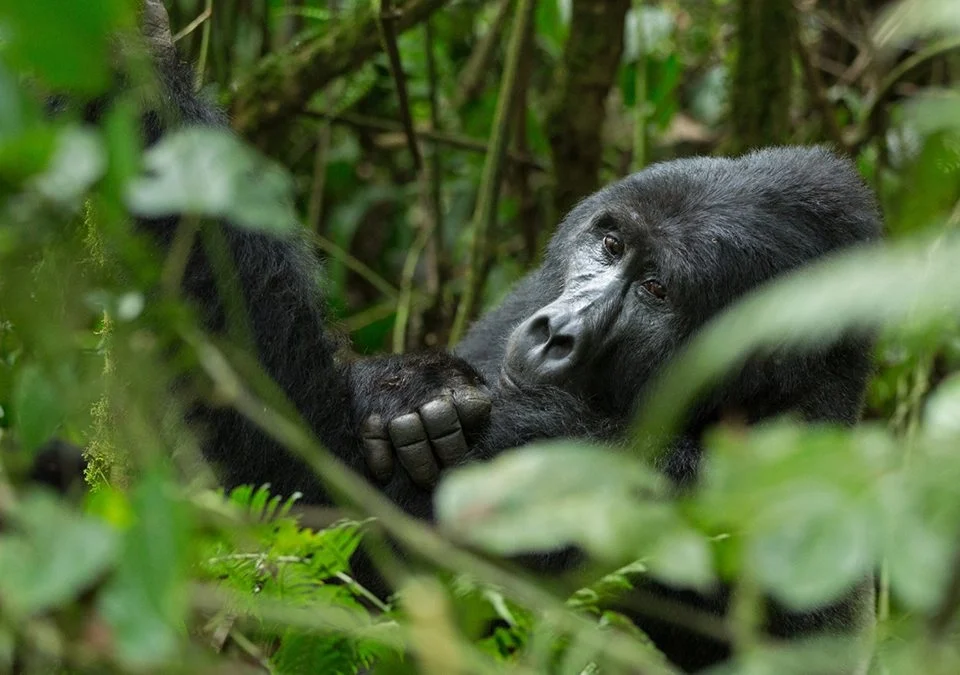
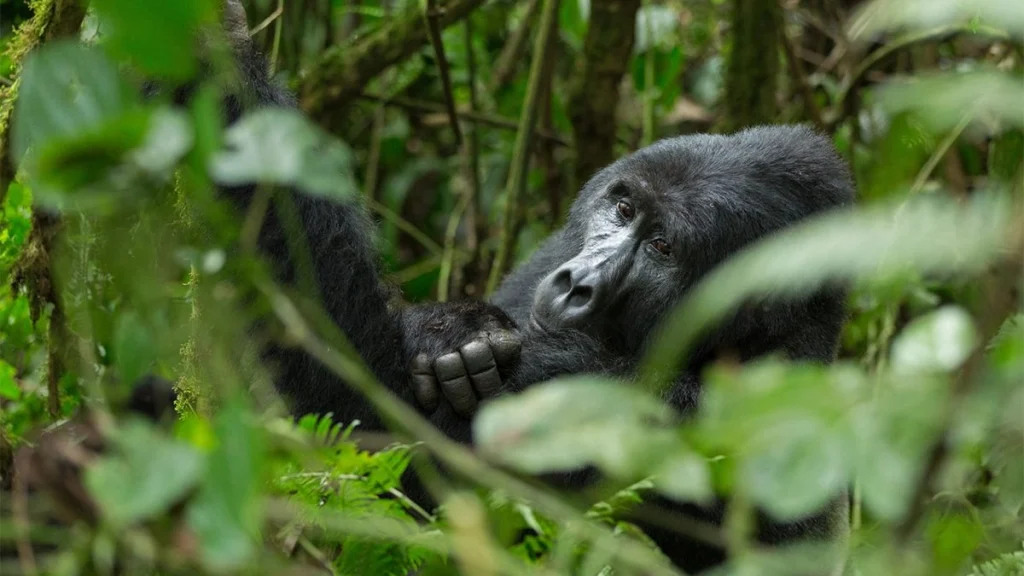
Mountain gorilla trekking stands as one of the clearest examples of tourism directly funding conservation success anywhere in the world. Uganda deliberately caps the number of trekking permits issued per gorilla family per day, currently eight visitors, a limit designed explicitly to minimize stress on the gorillas and reduce disease transmission risk, rather than maximizing visitor volume and short-term revenue.
This scarcity-based model, high per-permit value rather than high visitor numbers, has become a widely studied example of how limiting access can align conservation and tourism incentives rather than putting them in conflict. The result speaks for itself: mountain gorilla populations, once perilously close to extinction with fewer than 250 individuals recorded in the 1980s, have recovered to over 1,000 across the Virunga Massif and Bwindi combined, a recovery inseparable from the tourism revenue model that funds their ongoing protection.
How Gorilla Permit Revenue Funds Conservation
A Uganda gorilla trekking permit currently costs 800 US dollars for foreign non-residents, and that fee covers considerably more than the hour spent with the gorillas themselves. Permit revenue funds park entrance operations, ranger salaries and equipment, anti-poaching patrols, veterinary monitoring of gorilla family health, and broader Uganda Wildlife Authority conservation programs across the park system.
This funding model matters because it creates a direct, measurable link between tourist spending and conservation outcomes, rather than relying on external donor funding alone, which can fluctuate unpredictably. It’s worth understanding this connection as a traveler, since it reframes the permit cost, often the single largest expense of a gorilla trekking trip, as a direct conservation contribution rather than simply an entrance fee, a distinction worth appreciating fully during your trek itself.
Revenue-Sharing: How Tourism Money Reaches Local Communities
Beyond funding park operations directly, Uganda operates a revenue-sharing scheme that returns a portion of park entrance fees and permit revenue to communities living adjacent to protected areas like Bwindi. This system exists specifically to address a genuine tension in conservation tourism: communities bordering the forest often bear real costs from living near wildlife, crop damage from animals straying beyond park boundaries, restricted access to land once used for farming or gathering, while the broader benefits of tourism revenue can otherwise flow disproportionately elsewhere.
Revenue-sharing funds typically support community infrastructure projects, schools, health clinics, water access, and local development initiatives identified by the communities themselves rather than imposed from outside. While the specific proportions and mechanisms have evolved over the years and continue to be refined, the underlying principle, that communities living closest to the conservation area should see tangible benefit from the tourism it generates, remains a foundational part of how Uganda frames its sustainable tourism model.
The Batwa Communities and Cultural Tourism
The Batwa people, often described as the indigenous forest dwellers of the Bwindi and Virunga region, have a complex and important relationship with the land now designated as national park. Displaced from their traditional forest home when Bwindi was gazetted as a protected area, many Batwa communities have since become directly involved in tourism as a means of economic participation and cultural preservation.
A Batwa cultural visit, widely offered as an add-on to gorilla trekking itineraries, provides direct income to Batwa communities while offering travelers meaningful insight into traditional forest knowledge, music, and storytelling that predates the park’s establishment. Approaching these visits with genuine curiosity and respect, rather than treating them as a simple photo opportunity, matters considerably, and choosing operators who partner directly and transparently with Batwa-led organizations, rather than intermediaries who capture most of the value themselves, is one concrete way travelers can ensure their spending genuinely benefits this community.
Community-Based Tourism Initiatives Around Bwindi
Beyond revenue-sharing and cultural visits, a growing number of community-based tourism initiatives around Bwindi offer travelers additional ways to directly support local livelihoods. These include community-run craft cooperatives producing “forest-friendly” handicrafts, honey production and marketing initiatives that provide sustainable income alternatives to activities that might otherwise pressure the forest itself, and guided walks led by local community members sharing traditional knowledge of the surrounding landscape.
These initiatives matter because they extend the economic benefit of tourism beyond the direct permit and lodging economy, reaching households and small enterprises that might not otherwise see meaningful tourism income. Building one or two of these community-based activities into your itinerary, alongside the core gorilla trekking experience, both enriches your own trip and directly widens the circle of who benefits from your visit. Reading about the broader gorilla safaris landscape is a useful way to identify operators who actively build these community elements into their standard itineraries rather than treating them as an afterthought.
Eco-Lodges and Responsible Accommodation in Uganda
Accommodation choices represent another significant lever for sustainable tourism impact. A growing number of lodges near Bwindi and Uganda’s other parks have adopted genuinely meaningful environmental practices: solar power, rainwater harvesting, locally sourced building materials, and employment policies that prioritize hiring from surrounding communities rather than importing staff from major cities.
When comparing lodges, it’s worth looking beyond marketing language like “eco-lodge,” which isn’t a regulated or standardized term, and asking more specific questions: what percentage of staff are hired locally, how is waste managed, what’s the source of the property’s power and water. Properties that answer these questions readily and specifically tend to have genuinely integrated sustainability into their operations, while vague answers often signal that “eco” is being used primarily as a marketing term rather than a description of actual practice.
Ranger-Led Conservation and Anti-Poaching Efforts
The rangers who lead gorilla treks and patrol Uganda’s parks represent the frontline of the country’s conservation model, and their work extends well beyond guiding tourists. Daily monitoring of gorilla family health and behavior, anti-poaching patrols that have become increasingly sophisticated over the past two decades, and rapid response to any threats facing the gorilla population all fall under ranger responsibilities, largely funded by the tourism revenue discussed earlier in this guide.
This ranger-led model has been central to the mountain gorilla population’s recovery, and it’s worth appreciating the skill and local knowledge your trekking guide brings to your experience as part of this broader conservation infrastructure, not simply as a tour guide leading you through the forest. Tipping rangers and guides appropriately, a widely recommended practice covered in most trip planning guides, is itself a small but meaningful way to support this workforce directly.
The Mountain Gorilla Recovery: A Conservation Success Story
Mountain gorillas remain the only great ape species whose population trend is currently increasing rather than declining, a genuinely rare conservation achievement worth understanding in full context. From a low point of roughly 250 individuals in the 1980s, largely due to poaching, habitat loss, and civil conflict across the region, the population has recovered to over 1,000 individuals across Uganda’s Bwindi and Mgahinga, Rwanda’s Volcanoes National Park, and the Virunga side of the Democratic Republic of Congo.
This recovery reflects the combined effect of the tourism-funded conservation model described throughout this guide, sustained anti-poaching efforts, veterinary intervention for sick or injured gorillas, community revenue-sharing that reduces incentives for poaching or habitat encroachment, and international conservation partnerships. Understanding this trajectory transforms a gorilla trek from simply an exciting wildlife encounter into a chance to witness, and directly participate in funding, one of conservation’s most genuine success stories.
Sustainable Tourism Beyond Gorillas: Uganda’s Other Parks
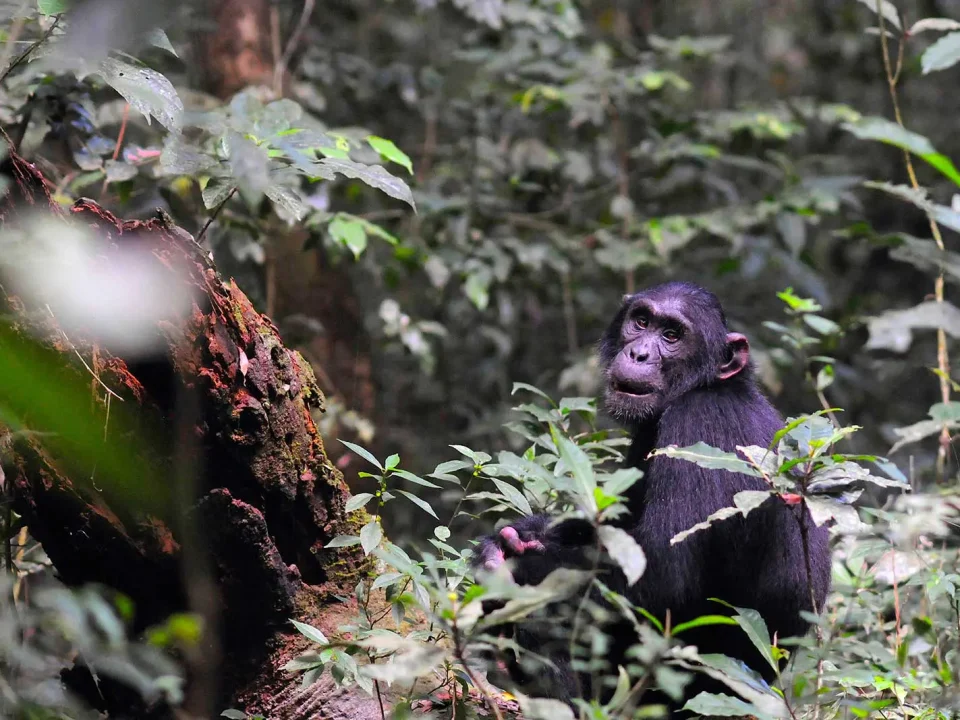
While gorilla trekking represents Uganda’s most visible sustainable tourism success, similar principles apply, with varying degrees of development, across the country’s other protected areas. Queen Elizabeth National Park’s community-run boat operations on the Kazinga Channel, Kibale Forest’s chimpanzee tracking revenue supporting surrounding communities, and Murchison Falls’ balance between tourism development and habitat protection all reflect the same underlying model of tourism revenue funding conservation and community benefit.
Nyungwe Forest National Park, reachable from Kigali via a scenic route, offers another strong example, canopy walkway revenue and chimpanzee tracking fees supporting both forest conservation and community programs in the surrounding Nyungwe landscape. Travelers extending their trip beyond Bwindi, perhaps via a 3-Day Nyungwe Forest National Park Tour or a 3-Day Akagera Game Drive Safari, extend this same sustainable tourism impact across a broader footprint of the region’s protected areas.
Comparing Sustainable Tourism Practices Across Uganda’s Neighboring Parks
While Bwindi and its gorilla trekking economy receive the most attention in discussions of sustainable tourism, it’s worth understanding how similar principles play out with varying degrees of maturity across Uganda’s other parks and neighboring Rwanda’s protected areas. Queen Elizabeth National Park has developed community-run boat operations and craft cooperatives around the Kazinga Channel that mirror Bwindi’s community-based tourism model, adapted to a savanna and wetland ecosystem rather than montane forest.
Rwanda’s own Volcanoes National Park operates under a broadly similar revenue-sharing philosophy, and reading about the Volcanoes National Park approach alongside Uganda’s Bwindi model highlights both the shared regional commitment to conservation-funded tourism and the specific differences in how each country structures its programs. Akagera National Park, Rwanda’s savanna reserve, offers a somewhat different case study, its own recovery story involving the reintroduction of lions and rhinos, funded partly through tourism revenue and partly through conservation partnerships, worth reading about through the Akagera National Park destination guide if you’re interested in how these models adapt across different ecosystems and recovery challenges.
What Genuine Sustainability Looks Like at the Lodge Level
Beyond the broad principles already discussed, it’s worth understanding what genuine sustainability practice actually looks like day to day at a well-run lodge, since this is where much of your trip spending and environmental footprint concentrates. Water conservation measures, low-flow fixtures, greywater recycling for gardens, and careful management of borehole or spring water sources, matter considerably in areas where local communities may also depend on the same water resources.
Waste management is another meaningful indicator; lodges that compost organic waste, minimize single-use plastics, and properly manage or repatriate non-biodegradable waste rather than burning or burying it locally demonstrate a genuinely different level of commitment than those that don’t address the question at all. Energy sourcing, solar power specifically, has become increasingly common and meaningfully reduces both cost and environmental impact over diesel generator reliance. When researching accommodation options through a resource like Bwindi Impenetrable National Park’s broader destination information, it’s worth cross-referencing specific lodge sustainability claims against these concrete practices rather than accepting general “eco-friendly” branding at face value.
How Choosing the Right Operator Supports Sustainable Tourism
The tour operator you choose has a meaningful, if sometimes underappreciated, effect on how much of your trip spending genuinely supports conservation and community development versus how much is captured by intermediaries with little local investment. Operators who hire local guides and drivers, partner directly with community-based tourism initiatives, and choose accommodation with genuine sustainability practices amplify your trip’s positive impact considerably compared to those focused purely on the lowest possible price point.
It’s worth asking a prospective operator directly about their approach to local hiring, community partnerships, and environmental practices, questions any operator genuinely invested in sustainable tourism will answer readily and specifically. Comparing how thoroughly operators like those offering a 3 Days Rwanda Gorilla & Culture itinerary integrate cultural and community elements into their standard offerings is a reasonable way to gauge genuine commitment versus surface-level marketing language.
Responsible Traveler Guidelines for a Uganda Safari
Beyond the systemic factors covered so far, individual traveler behavior matters considerably to sustainable tourism outcomes in Uganda. Maintaining the required seven-meter distance from gorillas, staying quiet and calm during treks, and following ranger instructions precisely all protect the gorillas’ health and behavior, since habituated families remain vulnerable to human diseases and stress-related behavioral changes.
Beyond the parks themselves, responsible behavior extends to how you interact with communities throughout your trip: asking permission before photographing people, dressing modestly outside resort settings, supporting local markets and cooperatives with fair purchases rather than aggressive bargaining that undermines already modest local incomes, and generally approaching the country with curiosity and respect rather than a purely transactional mindset. These habits, individually small, collectively shape whether tourism feels like a genuine partnership with the communities and landscapes you’re visiting or simply an extractive activity dressed up in eco-friendly language.
Wildlife Corridors and Cross-Border Conservation
Mountain gorillas don’t recognize the political boundaries drawn across the Virunga Massif, and gorilla families sometimes range across the borders separating Uganda, Rwanda, and the Democratic Republic of Congo. This ecological reality has driven a genuinely collaborative conservation model, with wildlife authorities across the three countries coordinating on shared challenges: tracking family movements across borders, aligning anti-poaching efforts, and jointly managing the broader Virunga landscape as a single ecological unit rather than three separate, disconnected park systems.
This cross-border cooperation extends into tourism itself, since travelers frequently cross between Uganda, Rwanda, and occasionally further afield to experience gorilla populations in multiple countries on a single trip, a pattern that spreads tourism revenue, and the conservation funding it generates, across the full range these gorilla families actually inhabit. Reading about how Mgahinga Gorilla National Park fits into this broader cross-border landscape, alongside Nyungwe Forest National Park’s own transboundary chimpanzee corridors, offers a useful window into how conservation planning increasingly transcends national boundaries in this specific region.
Certification and Standards in Sustainable Tourism
Various certification schemes and industry standards exist to help travelers identify genuinely sustainable operators and accommodations, though it’s worth understanding that certification alone doesn’t guarantee meaningful practice, and the absence of formal certification doesn’t necessarily indicate poor practice either, particularly among smaller, community-embedded operators who may lack the resources to pursue formal certification even while operating responsibly.
Rather than relying on certification logos alone, it’s worth combining any formal credentials a company holds with the direct, specific questions covered throughout this guide, local hiring practices, community partnerships, environmental practices at their partner lodges. This combined approach gives a more reliable picture than certification status alone, particularly in a region where formal certification infrastructure is still developing relative to more mature tourism markets. Comparing how an operator’s wildlife safaris offerings describe their sustainability practices in concrete, specific terms versus vague marketing language is a reasonable practical test.
The Economics of High-Value, Low-Impact Tourism
Uganda and Rwanda’s shared approach to gorilla tourism, deliberately limiting visitor numbers while maintaining high per-permit pricing, reflects a broader philosophy sometimes called “high-value, low-impact” tourism. Rather than maximizing visitor volume the way many mass-tourism destinations do, this model accepts fewer visitors in exchange for higher per-visitor revenue, reduced environmental pressure on fragile habitats, and a more exclusive, higher-quality experience for the travelers who do visit.
This approach has trade-offs worth acknowledging: it makes gorilla trekking financially inaccessible for many travelers who might otherwise wish to experience it, and it concentrates tourism benefit among fewer total visitor transactions. Proponents argue this trade-off is precisely what has allowed the mountain gorilla population to recover rather than face the habitat degradation and disturbance that higher-volume tourism might have caused, a genuinely difficult balance between accessibility and conservation that shapes pricing across this entire region’s tourism model.
How Volunteering and Longer Stays Support Uganda’s Tourism Economy
Beyond a standard gorilla trekking trip, some travelers choose to extend their stay through volunteering or educational programs connected to conservation and community development work in Uganda. These longer-format engagements, when arranged through reputable, transparent organizations rather than programs that primarily benefit the volunteer experience over genuine community need, can provide meaningful additional support beyond standard tourism spending.
Travelers interested in this deeper engagement should apply the same scrutiny recommended throughout this guide, asking specifically how a program’s fees are allocated, what genuine skill or resource gap the volunteer role addresses, and whether the organization has established, long-term relationships with the communities it serves. It’s worth reviewing the tourism internship program in Uganda as one example of how the industry itself works to build local capacity and skill development, a different but complementary approach to supporting sustainable tourism infrastructure compared to short-term volunteering.
Reducing Your Environmental Footprint While Traveling in Uganda
While international flights represent the largest single environmental cost of any trip to Uganda, largely unavoidable given the distances involved for most international travelers, there are meaningful ways to reduce your footprint once on the ground. Choosing lodges with genuine renewable energy and water conservation practices, minimizing single-use plastic where possible, carrying a reusable water bottle rather than relying on bottled water throughout the trip, and respecting park guidelines around waste disposal during treks all contribute meaningfully.
Ground transport choices matter too; a well-planned itinerary that avoids unnecessary backtracking, and a properly maintained vehicle suited to the specific route, reduces both fuel consumption and the wear that contributes to road degradation on routes like the Kigali-to-Bwindi corridor. None of these individual choices offset the larger footprint of long-haul international travel entirely, but collectively they reflect the kind of conscientious approach that aligns with the broader sustainable tourism principles this guide has covered.
Supporting Local Economies Through Your Spending Choices
Every dollar spent during a Uganda trip has a choice embedded in it: does it flow primarily to large, often foreign-owned businesses, or does it reach local guides, porters, craftspeople, and small enterprises directly. Hiring a porter on trekking day, a modest daily fee, is one of the clearest examples of a small spending choice with meaningful direct local impact, both supporting an individual livelihood and reflecting the broader principle that tourism revenue should reach the people whose land and labor make the experience possible.
Purchasing crafts directly from cooperatives or individual artisans rather than exclusively from airport gift shops, eating at locally owned restaurants when the itinerary allows, and tipping fairly and consistently throughout the trip all extend this principle further. None of these choices require significant additional planning or cost, but collectively they shift a meaningful share of trip spending toward the local economy that sustains the destinations you’re visiting.
The Role of Kigali-Based Travel in Uganda’s Sustainable Tourism Model
Many travelers reach Uganda’s gorillas via Kigali specifically because of the shorter overland journey and Rwanda’s excellent airport infrastructure, and this routing choice has its own sustainability dimension worth considering. The overland drive itself, rather than a domestic flight, generally carries a lower carbon footprint, and the route’s proximity to Rwanda’s own Volcanoes National Park means many travelers naturally extend their trip to include Rwanda-side conservation tourism as well, spreading tourism revenue and its conservation benefits across both countries’ protected area systems.
This cross-border tourism pattern has also encouraged greater cooperation between Rwanda and Uganda’s conservation authorities on shared challenges like transboundary gorilla family movement and coordinated anti-poaching efforts across the wider Virunga landscape. Itineraries like the 4-Day Rwanda-Uganda Golden Monkey and Gorilla Trekking or the 5 Days Uganda Rwanda Double Gorilla Safari reflect this genuinely regional approach to conservation tourism, funding protection efforts on both sides of a shared, ecologically continuous landscape.
Challenges Facing Sustainable Tourism in Uganda
Sustainable tourism in Uganda, for all its genuine successes, faces real ongoing challenges worth understanding honestly rather than glossing over. Revenue-sharing mechanisms, while conceptually sound, don’t always reach the households bearing the most direct costs of living near protected areas as effectively as intended, and disparities remain between tourism’s overall economic scale and how proportionately its benefits reach the most affected communities.
Climate change poses a growing threat to montane forest ecosystems like Bwindi and the Virunga range, with shifting rainfall patterns potentially affecting both gorilla habitat and the agricultural livelihoods of surrounding communities. Balancing continued tourism growth, which brings both economic benefit and increased pressure on fragile ecosystems, remains an ongoing management challenge for Uganda Wildlife Authority and its conservation partners. Acknowledging these tensions honestly, rather than presenting sustainable tourism as a fully solved problem, gives a more accurate and ultimately more useful picture for travelers genuinely interested in responsible travel.
How Travelers Can Ask the Right Questions Before Booking
Given everything covered in this guide, travelers genuinely interested in supporting sustainable tourism in Uganda can apply a few concrete questions when researching and booking their trip. Ask prospective operators about their approach to local hiring and community partnerships, request specifics about which lodges they use and those properties’ environmental practices, and ask how they structure Batwa cultural visits or other community-based activities, direct partnership versus a generic add-on booked through an intermediary.
It’s also worth asking how an operator communicates responsible trekking guidelines to travelers before the trip itself, since a company that proactively explains distance requirements, illness protocols, and behavioral expectations demonstrates a genuine investment in protecting the gorillas rather than simply delivering a transaction. A direct conversation through a contact page is a reasonable way to gauge how thoroughly and thoughtfully a company engages with these questions before you commit to booking.
Sample Sustainable Itineraries from Kigali
Travelers wanting to build a trip that genuinely reflects the sustainable tourism principles covered throughout this guide might structure an itinerary around the 3-Day Bwindi Gorilla Safari Starting from Kigali, adding a Batwa cultural visit and choosing accommodation with demonstrated local hiring and environmental practices. Travelers with more time can extend into a broader circuit, combining gorilla trekking with Rwanda-side golden monkey trekking and a Lake Kivu stay, reflected in the 6-Day Rwanda Adventures – Great Apes & Lake Kivu format, spreading tourism benefit across multiple communities and conservation areas.
For travelers specifically interested in deeper community engagement, it’s worth asking your operator directly about adding a community-based tourism day, craft cooperative visits, honey production tours, or guided walks led by local community members, to any of these core itineraries, extending the trip’s positive impact well beyond the gorilla trekking day itself.
Why Kenlink Tours Prioritizes Sustainable Tourism
Kenlink Tours structures its Kigali-to-Bwindi itineraries with the sustainable tourism principles discussed throughout this guide built into standard practice: local guides and drivers, transparent permit sourcing that ensures full conservation-funding value reaches the appropriate authorities, and partnerships with community-based tourism initiatives around Bwindi rather than treating cultural visits as an afterthought.
Before booking, it’s worth browsing the full range of Uganda safari packages and Rwanda safaris, reading more about the team and their approach to responsible tourism, and reviewing the terms and conditions before finalizing your trip. Travelers interested in the broader tourism industry itself, including how the sector trains and develops local talent, may also find the tourism internship program in Uganda a useful window into how sustainable tourism infrastructure gets built from the ground up, beyond the visitor-facing side of the industry alone.
Frequently Asked Questions About Sustainable Tourism in Uganda
How much of my gorilla permit fee actually goes toward conservation? Uganda’s gorilla permit, currently 800 US dollars for foreign non-residents, funds park operations, ranger salaries, anti-poaching patrols, and a revenue-sharing scheme that returns a portion of park revenue to neighboring communities, though the precise breakdown has evolved over time and is best confirmed through official Uganda Wildlife Authority sources for the most current figures.
Does gorilla trekking tourism actually help the gorilla population, or does it stress the animals? Both effects exist simultaneously, which is precisely why strict rules, an eight-visitor cap per family, a mandatory seven-meter distance, and a one-hour time limit, exist to minimize stress while allowing the funding model that has supported the population’s genuine recovery to over 1,000 individuals.
How can I make sure my trip benefits local communities rather than just large tour companies? Ask prospective operators directly about local hiring, community partnerships, and how they structure cultural visits like Batwa community tours, and choose accommodation that can speak specifically to their local employment and environmental practices rather than relying on marketing language alone.
Are Batwa cultural visits ethical to include in my itinerary? When arranged through operators with genuine, transparent partnerships with Batwa-led organizations, these visits provide meaningful direct income and cultural preservation value. Approach them with the same respect and curiosity you’d bring to any cultural exchange, and ask your operator specifically how the visit is structured and compensated.
What’s the single most impactful sustainable choice I can make on this trip? Choosing an operator and accommodation genuinely committed to local hiring and community partnership, rather than focused purely on the lowest price, likely has the largest cumulative impact, since it shapes where the majority of your trip spending ultimately flows.
Is it more sustainable to trek gorillas in Uganda or Rwanda? Both countries operate broadly similar conservation-funded tourism models, and the more meaningful sustainability factor is typically which specific operator and lodge you choose within either country, rather than the country itself.
How do I find operators that partner directly with community organizations rather than working through intermediaries? Ask directly during your research phase and look for specifics rather than general claims; an operator with genuine partnerships can typically name the specific community organizations or cooperatives they work with, similar to how a well-documented 3 Days Rwanda Gorilla & Culture itinerary describes its cultural components with specific detail rather than vague references.
Are there ways to support sustainable tourism in Uganda without booking a full safari? Yes, purchasing crafts and products from verified community cooperatives, supporting conservation organizations directly through donations, and simply sharing accurate information about the region’s conservation tourism model all contribute, even for those not currently planning a trip themselves. Reviewing an operator’s about us page or reaching out through their contact page for more information is a reasonable way to learn more about specific community partnerships even before booking.
Does a higher-priced safari automatically mean it’s more sustainable? Not necessarily. Price reflects many factors, including luxury level, that aren’t directly tied to sustainability practice. The concrete questions covered throughout this guide, local hiring, community partnerships, environmental practices, are far more reliable indicators than price alone.
Can I offset the environmental impact of my flight to Uganda? Some travelers choose to purchase verified carbon offsets for their international flights as a complementary step, though this addresses only one part of a trip’s overall footprint and shouldn’t substitute for the on-the-ground responsible choices detailed throughout this guide.
Final Thoughts: Traveling Uganda Responsibly
Sustainable tourism in Uganda isn’t an abstract ideal layered onto an otherwise conventional safari industry, it’s a working system directly responsible for one of conservation’s clearest success stories, the recovery of the mountain gorilla population from the brink of extinction to a genuinely growing species. Understanding how permit revenue, community revenue-sharing, ranger-led conservation, and responsible traveler behavior fit together transforms a gorilla trek from simply an exciting bucket-list activity into meaningful participation in that ongoing success.
The choices that matter most are concrete and achievable: choosing an operator genuinely invested in local hiring and community partnership, following trekking guidelines carefully, supporting community-based tourism initiatives directly, and approaching the country and its people with genuine curiosity and respect. If you’re ready to plan a trip built around these principles, explore the 3-Day Bwindi Gorilla Safari Starting from Kigali or get in touch to build an itinerary that reflects the kind of responsible, sustainable travel this guide has covered.