- EXPERT'S HELP
- +256789210067
- +256200955001
- info@kenlinktours.com


How much is transfer from Kigali to Bwindi
September 15, 2026
Which Companies offer tours in Mgahinga National Park
September 16, 2026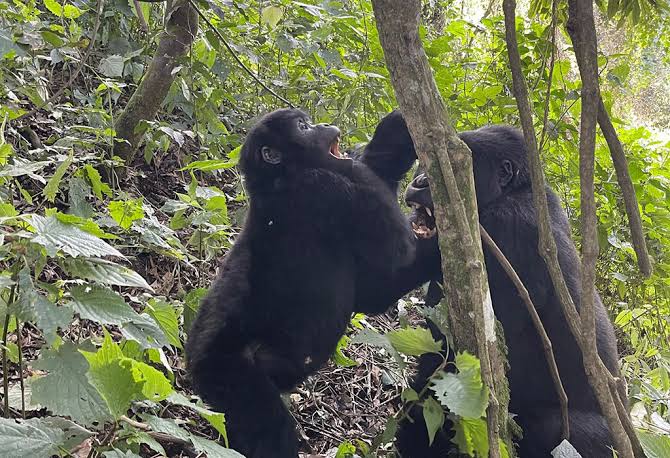
Gorilla Trek Companies in Rwanda. Few wildlife experiences on Earth compare to locking eyes with a 200-kilogram silverback in the misty bamboo forests of the Virunga Mountains. Rwanda has spent the last two decades turning that encounter into one of the best-run, most conservation-focused tourism experiences in Africa, and the gorilla trekking companies in Rwanda that organize it are a big reason why. Whether you are planning your first primate safari or comparing operators before you commit your travel budget, this guide walks you through everything: the permits, the park, the gorilla families, the costs, and how to choose a Rwanda-based tour company that will get you safely — and unforgettably — into the presence of the mountain gorillas.
At Kenlink Tours, we have built our reputation on organizing exactly this kind of trip, so this guide draws on what our guests actually experience on the ground in Musanze and Kinigi, the gateway towns to Volcanoes National Park.
Why Rwanda Is the World’s Premier Gorilla Trekking Destination
Rwanda is one of only three countries on the planet where you can trek endangered mountain gorillas in the wild, alongside Uganda and the Democratic Republic of Congo. What sets Rwanda apart is accessibility: Volcanoes National Park sits roughly two and a half hours by road from Kigali International Airport, meaning visitors can land in the morning and be trekking gorillas within 24 hours. Add Rwanda’s reputation for safety, clean infrastructure, and efficient park management, and it is easy to see why gorilla trekking companies in Rwanda report some of the highest client satisfaction rates in African tourism.
The country’s “Land of a Thousand Hills” scenery, terraced volcano slopes, and well-maintained roads make the journey itself part of the experience. Many travelers pair their trek with a night at Lake Kivu or a stop in Kigali, turning a single-day activity into a full Rwandan holiday.
What Gorilla Trekking Companies in Rwanda Actually Do
A reputable Rwanda gorilla trekking company does far more than sell you a permit. The best operators handle permit reservation with the Rwanda Development Board (RDB), private 4×4 transport with English-speaking driver-guides, park briefings, porter arrangements, accommodation booking near the park, and contingency planning if a trek needs to be rescheduled. Because permits are limited to eight visitors per gorilla family per day, working with an established company like Kenlink Tours also means your permit is secured well ahead of the peak season crunch, rather than risking a sold-out date.
Good operators also brief travelers thoroughly on trekking etiquette, altitude preparation, and what to pack, so that first-time visitors are not caught off guard by the physical demands of hiking at elevations between 2,400 and 3,000 metres.
Volcanoes National Park: The Heart of Rwanda’s Gorilla Trekking Experience
Volcanoes National Park, known locally as Parc National des Volcans, is a 160-square-kilometre protected area covering five of the eight Virunga volcanoes: Karisimbi, Bisoke, Sabyinyo, Gahinga, and Muhabura. Its bamboo forests, montane rainforest, and swampland create the ideal habitat for roughly a third of the world’s remaining mountain gorilla population. The park is also the former home of primatologist Dian Fossey, whose Karisoke Research Centre pioneered decades of gorilla conservation science that still underpins the strict trekking guidelines enforced today, from group size limits to the mandatory distance kept from every family.
Beyond gorillas, the park is also the base for golden monkey tracking, a lower-altitude, equally rewarding primate encounter that many companies bundle into a two-in-one Rwanda primate itinerary. Travelers researching the wider destination often cross-reference the Volcanoes National Park overview published by regional operators to understand the terrain before booking, and many also browse general gorilla safari options across the region to see how Rwanda itineraries compare to neighbouring Uganda.
Gorilla Trekking vs. the Gorilla Habituation Experience
First-time researchers often confuse standard gorilla trekking with the “gorilla habituation experience,” a separate activity offered across the border in Uganda’s Bwindi Forest that allows up to four hours with a semi-habituated family alongside researchers. Rwanda currently focuses exclusively on the standard one-hour trekking permit described above, which is shorter but generally involves less physically demanding terrain and a fully habituated, predictable family. Travelers who specifically want the longer habituation experience typically add it to a Uganda extension, such as a 2-day Uganda gorilla safari starting from Kigali, while comparing regional short gorilla safaris from Kigali helps clarify which experience fits a given travel schedule and budget.
How Much Does Gorilla Trekking Cost in Rwanda?
As of 2026, a Rwanda gorilla trekking permit costs US$1,500 per person for international visitors, a price set and collected by the Rwanda Development Board. The permit covers park entrance, an armed ranger escort, a professional guide, and up to one hour observing your assigned gorilla family once you locate them. It does not cover porter fees (roughly US$20–30, and money well spent to support the local community while someone else carries your bag up the volcano), gratuities for guides and trackers, accommodation, meals, or transport.
Travelers who combine their gorilla permit with at least two nights in another Rwandan national park — such as Nyungwe Forest or Akagera — during the November-to-May low season can qualify for a 30% discount on the permit price, a detail that a good gorilla trekking company in Rwanda will always flag when building your itinerary. Because permits are non-transferable and largely non-refundable, booking through an established operator such as Kenlink Tours protects you from the costly mistake of losing a permit to a date change or paperwork error.
Meet Rwanda’s Habituated Gorilla Families
Volcanoes National Park has twelve gorilla families habituated for tourism, each with its own personality, size, and territory across the Virunga slopes. The Susa Group, the very first family Dian Fossey studied, ranges high on Mount Karisimbi and is one of the largest and most physically demanding treks. Sabyinyo Group is led by Guhonda, believed to be the largest silverback in the wild, while Agashya (formerly Group 13) has been welcoming visitors since the 1970s and remains one of the most active families to observe.
Other well-known groups include Amahoro (“peace” in Kinyarwanda), Hirwa, Kwitonda, Umubano, Karisimbi, Ugenda, Bwenge — famous for its appearance in the film Gorillas in the Mist — and the newer splinter families Kwisanga and Pablo. Rangers assign trekkers to a family each morning based on fitness level and trekking preference, so an experienced Rwanda gorilla trekking guide will ask about your fitness honestly during pre-trek briefings rather than assuming everyone wants the toughest hike.
Best Time to Go Gorilla Trekking in Rwanda
Rwanda’s gorilla trekking season runs year-round, since the permit system caps daily visitor numbers regardless of month, but trail conditions vary considerably. The two dry seasons — June through September and December through mid-February — offer firmer, less muddy trails and are the most popular (and most heavily booked) months. The wetter months, particularly March, April, and November, bring lush green scenery, fewer crowds, and the discounted permit pricing mentioned above, though trekkers should expect muddier, more physically demanding hikes.
Because Volcanoes National Park sits at high altitude, rain is possible in any month, so a good rain jacket and waterproof daypack are non-negotiable regardless of when you book your 3-day Rwanda gorilla safari.
What a Day of Gorilla Trekking With a Rwanda Tour Company Looks Like
Trekking days begin early. Guests gather at the park headquarters in Kinigi by 7:00 a.m. for registration, a briefing from RDB rangers, and traditional Intore dancers who often perform before groups head out. Drivers then transport trekkers to the trailhead matching their assigned gorilla family, which can range from a 30-minute stroll to a strenuous four-hour climb through volcanic mud and stinging nettles.
Once trackers locate the family, visitors leave bags and walking sticks with porters and approach quietly in small groups, spending a strictly enforced hour photographing and observing the gorillas at a respectful distance. Afterward, groups hike back to the trailhead, receive a certificate from the RDB, and return to their lodge for a well-earned rest. Operators such as Kenlink Tours typically build a buffer day into itineraries so travelers are not rushing straight from the airport into a physically demanding trek.
Choosing the Right Gorilla Trekking Company in Rwanda: What to Look For
Not all operators are equal, and choosing poorly can mean overpaying, missing permit deadlines, or ending up with an inexperienced guide. Look for a company registered with the Rwanda Development Board and the Rwanda Tours and Travel Association, with transparent pricing that clearly separates the permit cost from service fees. Read reviews that specifically mention gorilla trekking (not just general safaris), and ask how many years the company has operated in the Volcanoes National Park region specifically.
A trustworthy operator will also be upfront about physical demands, offer flexible itineraries that combine trekking with Rwanda’s other national parks, and provide a dedicated point of contact throughout your trip rather than handing you off to a generic call centre. Comparing a few regional itineraries, such as the Rwanda gorilla tracking and cultural tour offered by other Kigali-based operators, can also help you benchmark pricing and inclusions before you book.
Why Kenlink Tours Is a Trusted Gorilla Trekking Company in Rwanda
Kenlink Tours has organized primate safaris across Rwanda and Uganda for years, and our Rwanda itineraries are built specifically around the realities of Volcanoes National Park: limited permits, variable trail conditions, and the need for honest fitness assessments before assigning gorilla families. Our 3-day Rwanda gorilla safari is our most requested Rwanda itinerary, while guests wanting a longer, more immersive trip often choose our 5-day Volcanoes, Akagera and wildlife safari or our 6-day Rwanda adventure combining great apes and Lake Kivu.
We also arrange car hire for self-drive travelers who prefer independence between Kigali and Musanze, and our team is reachable directly through our contact page for custom itinerary requests, last-minute permit availability checks, or questions about combining Rwanda with a Uganda gorilla extension.
Combining Gorilla Trekking With Other Rwanda and Uganda Adventures
Many travelers extend a Rwanda gorilla trek into a broader East African itinerary. Popular combinations include pairing Volcanoes National Park with golden monkey tracking in the same forest system, a game drive through Akagera National Park for Big Five sightings, or a chimpanzee trek in Nyungwe Forest, Rwanda’s ancient rainforest in the south.
Because Kigali sits close to the Uganda border, several operators also package cross-border trips. Our 2-day Uganda gorilla safari starting from Kigali and 5-day Uganda-Rwanda double gorilla safari let travelers track two separate gorilla families in two countries on a single trip, an option also explored in our broader Uganda-Rwanda gorilla safaris planning guide. For travelers wanting the full regional picture, comparison itineraries like the 5-day best of Rwanda primate safari, 5-day Rwanda wildlife and gorillas, 3-day Akagera National Park safari from Kigali, and 2-day Nyungwe chimp tracking trip packages from other Kigali-based operators offer useful benchmarks for pacing and pricing. Longer itineraries, such as our 10-day Rwanda-Uganda combining safari, 9-day Uganda-Rwanda gorilla and Big Five safari, or the more comprehensive 15-day Rwanda-Uganda primate and Big Five safari adventure, suit travelers who want to see gorillas, chimpanzees, golden monkeys, and savannah wildlife in one extended journey.
Fitness, Packing, and Trekking Etiquette for First-Time Trekkers
Gorilla trekking is rated moderate to strenuous depending on which family you are assigned and where they are ranging that day. Trails climb through volcanic soil, thick vegetation, and sometimes stinging nettles, at altitudes that can leave unacclimatized visitors short of breath. Preparing with regular walking or light cardio training in the weeks before your trip makes a noticeable difference.
Pack sturdy waterproof hiking boots, long trousers and long sleeves (to protect against nettles and volcanic ants), gardening gloves, a rain jacket, and at least two litres of water. The Rwanda Development Board enforces strict etiquette once you reach the gorillas: maintain at least seven metres of distance, keep your voice low, avoid flash photography, and never trek if you are feeling unwell, since gorillas are highly susceptible to human respiratory illnesses. These rules exist precisely to protect the long-term health of these habituated families, and a full packing checklist is usually included in the pre-trip notes a reliable gorilla trekking company sends before departure. Our travel news section also publishes seasonal updates on trail conditions worth reading before you pack.
Accommodation Near Volcanoes National Park
Musanze and Kinigi offer lodging across every budget tier, from simple guesthouses to award-winning luxury lodges with volcano views. Budget and mid-range travelers typically base themselves in Musanze town, roughly 15–20 minutes from the park headquarters, while luxury travelers often choose lodges positioned directly at the park boundary for sunrise views of the Virunga peaks. A knowledgeable Rwanda safaris team will match your accommodation choice to your trekking start time, since an early 7:00 a.m. registration is far easier from a lodge close to Kinigi than one an hour away.
Many travelers also add a night in Kigali before or after their trek to explore the city’s museums, markets, and restaurant scene, or a stop at Lake Kivu for a slower, more relaxed close to the trip. Wherever you stay, book early: rooms near Kinigi fill up quickly during the June-to-September and December-to-February peak seasons, and a company already holding your gorilla permit is best placed to lock in accommodation on matching dates.
Getting to Rwanda and Travel Logistics
Most international visitors fly into Kigali International Airport, with direct connections from major hubs in Europe, the Middle East, and across Africa. From Kigali, it is roughly a two-and-a-half to three-hour drive north to Musanze and the Volcanoes National Park headquarters in Kinigi, along a well-paved and scenic road through Rwanda’s terraced hillsides.
Most nationalities can obtain a Rwanda visa on arrival or apply in advance online, and East African Community citizens benefit from streamlined entry. Ground transport is typically arranged by your tour company using a private 4×4 vehicle with an experienced driver-guide, which is strongly preferable to public transport given early-morning park registration times. Travelers coordinating flights and transfers independently sometimes reference regional Kigali city guides, general about us pages describing operator credentials, or Kigali-based transfer services such as those detailed on the Pick and Transfer Safaris site when planning airport pickups ahead of a trek. Whichever operator you choose for transfers, confirm pickup times the night before, since gorilla trekking registration cannot be delayed for a late arrival.
Responsible and Sustainable Gorilla Tourism in Rwanda
Rwanda channels a significant share of gorilla permit revenue directly into conservation and community development around Volcanoes National Park, a model widely credited with the mountain gorilla population’s slow but steady recovery from fewer than 250 individuals decades ago to well over a thousand today. Ten percent of park revenue is legally required to fund community projects in villages bordering the park, from schools to clean water systems.
Choosing a gorilla trekking company in Rwanda that hires local guides, porters, and trackers, and that briefs guests thoroughly on conservation etiquette, extends that positive impact. It is also worth learning about the annual Kwita Izina gorilla naming ceremony, Rwanda’s answer to a royal baby announcement, where newborn gorillas are named in a public celebration that has become a cornerstone of the country’s conservation storytelling.
Frequently Asked Questions About Gorilla Trekking Companies in Rwanda
Do I need to book through a company, or can I get a permit myself? Independent travelers can technically buy permits directly from the Rwanda Development Board, but most visitors work with a licensed operator for transport, accommodation booking, and contingency support if a trek needs to shift dates.
How fit do I need to be? There is no formal fitness test, but treks can last up to four hours each way over steep, uneven terrain. Honest communication with your guide about your fitness level helps them assign an appropriate gorilla family.
Is one day enough for gorilla trekking in Rwanda? Technically yes, but most gorilla trekking companies in Rwanda, including Kenlink Tours, recommend at least two to three days to allow for travel time from Kigali, a rest day, and a buffer in case weather affects the trek schedule.
Can children trek? The Rwanda Development Board enforces a strict minimum age of 15 for gorilla trekking, regardless of a child’s fitness level.
What happens if it rains? Treks proceed rain or shine, since gorillas do not wait out the weather. A good rain jacket and waterproof boots are essential year-round.
How is Rwanda’s gorilla trekking different from Uganda’s? Rwanda’s single US$1,500 permit and shorter average driving distances make it faster and more streamlined, while Uganda’s lower-cost permits and habituation experience option suit travelers wanting a longer, more research-focused encounter or a multi-day budget itinerary; many visitors compare Rwanda-based trips with Uganda-focused primate safari options before deciding, or simply do both on one trip.
Should I book my gorilla trekking company months in advance? Yes. Because only 96 permits are issued per day across all twelve habituated families, peak-season dates (June to September and December to February) can sell out four to six months ahead, so reserving your permit through a company like Kenlink Tours as early as possible is strongly recommended, especially for group travel or specific gorilla family requests.
Book Your Rwanda Gorilla Trekking Adventure Today
Gorilla trekking in Rwanda is a once-in-a-lifetime encounter, but it is also a logistically complex trip involving limited permits, early registration times, and unpredictable mountain terrain. Working with an experienced, RDB-registered gorilla trekking company in Rwanda takes the guesswork out of the process, from securing your permit to matching your fitness level with the right gorilla family.
Whether you are drawn to our flagship 3-day Rwanda gorilla safari, a combined Uganda-Rwanda double gorilla adventure, or a fully custom itinerary built around Volcanoes National Park, Kenlink Tours is ready to help you plan a safe, well-organized, and unforgettable trip into the home of the mountain gorillas. Get in touch with our team today to check permit availability and start building your Rwanda gorilla trekking itinerary.