- EXPERT'S HELP
- +256789210067
- +256200955001
- info@kenlinktours.com


How far in advance should I book gorilla trekking permit
August 24, 2026
Uganda Tour beginning from Kigali City
August 26, 2026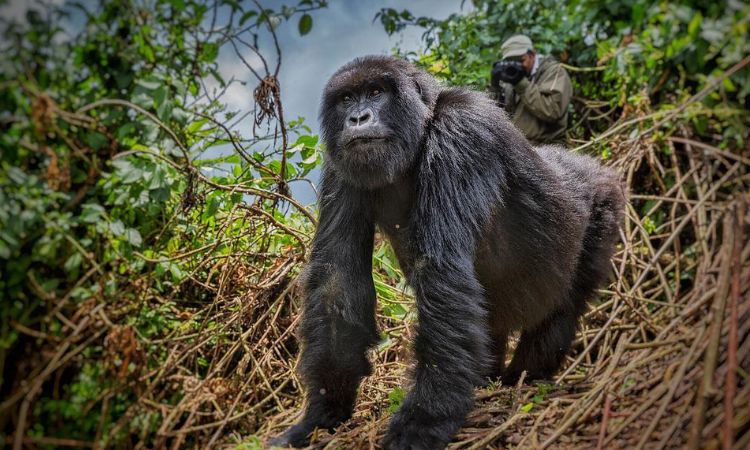
Gorilla trek in Mgahinga Beginning. A gorilla trek in Mgahinga Gorilla National Park beginning from Kigali, Rwanda, is one of the most accessible wild mountain gorilla experiences in the world. Mgahinga sits just across the Uganda border from Kigali, which means you can start your morning in Rwanda’s capital and be trekking wild gorillas in Uganda the same day. This guide covers everything: distance, border crossing, permit prices, itinerary options, and how to book it right.
If you have only searched “gorilla trekking Uganda” or “gorilla safari Rwanda” so far, this specific route — starting in Kigali and crossing into Uganda for a lower permit price — is worth understanding on its own, since it changes almost every practical decision that follows: which border you use, how early you need to leave, and which park sector fits your schedule.
Why Start Your Gorilla Trek From Kigali
Most international travelers fly into Kigali International Airport rather than Uganda’s Entebbe, thanks to strong connections from Europe and the Gulf. Because Mgahinga Gorilla National Park sits so close to the Rwandan border, Kigali has become the natural gateway for this specific trek, letting you combine a Rwanda stay with a Uganda gorilla encounter without an extra domestic flight.
How Far Is Mgahinga From Kigali?
The drive from Kigali to Mgahinga covers roughly 134 km and takes 3 to 4 hours, including border formalities. That is dramatically shorter than the 9 to 11 hour drive required from Uganda’s own capital, Kampala, which is exactly why our 2-day gorilla safari starting from Kigali routes travelers through Rwanda instead of Uganda’s own airports.
The Cyanika Border Crossing
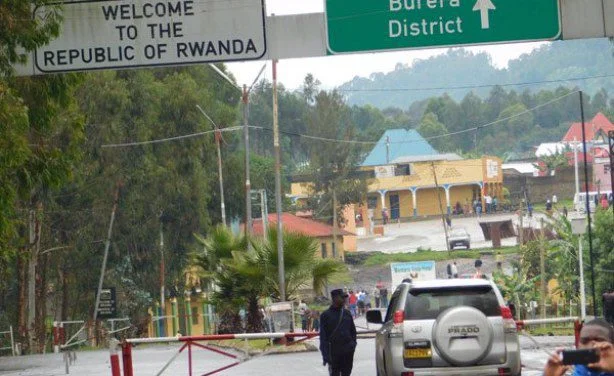
Travel between Kigali and Mgahinga uses the Cyanika border post between Musanze, Rwanda, and Kisoro District, Uganda. The crossing is used daily by tourist vehicles and is generally efficient, especially compared with the busier Katuna crossing further north used for Bwindi’s Buhoma sector, as explained in Pick and Transfer Safaris’ Bwindi guide. Have your passport, visa approval, and yellow fever certificate ready before you reach the window, since a well-prepared group can clear both sides of the border in well under an hour.
Meet the Nyakagezi Gorilla Family
Mgahinga has one habituated gorilla family, the Nyakagezi group, known for ranging across the shared Virunga volcano slopes into Rwanda and the DRC from time to time. Because there is only one family, Uganda Wildlife Authority issues just eight trekking permits per day here, far fewer than the twenty-plus daily slots across Bwindi’s four sectors.
Gorilla Trekking Permit Prices in 2026
A Uganda gorilla trekking permit costs $800 per person in high season, or around $600 during the low-season months of April, May, and November. This applies equally at Mgahinga and Bwindi under Uganda Wildlife Authority’s pricing. Compare current package pricing through our available gorilla tours booking page.
Uganda vs Rwanda Permit Cost Comparison
Rwanda’s own Volcanoes National Park permit costs $1,500 flat, nearly double Uganda’s high-season rate. That price gap is the single biggest reason Kigali-based travelers cross into Uganda for gorilla trekking, a trend also covered in Pick and Transfer Safaris’ Volcanoes National Park guide and our own Uganda-Rwanda gorilla safaris page.
One-Day or Two-Day Trip From Kigali?
A one-day round trip to Mgahinga is possible given the short drive, but it means a 3:00 a.m. departure and a 14 to 16 hour day. Most travelers prefer our 2-day gorilla safari from Kigali, which adds one relaxed overnight near the park instead. Compare both formats against Pick and Transfer Safaris’ one-day Uganda gorilla safari before deciding.
What a Trekking Day Actually Looks Like
Trekking day begins with a briefing at Ntebeko park headquarters around 7:30 a.m., where rangers assign your group and share an update on the Nyakagezi family’s likely location. Trekking time ranges from 30 minutes to several hours, followed by a strict one-hour viewing window once the gorillas are found. An armed ranger and often a porter accompany each group, and the pace is set to match the slowest member, so you never need to worry about being left behind.
Rules You Must Follow While Trekking
Uganda Wildlife Authority requires a minimum age of 15, a maximum group size of eight trekkers per family, a seven-metre distance from the gorillas at all times, and no flash photography. Anyone showing cold or flu symptoms should postpone their trek, since gorillas are highly vulnerable to human respiratory illness. Speaking quietly, moving slowly, and following your ranger guide’s instructions at all times round out the core etiquette expected of every visitor.
Fitness Level and What to Pack
Mgahinga’s volcanic slopes are steep, so a reasonable fitness level helps. Pack waterproof hiking boots, a rain jacket, long trousers and sleeves, gardening gloves, and a daypack with water and snacks. Porters are available at the park gate for a small fee and are well worth hiring, both for the practical help on steep sections and because it directly supports the local community around Kisoro.
A walking stick, available free at the trailhead, is worth using even if you consider yourself fit, since the volcanic soil can be slippery after rain. Binoculars and a camera with a reasonably fast lens will help you make the most of your limited time with the gorillas once they are located, and a dry bag keeps electronics safe during sudden forest showers.
Best Time of Year to Trek
Gorilla trekking is possible year-round, but the dry seasons — December to February and June to September — offer easier trails. The rainy months of April, May, and November bring fewer crowds and the discounted $600 permit rate, making them a smart choice for budget-conscious travelers. Even in the dry months, Mgahinga sits in genuine rainforest, so pack for rain regardless of your travel dates.
Add On Golden Monkey Trekking
Mgahinga is one of the few places on earth to trek endangered golden monkeys, at a fraction of the gorilla permit cost. This pairs well with a longer stay, such as our 4-day golden monkey and gorilla trekking package, since it needs its own separate trekking window.
Volcano Hiking in the Virunga Range
Beyond primates, Mgahinga’s three volcanoes — Muhabura, Gahinga, and Sabinyo — offer some of the best hiking in the region. Mount Sabinyo’s summit famously marks the meeting point of Uganda, Rwanda, and the DRC on a single ridge, a highlight covered in our guide to trekking in the Virunga volcanoes region.
Budgeting Your Trip
| Item | Approximate Cost (per person) |
|---|---|
| Gorilla permit (high season) | $800 |
| Ground transport from Kigali, 2-day trip | $150-250 |
| Lodge, 1 night near Kisoro | $80-150 |
| Meals | $30-50 |
| Uganda visa or East Africa Tourist Visa | $50-100 |
Costs vary by season and group size, but this breakdown gives a realistic starting point when comparing our packages against alternatives such as Pick and Transfer Safaris’ gorilla safari listings.
Where to Stay Near Mgahinga
Accommodation clusters around Kisoro town and the road to Ntebeko gate, from simple guesthouses to comfortable lodges such as Ichumbi Gorilla Lodge. Before or after your trek, see our roundup of things to do in Kisoro town for cafes, markets, and short excursions.
Ready to plan your trek? Browse our Uganda-Rwanda gorilla safaris or contact our team for a tailored itinerary and permit booking.
Is Mgahinga Safe for Tourists?
Mgahinga and the wider Kisoro area have a strong safety record for organized tourism, with the Cyanika border crossing used daily by safari vehicles without incident. We cover common safety questions in more depth in our article on whether Mgahinga is safe for tourists, including guidance on altitude, wildlife encounters, and border travel between Rwanda and Uganda.
Combining Mgahinga With Bwindi or Other Parks
Travelers with extra time often extend a Mgahinga trip toward Queen Elizabeth National Park for game drives, or add a second gorilla trek in Bwindi’s wider sector choice, as outlined in our combined Rwanda and Uganda gorilla trekking and culture itinerary and Pick and Transfer Safaris’ 3-day Uganda gorilla safari from Rwanda. If you drive between the two parks directly rather than returning to Kigali first, our notes on driving from Bwindi to Mgahinga cover the road conditions and timing to expect.
Visa and Border Requirements
Most travelers need either a Uganda single-entry visa or the East Africa Tourist Visa, which covers Rwanda, Uganda, and Kenya on one 90-day visa. Carry your yellow fever certificate, since it is checked at the Cyanika border, and keep your passport valid for at least six months with a couple of blank pages available for stamps.
Apply for whichever visa you choose at least two to three weeks before travel to allow for processing, and keep digital and printed copies of your visa approval, permit confirmation, and vaccination certificate together in one folder. This small step makes the Cyanika border crossing noticeably faster on trekking morning, when time before your 7:30 a.m. briefing is tight.
Booking Tips: Don’t Wait Too Long
With only eight Mgahinga permits issued daily, book your permit and transport 2 to 3 months ahead for high season travel, and at least 4 to 6 weeks ahead for quieter shoulder-season dates. Check live availability through our gorilla tour booking page or explore Pick and Transfer Safaris’ gorilla safaris for a second opinion on pricing and dates.
Frequently Asked Questions
- How far is Mgahinga from Kigali?
- About 134 km, roughly 3 to 4 hours by road via the Cyanika border.
- How much does a Mgahinga gorilla permit cost?
- $800 per person in high season, or around $600 in the low-season months of April, May, and November.
- Is Uganda or Rwanda cheaper for gorilla trekking?
- Uganda is significantly cheaper — $800 versus Rwanda’s flat $1,500 fee.
- Can I do a one-day trip from Kigali?
- Yes, but it involves a 3:00 a.m. departure and a 14-16 hour day. A 2-day trip is more comfortable.
Final Thoughts and Next Steps
A gorilla trek in Mgahinga beginning from Kigali delivers a genuine wild mountain gorilla encounter without the long drives typical of African safaris. With the right permit, timing, and border logistics, it is one of the most rewarding short trips available from any capital city, and the short distance from Kigali means you do not need to sacrifice a full week of travel time to experience it.
Start planning with our Uganda-Rwanda gorilla safaris, explore our Uganda travel guide, or contact us to check permit availability for your dates. For further comparison, see Pick and Transfer Safaris and their contact page as well, and whichever operator you choose, book your permit as early as possible given Mgahinga’s limited eight-slot daily allocation.