- EXPERT'S HELP
- +256789210067
- +256200955001
- info@kenlinktours.com


Choosing Rushaga and Nkuringo from Kigali for Gorilla Trek
October 6, 2026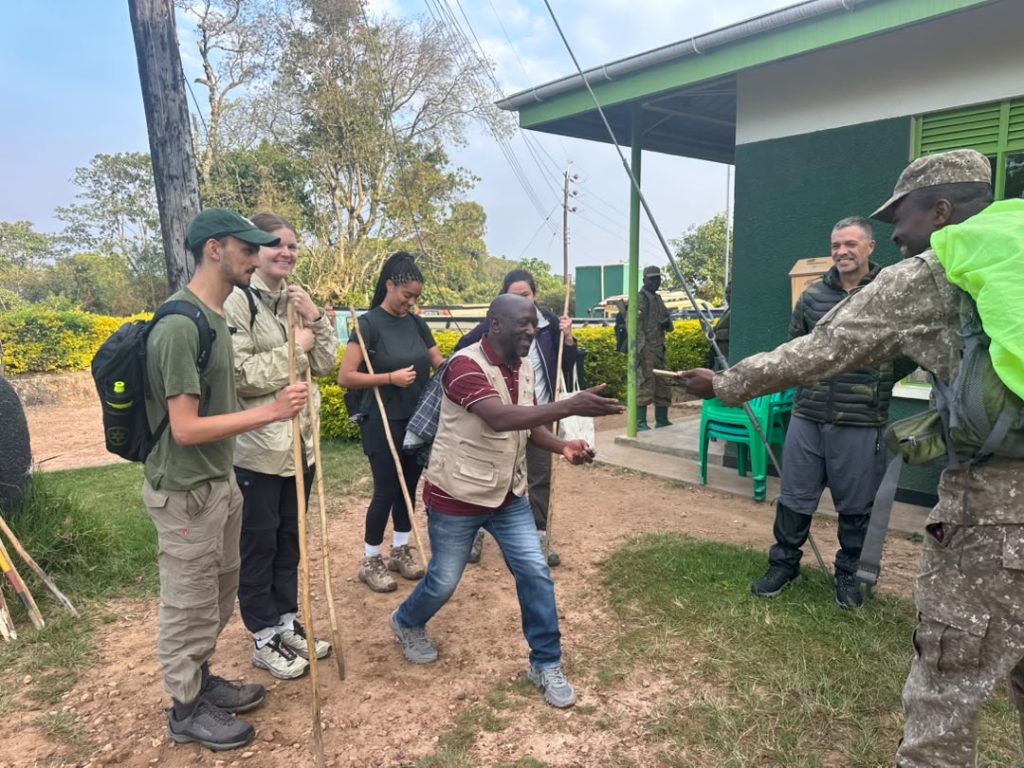
Gorilla trekking in Rushaga and Nkuringo from Kigali. You have decided you want to see mountain gorillas, you are flying into Kigali, and you have heard that Uganda’s Bwindi Impenetrable National Park offers a wilder and more affordable experience than Rwanda. The next question is practical: how exactly do you organize gorilla trekking in Rushaga and Nkuringo from Kigali? What do you book first? How does the border work? What time do you leave? What will it cost, and what happens on the day itself?
This step-by-step planning guide from Kenlink Tours answers all of those questions. We walk you through the process from the moment you start planning to the moment you return to Kigali with your gorilla trekking certificate in hand, so nothing about your cross-border gorilla safari comes as a surprise.
Why Travellers Trek Rushaga and Nkuringo from Kigali
Rushaga and Nkuringo are Bwindi’s two southern gorilla sectors, located in Kisoro District close to the Rwandan border. From Kigali, both can be reached in roughly four to five hours by road, compared with nine to ten hours from Entebbe. Ugandan gorilla permits cost US$800 per person, against US$1,500 in Rwanda. Rushaga has the most gorilla families in Uganda and the only gorilla habituation experience in the country, while Nkuringo offers spectacular views of the Virunga volcanoes and an exhilarating trek.
That combination of proximity, value and choice explains why Kigali has become the preferred gateway for southern Bwindi. If you want a detailed overview of distances, see our guide on how far Bwindi Impenetrable National Park is from Kigali.
Step 1: Decide How Many Days You Have
Your available time shapes everything else. Here is a quick guide to what is possible:
- 1 day: Possible with a very early start and late return. Best for travellers with no flexibility at all.
- 2 days: The most popular short option. Travel on day one, trek on day two, return to Kigali that afternoon or evening.
- 3 days: Adds a relaxed buffer and a second activity such as a Batwa cultural visit, Lake Mutanda or golden monkey tracking.
- 4–5 days: Allows two gorilla treks (one in each sector), the habituation experience, or a gorillas-and-chimps combination.
- 6+ days: Combine southern Bwindi with Rwanda’s highlights or continue north through Uganda to Queen Elizabeth National Park and beyond.
Short on time? Look at ready-made packages such as the 1 Day Uganda Gorilla Safari starting from Kigali and the 2 Days Uganda Gorilla Tour starting from Kigali to see how these trips are structured.
Step 2: Choose Between Rushaga, Nkuringo or Both
Both sectors are equally close to Kigali, so your choice depends on your fitness, interests and the permits available.
Choose Rushaga if you want the widest choice of gorilla families, better permit availability, a generally more moderate trek, or the four-hour gorilla habituation experience.
Choose Nkuringo if you are fit, enjoy a challenge and want breathtaking volcano views from your lodge.
Choose both if you have four or more days and want two contrasting gorilla encounters with different families and landscapes.
Not sure which suits you? Our guide on which part of Bwindi is easy for gorilla trekking compares all four sectors by difficulty.
Step 3: Book Your Gorilla Permit Early
The gorilla permit is the foundation of your trip. Everything else, from your lodge to your transport, is planned around its date and sector.
- Standard permit: US$800 per person (foreign non-residents), valid for one hour with a gorilla family.
- Habituation permit (Rushaga only): US$1,500 per person, valid for up to four hours with a family undergoing habituation.
- Lower rates apply to foreign residents and East African citizens.
- Minimum age: 15 years.
- Payment: Full payment is required at booking.
- Rules: Permits are dated, sector-specific and non-transferable.
Each gorilla family receives a maximum of eight visitors a day, so permits sell out, especially from June to September and in December. Book four to six months ahead if you can. Rushaga, with its many families, is usually the best option for shorter-notice trips. Learn more about the extended encounter in our guide to the gorilla habituation experience in Rushaga sector.
Kenlink Tours books permits for all our guests. Send us your dates and we will confirm availability in both sectors.
Step 4: Sort Out Visas and Travel Documents
Because you will cross from Rwanda into Uganda, you need documents for both countries.
- Passport: Valid for at least six months, with blank pages.
- Rwandan visa: Many nationalities can obtain a visa on arrival in Kigali; check your eligibility before travel.
- Ugandan visa: Apply online before you travel.
- East Africa Tourist Visa: A single multiple-entry visa covering Rwanda, Uganda and Kenya, ideal for cross-border gorilla trips. If you return to Rwanda after trekking, this visa avoids paying for separate re-entry.
- Yellow fever certificate: Required for entry into Uganda.
- Travel insurance: Make sure it covers adventure activities and medical evacuation.
Keep printed and digital copies of your permit, visa and insurance documents in your daypack.
Step 5: Choose Your Lodge in the Right Sector
Gorilla briefings start at around 7:30 AM, and roads in southern Bwindi are winding and hilly. Sleeping in or very close to your permit sector makes your trekking morning much easier.
In Rushaga: Lodges range from budget guesthouses to comfortable mid-range and luxury properties, many with forest views. One option we have reviewed is Ichumbi Gorilla Lodge.
In Nkuringo: Ridge-top lodges with sweeping views of the Virunga volcanoes. A well-known choice is Mountain Gorilla View Lodge.
Between sectors: Lodges around Lake Mutanda and hotels in Kisoro town work well for double treks or if you are also visiting Mgahinga. In Kisoro, one option is described in this guide to Ikoro Hotel in Kisoro.
For more options, read our guides to accommodations in Bwindi Impenetrable National Park and the most budget lodges in Bwindi National Park. For a premium trip, explore our Uganda luxury safaris and gorilla tours.
Step 6: Arrange Your Kigali-to-Bwindi Transfer
Unless you are an experienced African driver, the easiest and safest way to reach Rushaga or Nkuringo is with a tour operator who provides a 4×4 vehicle and a driver-guide. A good operator will:
- Pick you up from Kigali International Airport or your hotel.
- Know both Rwandan and Ugandan roads and border procedures.
- Coordinate your permit, lodge and transport so timings fit together.
- Accompany you to the trekking briefing and wait for you after the trek.
- Handle vehicle documents for the cross-border journey.
Kenlink Tours offers transfers from Kigali as part of every southern Bwindi package. Our guide to companies that do transfers from Rwanda to Bwindi, Uganda helps you compare options, and our article on transfers from Kigali to Uganda explains the journey in more detail. Our partners at Pick and Transfer Safaris also specialise in Kigali-to-Uganda transfers.
Confident independent travellers sometimes self-drive. If that interests you, our guide to a Uganda gorilla safari on self-drive covers what you need to know.
Step 7: Prepare Money, Health and Connectivity
A few practical preparations make the cross-border trip much smoother.
Money: US dollars are widely accepted for permits and tourism services, but notes should be recent and in good condition, as older or damaged bills are often refused. Carry some Ugandan shillings for porters, tips, snacks and small purchases. ATMs are available in Kisoro town but are scarce near the trekking sectors, so withdraw what you need before leaving town.
Health: Besides the required yellow fever vaccination, speak to a travel health clinic about malaria prevention and routine vaccinations. Pack any personal medication and a small first-aid kit. If you feel unwell before your trek, tell your guide; rangers may refuse entry to visibly sick trekkers to protect the gorillas.
Connectivity: Mobile coverage is generally available around Kisoro and many lodges offer Wi-Fi, though signal can be patchy inside the forest. A local SIM card or an East African eSIM keeps you connected for maps, messages and sharing photos. Your Rwandan SIM may not work in Uganda without roaming, so check before you travel.
Electricity: Uganda uses the same three-pin plug as the UK. Bring an adapter and a power bank, as some remote lodges rely on solar power.
The Journey: Kigali to Rushaga and Nkuringo Hour by Hour
Here is what a typical travel day from Kigali to southern Bwindi looks like on a two-day trip, using the popular Cyanika border route.
| Time | What Happens |
|---|---|
| 7:00 AM | Pick-up from your Kigali hotel or the airport; briefing from your driver-guide |
| 7:00 – 9:30 AM | Drive northwest through Rwanda’s hills to Musanze, with views of the Virunga volcanoes |
| 9:30 – 10:00 AM | Short coffee or comfort stop in Musanze |
| 10:00 – 10:30 AM | Continue to the Cyanika border |
| 10:30 – 11:30 AM | Exit Rwanda and enter Uganda; passport, visa and yellow fever checks |
| 11:30 AM – 12:00 PM | Drive to Kisoro town |
| 12:00 – 1:30 PM | Continue to your lodge in Rushaga or Nkuringo; lunch on arrival |
| Afternoon | Rest, a gentle village walk or a visit to Lake Mutanda |
Times vary with traffic, border queues and road conditions, especially during the rainy season. The alternative Katuna/Gatuna border route via Kabale takes a similar total time and works well if you also want to visit Lake Bunyonyi.
Trekking Day in Rushaga: What to Expect
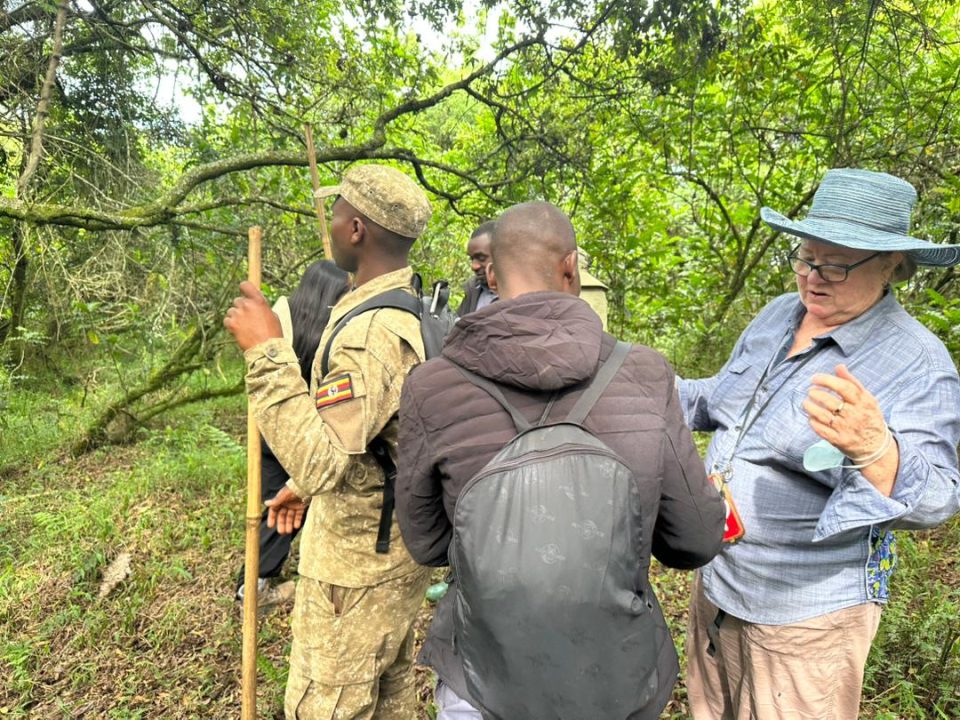
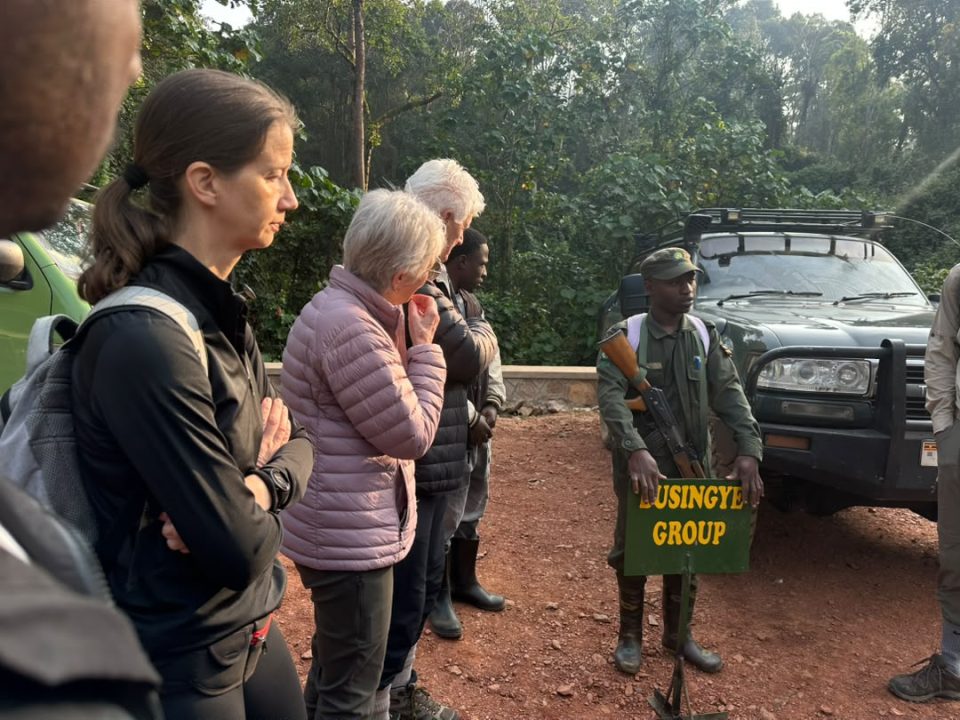
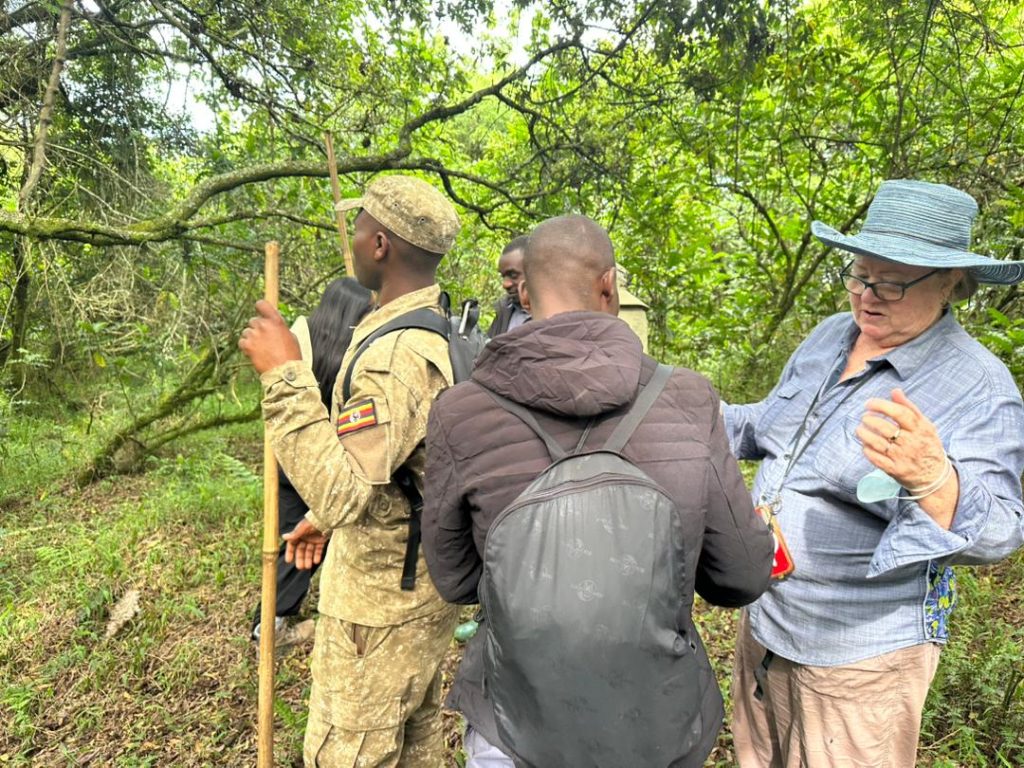
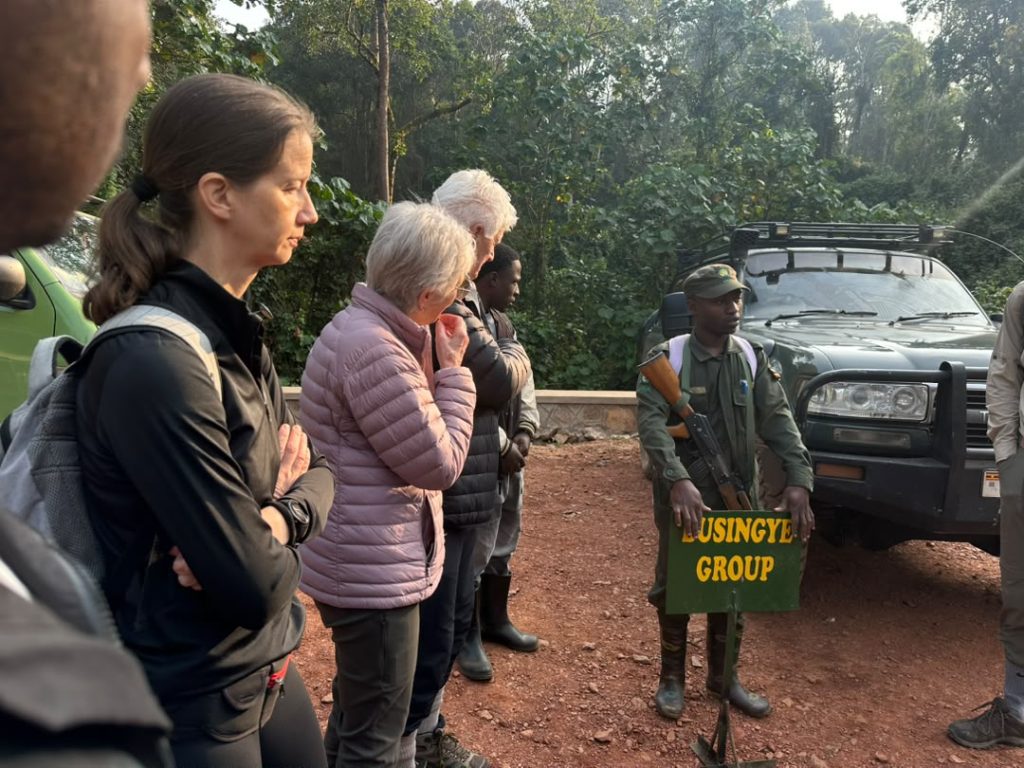
On trekking day, you wake early for breakfast and drive a short distance to the Rushaga sector headquarters. At around 7:30 AM, rangers welcome visitors, often with a lively dance performance by local community members, and then give a detailed briefing. They check permits and passports, explain the gorilla trekking rules and divide visitors into groups of up to eight, each assigned to one family.
Because Rushaga has so many families, rangers can often match trekkers to a family that suits their fitness. Groups set off around 8:00 AM with an armed ranger guide and porters, while advance trackers follow the gorillas from their night nests and radio updates. Treks can pass through farmland and tea gardens before entering the forest, then continue through valleys and slopes until the gorillas are found.
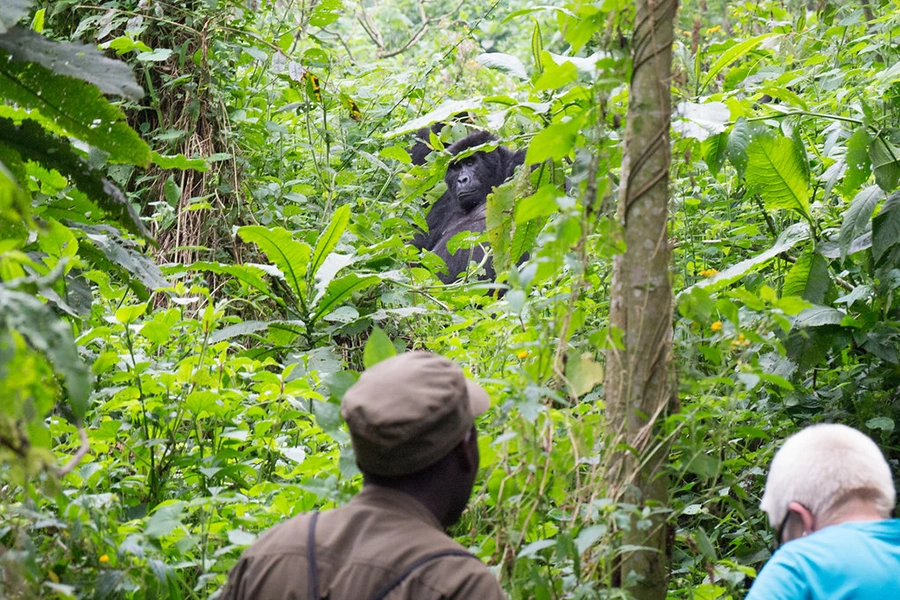
Your hour with the gorillas is the highlight of the day: a silverback feeding quietly, juveniles tumbling through the vegetation, mothers cradling infants. After the hour, you hike back to the headquarters and receive your gorilla trekking certificate. Most groups finish between late morning and mid-afternoon.
If you choose the habituation experience, the format is similar but longer. You join researchers and trackers working with a family that is still being habituated and spend up to four hours watching and learning.
Trekking Day in Nkuringo: What to Expect
In Nkuringo, the day begins in the same way, with breakfast and a briefing at the sector headquarters on the ridge at around 7:30 AM. On a clear morning, you may watch the sun rise over the Virunga volcanoes while rangers explain the rules.
The main difference is the terrain. Most Nkuringo treks start with a steep descent from the ridge, through farmland and into the forest valley below where the gorillas live. The descent can be hard on the knees, and the climb back up after your hour with the gorillas is the toughest part of the day. Hiring a porter here is strongly recommended, and walking sticks are a big help.
The reward is a memorable, adventurous trek and, at the end of the day, a sense of real achievement as you look back over the forest from the ridge. To understand the emotional side of the encounter, read our article on what it’s like to trek gorillas in Uganda and Rwanda.
The Gorilla Families You May Meet
Southern Bwindi is home to many habituated gorilla families, each with its own silverbacks, history and personality. Rushaga has the largest number, with commonly listed groups including Nshongi, Mishaya, Kahungye, Busingye and Bweza, several of which formed through splits from larger families. Nkuringo is named after its founding family, the Nkuringo group, which became well known for its strong silverback leadership and its visits to surrounding farmland, and other families have since been habituated in the area.
You cannot choose your family when booking. Rangers allocate groups at the morning briefing, considering fitness and keeping friends and families together where possible. Family sizes change over time through births, deaths, transfers and splits, so your ranger will share the latest story of your family before you set off. Knowing a little about the gorillas you are visiting makes your hour with them even more meaningful.
A Detailed 3-Day Example from Kigali
To bring everything together, here is how a typical three-day trip unfolds.
Day 1: Kigali to southern Bwindi. Your driver-guide collects you from your Kigali hotel after breakfast. You drive through Rwanda’s hills to Musanze, pause for coffee with views of the volcanoes, then cross into Uganda at Cyanika. After lunch in Kisoro or at your lodge, you settle in, enjoy the scenery and perhaps take a short walk to Lake Mutanda. In the evening, your guide briefs you on the next day and the lodge prepares your packed lunch.
Day 2: Gorilla trekking. After an early breakfast, you drive to the Rushaga or Nkuringo headquarters for the 7:30 AM briefing. You hire a porter, collect a walking stick and set off with your ranger at about 8:00 AM. After the trek and your unforgettable hour with the gorillas, you return to the headquarters for your certificate, then spend a relaxed afternoon at the lodge or visit a nearby community project.
Day 3: Culture and return. In the morning, join a Batwa cultural experience or take a canoe ride on Lake Mutanda. After lunch, you drive back to the Cyanika border and on to Kigali, arriving in the early evening in time for dinner or an onward flight.
Photography Tips for Southern Bwindi
- Switch off your flash before reaching the gorillas.
- Use a fast lens or high ISO, as the forest canopy blocks much of the light.
- Bring a mid-range zoom such as 24–105mm or 70–200mm for gorilla portraits.
- Catch sunrise in Nkuringo, when the Virunga volcanoes often stand clear above the mist.
- Protect your gear with a rain cover or dry bag.
- Take time to just watch; your memories matter as much as your photographs.
Responsible Travel and Community Benefits
Gorilla tourism is one of the main reasons mountain gorilla numbers have recovered over recent decades. Permit fees fund ranger patrols, veterinary care and anti-poaching work, and a share returns to communities around Bwindi through revenue-sharing programmes that support schools, clinics and water projects.
You can add to that impact by staying in locally run lodges, hiring porters, buying crafts directly from community groups and joining cultural visits. Follow the trekking rules closely, carry out all rubbish and respect local customs, including asking before photographing people. Responsible travellers help ensure that the gorillas of Rushaga and Nkuringo, and the communities who live beside them, thrive for generations to come.
Gorilla Trekking Rules You Must Follow
Rangers in both sectors explain the same rules at every briefing. They exist to protect the gorillas and keep you safe:
- Stay at least seven metres from the gorillas.
- Keep your voice low and avoid sudden movements.
- No flash photography.
- No eating, drinking or smoking near the gorillas.
- Do not trek if you are sick, as gorillas can catch human illnesses.
- Turn away and cover your mouth to cough or sneeze.
- Follow your ranger’s instructions at all times, especially if a gorilla approaches or charges.
- Your time is limited to one hour (or four hours for habituation).
Masks may also be requested near the gorillas as a health precaution.
How Much Does Gorilla Trekking in Rushaga and Nkuringo from Kigali Cost?
Costs vary with trip length, accommodation level and group size. The table below shows typical cost components for a trip from Kigali. Package prices from tour operators usually bundle most of these together.
| Cost Item | Typical Range (per person) | Notes |
|---|---|---|
| Gorilla permit | US$800 | US$1,500 for Rushaga habituation |
| Ugandan visa or East Africa Tourist Visa | Varies by visa type | Check current official fees before travel |
| Accommodation per night | Budget to luxury | Rates vary widely by lodge and season |
| Transport and driver-guide | Shared by group | Cheaper per person for groups |
| Porter | About US$15–20 | Per trek, paid locally |
| Tips | At your discretion | Rangers, trackers, porters, driver-guide |
| Optional activities | Varies | Batwa visit, canoeing, golden monkeys |
Ways to reduce costs include travelling in the low season, choosing budget or mid-range lodges, sharing transport with other travellers and joining scheduled group tours. Keep an eye on our discounted tours for seasonal offers.
Comparing Costs with Rwanda’s Volcanoes National Park
Volcanoes National Park is closer to Kigali, at around two to three hours’ drive, but its permits cost US$1,500 per person. Trekking in Rushaga or Nkuringo instead saves US$700 per person on permits alone. For a couple, that is US$1,400; for a family of four, US$2,800. Even after allowing for the extra driving time and visa costs, southern Bwindi is usually the better-value option for travellers starting in Kigali.
Many travellers who can afford both choose to trek in Rwanda and Uganda on consecutive days to compare the experiences. For a side-by-side look at both countries, see our Uganda and Rwanda gorilla safaris guide.
What to Pack for Your Trip from Kigali
Documents and money:
- Passport, visas and yellow fever certificate
- Gorilla permit confirmation and travel insurance details
- US dollars and some Ugandan shillings for porters and tips
Trekking gear:
- Waterproof hiking boots with good grip
- Long trousers and long-sleeved shirts in neutral colours (no camouflage)
- A warm layer for early mornings, especially on the Nkuringo ridge
- A lightweight rain jacket
- Gardening gloves and gaiters or long socks
- A daypack with at least two litres of water, snacks and lunch
- Insect repellent, sunscreen and a hat
- Camera with spare batteries (no flash)
Remember that Rwanda bans plastic bags, so use reusable bags when packing in Kigali. Our full checklist is in our guide on what to pack for gorilla trekking in Uganda, Rwanda and Congo.
Getting Fit for Rushaga and Nkuringo
You do not need to be an athlete, but some preparation makes your trek far more enjoyable, especially in Nkuringo. In the weeks before your trip:
- Walk regularly on hilly ground, building up to two or three hours at a time.
- Climb stairs to strengthen your legs for steep ascents and descents.
- Practise walking with a loaded daypack.
- Break in your hiking boots well before you travel.
On the day, set a steady pace, drink often and do not hesitate to ask your ranger to slow down. A porter and walking stick make a real difference. For travellers with limited mobility, a sedan chair carried by local porters can be arranged at an extra cost.
Best Time to Trek Rushaga and Nkuringo from Kigali
Gorilla trekking runs all year. The dry seasons, June to September and December to February, are the most comfortable, with firmer trails and smoother drives. They are also the busiest months, so permits and lodges should be booked well in advance.
The wet seasons, March to May and October to November, bring mud and rain but also lush scenery, fewer visitors and occasional lodge discounts. During the rainy months, roads from Kigali can take longer and Nkuringo’s steep trails become slippery, so Rushaga is often the more comfortable choice.
Adding Activities Around Southern Bwindi
Extra days in southern Bwindi open up a wide range of experiences:
- Batwa cultural experience: Learn about the traditional forest life of the Batwa, Bwindi’s original inhabitants.
- Lake Mutanda: Canoe among the islands with the Virunga volcanoes as a backdrop.
- Golden monkey tracking: Visit nearby Mgahinga Gorilla National Park to track endangered golden monkeys. Our article on golden monkey tracking compares the experience in Uganda and Rwanda.
- Volcano hiking: Climb Mount Gahinga, Sabinyo or Muhavura in Mgahinga.
- Community walks: Visit farms, craft cooperatives and schools in the villages around the park.
For more inspiration, read this guide on what to do after a gorilla tour in Bwindi.
Sample Packages: Rushaga and Nkuringo from Kigali
1-day gorilla trek: Pick-up in Kigali between 3:00 and 4:00 AM, cross the border as it opens, trek gorillas in Rushaga or Nkuringo and return to Kigali in the evening.
2-day gorilla safari: Day 1, drive from Kigali to your lodge. Day 2, gorilla trek and return to Kigali.
3-day gorillas and culture: Day 1, drive to southern Bwindi. Day 2, gorilla trek. Day 3, Batwa visit or Lake Mutanda, then return to Kigali. See the 3 Days Uganda Gorilla Safari from Rwanda for a similar itinerary.
4-day double gorilla trek: Trek in Rushaga one day and Nkuringo the next, staying between the two sectors.
5-day gorillas and chimps: Combine southern Bwindi with chimpanzee tracking, such as the 5 Days Uganda Gorilla and Chimps Safari starting from Rwanda, or loop through Rwanda’s Nyungwe Forest National Park.
Rwanda and Uganda combined: Add Rwanda highlights, such as the 3 Days Rwanda Gorilla Tracking and Cultural Tour, or continue through Uganda and fly home from Entebbe, as explained in this guide to starting in Kigali and ending in Entebbe. Our guide to combining Rwanda and Uganda gorilla trekking and culture has more ideas, and you can browse all our Uganda safaris.
Common Mistakes to Avoid
- Booking a lodge in the wrong sector: Always match your lodge to your permit sector to avoid a long pre-dawn drive.
- Leaving permits too late: Peak-season permits, especially in Nkuringo, sell out months in advance.
- Forgetting the yellow fever certificate: You may be refused entry to Uganda without it.
- Underestimating Nkuringo: The climb back to the ridge is tough; prepare physically and hire a porter.
- Planning a one-day trip in the rainy season without buffer: Slower roads can make the timing very tight.
- Not carrying small cash: You will need it for porters and tips.
- Skipping the porter to save money: A porter costs little, makes the trek far easier and directly supports local families.
Is It Safe to Trek Rushaga and Nkuringo from Kigali?
Yes. The Kigali–Kisoro route is one of the most travelled tourism corridors in East Africa, and both sectors are well-established gorilla destinations. Armed Uganda Wildlife Authority rangers accompany every trek, lodges provide security, and local communities benefit from tourism. Travelling with a reputable operator and an experienced driver-guide adds further peace of mind. Avoid driving at night where possible and always follow your guide’s advice.
FAQ: How Long Is the Drive from Kigali to Rushaga or Nkuringo?
About four to five hours, including the border crossing at Cyanika or Katuna.
FAQ: What Time Do I Leave Kigali for a One-Day Trek?
Usually between 3:00 and 4:00 AM, so you reach the 7:30 AM briefing on time.
FAQ: Can I Book Permits for Both Sectors?
Yes. Many travellers book one permit for Rushaga and another for Nkuringo on consecutive days.
FAQ: Do I Need a Ugandan Visa If I Have a Rwandan Visa?
Yes, unless you hold an East Africa Tourist Visa, which covers both countries and Kenya.
FAQ: Which Sector Is Better for Older Travellers?
Rushaga, because it has more families and more moderate trekking options.
Plan Your Southern Bwindi Gorilla Trek from Kigali with Kenlink Tours
Gorilla trekking in Rushaga and Nkuringo from Kigali is one of the smartest ways to meet mountain gorillas in East Africa. It is just four to five hours from the Rwandan capital, costs US$700 less per person than trekking in Rwanda, and offers everything from gentle family-friendly treks and four-hour habituation encounters in Rushaga to thrilling ridge-top adventures with volcano views in Nkuringo. With the right planning, from permits and visas to lodges and transfers, your trip can be seamless from start to finish.
At Kenlink Tours, we take care of every step: permits, cross-border transfers, border support, accommodation and tailor-made itineraries. Learn more about our team, and get in touch today to start planning your gorilla trek in Rushaga and Nkuringo from Kigali.