- EXPERT'S HELP
- +256789210067
- +256200955001
- info@kenlinktours.com


Why Choose Rushaga Sector if you are from Kigali Rwanda
October 6, 2026
Gorilla trekking in Rushaga and Nkuringo from Kigali
October 6, 2026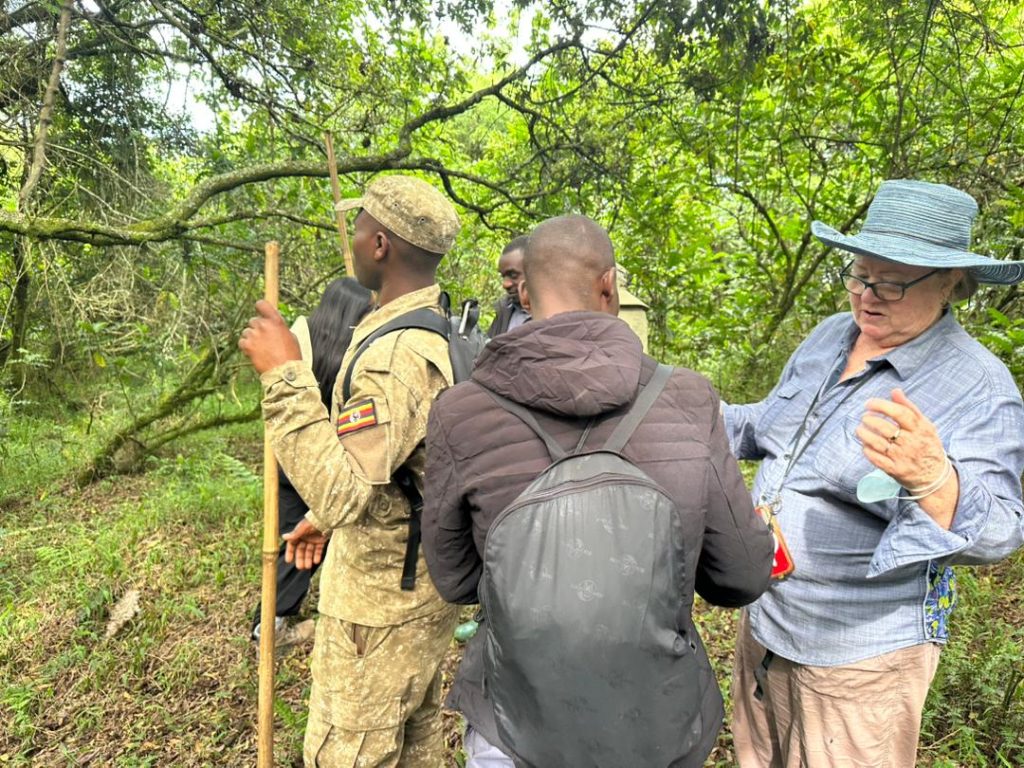
Choosing Rushaga and Nkuringo from Kigali for Gorilla Trek. If you are flying into Kigali and dreaming of mountain gorillas, you have more choices than you might think. Rwanda’s Volcanoes National Park is the obvious option, but many experienced travellers look just across the border to Uganda’s Bwindi Impenetrable National Park. And within Bwindi, two sectors stand out for anyone starting in Kigali: Rushaga and Nkuringo. Together they form the southern gateway to Bwindi, and they are the nearest Ugandan gorilla trekking sectors from the Rwandan capital.
In this guide, the team at Kenlink Tours explains why choosing Rushaga and Nkuringo as the nearest sectors from Kigali for a gorilla trek makes so much sense. We compare the two sectors side by side, covering travel times, border crossings, terrain, gorilla families, lodges, permit costs and itineraries, so you can decide which one suits you best, or whether to visit both.
Understanding Bwindi’s Four Gorilla Sectors
Bwindi Impenetrable National Park is divided into four gorilla trekking sectors, each with its own headquarters, gorilla families and lodges:
- Buhoma: In the north, the oldest sector and closest to Queen Elizabeth National Park.
- Ruhija: In the east, the highest and coolest sector, popular with birders.
- Rushaga: In the south, with the most gorilla families and the gorilla habituation experience.
- Nkuringo: In the southwest, known for dramatic volcano views and challenging terrain.
Your gorilla permit is issued for one specific sector, and the drive between sectors can take several hours, so choosing the right sector from the start is important. For travellers coming from Kigali, the southern sectors of Rushaga and Nkuringo are the logical choice. If you would like to learn about the northern sector instead, see our guide to Buhoma sector in Bwindi.
Why Rushaga and Nkuringo Are the Nearest Sectors from Kigali
Rushaga and Nkuringo lie in Kisoro District, in the far southwest of Uganda, close to the borders with Rwanda and the Democratic Republic of Congo. From Kigali, the drive to either sector takes roughly four to five hours, including the border crossing. By contrast, Buhoma and Ruhija are further north and can take six to seven hours or more from Kigali.
Compare that with the nine to ten hours it takes to drive from Entebbe or Kampala to Rushaga or Nkuringo, and the advantage is clear. Starting in Kigali can save you a full day of travel in each direction. That is why so many international visitors now fly into Kigali specifically to trek gorillas in southern Bwindi.
For a detailed breakdown of distances, read our guide on how far Bwindi Impenetrable National Park is from Kigali. If you are still choosing your arrival airport, our article on landing in Kigali or Entebbe for a gorilla safari compares both gateways.
The Route from Kigali to Southern Bwindi
Most journeys from Kigali to Rushaga and Nkuringo follow one of two routes.
Via Cyanika border: The most popular route heads northwest from Kigali through Rwanda’s green hills to Musanze, the town at the foot of the Virunga volcanoes. From there, it continues to the Cyanika border post, crosses into Uganda and passes through Kisoro town. From Kisoro, one road leads to Rushaga and another climbs to the Nkuringo ridge. The scenery is spectacular all the way, with views of the volcanoes, terraced hills and Lake Mutanda.
Via Katuna/Gatuna border: An alternative heads north from Kigali to the Gatuna border (Katuna on the Ugandan side), then through Kabale. From Kabale, roads lead west to Rushaga and on to Nkuringo. This route works well if you also plan to visit Lake Bunyonyi.
Your driver-guide will choose the best route based on road conditions, your lodge location and the rest of your itinerary. Our guide to transfers from Kigali to Uganda explains the logistics in more detail.
Border Crossing Tips for Travellers from Kigali
Crossing between Rwanda and Uganda is straightforward for most travellers. You exit Rwanda at one office and enter Uganda at the next, presenting your passport and visa. Your driver-guide assists with the process, which usually takes 30 minutes to an hour.
- Visa: Most visitors need a Ugandan visa, available online, or the East Africa Tourist Visa, which covers Uganda, Rwanda and Kenya on one multiple-entry visa.
- Yellow fever: Carry your vaccination certificate, as it is required for entry into Uganda.
- Money: Bring US dollars and change a little into Ugandan shillings for tips and small purchases.
- Plastic bags: Rwanda bans plastic bags, so pack in reusable bags.
- Timing: Border posts have set opening hours, so very early departures for one-day treks need careful planning by your operator.
Introducing Rushaga Sector
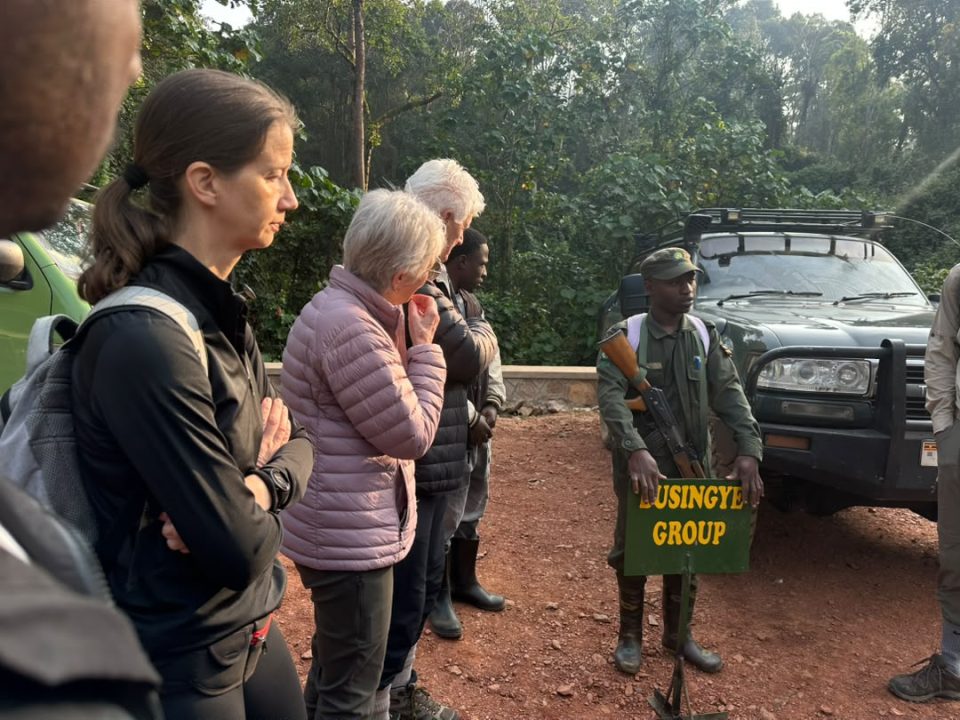
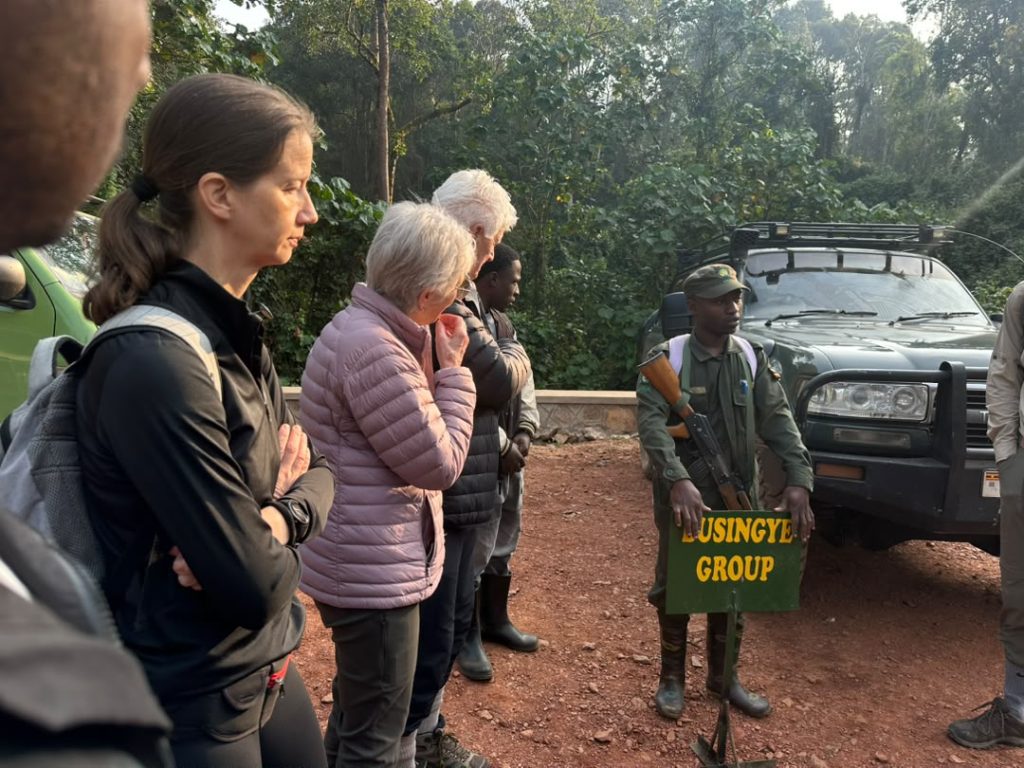
Rushaga lies in the southeastern part of Bwindi’s southern region. It has grown into one of Uganda’s busiest gorilla destinations, and for good reason. Rushaga is home to more habituated gorilla families than any other sector in Bwindi, with commonly listed groups including Nshongi, Mishaya, Kahungye, Busingye, Bweza and others.
More families means more permits, which is a big advantage for travellers from Kigali who may book at shorter notice. Rushaga is also the only place in Uganda that offers the gorilla habituation experience, where you spend up to four hours with a semi-habituated gorilla family alongside researchers and trackers. Learn more in our guide to the gorilla habituation experience in Rushaga sector.
Rushaga’s terrain is varied. Some families range close to the trailhead on relatively gentle ground, while others live deeper in steep, forested valleys. Overall, Rushaga is considered moderate to strenuous, and its many families give rangers more flexibility to match trekkers with suitable groups.
Introducing Nkuringo Sector
Nkuringo sits on a high ridge on Bwindi’s southwestern edge, overlooking the forest on one side and the Virunga volcanoes on the other. The views from Nkuringo are among the most spectacular in Uganda. On clear mornings you can see the volcanic cones of Muhavura, Gahinga and Sabinyo rising above the clouds, with the dense green canopy of Bwindi stretching away below.
The sector is named after the Nkuringo gorilla family, which was habituated in the early 2000s and became famous for its strong silverback leadership and its habit of raiding crops in the surrounding farmland. Over the years, additional families have been habituated in the Nkuringo area, increasing permit availability, though Nkuringo still has far fewer families than Rushaga.
Nkuringo has a reputation as Bwindi’s most physically demanding sector. Most treks begin with a steep descent from the ridge into the valley where the gorillas live, and end with a long climb back up. For fit, adventurous trekkers, that challenge is part of the appeal.
Rushaga vs Nkuringo: Side-by-Side Comparison
| Factor | Rushaga | Nkuringo |
|---|---|---|
| Drive from Kigali | About 4–5 hours | About 4–5 hours |
| Number of gorilla families | The most in Uganda | Fewer families |
| Permit availability | Best in Bwindi | More limited |
| Terrain | Varied, moderate to strenuous | Steep descents and climbs, strenuous |
| Gorilla habituation | Yes | No |
| Views | Forest, hills and nearby Lake Mutanda | Panoramic views of the Virunga volcanoes |
| Best for | First-timers, families, short notice, habituation | Fit adventurers, photographers, scenery lovers |
Which Sector Is Easier for Gorilla Trekking?
For most travellers, Rushaga is the easier choice. Its large number of families means some groups are usually found closer to the trailhead, and rangers can allocate less fit trekkers accordingly. Many Rushaga treks are moderate, though some can still be long and steep.
Nkuringo is generally harder. The steep descent from the ridge is tough on the knees, and the climb back up after an hour with the gorillas can be exhausting, especially in wet weather. That said, gorillas move every day, so even in Nkuringo you may have a short trek, and even in Rushaga you may have a long one.
If you have concerns about fitness, mobility or age, we generally recommend Rushaga. For a full comparison of all four sectors, read our guide on which part of Bwindi is easy for gorilla trekking.
Who Should Choose Rushaga?
Rushaga is the right sector for a wide range of travellers. Consider it if you:
- Are trekking gorillas for the first time and want a good chance of a moderate trek.
- Are booking at short notice, since Rushaga usually has the most permits available.
- Are travelling with family, including teenagers aged 15 and over, or older relatives.
- Want the gorilla habituation experience and four hours with a family.
- Plan to combine gorillas with Lake Mutanda or Mgahinga, both of which are easy to reach from Rushaga.
- Prefer a wider choice of lodges close to the trailhead.
For many Kigali travellers, Rushaga is simply the most flexible and forgiving option in southern Bwindi.
Who Should Choose Nkuringo?
Nkuringo suits a different kind of traveller. It is a great choice if you:
- Are fit and enjoy a physical challenge, including steep descents and climbs.
- Love dramatic scenery and want to wake up to views of the Virunga volcanoes.
- Are a keen photographer looking for sweeping landscapes as well as gorilla portraits.
- Want a quieter atmosphere, with fewer trekkers and a more remote feel.
- Are planning a double trek and want a contrasting second experience after Rushaga.
Travellers who choose Nkuringo often say the hard work makes the gorilla encounter feel even more rewarding. Standing on the ridge at the end of the day, looking back over the forest where you spent an hour with the gorillas, is a moment many never forget.
Southern Bwindi vs Volcanoes National Park from Kigali
Travellers in Kigali often compare southern Bwindi with Rwanda’s Volcanoes National Park, which is closer at around two to three hours’ drive. Volcanoes offers excellent gorilla trekking on bamboo-covered volcanic slopes, polished luxury lodges and easy access. However, its permits cost US$1,500, nearly double Uganda’s US$800.
Rushaga and Nkuringo require an extra couple of hours of driving and a border crossing, but reward you with lower permit costs, the dense ancient atmosphere of Bwindi’s rainforest, better availability in Rushaga and the unique habituation experience. Many visitors who have trekked in both countries describe Bwindi as wilder and more adventurous.
If your budget allows, consider trekking in both: one morning in Volcanoes and another in Rushaga or Nkuringo. Comparing the two habitats and gorilla families makes for a fascinating trip. For a full comparison, see our Uganda and Rwanda gorilla safaris guide.
Gorilla Trekking Rules in Rushaga and Nkuringo
The same rules apply in every Bwindi sector, and rangers explain them at each briefing:
- Keep at least seven metres from the gorillas, even if they approach.
- Stay together behind your ranger and speak softly.
- Never use flash photography.
- Do not eat, drink or smoke near the gorillas.
- Do not trek if you are unwell; gorillas can catch human illnesses.
- Turn away and cover your mouth if you cough or sneeze.
- If a gorilla charges, stay calm, crouch and look away.
- Your time with the gorillas is limited to one hour, or four hours on the habituation experience.
Masks may be requested near the gorillas. These rules protect the gorillas’ health and help ensure that future visitors from Kigali and beyond can enjoy the same privilege.
Gorilla Permit Availability: Why It Matters from Kigali
Gorilla permits in Uganda are limited to eight visitors per family per day. Because Rushaga has the most families, it usually has the most permits available. Nkuringo, with fewer families, sells out more quickly, especially in peak months.
Many travellers starting in Kigali plan their trips around flights, conferences or business commitments, sometimes with only a few weeks’ notice. In those cases, Rushaga is often the sector with space. If you have your heart set on Nkuringo’s views and challenge, book as early as possible.
Some travellers book a permit in whichever sector is available and stay in a lodge that sits between the two. Because Rushaga and Nkuringo are relatively close to each other, roughly an hour or so apart by road, this flexible approach works well in southern Bwindi.
Permit Costs: Uganda vs Rwanda
A standard gorilla trekking permit in Uganda, including Rushaga and Nkuringo, currently costs US$800 per person for foreign non-residents, with lower rates for foreign residents and East African citizens. In Rwanda’s Volcanoes National Park, a permit costs US$1,500 per person.
That US$700 difference per person adds up quickly. A couple saves US$1,400 on permits by trekking in southern Bwindi, and a family of four saves US$2,800. Because Rushaga and Nkuringo are only four to five hours from Kigali, you gain those savings without a major increase in travel time.
Rushaga’s habituation permit costs US$1,500, the same as a standard Rwandan permit, but gives you up to four hours with the gorillas instead of one.
Key permit facts for both sectors:
- Minimum age is 15 years.
- Permits are dated, sector-specific and non-transferable.
- Full payment is required at booking.
- Book four to six months ahead for peak season.
Kenlink Tours books permits for all guests. Contact our team to check availability in Rushaga and Nkuringo for your dates.
What a Gorilla Trekking Day Looks Like in Southern Bwindi
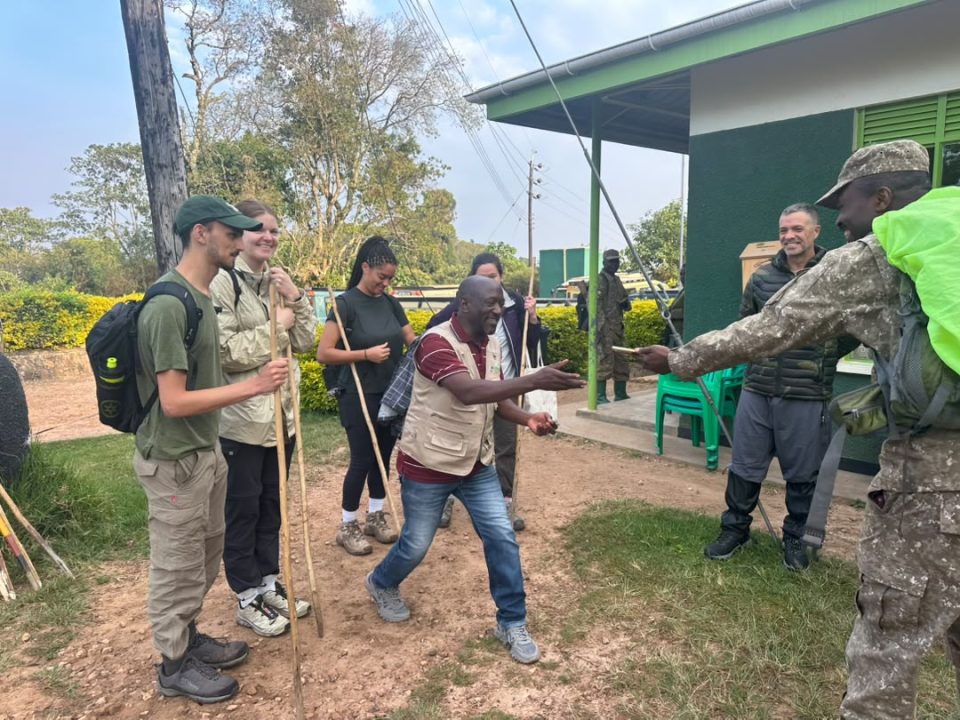
Whether you trek in Rushaga or Nkuringo, the day follows the same rhythm. After an early breakfast, you drive to your sector headquarters for a briefing at around 7:30 AM. Rangers check your permit and passport, explain the rules and assign groups of up to eight trekkers to each gorilla family.
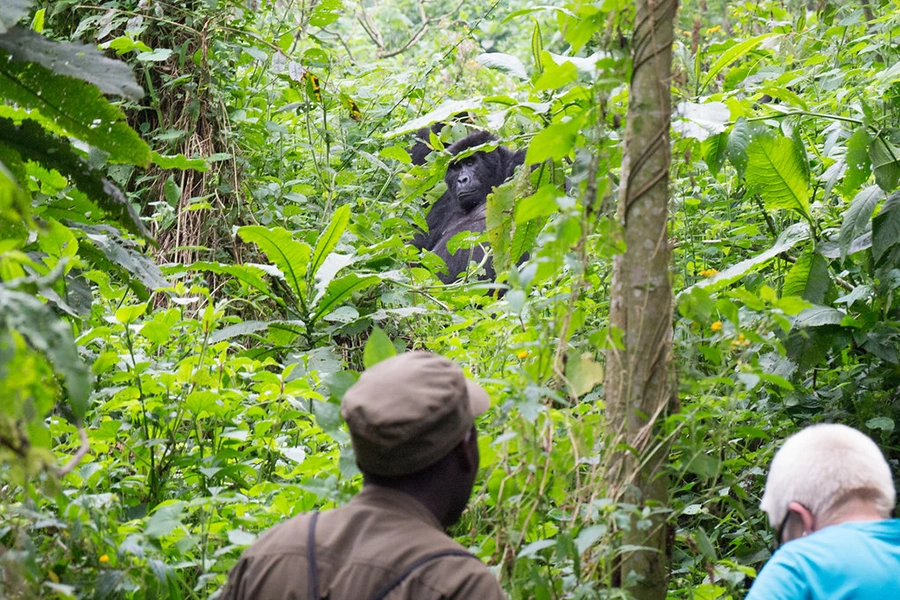
At about 8:00 AM, your group sets off with an armed ranger guide and porters. Advance trackers are already following the gorillas from the previous night’s nests. In Nkuringo, this usually means heading downhill from the ridge into the valley; in Rushaga, the route depends on the family. Once the gorillas are found, you spend one hour watching them feed, groom, play and rest, before hiking back to receive your gorilla trekking certificate.
To understand the experience more deeply, read our article on what it’s like to trek gorillas in Uganda and Rwanda, and our broader guide to gorilla trekking in Uganda.
Where to Stay in Rushaga and Nkuringo
Both sectors offer a good range of lodges, from budget guesthouses to luxury eco-lodges. Because briefings start early, choose accommodation in or near the sector where your permit is booked.
Rushaga: Lodges sit on ridges and hillsides overlooking the forest, with some close to the trailhead. Kenlink Tours has reviewed several properties in the area, including Ichumbi Gorilla Lodge.
Nkuringo: Lodges here are known for their breathtaking volcano views. Waking up to see the Virungas glowing at sunrise is an experience in itself. One well-known option is Mountain Gorilla View Lodge.
Lake Mutanda and Kisoro: Lakeside lodges and Kisoro town hotels are good bases if your permit sector is not yet confirmed, or if you plan to visit Mgahinga too. One option in Kisoro is described in this guide to Ikoro Hotel in Kisoro.
For more choices, see our guides to accommodations in Bwindi Impenetrable National Park and the most budget lodges in Bwindi National Park. Travellers seeking a premium experience can explore our Uganda luxury safaris and gorilla tours.
Things to Do Around Rushaga and Nkuringo
Southern Bwindi offers plenty to do beyond gorilla trekking.
Lake Mutanda: Canoe among the islands with the Virunga volcanoes as a backdrop, or take gentle shoreline walks.
Batwa cultural experiences: Meet the Batwa, the forest’s original inhabitants, and learn about their traditions, songs and knowledge of forest plants.
Community walks: Visit farms, craft groups and schools in the villages around Nkuringo and Rushaga.
Rushaga–Nkuringo hiking trails: Guided walks link the two sectors through forest and farmland, offering beautiful scenery and a chance to see birds and primates.
Mgahinga Gorilla National Park: Just beyond Kisoro, Mgahinga offers golden monkey tracking, volcano hikes and a second gorilla family. Our article on golden monkey tracking explains how the experience compares in Uganda and Rwanda.
For more ideas, read this guide on what to do after a gorilla tour in Bwindi.
Short Gorilla Trips from Kigali to Rushaga and Nkuringo
The short distance from Kigali makes quick gorilla trips realistic.
1-day trek: Leave Kigali very early, usually between 3:00 and 4:00 AM, cross the border as it opens, reach the briefing by 7:30 AM, trek, and return to Kigali that evening. It is a long day but ideal if time is very tight. See the 1 Day Uganda Gorilla Safari starting from Kigali.
2-day trip: Drive to Rushaga or Nkuringo on day one and enjoy the afternoon at your lodge, then trek on day two and return to Kigali. A good example is the 2 Days Uganda Gorilla Tour starting from Kigali.
3-day trip: Add a Batwa cultural visit, Lake Mutanda canoeing or golden monkeys in Mgahinga. See the 3 Days Uganda Gorilla Safari from Rwanda.
Longer Itineraries Combining Both Sectors
Because Rushaga and Nkuringo are close to each other, they combine beautifully on a longer trip.
4 days: Double gorilla trek. Trek gorillas in Rushaga on one day and Nkuringo on the next, staying at a lodge between the two. Each encounter is different, with different families, terrain and scenery.
5 days: Habituation and trekking. Spend four hours with a family on the Rushaga habituation experience, trek a second family in Nkuringo, relax at Lake Mutanda and return to Kigali.
5–7 days: Gorillas and chimpanzees. Combine southern Bwindi with chimpanzee tracking. Options include the 5 Days Uganda Gorilla and Chimps Safari starting from Rwanda, or a loop through Rwanda’s Nyungwe Forest National Park.
Rwanda and Uganda combined: Trek in Volcanoes National Park and southern Bwindi in one trip, perhaps adding the 3 Days Rwanda Gorilla Tracking and Cultural Tour. You can also continue north through Uganda and fly home from Entebbe, as explained in this guide to starting in Kigali and ending in Entebbe. Our article on combining Rwanda and Uganda gorilla trekking and culture offers more route ideas, and our full range of Uganda safaris includes many Kigali departures.
Best Time to Trek in Rushaga and Nkuringo
Gorilla trekking runs all year in both sectors. The dry seasons, from June to September and December to February, bring firmer trails and easier roads, which matters especially in Nkuringo where steep paths become very slippery after rain. These months are also the busiest, so book early.
The wet seasons, from March to May and October to November, bring rain and mud but also green scenery, fewer visitors and sometimes lower lodge rates. Rushaga is usually the more comfortable choice during the rainy months. Check our discounted tours for seasonal offers.
Mornings in southern Bwindi can be cool, especially on the Nkuringo ridge, so pack a warm layer whatever the season.
Fitness, Porters and Preparation
Gorilla trekking in southern Bwindi requires reasonable fitness, and Nkuringo in particular rewards preparation. In the weeks before your trip, take regular walks on hilly ground, use stairs and carry a light daypack to get used to the weight.
On the day, hire a porter at the headquarters. For around US$15–20, a porter carries your bag and helps you on steep or slippery sections, which is invaluable on Nkuringo’s climb back to the ridge. Porters come from local communities, so hiring one supports families living beside the park. Walking sticks are usually available, and for travellers with limited mobility, a sedan chair carried by porters can be arranged at an extra cost.
What to Pack for a Southern Bwindi Gorilla Trek
- Passport, visa and yellow fever certificate
- Gorilla permit confirmation
- Waterproof hiking boots with strong grip
- Long trousers and long-sleeved shirts in neutral colours (no camouflage)
- A warm layer and a light rain jacket
- Gardening gloves and gaiters or long socks
- A daypack with at least two litres of water, snacks and lunch
- Insect repellent, sunscreen and a hat
- Camera with spare batteries (no flash)
- Cash for porters and tips
See our full guide on what to pack for gorilla trekking in Uganda, Rwanda and Congo.
Choosing a Transfer Operator from Kigali
A reliable operator makes the cross-border journey smooth. Look for experienced driver-guides who know both countries, comfortable 4×4 vehicles, help with border formalities and the ability to coordinate permits, lodges and transport as one package.
Kenlink Tours offers Kigali departures to Rushaga and Nkuringo, and our guide to companies that do transfers from Rwanda to Bwindi, Uganda can help you compare options. Our partners at Pick and Transfer Safaris also specialise in Kigali-to-Uganda transfers.
Photography Tips for Rushaga and Nkuringo
Southern Bwindi offers two very different kinds of photography: intimate gorilla portraits in the forest and sweeping landscapes on the ridges. A few tips will help you capture both.
- In the forest: Light is low under the canopy, so use a camera that handles high ISO well or a lens with a wide aperture. Switch off your flash before you reach the gorillas.
- Lens choice: A mid-range zoom, such as 24–105mm or 70–200mm, covers most gorilla encounters, as the animals are often close.
- On the Nkuringo ridge: Get up early. Sunrise often brings clear views of the Virunga volcanoes, with mist lying in the valleys below. A wide-angle lens captures the full panorama.
- At Lake Mutanda: Calm mornings produce beautiful reflections of the volcanoes in the water.
- Protect your gear: Bring a rain cover or dry bag, as showers can arrive without warning.
Above all, remember to put the camera down for part of your hour with the gorillas. Some of the most powerful memories are the ones you simply watch.
How Your Visit Supports Local Communities
Gorilla tourism in Rushaga and Nkuringo brings real benefits to the communities living beside Bwindi. A share of every permit fee is returned to local villages through revenue-sharing programmes that fund schools, health centres, water supplies and roads. Lodges, porters, guides, craft groups and community tours provide jobs and income for local families.
Nkuringo in particular has been home to pioneering community conservation projects, including land set aside as a buffer zone to reduce conflict between gorillas and farmers. By staying in local lodges, hiring porters, buying crafts and joining cultural visits, you help show that protecting gorillas brings lasting rewards to the people who live alongside them.
Is Southern Bwindi Safe for Visitors?
Yes. Rushaga and Nkuringo are well-established gorilla destinations with a strong Uganda Wildlife Authority presence. Armed rangers accompany every trek, lodges provide security, and local communities benefit directly from tourism. The Kigali–Kisoro route is busy and well travelled. As always, avoid driving at night where possible and follow your guide’s advice.
FAQ: Which Is Closer to Kigali, Rushaga or Nkuringo?
Both are roughly four to five hours from Kigali. The exact time depends on your border crossing and lodge location.
FAQ: Can I Trek in Both Rushaga and Nkuringo?
Yes. Many travellers book two permits on consecutive days, one in each sector, staying at a lodge between them.
FAQ: Which Sector Has Better Views?
Nkuringo, thanks to its ridge-top position with panoramic views of the Virunga volcanoes.
FAQ: Where Can I Do the Gorilla Habituation Experience?
Only in Rushaga sector, where you can spend up to four hours with a gorilla family.
FAQ: Is It Cheaper to Trek in Southern Bwindi Than in Rwanda?
Yes. Ugandan permits cost US$800, compared with US$1,500 in Rwanda.
Plan Your Rushaga or Nkuringo Gorilla Trek from Kigali with Kenlink Tours
Choosing Rushaga and Nkuringo as the nearest sectors from Kigali gives you the best of both worlds: a short cross-border journey and some of the finest gorilla trekking in Africa at a lower permit price than Rwanda. Choose Rushaga for the widest choice of families, better permit availability, gentler options and the unique habituation experience. Choose Nkuringo for a physical challenge and unforgettable volcano views. Or combine both for a double gorilla adventure in southern Bwindi.
At Kenlink Tours, we handle everything: permits, transfers from Kigali, border support, lodges and itineraries tailored to your time and budget. Learn more about our team, and get in touch today to start planning your southern Bwindi gorilla trek from Kigali.