- EXPERT'S HELP
- +256789210067
- +256200955001
- info@kenlinktours.com


Gorilla + chimpanzee safaris
August 5, 2026
Gorilla Trek and Murchison Falls Safari
August 5, 2026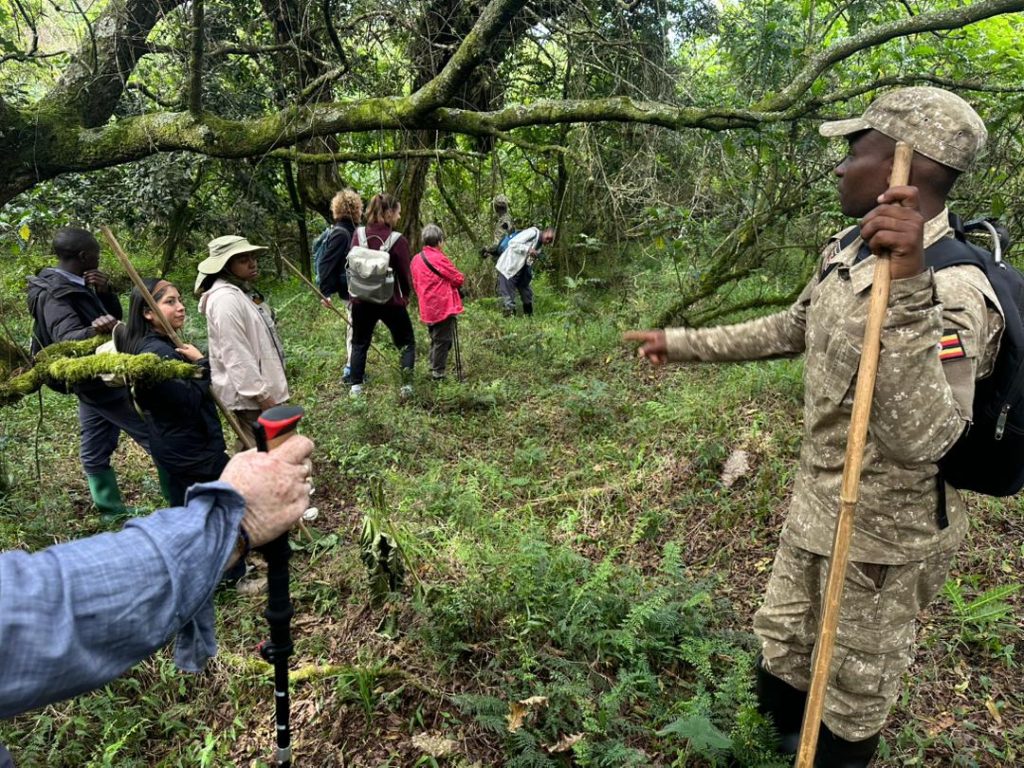
Gorilla Trek and Golden Monkey Safari. Mountain gorillas get all the attention, but the Virunga Mountains straddling Uganda, Rwanda, and the DR Congo hide a second, far quirkier primate encounter: the endangered golden monkey. Combining a gorilla trek with a golden monkey safari is one of the most efficient ways to see two rare, high-altitude primates in the same forest system, often within the same 2–3 day trip. This guide explains where to do it, what it costs in 2026, and how to build an itinerary that pairs the calm, powerful presence of a gorilla family with the bright, acrobatic energy of a golden monkey troop.
What Makes Golden Monkeys Worth the Detour?
Golden monkeys are an endangered subspecies found almost nowhere else on Earth outside the Virunga Massif — the same volcanic mountain range shared by Bwindi’s neighbouring Mgahinga Gorilla National Park in Uganda and Volcanoes National Park in Rwanda. Unlike the slow, deliberate movement of gorillas, golden monkeys are fast, playful, and constantly on the move through bamboo forest, often in troops of 30 to over 100 individuals. Because they live in the same mountain ecosystem as the gorillas, tracking both species rarely requires leaving the immediate region, which is exactly what makes this combination so appealing for travellers who want two distinct wildlife encounters without extending their trip by many extra days.
Where to Combine Gorilla Trekking and Golden Monkey Tracking
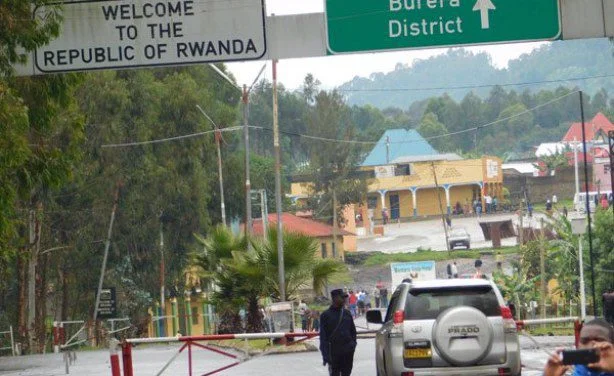
There are two places to do this pairing, and both work well. In Uganda, Mgahinga Gorilla National Park is the smallest of the country’s national parks but sits directly beside the Virunga volcanoes, offering both a (less frequently open) gorilla trekking option and reliable golden monkey tracking. In Rwanda, Volcanoes National Park is the more established choice — gorilla permits here are issued daily alongside golden monkey permits, making it the most dependable single-park option for combining both activities. Our golden monkey tracking in Rwanda guide covers the Volcanoes National Park experience in detail, while our overview of Uganda’s national parks puts Mgahinga’s smaller-scale offering in context.
Mgahinga Gorilla National Park: Uganda’s Under-the-Radar Option
Mgahinga is Uganda’s least-visited gorilla destination, and for good reason — only one gorilla family is currently habituated for trekking here, and it sometimes crosses into Rwanda or DR Congo, meaning trekking isn’t guaranteed year-round the way it is in Bwindi. What Mgahinga does offer reliably, however, is golden monkey tracking on the lower slopes of Mount Sabinyo, Mount Gahinga, and Mount Muhabura, plus scenic hiking options unavailable elsewhere in Uganda’s gorilla circuit. Because of this trade-off, we generally recommend Mgahinga to travellers already in the southwestern Uganda region rather than as a primary gorilla-trekking destination — read more in our guide to whether Mgahinga is safe and worth visiting for tourists.
Volcanoes National Park: Rwanda’s Reliable Combination
Volcanoes National Park is the more dependable choice for pairing both activities in one visit. With multiple habituated gorilla families and a well-established golden monkey tracking program on the bamboo-covered slopes of Mount Sabyinyo and Mount Gahinga, Rwanda allows travellers to book both permits for consecutive mornings without changing park or lodge. This is the pairing we build most often for clients who specifically want both primates without the uncertainty of Mgahinga’s single gorilla family, and it fits naturally into our Uganda-Rwanda gorilla safaris and standalone 3-Day Rwanda Gorilla Tour, both of which can be adapted to add a golden monkey morning.
Gorilla and Golden Monkey Permit Prices in 2026
Golden monkey permits are dramatically cheaper than gorilla permits, making this one of the best-value primate add-ons available in the region. Current 2026 pricing:
| Activity | Foreign Non-Resident | Foreign Resident | East African Citizen |
|---|---|---|---|
| Uganda gorilla trekking (Bwindi/Mgahinga) | US$800 | US$700 | UGX 300,000 |
| Uganda golden monkey tracking (Mgahinga) | US$60 | US$50 | UGX 40,000 |
| Rwanda gorilla trekking (Volcanoes) | US$1,500 | US$500 | varies |
| Rwanda golden monkey tracking (Volcanoes) | US$100 | varies | varies |
At roughly $60–$100, a golden monkey permit costs a small fraction of a gorilla permit, and sighting success rates are reported at close to 98% since the troops are large and easier to relocate than a single gorilla family. Both permits should be reserved together in advance through a licensed operator, and our team handles this dual booking directly for every itinerary that includes both activities.
How Different Is Golden Monkey Tracking From Gorilla Trekking?
The two experiences feel almost like opposites. A gorilla trek can take anywhere from under an hour to seven hours of hiking before you spend a calm, quiet hour watching a family feed and rest. Golden monkey tracking is typically shorter — often just 30 minutes to 2 hours of walking through bamboo forest — and once found, the troop rarely sits still; monkeys leap between bamboo stalks at close range, making for a livelier, faster-paced hour than the gorilla encounter. Because it’s physically easier and shorter, golden monkey tracking works well as a lighter second activity on the morning after a demanding gorilla trek, rather than the other way around.
Conservation Status: Why Golden Monkeys Matter
Golden monkeys are classified as endangered, with a total wild population estimated at only a few thousand individuals confined almost entirely to the Virunga Massif’s bamboo zones. Habitat loss from historical agricultural encroachment and their extremely narrow geographic range make them significantly more vulnerable than many other African primates, even though their playful, sociable troops can make sightings feel deceptively abundant. Permit revenue from golden monkey tracking, much like gorilla permit fees, is reinvested directly into park management, ranger patrols, and community conservation programs around Mgahinga and Volcanoes National Park — meaning every tracking permit purchased has a direct conservation impact well beyond the hour spent watching the troop.
Sample 3-Day Gorilla Trek and Golden Monkey Itinerary
A well-paced three-day version of this combination typically runs: Day 1, arrival and transfer to the Volcanoes National Park or Mgahinga region; Day 2, the gorilla trek itself, followed by rest in the afternoon; and Day 3, an early golden monkey tracking excursion before departure. This structure keeps the physically demanding gorilla trek on the day you’re most rested, while placing the lighter golden monkey activity on your final morning. It maps closely onto our existing 3-Day Rwanda Gorilla Tour and 2-Day Rwanda-to-Uganda Gorilla Trekking Safari, both of which we can extend by a morning to include golden monkeys.
Extending Into a Longer Primate Circuit
For travellers who want to go beyond gorillas and golden monkeys, the Virunga region connects naturally to Uganda’s other primate destinations. Adding a day or two allows you to fold in chimpanzee tracking at Kibale or Kyambura Gorge, turning a gorilla-and-golden-monkey trip into a fuller Uganda primate tracking safari. Our 5-Day Uganda-Rwanda Double Gorilla Safari and 15-Day Rwanda-Uganda Primate and Big Five Safari both show how far this circuit can be extended for travellers with more time.
Where to Stay Near Mgahinga and Volcanoes National Park
Because both activities are based in the same small mountain region, accommodation choice matters less for logistics than it does elsewhere in Uganda or Rwanda — most lodges near Kisoro (Uganda) or Kinigi/Musanze (Rwanda) sit within a short drive of both trailheads. On the Uganda side, we regularly recommend the Mountain Gorilla View Lodge for its proximity to Mgahinga, and our roundup of accommodation near Mgahinga Gorilla National Park covers options across every budget. If you’d rather eat locally between activities, our guide to where to eat near Mgahinga National Park in Kisoro rounds out the practical side of a stay in the area.
Rules and Preparation for Both Treks
The same core rules apply to both activities: a minimum age of 15, no participation while visibly unwell, and a required distance from the animals — roughly 7 metres for gorillas and a similar buffer recommended for golden monkeys, even though the monkeys themselves are less strict about approach distance. Pack the same essentials for both treks — waterproof boots, long trousers and sleeves, and a rain jacket — since bamboo forest at altitude can be just as damp and thorny as gorilla habitat. Our full packing list for gorilla trekking in Uganda, Rwanda and Congo covers everything needed for both, and it’s worth reviewing the broader gorilla trekking rules and regulations in Uganda before you travel.
Best Time of Year for This Combination
Both gorillas and golden monkeys are tracked year-round, so timing again comes down to trail conditions rather than sighting odds. The two dry seasons — June to September and December to February — offer firmer trails on the volcanic slopes shared by both activities, which matters more on a tight 2–3 day itinerary than on a longer trip. Our detailed guide to the best time to see gorillas in Uganda and Rwanda applies equally well to golden monkey tracking, since both share the same Virunga habitat and seasonal rainfall patterns.
Tips to Get the Most Out of a Gorilla and Golden Monkey Safari
Book the gorilla permit first, since it’s the scarcer and more expensive of the two, then add the golden monkey permit for the following morning once your dates are confirmed. Schedule the gorilla trek on the day you’re most rested, and treat golden monkey tracking as the lighter finale to your trip. Bring a faster shutter speed setting than you’d use for gorillas, since golden monkeys move quickly through bamboo and are considerably harder to photograph sharply — our gorilla and primate photography checklist covers camera settings for fast-moving subjects in low forest light. Finally, if your dates land close together, our car hire service can arrange transport between the Mgahinga and Volcanoes sides of the border if you want to sample both parks rather than sticking to just one.
Frequently Asked Questions About Gorilla Trekking and Golden Monkey Safaris
Can I do both treks on the same day?
It’s possible in Rwanda’s Volcanoes National Park since both activities depart from the same park headquarters, but it’s a long, tiring day. Most itineraries schedule them on consecutive mornings instead.
Is golden monkey tracking worth it if I’ve already trekked gorillas?
Yes — the experience is different enough (faster-moving troops, shorter trek, lower cost) that most travellers find it a worthwhile, low-cost addition rather than a repeat of the gorilla encounter.
Which is better for this combination — Uganda or Rwanda?
Rwanda’s Volcanoes National Park is the more reliable choice since gorilla permits are issued daily across multiple habituated families; Uganda’s Mgahinga has only one gorilla family and trekking isn’t always available.
How difficult is golden monkey tracking compared to gorilla trekking?
Generally easier and shorter — most golden monkey treks last under two hours on gentler terrain, compared to gorilla treks that can run several hours on steep ground.
Ready to Plan Your Gorilla Trek and Golden Monkey Safari?
Pairing a gorilla trek with golden monkey tracking is one of the easiest ways to add a second, entirely different primate encounter to your trip without adding much time or cost. Our team at Kenlink Tours handles both permits, transport, and lodging around Mgahinga and Volcanoes National Park, so the planning stays simple. Reach out through our contact page to get started, or browse our full Rwanda safaris and Uganda safaris collections for more ways to combine it into a longer trip.