- EXPERT'S HELP
- +256789210067
- +256200955001
- info@kenlinktours.com


Short Gorilla Safari in Uganda Beginning from Kigali
July 31, 2026
Gorilla + chimpanzee safaris
August 5, 2026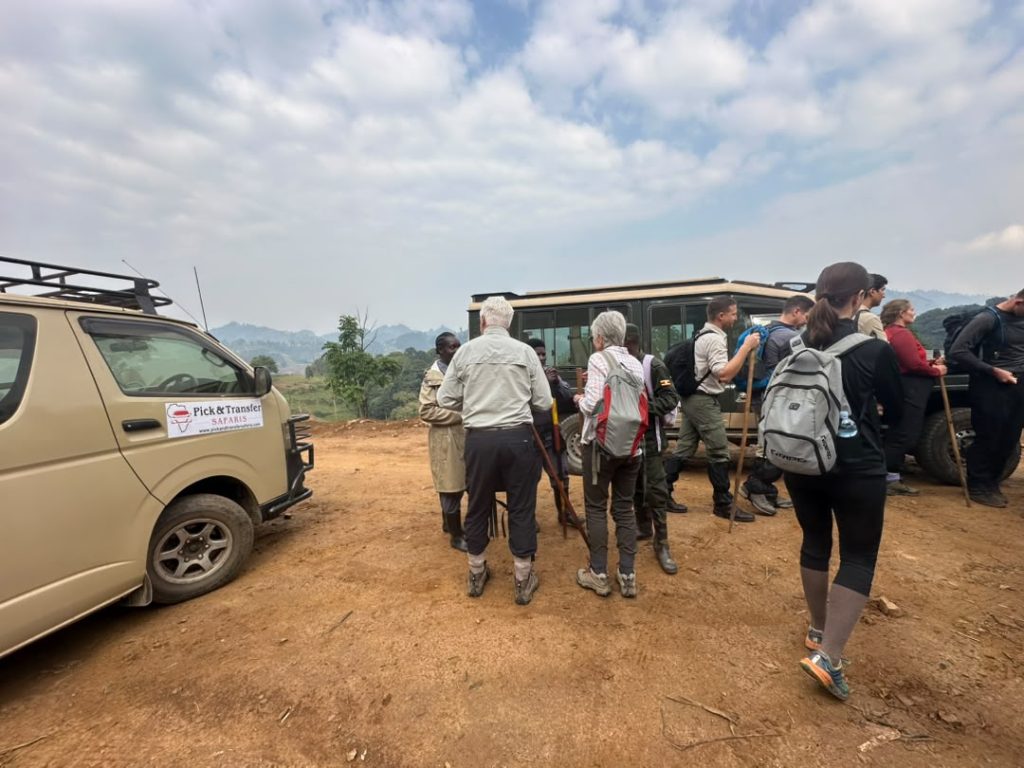
Short gorilla trips (1–3 days). Not everyone has two weeks to spare for an African safari — and the good news is you don’t need it to stand a few meters from a wild mountain gorilla. A well-planned short gorilla trip of 1 to 3 days can deliver one of the most profound wildlife encounters on the planet without eating up your entire vacation calendar. Whether you’re layering a quick gorilla trek onto a business trip to Kigali, adding it to a longer East Africa itinerary, or simply want the highlight-reel experience without the logistics of a two-week trip, this guide walks you through exactly how to do it — where to go, what it costs in 2026, and how to make every hour count.
Why a Short Gorilla Trip Actually Works
Mountain gorilla trekking is unusual among Africa’s bucket-list experiences because it doesn’t require days of game-driving across vast savannahs to find your subject. Gorilla families in Bwindi Impenetrable Forest and Rwanda’s Volcanoes National Park are habituated and monitored daily by trackers, so guides usually know roughly where a family slept the night before. That means the trek itself — however physically demanding — is a single, concentrated activity rather than a multi-day search. Pair that with Rwanda’s proximity to Kigali International Airport, and it becomes entirely realistic to fly in, trek, and fly out again within 48–72 hours.
What Actually Counts as a “Short” Gorilla Safari?
In the safari industry, a short gorilla trip generally refers to any itinerary of one to three days that includes a single gorilla trekking permit and minimal extra activities. This differs from standard “primate safaris” of 5 days or more, which usually combine gorilla trekking with chimpanzee tracking, game drives, or cultural visits. If your goal is purely the gorilla encounter with the fewest travel days possible, you’re looking at three practical formats: the ultra-fast one-day trip, the popular two-day safari, and the more relaxed three-day version — each explained below.
Is a 1-Day Gorilla Trekking Safari Really Possible?
Yes — but only from one starting point: Kigali, Rwanda. Because Kigali International Airport sits roughly a 2.5 to 3-hour drive from Volcanoes National Park, and gorilla permits in both Rwanda and southwestern Uganda’s Bwindi border region can technically be reached in a single (very long) day, some operators run same-day gorilla treks for travellers with tight schedules. It’s an intense day — an early 3 a.m. departure, the trek itself, and a return drive that night — but it works well for business travellers or cruise passengers with a single free day. If you’d rather not rush, our 2-day gorilla safari starting from Kigali covers the same ground at a far gentler pace.
2-Day Gorilla Safaris in Uganda: Bwindi from Kigali
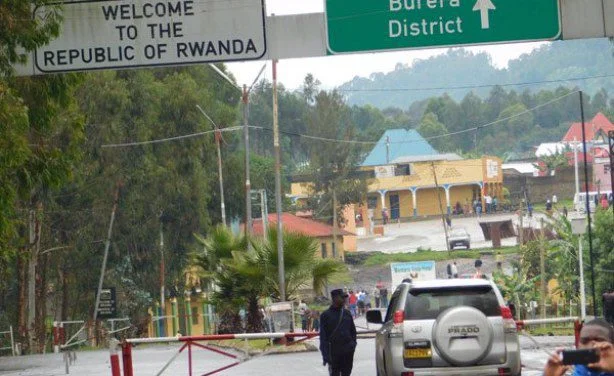
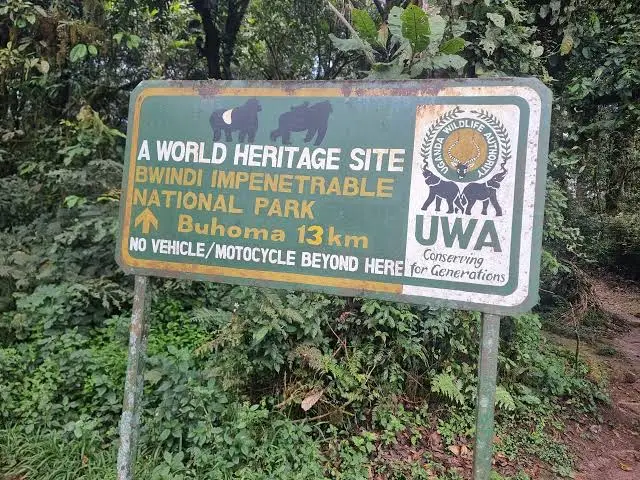
The two-day format is the sweet spot for most travellers heading into Uganda. Our 2-Day Uganda Gorilla Safari from Kigali collects you in Rwanda, drives you across the border to the southern sector of Bwindi Impenetrable National Park, and has you resting before an early trek the next morning. You spend one night near the park, trek in the morning, and drive back to Kigali by evening. It’s efficient without feeling rushed, and it lets you experience Bwindi’s dense, ancient rainforest — a UNESCO World Heritage Site — rather than only Rwanda’s more open volcanic slopes. For travellers who prefer a Uganda-only route without crossing back into Rwanda immediately, the 3-day Bwindi gorilla safari is a natural upgrade.
2-Day Gorilla Trekking in Rwanda: Volcanoes National Park
If flying in and out of Kigali with zero border crossings is the priority, Rwanda’s Volcanoes National Park is unbeatable. It’s the closest gorilla trekking destination to any international airport in the region. A typical two-day Rwanda structure has you arriving, transferring roughly two hours to Musanze/Kinigi, resting overnight, trekking the next morning, and flying out that evening or the following day. Rwanda’s shorter transfer times mean less of your trip is spent on the road and more of it face-to-face with the gorillas, which is a major reason short-trip travellers gravitate here. Rwanda’s volcanic slopes are also home to golden monkeys, so many two-day itineraries add a short golden monkey tracking excursion to round out the second day.
3-Day Gorilla Safaris: The Comfortable Sweet Spot
Three days is, in our experience, the ideal length for a short gorilla trip — enough time to trek without exhausting travel days, and enough buffer to handle weather delays or a late flight without jeopardizing your permit. Our 3-Day Uganda Gorilla Safari and 3 Days Best of Uganda Gorilla Safari both build in a full rest day before the trek, while 3 Days Rwanda Gorilla Safari and 3-Day Gorilla Trekking in Volcanoes National Park do the same on the Rwandan side. If your travel dates allow it, we generally steer first-time trekkers toward the three-day option over the tighter two-day version.
Bwindi (Uganda) vs Volcanoes National Park (Rwanda): Which Suits a Short Trip Better?
This is the single most common question we field from travellers planning a short gorilla trip, and the honest answer is: it depends on your entry point and budget. Uganda’s Bwindi is cheaper per permit, home to roughly half of the world’s remaining mountain gorillas, and offers a denser, more atmospheric rainforest trek. Rwanda’s Volcanoes National Park is more expensive but far more convenient logistically for anyone flying into Kigali, with shorter transfer times, better road infrastructure, and a more predictable trekking terrain on the lower slopes of the Virunga volcanoes. For a genuinely short trip of 1–2 days, Rwanda usually wins on convenience; for a 3-day trip where budget matters more than travel time, Uganda often wins on value. You can read more about the wider region on our Uganda overview page and Rwanda safaris page.
Gorilla Permit Costs in 2026 (Uganda & Rwanda)
Permit pricing is the single biggest cost driver on a short gorilla trip, and it varies significantly by country and residency status. As of 2026, standard permit pricing is as follows:
| Destination | Foreign Non-Resident | Foreign Resident | East African Citizen |
|---|---|---|---|
| Uganda (Bwindi standard trek) | US$800 | US$700 | UGX 300,000 |
| Uganda (Gorilla Habituation Experience) | US$1,500 | US$1,000 | UGX 750,000 |
| Rwanda (Volcanoes National Park) | US$1,500 | US$500 | varies |
Rwanda offers a notable discount: travellers combining Volcanoes National Park with another Rwandan national park between November and May can access gorilla permits at a reduced rate of around US$1,050 — worth checking if your short trip has any flexibility on dates. Permits should be secured 3–6 months in advance for peak season (June–August and December–February), though shoulder-season permits can sometimes be arranged with only a few weeks’ notice. Our team handles permit booking directly as part of every itinerary, including the 2-day Rwanda-to-Uganda gorilla trek.
What a Typical Short Gorilla Trekking Day Actually Looks Like
Regardless of which park you choose, gorilla trekking day follows a similar rhythm. You’ll gather at the park headquarters around 7 a.m. for a briefing, where rangers assign you to a specific gorilla family based on fitness level and interest. From there, trekking time to reach the gorillas can range from under an hour to seven hours, depending entirely on where that family wandered overnight — one reason it’s worth reading our detailed breakdown of how long a gorilla trek actually takes. Once you find the family, you’re allowed exactly one hour in their presence — enough time to watch them feed, groom, and interact at close range. Porters are available to carry your daypack and assist on steep terrain, and hiring one is both affordable and directly supports local community income.
Best Time of Year for a Short Gorilla Trip
Because trek duration is unpredictable regardless of season, timing matters most for trail conditions and rainfall, not gorilla sightings — habituated families are tracked year-round. The two dry seasons, June to September and December to February, offer firmer, less muddy trails, which matters more on a tight 1–3 day schedule where you can’t easily absorb a delayed or extended trek. The wetter months (March–May and October–November) bring lower rates and thinner crowds, but muddier, more physically demanding trails. Our full breakdown on the best time to see gorillas in Uganda and Rwanda goes into month-by-month detail if your dates are flexible.
What to Pack for a 1–3 Day Gorilla Safari
Because you won’t have days to adjust or replace gear, packing correctly matters even more on a short trip. At minimum, bring waterproof hiking boots with ankle support, a light rain jacket, long trousers and long sleeves (both for thorny vegetation and biting ants), gardening-style gloves, a wide-brim hat, and a daypack with a rain cover. We’ve put together a full gorilla trekking packing list for Uganda, Rwanda & Congo, and a broader general Africa safari packing list if your short gorilla trip is part of a longer trip. If photography is a priority, our free gorilla photography checklist covers lens choices and settings for the forest’s low light.
Rules and Regulations Every Short-Trip Traveller Must Know
Gorilla trekking is tightly regulated to protect both visitors and the gorillas, and the rules are worth knowing before you commit precious days to a short trip. Trekkers must be at least 15 years old, cannot participate while visibly sick (gorillas are highly susceptible to human respiratory illnesses), and must maintain a distance of roughly 7 meters from the animals at all times. Groups are capped at 8 permit-holders per gorilla family per day, flash photography is prohibited, and eating, drinking, or loud talking near the gorillas is discouraged. Because permits are non-transferable and non-refundable in most circumstances, it’s worth reading our full guide to gorilla trekking rules and regulations in Uganda before you travel, especially if your short itinerary leaves no buffer day to rebook.
Combining Gorilla Trekking with Chimpanzee Tracking in Just 3 Days
If you have the full three days and want more than one primate species, it is possible — though tight — to combine a gorilla trek with a chimpanzee walk, particularly around Uganda’s Kyambura Gorge near Queen Elizabeth National Park. It requires careful routing and an early start on both trekking days, so this is best arranged directly with a specialist rather than self-planned. Our 3-Day Chimpanzee Tracking Safari can be adapted with an added gorilla permit for travellers who want both primates without extending their trip beyond three days.
Getting There: Should You Fly Into Kigali or Entebbe?
Your starting airport meaningfully shapes how “short” your short trip can realistically be. Kigali International Airport (Rwanda) is roughly 2–3 hours from both Volcanoes National Park and the Uganda border crossing into Bwindi’s southern sector, making it the faster, more efficient gateway for 1–2 day trips. Entebbe International Airport (Uganda) is considerably further from Bwindi — typically a full day’s drive or a short domestic flight — which makes it a better fit for 3-day-plus itineraries rather than ultra-short ones. For most short gorilla trips, we route travellers through Kigali regardless of which park they trek in, and our car hire service can arrange private 4×4 transport for the border crossing if needed.
Sample Itineraries for a Short Gorilla Trip
To make planning easier, here’s how the most popular short itineraries typically break down:
- Day 1 trip: Same-day trek from Kigali — early departure, trek in Rwanda or the Uganda border zone, return to Kigali that night.
- 2-day trip: Arrive/transfer on Day 1, trek and return on Day 2 — ideal via our 2-Day Uganda Gorilla Safari or a Volcanoes-based equivalent.
- 3-day trip: Transfer Day 1, trek Day 2, relaxed return or bonus activity Day 3 — covered well by the 3 Days Best of Uganda Gorilla Safari.
- 3-day Rwanda-first trip: For travellers who want the Volcanoes experience specifically, the 3-Day Gorilla Trekking in Volcanoes National Park keeps the entire trip inside Rwanda.
If three days ends up feeling too short once you see the region, many travellers extend into our 5-Day Uganda-Rwanda Double Gorilla Safari or the 5-Day Gorilla Trekking Safari from Kigali to Uganda, both of which add a second trek in the neighbouring country.
Tips to Make the Most of a Short Gorilla Trip
Book your permit and accommodation together, and as early as your dates allow — permits sell out first, especially in peak months. Choose lodges within 30–45 minutes of the park headquarters rather than scenic-but-distant options, since every extra transfer hour eats into a tight schedule. Build in one buffer day if your trip length allows it, since flight delays or a longer-than-expected trek can otherwise cascade into a missed permit. And consider physical preparation seriously — even a short 1–3 day trip involves a trek that can run several hours at altitude on uneven terrain, so a few weeks of cardio conditioning beforehand pays off. For a first-hand sense of what to expect, our team’s account of what it’s like to trek gorillas in Uganda and Rwanda is worth a read before you go, and understanding what threatens mountain gorillas in the wild adds useful context on why the trekking rules exist in the first place.
Frequently Asked Questions About Short Gorilla Trips
Can I really see gorillas in just one day?
Yes, but only via a same-day trek departing from Kigali, and it involves a very long day of driving and trekking. Most travellers find a 2- or 3-day trip far more comfortable.
Which is better for a short trip — Uganda or Rwanda?
Rwanda is more convenient for 1–2 day trips due to its proximity to Kigali Airport; Uganda is better value for a 3-day trip where budget matters more than travel time.
How fit do I need to be?
Reasonable fitness is recommended. Treks can last from under an hour to seven hours over uneven, sometimes muddy, high-altitude terrain. Porters are available to help.
Do I need a visa for Uganda and Rwanda?
Most nationalities can use the East Africa Tourist Visa, which covers Rwanda, Uganda, and Kenya. Check current requirements with the relevant immigration authority before booking.
Ready to Book Your Short Gorilla Trip?
A short gorilla trip is proof that you don’t need weeks to have a life-changing wildlife encounter. Whether you choose a fast-paced 1-day trek from Kigali, a balanced 2-day Bwindi safari, or a relaxed 3-day Volcanoes National Park itinerary, our team at Kenlink Tours handles permits, transport, and lodging so you can focus on the experience itself. Get in touch via our contact page to start planning, or browse our full range of Uganda safaris and Rwanda safaris for options beyond the short trip format.