- EXPERT'S HELP
- +256789210067
- +256200955001
- info@kenlinktours.com


How to Plan Your First Gorilla Trekking Safari in Uganda
March 12, 2026
14-Day East Africa Safari: Uganda Gorillas & Serengeti Wildlife
March 12, 2026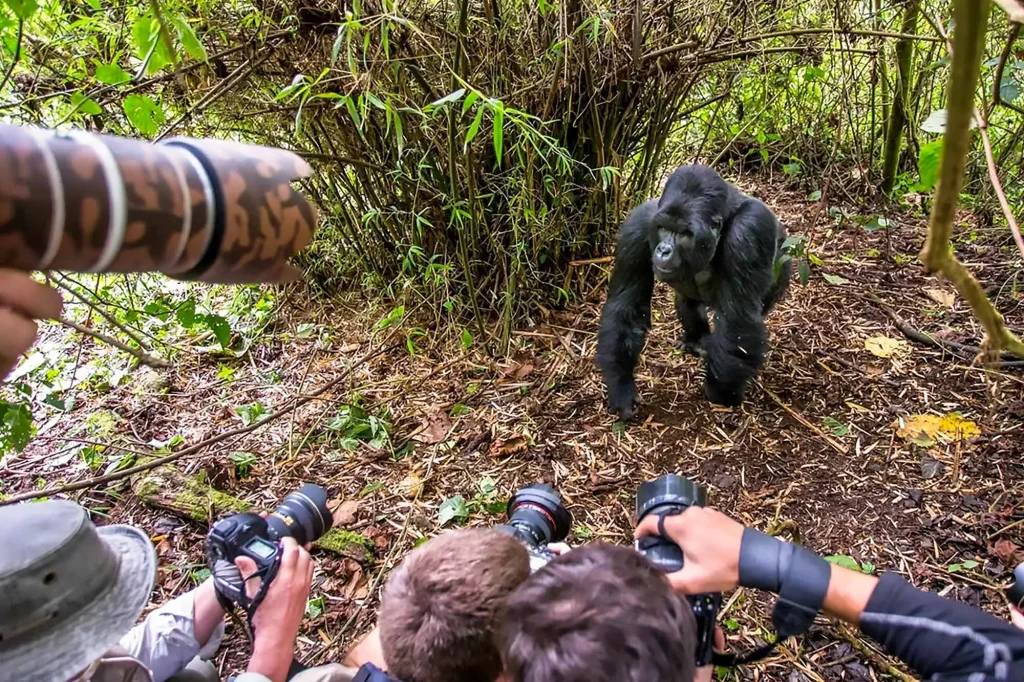
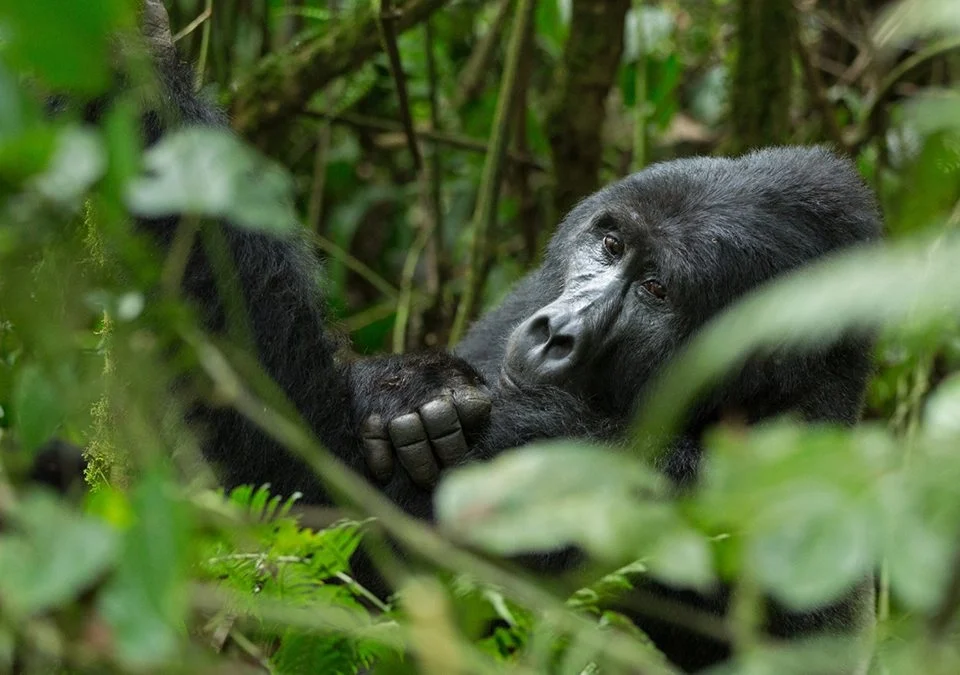
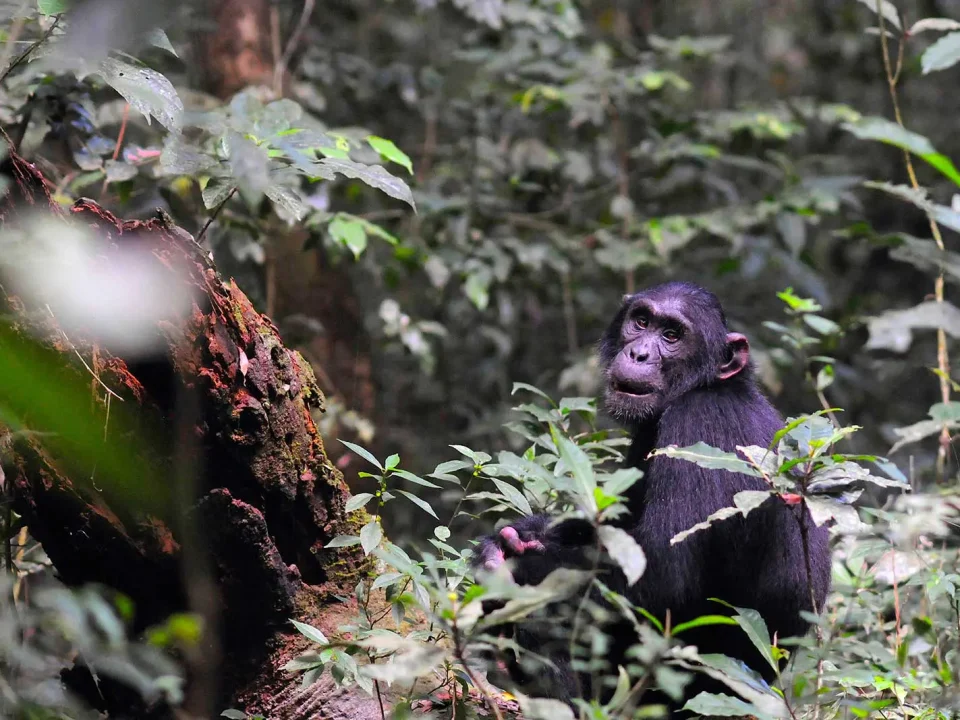
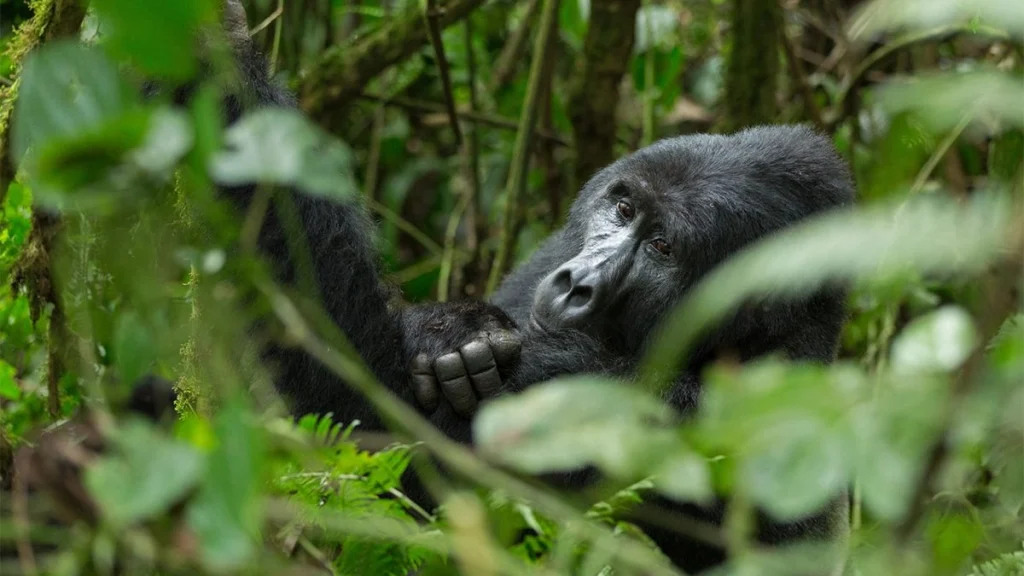
Gorilla Trekking Photography Tips: Capturing Wildlife Safely. Gorilla trekking is one of the most extraordinary wildlife experiences in the world, offering travelers the rare opportunity to observe endangered mountain gorillas in their natural habitat. For photographers, this experience presents a unique chance to capture powerful images of these magnificent primates while surrounded by the lush rainforest environment.
However, photographing gorillas in the wild requires patience, preparation, and respect for strict conservation rules. Since gorilla trekking takes place in dense forest conditions and close proximity to wildlife, photographers must balance capturing great images with ensuring the safety and well-being of the gorillas.
This guide provides essential photography tips to help you capture incredible gorilla images while maintaining responsible wildlife practices during your trek in Bwindi Impenetrable National Park or Mgahinga Gorilla National Park.
Understanding Gorilla Trekking Conditions
Before preparing your photography gear, it is important to understand the conditions in which gorilla trekking takes place. The forests where mountain gorillas live are thick, humid, and often shaded by tall trees and dense vegetation.
Lighting conditions can be challenging because sunlight rarely reaches the forest floor directly. This means photographers must be ready to shoot in low-light environments while adjusting camera settings quickly as the gorillas move through the forest.
The terrain can also be steep and muddy, requiring trekkers to hike through thick vegetation. Because of this, carrying lightweight and practical photography equipment is highly recommended.
Choose the Right Camera Equipment
Selecting the right photography gear is essential for a successful gorilla trekking experience. A DSLR or mirrorless camera with strong low-light performance is ideal for capturing detailed images in forest conditions.
A zoom lens between 70mm and 200mm is usually sufficient for photographing gorillas, as trekkers are typically positioned within a limited viewing distance from the animals. Some photographers prefer lenses up to 300mm for tighter portraits, but extremely long lenses may not be necessary due to the relatively close viewing distance.
It is also helpful to carry extra batteries and memory cards since the humid forest environment and long trekking hours can quickly drain camera power.
Use Natural Light Effectively
Because flash photography is strictly prohibited during gorilla trekking, photographers must rely entirely on natural light. Flash can disturb gorillas and cause unnecessary stress, which is why park regulations do not allow it.
To compensate for low-light conditions, photographers should increase their camera’s ISO setting and use a wider aperture to allow more light into the lens. Modern cameras perform well at higher ISO levels, making it easier to capture sharp images without using flash.
Keeping the shutter speed fast enough is also important to avoid motion blur when gorillas move or interact with each other.
Focus on Gorilla Behavior
Some of the most powerful wildlife photographs capture natural animal behavior rather than posed images. During gorilla trekking, photographers have the opportunity to document fascinating social interactions within the gorilla family.
You may witness young gorillas playing with each other, mothers caring for their babies, or the dominant silverback calmly watching over the group. These moments provide incredible storytelling opportunities through photography.
Observing the gorillas quietly and anticipating their movements can help photographers capture meaningful images that reflect their natural lives in the forest.
Respect Safe Viewing Distance
During gorilla trekking, visitors are required to maintain a safe distance from the animals to protect both humans and gorillas. These rules are strictly enforced by park rangers to prevent disease transmission and avoid disturbing the gorillas’ natural behavior.
Photographers should avoid moving too close to the animals in search of a better shot. Instead, use your camera’s zoom lens to frame images while respecting the recommended viewing distance.
By following these guidelines, photographers contribute to the long-term conservation of mountain gorillas and ensure that future visitors can enjoy the same remarkable experience.
Protect Your Camera from Rain and Humidity
Rainforest environments can be unpredictable, and sudden rain showers are common during gorilla treks. High humidity can also affect camera equipment if it is not properly protected.
Using a waterproof camera cover or rain sleeve helps protect the camera during wet conditions. A dry bag or padded camera backpack is also useful for keeping equipment safe during the hike.
Silica gel packs placed inside camera bags can help reduce moisture buildup and protect sensitive equipment from humidity damage.
Capture the Environment
While the gorillas are the main highlight, photographers should also capture the surrounding forest environment to tell a complete story of the trekking experience.
Photographing the dense vegetation, mist-covered hills, and towering trees helps illustrate the unique habitat where mountain gorillas live. Including environmental shots alongside close-up portraits creates a more balanced and visually compelling photography collection.
Wide-angle images showing gorillas within their natural surroundings can also be incredibly powerful.
Work with Your Guide and Rangers
Park guides and trackers play an important role in helping photographers find the best positions for capturing gorilla images. These experienced professionals understand gorilla behavior and know how to position visitors safely without disturbing the animals.
Listening to your guide’s instructions and following their advice helps ensure both safety and better photography opportunities. They may also point out interesting moments or positions that offer excellent angles for photography.
Stay Calm and Patient
Gorilla trekking photography requires patience and calm observation. The forest environment can sometimes make it difficult to capture clear shots immediately, especially when vegetation blocks the view.
Rather than rushing for photos, take your time and wait for the gorillas to move naturally into better positions. Often the best photographs happen when the gorillas are relaxed and behaving naturally.
Patience allows photographers to capture authentic wildlife moments that truly reflect the beauty and personality of these incredible primates.
Ethical Wildlife Photography Practices
Responsible wildlife photography is essential when observing endangered animals like mountain gorillas. Ethical practices ensure that photography does not interfere with the animals’ natural behavior or habitat.
Some key ethical practices include:
-
Avoiding loud noises and sudden movements.
-
Never using flash photography.
-
Respecting the viewing distance recommended by park authorities.
-
Limiting time spent near the gorillas according to trekking rules.
By following these guidelines, photographers contribute to conservation efforts and help protect mountain gorillas for future generations.
Gorilla trekking photography offers a once-in-a-lifetime opportunity to capture powerful images of one of the world’s most endangered primates. With proper preparation, the right equipment, and a strong respect for wildlife guidelines, photographers can document unforgettable moments deep in the rainforest.
Whether photographing a playful juvenile gorilla or a majestic silverback resting in the forest, the experience of capturing these remarkable animals in places like Bwindi and Mgahinga is both inspiring and deeply rewarding.