- EXPERT'S HELP
- +256789210067
- +256200955001
- info@kenlinktours.com


Explore Uganda & Tanzania: Gorilla Trekking and Great Migration
March 12, 2026
Gorilla Trekking Photography Tips: Capturing Wildlife Safely
March 12, 2026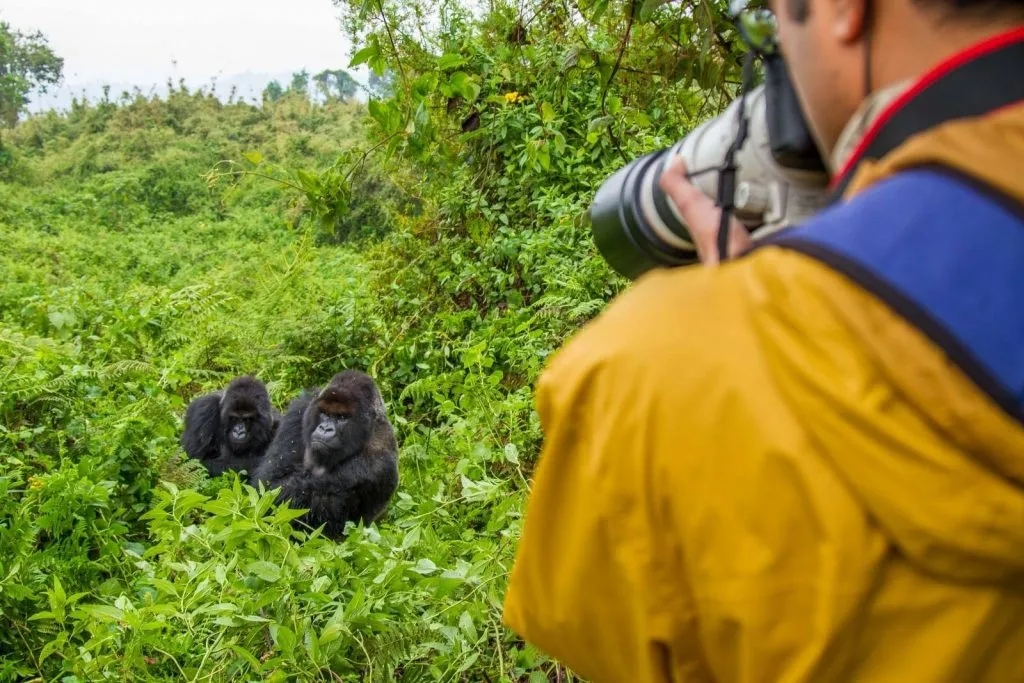
How to Plan Your First Gorilla Trekking Safari in Uganda. Planning your first gorilla trekking safari in Uganda is an exciting adventure that offers one of the most unforgettable wildlife experiences in the world. Trekking through dense rainforest to observe endangered mountain gorillas in their natural habitat is both thrilling and deeply rewarding. Uganda is one of the best destinations for gorilla trekking, offering remarkable landscapes, experienced guides, and several habituated gorilla families.
This guide explains everything you need to know to plan your first gorilla trekking safari in Uganda, from choosing the right destination and securing permits to preparing for the trek and making the most of your experience.
Where Gorilla Trekking Takes Place in Uganda
Uganda is home to two national parks where visitors can track mountain gorillas: Bwindi Impenetrable National Park and Mgahinga Gorilla National Park. These protected areas are located in the southwestern region of the country and form part of the larger Virunga conservation landscape.
Bwindi is the most popular gorilla trekking destination in Uganda and is home to nearly half of the world’s remaining mountain gorillas. The park features thick rainforest, steep hills, and numerous gorilla families available for trekking. Mgahinga, though smaller, offers a scenic trekking experience in the Virunga volcanic mountains and is known for its beautiful landscapes and quieter trekking trails.
Understanding Gorilla Trekking Permits
Before planning your safari, it is important to secure a gorilla trekking permit. Permits are required for every trekker and are issued by the wildlife authorities managing the parks.
Each permit allows visitors to spend one hour with a habituated gorilla family once they are located. The number of permits available per day is limited in order to protect the gorillas and reduce human impact on their environment.
Because permits sell out quickly, especially during peak travel seasons, travelers should book them several months in advance. Planning early ensures availability and helps secure the preferred trekking dates and locations.
Best Time to Go Gorilla Trekking
Gorilla trekking in Uganda is possible throughout the year, but some seasons offer more comfortable trekking conditions.
The dry seasons are generally considered the best time to visit because forest trails are less muddy and easier to hike. These seasons typically occur between June and September and from December to February.
However, the rainy seasons can also be rewarding. The forest is lush and green, and there are often fewer visitors in the parks. Regardless of the season, gorilla trekking remains a remarkable experience year-round.
Preparing for the Trek
Gorilla trekking involves hiking through forest terrain that can be steep, slippery, and sometimes challenging. Treks may last anywhere from one to several hours depending on where the gorillas are located on that day.
Preparing physically before the trip is helpful, especially for travelers who may not be accustomed to hiking. Simple exercises such as walking, hiking, or light cardio workouts can improve endurance and make the trek more enjoyable.
On the trekking day, visitors attend a morning briefing where park rangers explain safety guidelines and trekking procedures before assigning each group to a gorilla family. Experienced guides and trackers lead the trek through the forest while sharing information about wildlife and conservation efforts.
What to Pack for Gorilla Trekking
Packing the right gear is essential for a comfortable trekking experience. Some recommended items include:
-
Sturdy hiking boots with good grip for forest trails.
-
Long-sleeved shirts and trousers to protect against insects and vegetation.
-
A waterproof jacket or rain poncho.
-
Gardening gloves to help hold vegetation during the hike.
-
A small backpack with drinking water and snacks.
-
A camera with a zoom lens for capturing unforgettable moments.
Neutral-colored clothing is recommended because it blends well with the forest environment and does not disturb wildlife.
What Happens During the Gorilla Encounter
Once the gorilla family is located, visitors are allowed to spend up to one hour observing them. This is often the most magical moment of the entire safari.
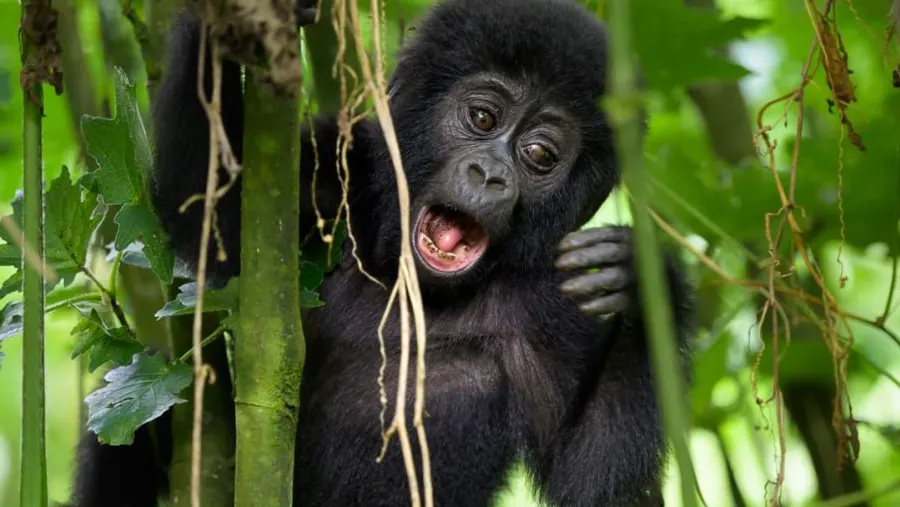
During this time, trekkers may watch young gorillas playing, mothers caring for their infants, and the dominant silverback keeping watch over the group. The experience provides a rare glimpse into the social structure and daily behavior of these incredible primates.
Visitors are required to maintain a safe distance from the gorillas and follow the guide’s instructions to ensure both human and gorilla safety. Flash photography and loud noises are not permitted.
Additional Activities to Combine with Gorilla Trekking
Many travelers combine gorilla trekking with other safari activities in Uganda. Some popular options include:
-
Chimpanzee tracking in Kibale Forest.
-
Wildlife safaris in Queen Elizabeth National Park.
-
Boat cruises along wildlife-rich waterways.
-
Cultural experiences with local communities.
-
Birdwatching in Uganda’s forests and wetlands.
Combining multiple activities allows visitors to experience the country’s incredible biodiversity and landscapes beyond the gorilla forests.
Tips for First-Time Gorilla Trekkers
Planning ahead can make your first gorilla trekking safari smoother and more enjoyable. Here are some helpful tips:
-
Book permits well in advance to secure preferred trekking dates.
-
Arrive at the park a day before the trek to avoid travel delays.
-
Hire a porter to assist with carrying bags and navigating steep terrain.
-
Stay hydrated and take breaks during the hike when needed.
-
Follow all park rules and respect the gorillas’ natural environment.
These small preparations help ensure a safe, comfortable, and rewarding trekking experience.
Why Gorilla Trekking in Uganda Is Special
Uganda offers one of the most authentic and rewarding gorilla trekking experiences in Africa. The country’s dense forests, mountainous terrain, and dedicated conservation programs make it a top destination for wildlife lovers.
Trekking through ancient rainforests and standing just a few meters away from a gorilla family is an experience that leaves a lasting impression on travelers. It also contributes directly to conservation efforts and supports local communities living near the parks.