- EXPERT'S HELP
- +256789210067
- +256200955001
- info@kenlinktours.com


Which tour companies book gorilla permits in Uganda
August 26, 2026
Uganda Declared Ebola free by World Health Organization
August 27, 2026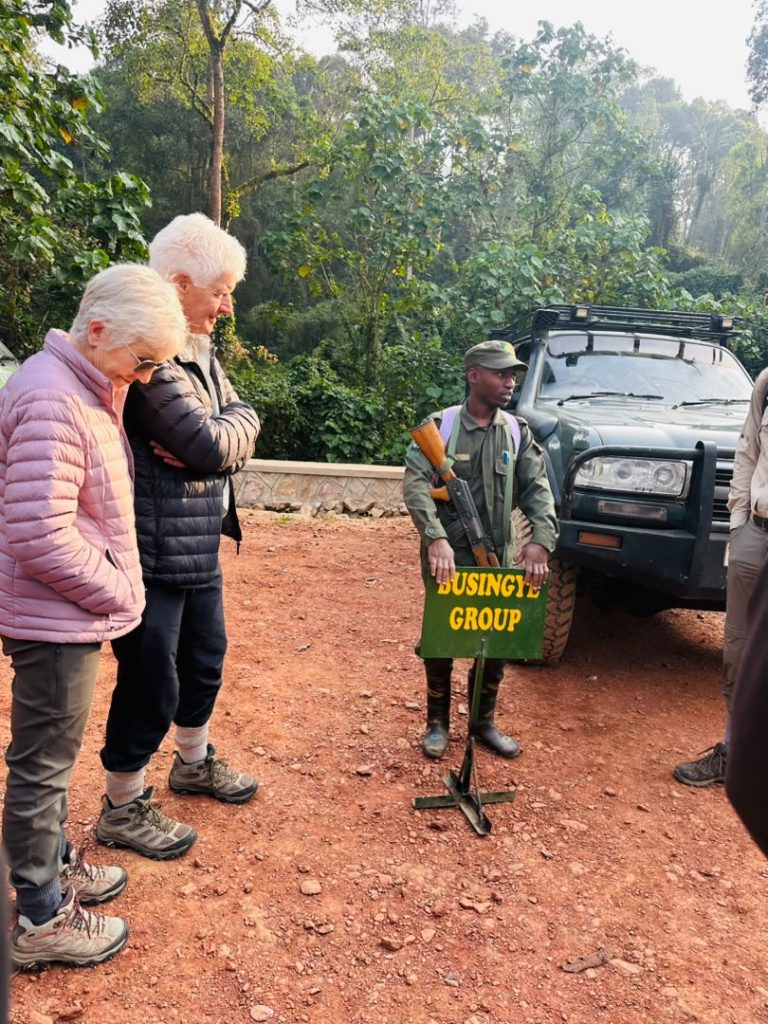
How to do cheap gorilla tour in Uganda. Mountain gorilla trekking has a reputation as one of the most expensive wildlife experiences on the planet, and in Rwanda that reputation is well earned. But Uganda tells a different story. It is home to more than half the world’s remaining mountain gorillas, its permits cost roughly half what neighboring Rwanda charges, and with the right planning, a traveler can trek face-to-face with a gorilla family without draining their entire travel budget. This guide walks through exactly how to do a cheap gorilla tour in Uganda — from permit pricing and seasonal timing to budget lodges, group joining, and the small decisions that quietly save hundreds of dollars. Every tip here comes from how Kenlink Tours actually structures affordable gorilla safaris for real travelers, not a theoretical “what if” itinerary.
Before diving in, it helps to be honest about what “cheap” really means here. Gorilla trekking will never be a five-dollar activity — the permit alone costs several hundred dollars, and that money funds conservation, ranger salaries, and community programs that protect the species. “Cheap” in this context means cutting every cost around the permit that does not add real value: overpriced transport, unnecessarily luxurious lodges, inflated middleman fees, and poorly timed trips. Get those right, and a genuinely affordable gorilla safari in Uganda is well within reach.
This guide is written specifically for travelers who want the real trekking experience — the forest, the ranger briefing, the hour with a habituated gorilla family — without paying for extras that don’t change that core moment. Every section below tackles one specific decision point in the planning process, in roughly the order you’ll actually make those decisions: when to go, where to base yourself, how to book, how to get there, and where to sleep. By the end, you should be able to build a realistic budget of your own rather than relying on a single quoted “package price” from one operator.
Why Uganda Is Africa’s Best-Value Gorilla Destination
Start with the basic math. A Uganda gorilla permit runs roughly $800 for foreign non-residents, compared to around $1,500 in Rwanda — nearly half the price for what is, in practice, the same species, the same one-hour trek, and often better forest scenery. Uganda also spreads its gorilla families across four trekking sectors rather than one crowded park, which naturally reduces the premium pricing that comes with high demand in a single location. Add cheaper ground transport, more budget lodge options, and a lower general cost of living, and it becomes clear why serious budget travelers consistently choose Uganda safaris over Rwanda’s pricier alternative. Even the Democratic Republic of Congo, which technically offers the cheapest permits in the region, carries security concerns that make Uganda the more sensible budget-and-safety balance for the vast majority of travelers, rather than the absolute rock-bottom price being worth the added risk.
Understanding the Gorilla Permit: What You’re Actually Paying For
The Uganda Wildlife Authority sets permit prices at roughly $800 for foreign non-residents, around $700 for foreign residents, and about $80 (300,000 UGX) for East African citizens. That fee covers park entry, an armed ranger-guided trek, and the gorilla visit itself — it does not include accommodation, transport, meals, or tips, which is exactly where budget planning makes the biggest difference. Occasionally UWA also releases discounted permits during the quieter April, May, and November months, though these promotions vary year to year and typically cannot be rescheduled once booked, so confirm current availability with your operator before committing to specific dates. A well-planned 3-day Uganda gorilla safari builds the entire trip timeline around the one fixed cost you cannot avoid — the permit — and minimizes everything else around it.
When to Go: Timing Your Trek for Maximum Savings
Uganda’s dry seasons, roughly December to February and June to September, are the most popular trekking months, which pushes up lodge rates even when permit pricing stays flat. Traveling during the shoulder or wetter months — April, May, and November — usually means lower accommodation prices, thinner crowds on the trail, and occasionally discounted permits. Trekking in light rain is not actually unpleasant in a rainforest that is wet most of the year anyway, and the cost savings on lodging alone can easily offset the minor inconvenience of a poncho and proper boots. Operators offering flexible scheduled departure safaris can often slot budget travelers into these quieter windows at a noticeably lower total cost.
Choosing the Right Bwindi Sector for Your Budget
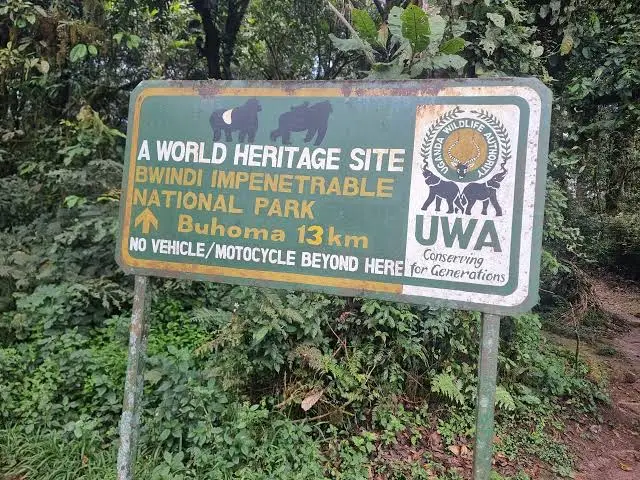
Bwindi Impenetrable National Park is split into four trekking sectors — Buhoma, Ruhija, Rushaga, and Nkuringo — and they are not priced the same once you factor in nearby accommodation. Buhoma, the oldest and most established sector, leans heavily toward upscale lodges, which pushes average trip costs higher. Rushaga and Ruhija tend to offer a wider spread of budget and mid-range guesthouses, making them a smarter base for cost-conscious travelers who still want a short drive to the trailhead each morning. Comparing sector-specific options is easier when you look at real destination guides such as Pick and Transfer Safaris’ Bwindi Impenetrable Forest guide, which breaks down each sector’s character and typical price range.
Add a Community or Cultural Visit for Free Added Value
Many budget travelers skip cultural experiences to save money, but a Batwa community walk or local craft market visit near Bwindi typically costs very little and adds real context to the trip — understanding who lived in these forests before they became protected parkland changes how the trek itself feels the next morning. These visits also directly support local income outside of park fees, which is part of why so many operators build them into even their most budget-focused itineraries at little to no extra charge. For travelers routing through Kibale for chimp tracking as well, Pick and Transfer Safaris’ Kibale Forest National Park guide covers nearby community options worth adding to that leg of the trip too.
Don’t Overlook Mgahinga: A Quieter, Cheaper Alternative
While Bwindi gets most of the attention, Mgahinga Gorilla National Park offers a smaller, less crowded trekking experience that can work out cheaper overall thanks to lower demand on accommodation and transport in the area. It is also a convenient add-on for travelers crossing between Uganda and Rwanda, since it sits right on the border. A useful independent overview of the park is available through Pick and Transfer Safaris’ Mgahinga Gorilla National Park guide, worth reading before deciding which park fits your route and budget better.
Book Through a Local Tour Operator, Not Directly
It is technically possible to buy a permit directly from the Uganda Wildlife Authority, but in practice this route is slow, email-heavy, and easy to get wrong as a first-time visitor unfamiliar with the process. Established local operators like Kenlink Tours already hold relationships and faster communication channels with UWA, and because they book permits in volume across many travelers, they can often secure better overall trip pricing than an individual traveler negotiating alone. A quick message through Kenlink Tours’ contact page is usually enough to get a same-day quote and confirmed availability, without the multi-week back-and-forth of a direct government booking. It is also worth requesting two or three quotes from different operators for the same dates before booking — pricing structures vary enough between companies that a quick comparison, including with operators like Pick and Transfer Safaris’ own contact page, can reveal a noticeably better package for the exact same permit and park.
Group Joining: The Single Best Way to Cut Costs
If there is one strategy that saves budget travelers the most money, it is joining a scheduled group safari instead of booking a private vehicle and guide solo. Splitting transport, fuel, and guide fees across four to six travelers instead of one or two can cut per-person costs dramatically, sometimes by more than half compared to a fully private itinerary. Kenlink Tours runs dedicated group tours specifically for this reason, pooling solo travelers and small groups onto shared departures without sacrificing the actual gorilla trekking experience, which remains identical whether you arrived by shared vehicle or private 4×4.
Road Transport vs. Flying: Save Hundreds by Driving
Domestic flights to airstrips near Bwindi are fast and comfortable, but they can cost several hundred dollars more than road transport from Kampala or Entebbe. A long drive of six to nine hours sounds intimidating, but it doubles as a scenic tour through rural Uganda and, when combined with an overnight stop, does not feel wasted the way a similar drive might elsewhere. Kenlink Tours’ car hire service lets budget travelers choose ground transport confidently, and pairing this with a multi-stop itinerary like the 3-days best of Uganda gorilla safari turns the long drive into part of the adventure rather than dead time.
Combine Gorilla Trekking with Other Wildlife for Better Value
Once you have paid for the flight or long drive to southwestern Uganda, it makes financial sense to see more than just gorillas while you are there. Chimpanzee tracking, in particular, costs far less than a gorilla permit and can usually be added to the same trip with minimal extra transport cost. Itineraries such as the 5-day gorilla and chimpanzee tour or the shorter 3-day chimp tracking safari to Kibale National Park spread your fixed transport costs across two unforgettable wildlife experiences instead of one, meaningfully lowering your cost per activity.
Short Itineraries Beat Long Luxury Safaris on Value
A two-week luxury circuit through every national park in Uganda is a wonderful trip, but it is not a budget trip. If your primary goal is genuinely affordable gorilla trekking, a tightly planned two-to-four day itinerary focused specifically on that goal will always cost less than a sprawling multi-week safari with gorillas as just one stop among many. Options like the 4-day Uganda primate tour or a compact 4-day Uganda cultural and gorilla tour deliver the core experience — trekking, a cultural stop, maybe one more park — without the accumulated lodging and transport costs of a much longer trip.
Budget Accommodation Without Sacrificing Comfort
Lodging is usually the single most flexible cost in any gorilla safari budget. Community-run guesthouses and simple bandas near the park gates typically run a fraction of the price of the region’s famous luxury lodges, while still offering clean rooms, hot water, and home-cooked meals within walking distance of the trailhead. Because permit availability and lodging both need to be confirmed together, working with an operator who plans accommodation alongside your permit — the way Kenlink Tours does across its safari packages — avoids the common budget-traveler mistake of booking a cheap permit date only to find every affordable room nearby is already sold out.
Packing Smart to Avoid Unnecessary Rental Costs
Renting gaiters, walking poles, and rain gear at the park gate is convenient but adds up quickly across a multi-day trip. Packing your own sturdy hiking boots, a lightweight rain jacket, and gardening gloves for pushing through nettles costs almost nothing compared to daily rental fees, and it is one of the simplest ways to shave real money off your total trip cost without cutting anything that affects the trek itself. A porter, by contrast, is worth the small tip requested — they are usually local community members, and hiring one supports the same communities that benefit from conservation tourism in the first place.
Avoiding Common Scams and Hidden Fees
Because gorilla permits are limited and in high demand, they attract a small number of unlicensed sellers offering “discounted” permits that turn out to be fake or already used. Always book through a registered operator, and ask for a permit confirmation number you can independently verify. Reputable companies on both sides of the border are transparent about this — Pick and Transfer Safaris’ About Us page and Kenlink Tours’ own About Us page both lay out real company history and registration details, which is a simple, fast way to separate a legitimate operator from a scam page copying real photos from elsewhere online.
Sample 3-Day Budget Gorilla Safari Itinerary
A realistic, cost-conscious itinerary looks something like this: Day one, drive from Kampala or Entebbe to a budget lodge near your chosen Bwindi sector, arriving in the afternoon with time to rest before the trek. Day two, an early breakfast followed by the gorilla trek itself — briefing at the park headquarters, several hours hiking to locate a habituated gorilla family, and a full hour observing them at close range. Day three, an optional short activity such as a community walk or Batwa cultural visit before the drive back. This structure closely mirrors Kenlink Tours’ own 3-day Uganda gorillas safari, and a similarly efficient structure appears in Pick and Transfer Safaris’ 3-day Uganda gorilla safari, confirming this timeline works reliably across operators. Travelers who prefer a slightly longer trip without a large jump in cost can also look at a full 7-day Uganda safari one-week tour for comparison, which spreads the same fixed transport costs across several more wildlife activities.
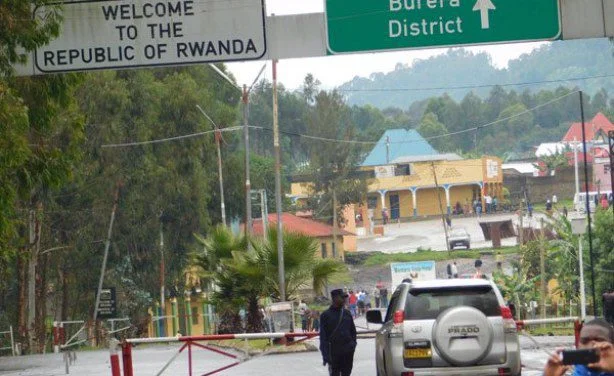
Cross-Border Option: Combining Uganda with Rwanda on a Budget
Some travelers assume combining Uganda and Rwanda automatically means paying Rwanda’s higher permit prices, but a smarter route is basing your trek in Uganda while still crossing the border for a shorter Rwanda add-on focused on scenery rather than a second permit. Itineraries like the 3-day Rwanda gorilla safari, the border-friendly 2-day Uganda gorilla safari starting from Kigali, or the more complete 5-day Uganda Rwanda double gorilla safari show how flexible this routing can be. For travelers landing in Kigali first, Pick and Transfer Safaris’ 1-day Uganda gorilla safari from Kigali and their 2-day Volcanoes gorilla trek from Kigali are useful comparisons for understanding typical cross-border pricing and logistics.
Budgeting for Tips and the Costs People Forget
Tipping guides, rangers, and porters is customary and, while not mandatory, genuinely expected in Uganda’s tourism economy — budget roughly $10 to $20 per guide or ranger and $5 to $10 for a porter per trek day. Bottled water, park entry fees for any additional activities, and a modest cash reserve for community craft purchases near the trailhead are easy to forget when estimating a “final” budget number. Building a small buffer for these costs into your overall trip plan, alongside your core safari booking, prevents an otherwise well-planned cheap gorilla tour from feeling stressful in the final days of the trip.
What a Longer Wildlife Trip Adds if Your Budget Allows
If your budget stretches slightly further than the minimum, extending your trip to include Queen Elizabeth National Park or Murchison Falls adds significant wildlife variety for a relatively small marginal cost, since your transport and flights are already accounted for. Itineraries such as the 7-day amazing gorilla and wildlife safari show how this works in practice, and Pick and Transfer Safaris’ Queen Elizabeth National Park guide is a useful independent reference for understanding what that added leg actually includes before you commit the extra budget.
Frequently Asked Questions
What is the actual cheapest way to see gorillas in Uganda? Combine a low-season trekking date, a budget lodge in Rushaga or Ruhija, group-joined transport, and road travel instead of flights — the structure behind Kenlink Tours’ 3-day gorilla safari.
Is Uganda really cheaper than Rwanda for gorilla trekking? Yes — Uganda’s permit price is roughly half of Rwanda’s, and general trip costs (lodging, transport, food) also tend to run lower.
Can I trek gorillas on a short weekend trip? Yes, though tight timing is worth planning carefully with an operator — a compact 2-day itinerary is possible for travelers already in the region.
Are group safaris safe and comfortable, or only for the very budget-conscious? Group safaris use the same vehicles, guides, and permits as private trips — you simply share the transport and guide cost with other travelers, which is why Kenlink Tours’ group tours remain a popular option even among travelers who could afford a private trip.
Final Verdict: Yes, a Cheap Gorilla Tour in Uganda Is Realistic
A genuinely affordable gorilla trekking trip in Uganda is not a myth or a marketing exaggeration — it is simply the result of a few deliberate choices: the right season, the right sector, a shared group departure, road transport instead of flights, and a locally trusted operator who plans your permit and lodging together rather than leaving you to coordinate everything separately. Kenlink Tours builds exactly this kind of trip for budget-conscious travelers every season, and comparing notes with operators like Pick and Transfer Safaris only reinforces how consistent these money-saving strategies are across the industry.
If you are ready to start planning, reach out through Kenlink Tours’ contact page with your travel dates and budget range, and a real itinerary — not a generic price list — can be built around exactly how much you want to spend. Mountain gorillas will not wait forever, and neither will the cheaper trekking season, so the best time to start planning your budget gorilla tour in Uganda is now.
One last piece of advice worth repeating: the biggest budgeting mistake is not choosing the wrong lodge or the wrong season — it’s waiting too long to start the conversation with an operator. Gorilla permits are limited by design, sold on a first-come basis for each specific date, and popular low-season slots disappear months in advance despite the quieter crowds. Reach out early, be upfront about your budget ceiling, and let an experienced local team match you to the sector, season, and itinerary length that actually fits what you’re willing to spend, rather than trying to reverse-engineer a budget trip from a luxury package built for someone else’s holiday.