- EXPERT'S HELP
- +256789210067
- +256200955001
- info@kenlinktours.com


How to do cheap gorilla tour in Uganda
August 27, 2026
Where to stay in Kisoro
August 28, 2026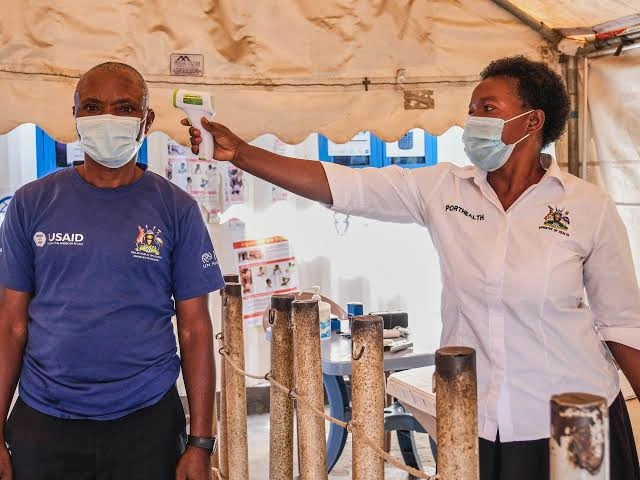
Uganda Declared Ebola free by World Health Organization. On 26 August 2026, the World Health Organization confirmed what Uganda’s Ministry of Health had already announced a month earlier: the country’s Ebola outbreak is officially over. The declaration followed a 42-day monitoring period with zero new cases, the internationally recognized threshold for confirming that every chain of transmission has been broken. For travelers who had been watching the situation before booking a Uganda safari, this is the clearest possible signal that the country is open, monitored, and safe to visit.
This is genuinely good news, and it deserves to be reported accurately rather than turned into a marketing headline that overstates what actually happened. Below, we walk through what the outbreak was, how Uganda contained it so quickly, what officials at the WHO and Uganda’s Ministry of Health have said, and — just as importantly — what is still happening across the border in the Democratic Republic of Congo, where the wider regional outbreak has not ended. We also look at what this means in practical terms for anyone with a Uganda safari already booked, or anyone who had quietly shelved travel plans while waiting for exactly this kind of official confirmation.
What Actually Happened: A Timeline of Uganda’s 2026 Ebola Outbreak
The outbreak was caused by the Bundibugyo ebolavirus species and was first linked to an imported case detected in Uganda in May 2026, connected to a much larger, ongoing outbreak already underway in the Democratic Republic of Congo. Uganda recorded 20 confirmed cases in total: 15 imported cases and 5 locally acquired infections among close contacts and health workers. Two people died and 18 recovered. Uganda’s Ministry of Health tracked more than 800 contacts throughout the response. The last confirmed case was recorded on 21 June 2026, and the last patient was discharged from treatment on 16 July 2026. Throughout this period, the country’s core tourism infrastructure — parks, lodges, and operators running itineraries like gorilla and chimpanzee safaris — continued operating under close observation rather than shutting down, a distinction that matters for anyone trying to understand how disruptive this outbreak actually was in practice.
Understanding the 42-Day Countdown
Uganda’s Ministry of Health first declared the outbreak over domestically on 28 July 2026, but that was not the final word. Public health protocol requires a 42-day countdown — exactly double the maximum known incubation period for Ebola — with zero new confirmed cases before an outbreak can be formally closed. That period ran without incident, and on 26–27 August 2026 the WHO and Africa CDC jointly confirmed the outbreak’s end. WHO’s Uganda representative, Dr. Kasonde Mwinga, explained that the waiting period “provides additional assurance that no chains of transmission linked to the imported case reported in Uganda in May were missed.” That is a deliberately cautious, evidence-based standard, not a political announcement, which is exactly why it carries weight with international travelers and health authorities alike.
What WHO and Uganda’s Health Officials Said
The tone from global health leadership was notably positive about Uganda’s response specifically. The WHO Director-General said Uganda “has demonstrated that with decisive action, Ebola outbreaks can be brought under control quickly,” while the Africa CDC Director-General called it “a victory for Uganda and an important lesson for our continent.” Uganda’s Ministry of Health Permanent Secretary, Dr. Diana Atwine, was candid about the economic toll the outbreak had taken, noting that travel restrictions “continued to affect the country’s economy,” and confirmed that surveillance and border screening would continue as a precaution even after the declaration. That combination — genuine relief paired with continued vigilance — is exactly the tone a responsible traveler should take away from this news.
What Is Still Happening in DR Congo
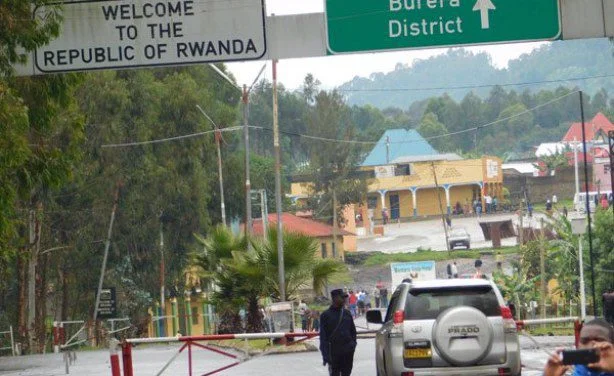
It would be misleading to describe this as the end of Ebola in the region, and a good travel resource should say so plainly. The outbreak in the Democratic Republic of Congo, centered in Ituri province, remains active and serious: as of late August 2026, DRC had recorded 5,656 confirmed cases and 2,715 deaths, with Ituri alone accounting for more than 4,700 infections. Uganda shares an 877-kilometer border with this region and has taken an active role in the regional response, operating Ebola treatment centers in Aru and Kasenyi in Ituri and preparing to open two more. Travelers researching the wider region should understand this distinction clearly: Uganda’s own outbreak is closed and verified; the broader DRC crisis is not, and cross-border vigilance at Uganda’s frontier remains an active, ongoing effort rather than a completed one. Operators active in the region, including Pick and Transfer Safaris’ Akagera National Park guide and their Nyungwe Forest National Park guide, are useful for travelers mapping out exactly how far their planned route sits from the active DRC outbreak zone before finalizing an itinerary.
What This Means for Travel Restrictions
Several countries imposed travel advisories or restrictions on Uganda following the May case, and officials have been explicit that those measures should now be lifted. Uganda’s Ministry of Health stated plainly that countries should “lift the restrictions off the country, and Ugandans should be free to travel to any country,” a message echoed by tourism operators who watched bookings slow during the outbreak period. For inbound travelers, the practical effect of the WHO declaration is that any entry requirements or screening tied specifically to Uganda’s outbreak status should now be easing, though routine border health screening — a normal feature of travel to this region even before the outbreak — is expected to continue.
Is It Safe to Travel to Uganda Now?
Based strictly on the WHO’s own criteria, yes. A verified, expired 42-day countdown with zero new cases is the same international standard used to close every prior Ebola outbreak in the region, including Uganda’s own previous outbreaks in 2000, 2007, 2011, 2012, and 2022. Uganda has more practical experience containing Ebola than almost any other country on the continent, and this outbreak — 20 cases, contained within roughly ten weeks from first detection to zero transmission — is a clear demonstration of that experience in action. Travelers planning a Uganda safari or gorilla trekking trip can reasonably treat the country as open, while still practicing the same sensible health awareness recommended for any international trip. Longer combined itineraries, such as the 10-day gorilla trekking and great migration safari or the 14-day East Africa safari, are also proceeding as planned, since none of their core routes pass through the active outbreak area in DR Congo.
Gorilla Trekking and Safari Parks: Largely Unaffected Throughout
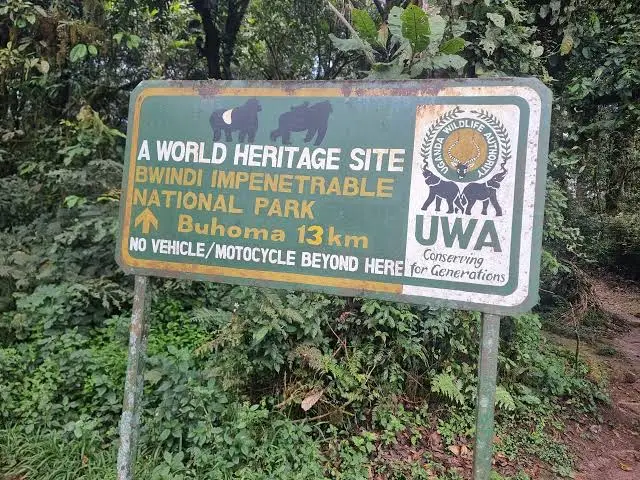
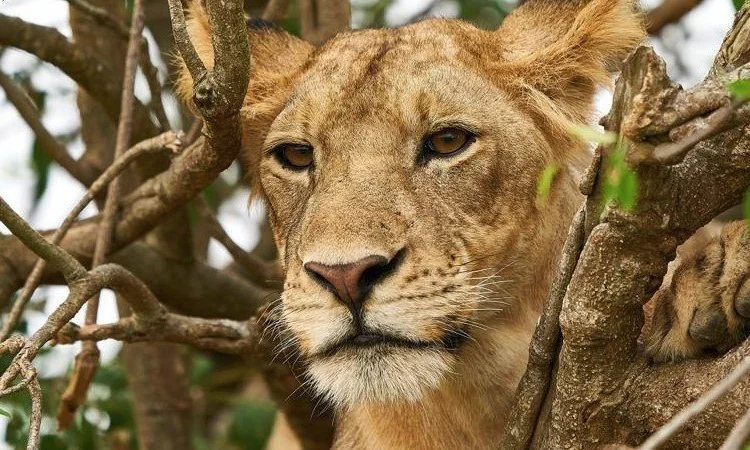
Uganda’s major tourism circuits — Bwindi Impenetrable Forest, Queen Elizabeth National Park, Murchison Falls, and Kibale — continued operating throughout the outbreak period, and case numbers stayed low precisely because of fast isolation and contact tracing rather than any breakdown in the country’s health response. Itineraries such as the 3-day best of Uganda gorilla safari, the 5-day gorilla and wildlife safari, and multi-park trips like the 7-day amazing gorilla and wildlife safari ran on schedule for most of 2026. For an independent look at the same parks from another regional operator’s perspective, Pick and Transfer Safaris’ Bwindi guide, their Queen Elizabeth National Park guide, and their Murchison Falls National Park guide are useful, current references for travelers double-checking conditions before booking.
Health and Safety Measures Still in Place
Border screening, temperature checks, and health questionnaires remain part of entering and moving through Uganda, and this is not new — Uganda has maintained heightened surveillance at its DRC border crossings for years given the region’s recurring Ebola risk. Travelers should expect this to continue, view it as a sign of a functioning system rather than a red flag, and follow standard guidance: avoid contact with wild or bushmeat, wash hands frequently, and follow any instructions from park rangers or lodge staff. None of this materially changes the experience of a well-organized safari; it is simply part of responsible travel to this part of East Africa, outbreak or not. Travelers can review Uganda’s general entry conditions and terms directly through Kenlink Tours’ terms and conditions page before departure, alongside the routine advice most operators already issue for any East African safari.
Booking Your Uganda Safari as Restrictions Ease
With the WHO declaration now official, demand is expected to rebound quickly, and popular gorilla trekking permits and lodge dates can fill fast once travel advisories formally lift. Reaching out early through Kenlink Tours’ contact page is the fastest way to confirm current availability, and travelers who prefer to share transport and guide costs can look at group tours or the flexible scheduled departure safaris now that group sizes and demand are normalizing. For those planning ground transport from Entebbe or Kampala, car hire options are also worth booking ahead of the expected rebound in visitor numbers. Travelers interested in a longer stay can also look into the Tourism Internship Uganda program, which continued accepting participants throughout the outbreak period and is a good real-world signal of how normal daily life and business remained across most of the country.
How Uganda Compares to Other Safari Destinations Right Now
Uganda’s transparent, WHO-verified handling of this outbreak stands in useful contrast to how information sometimes travels — or doesn’t — in the broader safari market. Travelers comparing destinations can review Kenlink Tours’ guide to Uganda alongside independent resources like Pick and Transfer Safaris’ About Us page and their destinations overview to get a fuller regional picture. Both Uganda and Rwanda remain strong, well-monitored choices for 2026 travel, and itineraries combining the two — such as 3-day Rwanda gorilla safaris and the longer 5-day Uganda Rwanda double gorilla safari — are proceeding without disruption tied to Uganda’s now-closed outbreak. For travelers weighing a Rwanda-first route, Pick and Transfer Safaris’ 2-day Volcanoes gorilla trek from Kigali is a useful comparison point for current cross-border conditions and pricing.
What Tour Operators Are Doing to Reassure Travelers
Responsible operators on both sides of the border have leaned into transparency rather than silence during the outbreak period, publishing accurate updates instead of hoping the topic would quietly disappear from search results. Kenlink Tours’ own About Us page and comparable pages from Pick and Transfer Safaris’ contact page and their 3-day Uganda gorilla safari listing give travelers a direct line to ask specific, current questions rather than relying on outdated blog posts or secondhand rumors — always the safer approach when health-related travel news is involved.
Frequently Asked Questions
Is Uganda currently free of Ebola? Yes. The WHO confirmed the end of Uganda’s outbreak on 27 August 2026 after a verified 42-day period with zero new cases, following the country’s own declaration on 28 July 2026.
Is the wider Ebola outbreak in the region over? No. The outbreak in DR Congo’s Ituri province remains active and significantly larger, with thousands of cases as of late August 2026. Uganda’s outbreak, which was a smaller, imported spillover, is the part that has been declared over.
Can I still go gorilla trekking in Uganda? Yes. Uganda’s parks, including Bwindi and Queen Elizabeth National Park, remained operational throughout the outbreak, and the WHO declaration removes the last major reason for hesitation among international travelers.
Will there still be health screening at the border? Likely yes, in some form — Uganda has maintained routine health screening at its DRC border crossings for years, independent of any single outbreak, and this is expected to continue as standard practice.
Final Word: A Verified Milestone, Not a Marketing Claim
Uganda’s Ebola-free declaration is a real, internationally verified public health milestone, backed by the WHO’s own strict 42-day standard rather than a convenient announcement timed to tourism season. It reflects a fast, well-coordinated response to a relatively small, contained outbreak, and it is worth taking seriously precisely because it was earned the hard way — through contact tracing, treatment, and patience, not spin. The DRC situation across the border is a reminder that the region’s broader Ebola risk has not disappeared, and Uganda’s continued vigilance at its frontier is part of what makes its own status trustworthy.
If you had been holding off on booking a Uganda safari while waiting for clarity, this is that clarity. Reach out through Kenlink Tours’ contact page to check current availability for gorilla trekking, wildlife safaris, and combined Uganda-Rwanda itineraries — the parks never closed, and now, officially, neither does the door to visiting them.