- EXPERT'S HELP
- +256789210067
- +256200955001
- info@kenlinktours.com


Luxury Lodges for the Great Migration Experience
March 12, 2026
Explore Uganda & Tanzania: Gorilla Trekking and Great Migration
March 12, 2026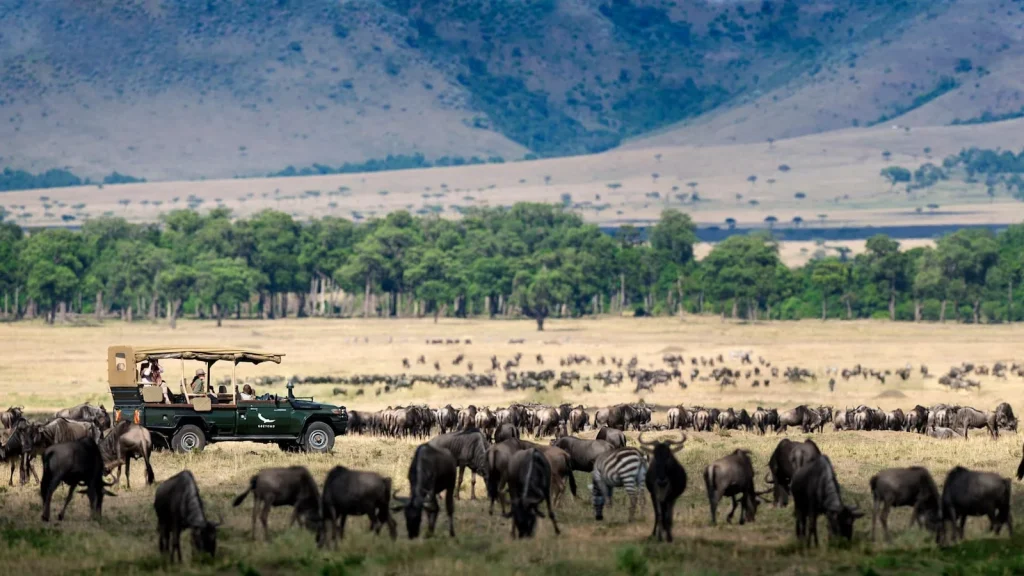
Maasai Mara Migration Safari: How to Plan Your Trip. The Great Migration in the Maasai Mara National Reserve is one of the most breathtaking wildlife spectacles on Earth. Every year, millions of wildebeest, zebras, and gazelles move across the plains of East Africa in search of fresh grazing, creating dramatic scenes of river crossings, predator encounters, and endless wildlife activity. Planning a Maasai Mara migration safari requires careful timing, preparation, and understanding of the migration patterns to ensure the best possible experience.
This guide explains everything travelers need to know about planning a successful Maasai Mara migration safari, including the best time to visit, where to stay, how to get there, and what to expect during this incredible natural event.
Understanding the Great Migration
The Great Migration is a continuous, year-round movement of over 1.5 million wildebeest accompanied by hundreds of thousands of zebras and gazelles. The herds move in a circular pattern between Tanzania’s Serengeti and Kenya’s Maasai Mara depending on rainfall and grazing conditions.
The most dramatic stage of the migration occurs when the herds cross the Mara River, where powerful currents and lurking crocodiles create intense wildlife moments. These river crossings are often considered the highlight of a Maasai Mara safari and attract photographers and wildlife enthusiasts from around the world.
During this period, predators such as lions, cheetahs, and hyenas closely follow the herds, making the Mara one of the best places in Africa to witness predator-prey interactions.
Best Time to Visit Maasai Mara for the Migration
The best time to witness the migration in the Maasai Mara is between July and October. During this period, the herds arrive from the Serengeti and cross the Mara River into Kenya.
-
July – August: The first herds begin arriving in the Maasai Mara, and early river crossings occur.
-
August – September: Peak migration season with massive herds and dramatic river crossings.
-
October: The herds gradually begin moving back toward the Serengeti.
Although wildlife viewing is excellent year-round, these months offer the most dramatic migration scenes and wildlife concentrations.
How to Get to the Maasai Mara
Travelers typically begin their journey in Nairobi, the main international gateway to the Maasai Mara. From Nairobi, visitors can reach the reserve in two main ways:
-
By Road: A drive of about 5–6 hours through scenic countryside and local villages.
-
By Air: A short 45–60 minute flight from Nairobi’s Wilson Airport to one of the Mara’s airstrips.
Flying is the fastest and most convenient option, especially for travelers on shorter itineraries. However, road transfers allow visitors to experience Kenya’s landscapes and rural communities along the way.
Choosing the Best Accommodation
The Maasai Mara offers a wide range of accommodation options, including luxury lodges, mid-range camps, and budget tented camps. The choice depends on travel preferences, comfort levels, and budget.
Luxury camps often provide exclusive game drives, gourmet meals, and stunning views of the savannah. Mid-range lodges offer comfortable rooms and guided safari activities, while budget camps provide basic but authentic safari experiences closer to nature.
Many camps are located near migration routes or along the Mara River, allowing guests to witness wildlife activity directly from the camp or lodge. Booking early is highly recommended, especially during peak migration season when accommodations fill quickly.
Planning Game Drives
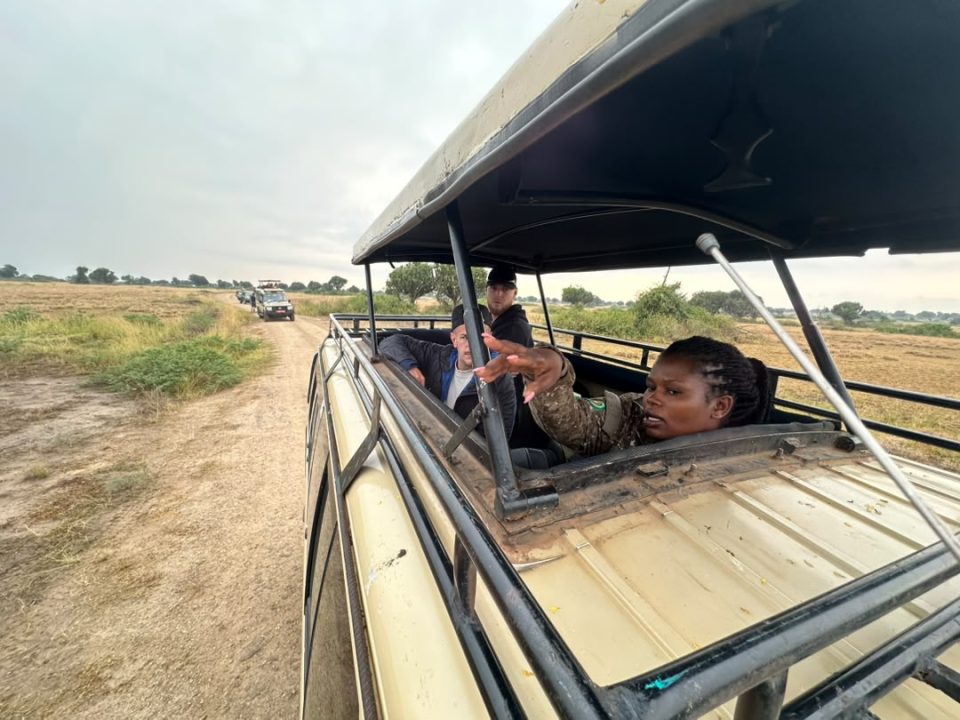
Game drives are the main activity during a Maasai Mara safari. These drives usually take place early in the morning and late in the afternoon when wildlife is most active.
During migration season, guides track herd movements and position vehicles near potential crossing points along the Mara River. Patience is often required, as crossings can happen suddenly and unpredictably.
Visitors may see:
-
Thousands of wildebeest and zebras gathering at riverbanks.
-
Crocodiles waiting in the water during crossings.
-
Predators such as lions and cheetahs hunting migrating animals.
-
Other wildlife including elephants, giraffes, buffalo, and numerous bird species.
Professional guides play an important role in maximizing wildlife sightings and explaining animal behavior throughout the safari.
Optional Safari Experiences
In addition to game drives, visitors can enjoy several optional experiences during their Maasai Mara safari.
Hot air balloon safaris are among the most popular activities. Floating above the savannah at sunrise offers breathtaking views of the migrating herds and the surrounding landscape. After landing, guests often enjoy a champagne breakfast in the bush.
Cultural visits to Maasai villages also provide an opportunity to learn about the traditions and lifestyles of the Maasai people who live around the reserve. These visits often include traditional dances, craft demonstrations, and insights into local conservation practices.
Guided nature walks and photography safaris are other exciting options for travelers seeking deeper exploration of the ecosystem.
What to Pack for a Maasai Mara Safari
Proper packing ensures a comfortable and enjoyable migration safari. Essential items include:
-
Lightweight safari clothing in neutral colors.
-
A wide-brimmed hat and sunglasses for sun protection.
-
Comfortable walking shoes or hiking boots.
-
Binoculars for wildlife viewing.
-
A camera with a zoom lens for capturing wildlife moments.
-
Sunscreen and insect repellent.
Temperatures can vary between cool mornings and warm afternoons, so layering clothing is recommended.
Tips for a Successful Migration Safari
Planning ahead can make a significant difference in the quality of a Maasai Mara migration safari. Travelers should consider:
-
Booking accommodation and flights several months in advance.
-
Choosing experienced guides who understand migration patterns.
-
Spending at least three to four days in the Mara to increase chances of witnessing river crossings.
-
Being patient and flexible, as wildlife movements depend on natural conditions.
These strategies help maximize the chances of experiencing the most exciting moments of the migration.