- EXPERT'S HELP
- +256789210067
- +256200955001
- info@kenlinktours.com


Why you should start your Uganda Safari from Kigali
August 26, 2026
Which tour companies book gorilla permits in Uganda
August 26, 2026
One Day Gorilla Trek In Bwindi From Kigali. Searching for a one-day gorilla trek in Bwindi Impenetrable Forest National Park starting from Kigali, Rwanda? We want to give you an honest answer before you book anything: unlike Mgahinga Gorilla National Park, a genuine same-day round trip to Bwindi from Kigali is not realistic. In this guide we explain exactly why, walk through the real distances and timing involved, and point you toward the itineraries that actually work — including a proper multi-day Bwindi trek and a genuine one-day alternative at Mgahinga.
We would rather tell you this clearly upfront than sell you an itinerary that leaves you exhausted, stuck at a border after dark, or missing your gorilla trekking briefing entirely. Read on for the full picture, plus the options that do work well from Kigali.
This is one of the more common misconceptions we hear from travelers planning a Uganda gorilla trek from Rwanda. It usually comes from confusing Bwindi with Mgahinga, since both are Uganda gorilla parks reachable from Kigali, and both are sometimes lumped together in generic “gorilla trekking from Kigali” search results. They are not interchangeable once you look at the actual road distances involved, and this guide exists specifically to clear that confusion up before you book flights, permits, or accommodation around a plan that will not work as intended.
The Short Answer: Not Recommended
A same-day Kigali-to-Bwindi-and-back gorilla trek is technically conceivable on paper but not something we recommend or offer as a standard package. The driving distance alone makes it an exhausting, high-risk itinerary compared with the one-day trip that genuinely works well: our Uganda gorilla safari starting from Kigali, Rwanda, which is built around Mgahinga instead. If your search led you here because you specifically want Bwindi rather than Mgahinga — perhaps for a particular gorilla family or sector — the honest recommendation is to add at least one overnight stay rather than trying to compress it into a single day.
How Far Is Bwindi From Kigali, Really?
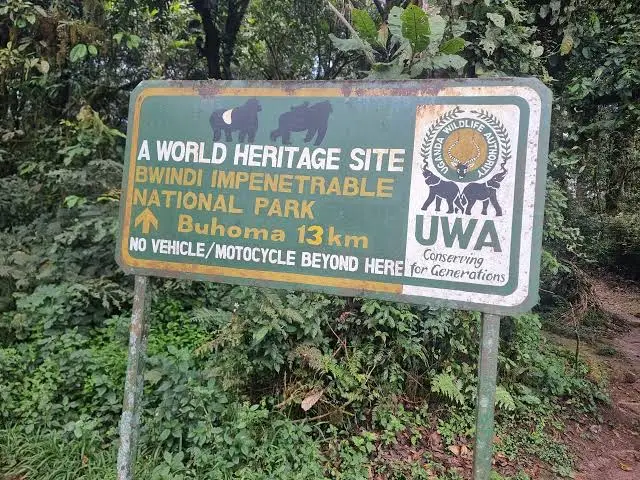
Bwindi Impenetrable Forest National Park sits 160 to 200 km from Kigali depending on which of its four sectors you are trekking in, with a one-way drive time of 4 to 6 hours. Our detailed breakdown in how far Bwindi is from Kigali covers each sector and border route in full.
Why a One-Day Round Trip Doesn’t Work Like Mgahinga
Mgahinga Gorilla National Park is only 134 km from Kigali, a 3-4 hour drive, which is what makes its one-day itinerary genuinely workable. Bwindi’s extra 30 to 90 minutes each way does not sound like much until you double it for a round trip: 8 to 12 hours of driving alone, on top of trekking time, briefings, and border crossings, pushes total door-to-door time well past 20 hours.
Hour-by-Hour: What a Hypothetical One-Day Bwindi Trip Would Require
| Time | Activity |
|---|---|
| 1:00-1:30 AM | Pickup from Kigali (extremely early) |
| 1:30-6:30 AM | Drive to the border and on to Bwindi |
| 7:00-7:30 AM | Arrival, registration for briefing |
| 7:30 AM-1:00 PM | Trekking and one hour with the gorillas |
| 1:00-2:00 PM | Lunch and rest |
| 2:00-8:00 PM | Return drive to Kigali |
Even in the best-case scenario, this schedule requires a 1:00 a.m. pickup and an arrival back in Kigali around 8:00 p.m. — a 19-hour day with no margin for a longer trek, a border delay, or road conditions, none of which we consider a responsible itinerary to sell.
Compare that to the one-day Mgahinga schedule, which starts around 3:00 a.m. and returns by early evening, roughly 14 to 16 hours door to door. That four-to-five-hour difference may not sound dramatic on paper, but in practice it is the difference between a demanding-but-doable day and one that pushes well past what most travelers can safely and comfortably manage, especially after an international flight the day before.
The Four Bwindi Sectors and Why Distance Varies
Bwindi is split into four trekking sectors: Buhoma, Ruhija, Rushaga, and Nkuringo. Rushaga and Nkuringo, in the south, are the closest to Kigali via the Cyanika border, while Buhoma, in the north, requires the longer Katuna route. Whichever sector your permit falls in, our 3-day Bwindi gorilla safari from Kigali is built to accommodate the actual travel time each one requires.
Ruhija sits roughly in the middle of the park and is reachable from either border, though it typically adds slightly more driving time than Rushaga or Nkuringo when starting from Kigali. Because permits are allocated by Uganda Wildlife Authority to a specific sector rather than to “Bwindi” generally, it is worth confirming your exact sector as early as possible, since this single detail determines both your border crossing and your realistic overnight location. Pick and Transfer Safaris covers each sector individually in their Bwindi Impenetrable Forest destination guide.
Cyanika vs Katuna Border: Timing for Each
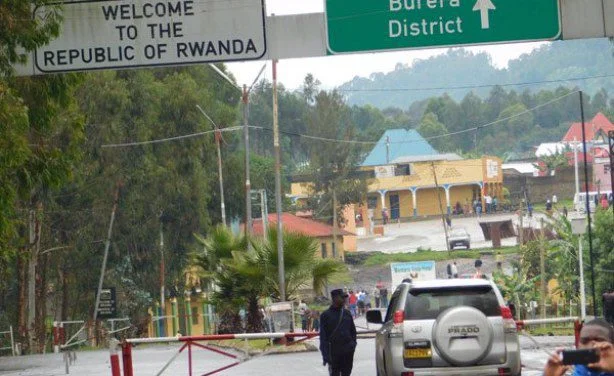
The Cyanika border, near Musanze, serves Bwindi’s southern sectors and is the faster route, generally around 4 hours to reach Rushaga or Nkuringo. The Katuna border near Kabale serves Buhoma and typically takes 5 to 6 hours. Compare both routes in detail through Pick and Transfer Safaris’ Bwindi guide before choosing a sector.
Comparing Bwindi’s One-Day Feasibility to Mgahinga’s
| Factor | Mgahinga | Bwindi |
|---|---|---|
| Distance from Kigali | ~134 km | 160-200 km |
| One-way drive time | 3-4 hours | 4-6 hours |
| One-day round trip feasible? | Yes, though demanding | Not recommended |
| Gorilla families | 1 (Nyakagezi) | 20+ across 4 sectors |
If a one-day itinerary is truly your only option, Mgahinga is the park that actually supports it — see our 2-day gorilla safari from Kigali for the more comfortable version of that same Mgahinga route.
Permit Rules That Make a Rushed Bwindi Trip Risky
Gorilla trekking briefings at Bwindi start around 7:30 a.m. sharp, and permits are non-transferable and generally non-refundable if you arrive late. A single border delay or a longer-than-expected drive on a rushed one-day Bwindi attempt could cost you an $800 permit entirely, a risk our gorilla tour booking page is designed to help you avoid through realistic scheduling.
Uganda Wildlife Authority permits are issued by name, passport number, and specific date, and there is no flexibility to trek a different family or shift to a later slot on the same day if you miss your morning briefing. This rigidity is standard practice at both Bwindi and Mgahinga, and it exists to protect the gorillas from overcrowding, but it also means an itinerary with zero time buffer, like a rushed one-day Bwindi attempt, carries a real financial risk on top of the physical one.
Safety and Practical Risks of Attempting It
A 19-plus hour day involving pre-dawn driving, several hours of forest trekking, and a long return drive after dark carries real fatigue and road-safety risk, particularly on rural roads. We do not consider this a responsible itinerary to offer clients, and we would rather point you toward an option that lets you enjoy the experience safely and fully present.
Driver fatigue is the most serious concern. A driver-guide who has already been awake and driving since before 1:00 a.m., through a physically demanding trekking day, and then facing several more hours behind the wheel after dark, is operating under exactly the conditions that increase road accident risk. Reputable operators, including our own team, decline to run this itinerary as a standard offering for this reason, a stance that any operator experienced in Rwanda-to-Uganda transfers should be upfront about if you ask.
The Smarter Alternative: A Two-Day Bwindi Gorilla Trek From Kigali
Adding just one overnight near Bwindi transforms this into a completely manageable trip. Depart Kigali at a normal hour, arrive and rest, trek the next morning fresh, and return at a reasonable pace. Our 3-day Bwindi gorilla safari from Kigali is our most popular version of this exact route.
This two-day structure also gives you a genuine buffer if the gorilla family has moved to a harder-to-reach location that day, something that happens regularly and unpredictably. Rather than racing a clock back to Kigali, you simply return to your lodge, rest, and start the drive back the next morning at a comfortable pace, similar to the approach outlined in Pick and Transfer Safaris’ 2-day Uganda gorilla tour, which follows the same logic for Mgahinga.
The Smarter Alternative: One-Day Mgahinga Trek Instead
If a genuine single-day trip is essential to your schedule, Mgahinga is the park built for it. Our Uganda gorilla safari starting from Kigali, Rwanda covers the full one-day Mgahinga itinerary, which — while still a long day — is a realistic 14 to 16 hours rather than Bwindi’s 19-plus.
Mgahinga’s trade-off is that it has only one habituated gorilla family, the Nyakagezi group, compared with Bwindi’s twenty-plus families spread across four sectors. For most travelers doing a single trek, that trade-off is well worth the dramatically shorter and safer day, a comparison also laid out in Pick and Transfer Safaris’ one-day Uganda gorilla safari from Kigali.
Not sure which option fits your schedule? Compare our Uganda-Rwanda gorilla safaris or contact our team for honest advice before you book.
Three-Day Bwindi Itinerary for Full Sector Choice
Day 1: Depart Kigali, cross the border, arrive at your chosen sector, rest. Day 2: Gorilla trekking, followed by an optional nature walk or cultural visit. Day 3: Leisurely morning, then return to Kigali. This structure gives you access to any of Bwindi’s twenty-plus gorilla families rather than being limited to Mgahinga’s single group, and pairs well with our 4-day golden monkey and gorilla trekking package if you want to extend further.
Travelers who want to see both of Uganda’s gorilla parks on the same trip, or who are also interested in Rwanda’s own Volcanoes National Park, can extend this itinerary further still. See Pick and Transfer Safaris’ 3-day Uganda gorilla safari from Rwanda for a comparable structure built around the same logic of trading one extra day for a dramatically better experience.
Cost Comparison: A Rushed One-Day Attempt vs a Proper Two-Day Trip
| Item | 1-Day Bwindi Attempt (not recommended) | 2-Day Bwindi Trip |
|---|---|---|
| Gorilla permit | $800 | $800 |
| Transport | $200-300 (long single day) | $180-260 (spread over 2 days) |
| Lodging | None | $80-150 (1 night) |
| Fatigue and risk | Very high | Low |
The cost difference is small, while the comfort and safety difference is significant. Full pricing details are available through Pick and Transfer Safaris’ gorilla safaris for comparison.
What to Pack Whichever Option You Choose
Regardless of itinerary, pack waterproof hiking boots, a rain jacket, long trousers and sleeves, gardening gloves, and a daypack with water and snacks. For a longer driving day, add a neck pillow, snacks, and a fully charged phone or power bank.
A dry bag or waterproof phone case is worth adding as well, since Bwindi earns its “impenetrable” name honestly and sudden downpours are common regardless of season. Binoculars and a camera with a reasonably fast lens will help you make the most of your limited hour with the gorillas, and a basic first-aid kit covers the essentials for a long day spent mostly away from any pharmacy, a packing list also covered in Pick and Transfer Safaris’ gorilla safari packages.
Best Time of Year to Trek Gorillas in Bwindi
Bwindi’s dry seasons — December to February and June to September — offer the firmest trekking conditions. The rainy months of April, May, and November bring the discounted $600 permit rate and fewer crowds, worth considering if you are prioritizing budget over dry trails. Whatever season you choose, road conditions on the Uganda side can deteriorate more noticeably in heavy rain than on Rwanda’s better-maintained highways, so building in extra travel time buffer during the wetter months is a sensible precaution for any Bwindi itinerary.
Visa Requirements for Crossing Into Uganda
Most travelers need a Uganda single-entry visa or the East Africa Tourist Visa, which also covers Rwanda and Kenya on one 90-day visa. Carry your yellow fever certificate, checked at the Cyanika and Katuna borders, and keep your passport valid for at least six months.
Apply for whichever visa suits your plans at least two to three weeks ahead of travel, since processing occasionally runs longer than the advertised same-day turnaround. Keep digital and printed copies of your visa approval, permit confirmation, and vaccination certificate together, a habit that speeds up border crossings noticeably, whether you are crossing once for Mgahinga or twice for a longer Bwindi-and-Rwanda combined trip, as outlined in Pick and Transfer Safaris’ Kigali City guide.
Booking Tips: Confirm Your Sector Before You Commit
Because Bwindi’s four sectors have different distances from Kigali, always confirm which sector your permit is assigned to before finalizing your itinerary length. Check availability through our gorilla tour booking page, and book at least 2-3 months ahead for high season dates.
When you book, ask your operator to confirm three things in writing: the exact sector and gorilla family your permit is assigned to, which border crossing the itinerary uses, and how many nights are included before and after the trek. These three details determine almost everything else about the trip, and a reputable operator should be able to answer all three clearly before asking for payment. If an operator offers you a one-day Bwindi itinerary without addressing the distance and timing concerns raised in this guide, treat that as a red flag rather than a convenient shortcut.
Frequently Asked Questions
- Can I really trek gorillas in Bwindi and return to Kigali the same day?
- It is technically possible but not recommended, requiring a 19-plus hour day. Mgahinga’s shorter distance makes it the better one-day option.
- Why is Mgahinga easier for a one-day trip than Bwindi?
- Mgahinga is 134 km from Kigali (3-4 hours) versus Bwindi’s 160-200 km (4-6 hours), making the round trip roughly 4-6 hours shorter.
- What’s the minimum trip length for Bwindi from Kigali?
- We recommend at least 2 days, allowing an overnight stay near the park before trekking.
- Which Bwindi sector is closest to Kigali?
- Rushaga and Nkuringo, both reached via the Cyanika border, are the closest southern sectors.
Final Verdict: Choose the Right Itinerary, Not the Shortest One
A one-day gorilla trek in Bwindi from Kigali is not a trip we recommend, given the exhausting hours and real risk of missing your permit. If your schedule truly allows only one day, choose Mgahinga instead. If you can spare even one additional night, a 2-day or 3-day Bwindi trip delivers a far richer, safer experience with access to many more gorilla families.
We understand the appeal of trying to fit everything into the shortest possible trip, especially when travel time is genuinely limited. But a gorilla trek is, for most people, a once-in-a-lifetime experience, and the difference between arriving rested and alert versus arriving after 18 hours of continuous travel and physical exertion is the difference between fully absorbing that hour with the gorillas and simply surviving it. The honest answer to “can I do a one-day Bwindi trek from Kigali” is that you technically can attempt it, but you should not, and every reputable operator serving this route should tell you the same thing.
Ready to Book the Right Trip for Your Schedule
Talk to our team before committing to any itinerary length. Explore our Uganda-Rwanda gorilla safaris, browse Uganda’s national parks, or contact us for honest, experience-based advice. For a second opinion, see Pick and Transfer Safaris’ contact page as well.
Whichever park and itinerary length you settle on, the single most useful thing you can do next is get a clear, written confirmation of your permit sector, border route, and overnight plan before you book flights or take annual leave around a fixed date. That one step, more than any packing list or seasonal timing tip, is what separates a smooth gorilla trekking trip from Kigali from a stressful one.