- EXPERT'S HELP
- +256789210067
- +256200955001
- info@kenlinktours.com


Eastern Lowland Gorilla Trekking Safari in Kahuzi Biega NP
September 28, 2026
4 Days Gorilla Tour in Uganda with Kigali City Tour
September 28, 2026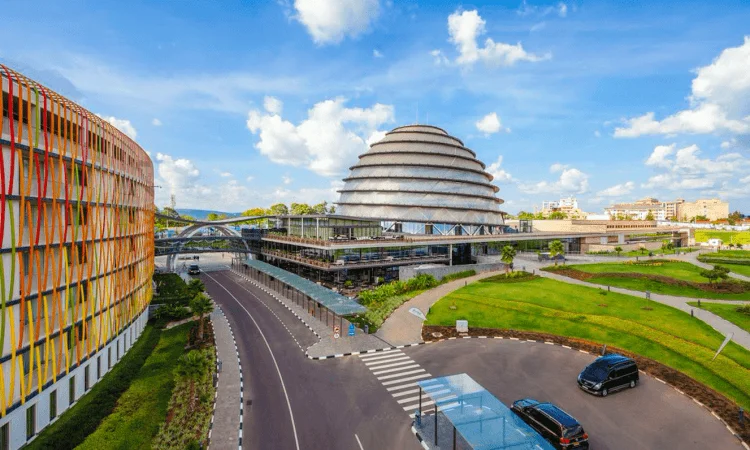
Rwanda City Tour and Gorilla Tour Combined. Few trips pack as much into so few days as a Rwanda city tour and gorilla tour combined. In the morning you walk the clean, leafy streets of Kigali, one of Africa’s most orderly capitals. You hear the story of a nation that rebuilt itself after tragedy, and taste coffee grown on its thousand hills. The next day you climb the bamboo-covered slopes of the Virunga volcanoes and sit a few metres from a family of mountain gorillas. City and forest, history and wildlife, all within a couple of hours’ drive of each other.
At Kenlink Tours, this is one of the trips our travellers love most. It works for busy professionals, first-time visitors to Africa, honeymooners, and anyone who wants a meaningful short break. This guide explains what to see in Kigali, how gorilla trekking in Volcanoes National Park works, what it costs, when to go, and how to shape the perfect combined itinerary.
Why Combine a Kigali City Tour with Gorilla Trekking?
Rwanda is compact, safe, and easy to travel around. Kigali International Airport sits on the edge of the capital, and Volcanoes National Park is only about two and a half hours away by road. You can land, explore the city, trek gorillas, and fly home without long transfer days.
Combining the two also gives your trip real depth. Gorilla trekking is breathtaking, but a Kigali city tour adds context. You learn about Rwanda’s past, its recovery, its conservation choices, and the people who make gorilla tourism possible. Seeing the city first helps you understand why Rwanda protects its gorillas so fiercely, and why your permit fee matters.
Finally, the combination is flexible. You can do a quick 2-day trip, a relaxed 3–4 day tour, or build the city and gorilla experience into a longer Rwanda or East Africa safari. Browse our Rwanda safaris to see how many ways it can be done.
Kigali: Africa’s Clean, Green, and Safe Capital
Kigali spreads across green ridges and valleys in the heart of Rwanda. It is known for spotless streets, strong public safety, and a relaxed, friendly atmosphere. Plastic bags are banned nationwide, and on the last Saturday morning of each month many residents take part in Umuganda, a community clean-up. On those mornings, some businesses and roads are quiet until around midday, so it’s worth knowing if your trip falls then.
The city blends modern buildings and busy markets with quiet residential hills. Motorbike taxis zip between roundabouts, coffee shops serve some of Africa’s best beans, and art galleries showcase a creative scene that surprises many visitors. For most travellers, Kigali is also where a Rwanda safari begins and ends, so it makes sense to give it at least half a day.
Top Places to Visit on a Kigali City Tour
A good Kigali city tour mixes history, culture, and everyday life. Your guide can tailor the stops to your interests, but these are the highlights most travellers include.
Kigali Genocide Memorial: This is the most important stop in the city and the heart of any Kigali city tour. The memorial at Gisozi honours the more than one million people killed in the 1994 Genocide against the Tutsi. It is the final resting place of many victims. Exhibitions explain the history, the events of 1994, and the long work of justice and reconciliation. The visit is moving and sobering, and most people need quiet time afterwards. Allow about two hours.
Campaign Against Genocide Museum: Housed in the Parliament building, this museum tells the story of how the former rebel army stopped the genocide. The building still shows marks from the fighting in 1994.
Kimironko Market: Kigali’s busiest market is a riot of colour and noise. You can browse fresh fruit, spices, colourful kitenge fabric, baskets, and crafts. Many visitors have clothes tailored here in a day or two.
Nyamirambo: One of Kigali’s oldest and liveliest neighbourhoods, Nyamirambo has a strong Muslim heritage, bright shopfronts, and busy streets. Guided walking tours led by local women’s cooperatives introduce you to barbers, tailors, and home kitchens, often ending with a traditional Rwandan meal.
Inema Arts Center and local galleries: Kigali’s art scene is growing fast. Inema and other galleries show vibrant paintings, sculpture, and fashion by Rwandan artists, and many pieces are for sale.
Kandt House Museum: Set in the former home of Richard Kandt, the German colonial administrator often credited with founding Kigali, this small museum covers Rwanda’s natural history and colonial period.
Presidential Palace Museum: In Kanombe, near the airport, the former home of President Habyarimana is now a museum. Wreckage of the presidential plane shot down in April 1994 still lies in the grounds.
Caplaki Crafts Village: This collection of craft stalls is the best place in Kigali to shop for baskets, carvings, and souvenirs, and it rewards gentle bargaining.
Hotel des Mille Collines: Made famous by the film Hotel Rwanda, the hotel is a popular stop for lunch or a drink by the pool with views across the city.
Kigali Convention Centre and city viewpoints: The dome-shaped convention centre lights up at night and has become a symbol of modern Kigali. Viewpoints on Mount Kigali and Rebero hill offer wide views over the city.
Coffee, Food, and Kigali’s Café Culture
Rwanda grows some of the world’s finest speciality coffee, and Kigali is full of excellent cafés. A coffee stop is a pleasant break between museums and markets, and a good chance to buy beans to take home.
Rwandan food is simple and hearty. Look out for brochettes (grilled meat skewers), isombe (cassava leaves cooked with peanuts), ibihaza (pumpkin with beans), grilled tilapia from Lake Kivu, and plantains in many forms. Buffet lunches at local restaurants let you try several dishes at once. Kigali also has a wide range of international restaurants, from Indian and Ethiopian to Italian and fine dining.
Understanding Rwanda’s History Before You Trek
Many travellers say the Kigali Genocide Memorial changed how they saw the rest of their trip. Rwanda today is peaceful, safe, and forward-looking, but its recovery from 1994 shapes almost everything, including conservation.
After the genocide, Rwanda made tourism and conservation central to its economic plan. Gorilla permits became a key source of revenue. A share of park income goes directly to communities around the national parks for schools, health centres, and water projects. Former poachers were trained as porters and guides. When you trek gorillas after visiting the memorial, you see that story in action: a country that chose to protect both its people and its wildlife.
Visit the memorial respectfully. Dress modestly, keep your voice low, and ask before taking any photographs. Photography is not allowed inside the exhibition halls.
Volcanoes National Park: Home of Rwanda’s Mountain Gorillas
Volcanoes National Park lies in northwestern Rwanda, on the Rwandan side of the Virunga Massif. Five of the eight Virunga volcanoes rise within or along its borders: Karisimbi, Bisoke, Muhabura, Gahinga, and Sabyinyo. The park shares its boundaries with Mgahinga Gorilla National Park in Uganda and Virunga National Park in DR Congo.
The park is famous as the place where American primatologist Dian Fossey studied mountain gorillas from the 1960s until her death in 1985. Her Karisoke Research Center and her tomb lie on the slopes between Karisimbi and Bisoke. Her work, later the basis of the film Gorillas in the Mist, helped bring the world’s attention to the plight of mountain gorillas.
Mountain gorilla numbers have grown steadily thanks to decades of protection, and Volcanoes now has around a dozen habituated families open to tourists. The park also protects the rare and playful golden monkey, found only in the Albertine Rift highlands.
What a Gorilla Trekking Day in Volcanoes Looks Like
Here is how a typical gorilla trekking day unfolds in Volcanoes National Park.
Early start (around 6:00 a.m.): After breakfast at your lodge in Musanze or Kinigi, you drive to the park headquarters at Kinigi. If you slept in Kigali, you leave around 4:30–5:00 a.m. for the two-and-a-half-hour drive.
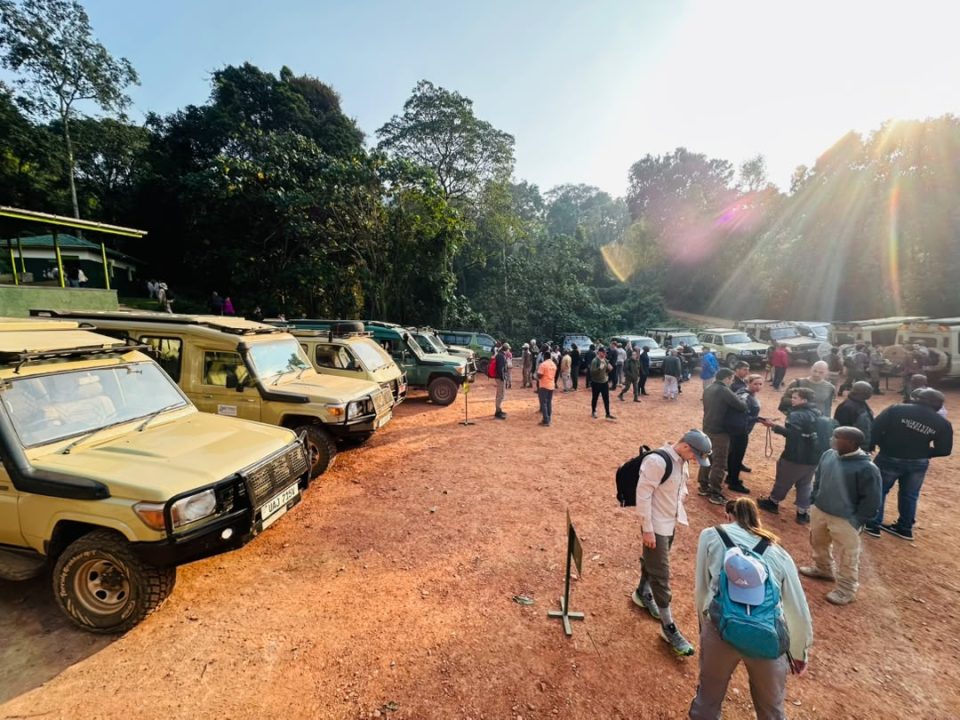
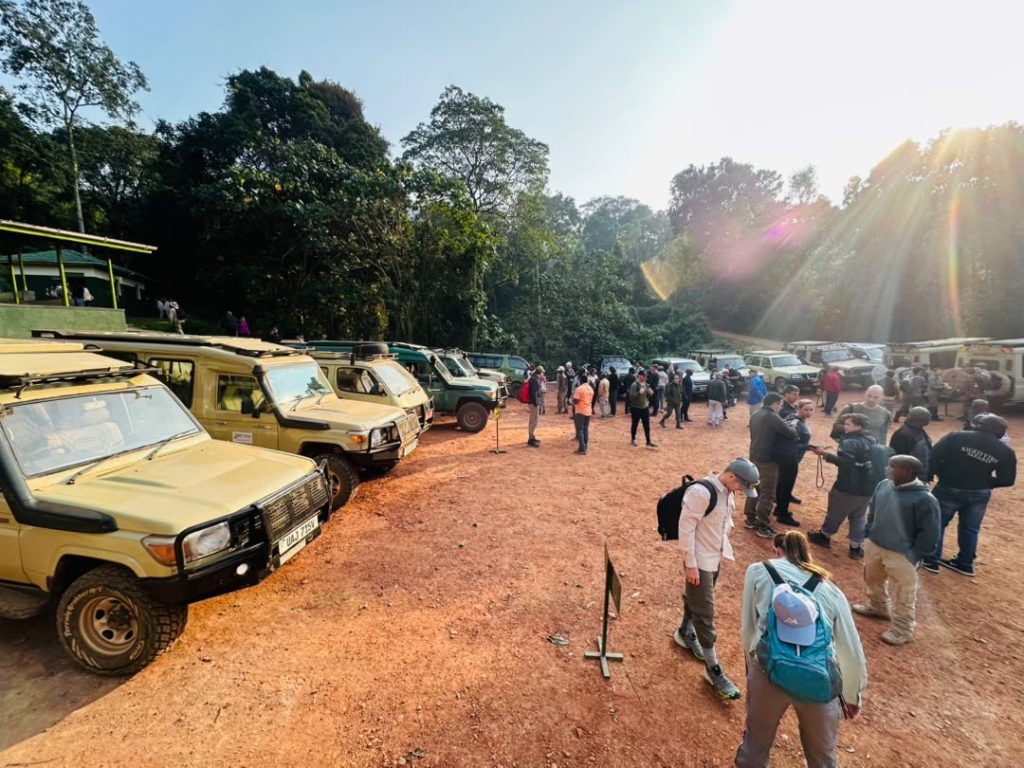
Welcome and briefing (around 7:00 a.m.): Traditional dancers often perform while visitors gather. Park staff check permits and passports, then group trekkers by fitness and gorilla family. Your ranger guide then briefs you on the rules and the family you will visit.
The trek: You drive a short way to the trailhead and walk through farmland to the park boundary. From there, you enter the forest with your guide, armed rangers, and porters. Trackers have already located the gorillas. Treks can last from about one to six hours round trip, depending on the family’s location and the terrain.
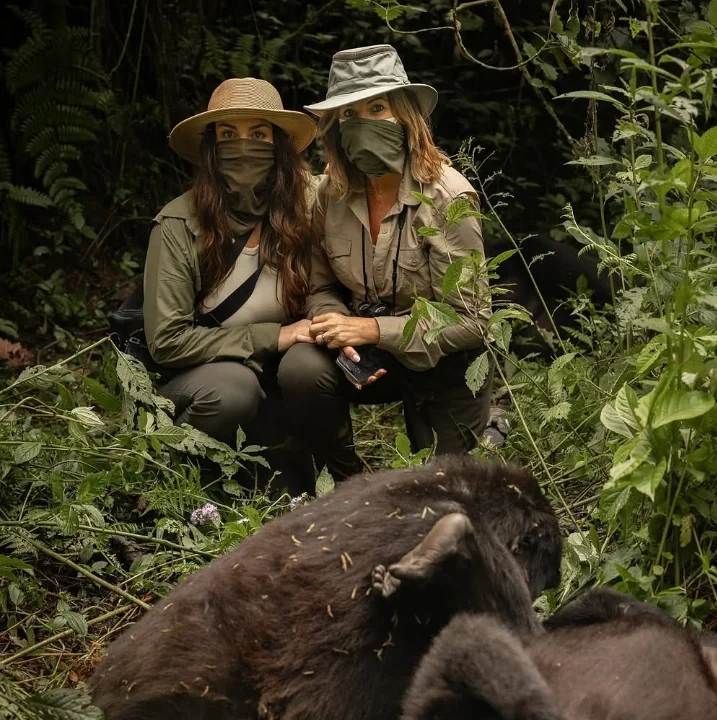
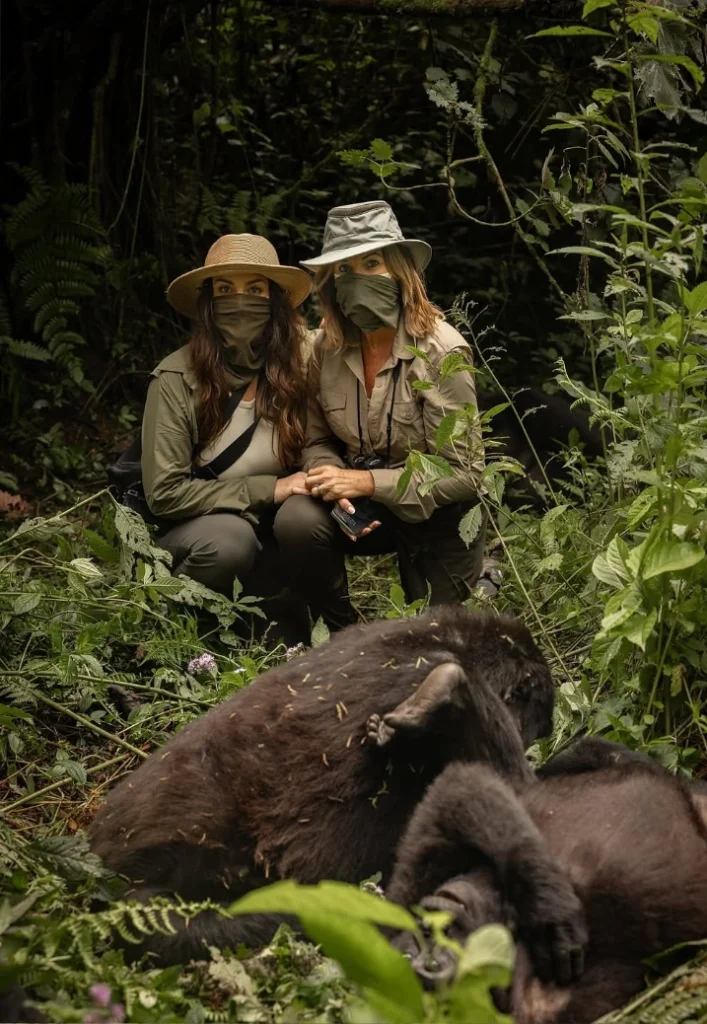
The encounter: When you reach the gorillas, you spend one magical hour with them, watching silverbacks rest, mothers nurse infants, and juveniles play. Each family is visited by a maximum of eight trekkers a day.
Return: You hike back and receive your gorilla trekking certificate. Travellers on a short tour usually drive back to Kigali in the afternoon.
Rwanda Gorilla Permit Cost and How to Book
A Rwanda gorilla trekking permit costs USD 1,500 per person for foreign visitors. Discounted rates may apply for East African citizens and residents, and occasional promotional offers are sometimes linked to visiting other Rwandan parks. Permits are issued by the Rwanda Development Board (RDB).
Rwanda’s permit is the most expensive in Africa, and this is deliberate. The country follows a “high value, low volume” model that limits visitor numbers, reduces pressure on the gorillas, and funds conservation and community projects. Uganda’s permit is cheaper at USD 800, which is why some travellers fly into Kigali and cross the border to trek in Uganda instead. See our guide to gorilla trekking in Uganda for that option.
How to book: Permits are limited to 8 per family per day, so they sell out, especially from June to September and around Christmas. Book at least 3–6 months ahead for peak season. Most travellers book through a tour operator, who secures the permit and builds the rest of the trip around it.
Minimum age: Gorilla trekkers must be at least 15 years old.
How Much Does a Rwanda City Tour and Gorilla Tour Cost?
The total price of a combined Kigali city tour and gorilla trek depends on how many days you travel, your choice of lodges, and your group size. Your main costs are:
- Gorilla permit: USD 1,500 per person
- Private 4×4 vehicle with an English-speaking driver-guide
- Accommodation in Kigali and near Volcanoes, from budget guesthouses to some of Africa’s most luxurious lodges
- Meals and drinking water
- City tour entrance fees for museums (the Kigali Genocide Memorial is free to enter, but donations are welcome)
- Porter fees and tips
- Rwanda visa and travel insurance
Mid-range travellers usually spend noticeably more on a short Rwanda gorilla and city tour than on an equivalent Uganda trip, mainly because of the permit. Travelling with others reduces costs for vehicles and guides. Our scheduled group tours are a good option for solo and budget-conscious travellers.
Best Time for a Rwanda City and Gorilla Tour
You can do a combined Kigali city tour and gorilla trek all year round. Rwanda’s mild climate means Kigali is pleasant in almost every month, while the gorilla forests are cooler and wetter.
Long dry season (June to September): This is peak season. Trails are drier, skies are clearer, and wildlife viewing across Rwanda is excellent. Permits and lodges book up fast.
Short dry season (December to February): Another popular window, with good trekking conditions and fewer crowds than mid-year, except around Christmas and New Year.
Rainy seasons (March to May, and October to November): Expect rain, often in the afternoons, and muddy trails. Forests are green and beautiful, lodges are quieter, and some offer lower rates. Kigali city tours are easy in any season.
Whenever you go, pack a rain jacket for the trek. It can rain in the Virungas even in the dry months.
Getting from Kigali to Volcanoes National Park
The drive from Kigali to Musanze (also called Ruhengeri), the gateway town to Volcanoes National Park, takes about two to two and a half hours on a good tarmac road. The route winds through terraced hills, banana plantations, and small villages, with the volcanoes coming into view as you approach Musanze.
Most travellers go by private 4×4 vehicle with a driver-guide, which is the most comfortable and flexible option. Helicopter transfers are also available for luxury travellers who want to save time. For a very short trip, a same-day trek from Kigali is possible with a pre-dawn start, although most people prefer at least one night near the park.
If you are planning to continue into Uganda after Rwanda, you don’t need to fly back through Kigali. You can begin your tour at Kigali Airport and end at Entebbe, crossing overland via the Cyanika or Katuna borders. Reliable transfers make this easy, and Pick and Transfer Safaris specialises in cross-border ground transport between Rwanda and Uganda.
Rwanda Visa and Entry Requirements
Rwanda is one of the easiest African countries to enter. Many nationalities can get a visa on arrival at Kigali International Airport or apply online beforehand. Rules change from time to time, so check the latest requirements for your nationality before you travel.
If you plan to visit Uganda or Kenya as well, the East Africa Tourist Visa covers Rwanda, Uganda, and Kenya on a single visa. This is useful if you are combining a Rwanda city and gorilla tour with a Uganda gorilla trek or a Kenya safari.
You should also carry:
- A passport valid for at least six months, with blank pages
- A Yellow Fever vaccination certificate, which may be requested, especially if arriving from or continuing to other countries in the region
- Your gorilla permit confirmation
- Travel insurance documents
Where to Stay in Kigali
Kigali has accommodation for every budget. Luxury travellers can choose international hotels and stylish boutique properties with pools and city views. Mid-range travellers have plenty of comfortable hotels in Kiyovu, Kimihurura, and Nyarutarama. Budget travellers will find clean guesthouses and small hotels across the city.
Staying in a central area such as Kiyovu or Kimihurura keeps you close to restaurants, cafés, and the main city tour sites. If you have an early flight, a hotel near the airport side of the city can save time.
Where to Stay near Volcanoes National Park
The area around Volcanoes National Park offers some of the finest safari lodges in Africa, as well as good mid-range and budget options.
Luxury: Several internationally celebrated lodges sit on the edge of the park, with private cottages, fireplaces, spa treatments, and volcano views. They are ideal for honeymooners and travellers who want to relax in style after the trek.
Mid-range: Comfortable lodges and boutique hotels in Kinigi and Musanze offer good food, warm rooms, and easy access to park headquarters.
Budget: Guesthouses and small hotels in Musanze town keep costs down while still putting you within about 20–30 minutes of Kinigi.
Whatever your budget, staying near the park the night before your trek means a later wake-up call and a more relaxed morning. It also gives you time to explore the area.
Other Things to Do Around Volcanoes National Park
If your itinerary allows an extra day, the Musanze area has plenty to offer beyond gorilla trekking.
Golden monkey tracking: These bright orange and black monkeys live in the bamboo zone of the Virungas. Tracking them is shorter and gentler than gorilla trekking, and they are wonderfully energetic to watch and photograph.
Dian Fossey tomb hike: A steep hike leads to the site of the Karisoke Research Center, where Dian Fossey is buried beside many of the gorillas she studied, including her favourite, Digit.
Ellen DeGeneres Campus of the Dian Fossey Gorilla Fund: This modern conservation and research campus in Kinigi has an excellent interactive exhibition about gorillas, biodiversity, and conservation science.
Mount Bisoke hike: A full-day hike leads to a beautiful crater lake at the summit of Mount Bisoke. It’s a challenging but rewarding climb.
Mount Karisimbi hike: Serious hikers can tackle Rwanda’s highest peak on a demanding two-day climb.
Gorilla Guardians Village (formerly Iby’Iwacu Cultural Village): Community members, some of them former poachers, share traditional dance, music, crafts, food, and daily life.
Twin Lakes Burera and Ruhondo: These scenic lakes near Musanze are perfect for a boat ride, a picnic, or simply enjoying views of the volcanoes.
Musanze Caves: Formed by ancient lava flows, these caves are home to bats and have a fascinating history.
Many of these activities feature on our Rwanda safari holidays.
Fitness, Difficulty, and Hiring a Porter
Gorilla trekking in Volcanoes National Park can be demanding. You will hike at altitudes of around 2,500–3,000 metres on muddy, uneven trails, sometimes through thick bamboo and nettles. Some families are relatively easy to reach, while others require a steep climb.
At the briefing, tell the park staff about your fitness level. They try to match slower or older trekkers with families that are usually closer. Walking sticks are provided at the start of the trail.
We strongly recommend hiring a porter. Porters carry your bag, help you over tricky ground, and earn income that supports local families. Many are members of cooperatives that include former poachers. Learn more in our guide to hiring a porter during gorilla trekking.
What to Pack for a Rwanda City and Gorilla Tour
Packing for a combined trip means bringing smart-casual clothes for Kigali and practical gear for the forest.
For Kigali:
- Comfortable walking shoes
- Light, modest clothing, especially for the Genocide Memorial
- A light jacket or sweater for cool evenings
- Sun hat, sunglasses, and sunscreen
For gorilla trekking:
- Waterproof hiking boots with good grip
- Long trousers and long-sleeved shirts in neutral colours
- Gardening gloves for grabbing vegetation
- Rain jacket and a warm fleece
- Gaiters or long socks to tuck trousers into
- Face mask for the gorilla encounter
- Insect repellent
- Small waterproof daypack
- Camera with spare batteries (no flash)
- Water bottle and snacks
Remember that plastic bags are banned in Rwanda and may be confiscated at the airport. Use reusable or cloth bags instead. For a complete list, read our guide on what to pack for gorilla trekking in Uganda, Rwanda and Congo.
Gorilla Trekking Rules and Etiquette
Rwanda enforces strict rules to protect the gorillas from disease and stress and to keep visitors safe:
- Keep at least 7 metres away from the gorillas.
- Wear a face mask during the encounter.
- Do not trek if you are sick with a cold, flu, or other infection.
- No flash photography, and keep your voice low.
- Do not eat, drink, or smoke near the gorillas.
- Stay with your group and follow your guide’s instructions.
- If a gorilla charges, crouch down, look away, and stay still. Never run.
- Leave nothing behind in the forest.
Sample Itinerary: 2-Day Rwanda City Tour and Gorilla Tour
This short itinerary suits business travellers, conference visitors, and anyone with a tight schedule.
Day 1 – Kigali city tour and transfer to Musanze: Pick-up from the airport or your hotel. Visit the Kigali Genocide Memorial, then continue to Kimironko Market or Caplaki Crafts Village. After lunch in the city, drive about two and a half hours to Musanze. Overnight: lodge near Volcanoes National Park.
Day 2 – Gorilla trekking and return to Kigali: Early breakfast and transfer to Kinigi for the briefing. Trek to your assigned gorilla family and spend one hour with them. Return to the lodge for lunch, then drive back to Kigali for your flight or hotel.
A similar short option is a 2-day Volcanoes gorilla trek from Kigali.
Sample Itinerary: 3-Day Rwanda City Tour and Gorilla Tour
Three days is the ideal length for most travellers. It gives you time to enjoy Kigali without rushing the gorilla trek.
Day 1 – Arrival and full Kigali city tour: Pick-up from the airport. Spend the day exploring Kigali: the Genocide Memorial, Nyamirambo walking tour, Kimironko Market, an art gallery, and a coffee tasting. Dinner at a local restaurant. Overnight: Kigali.
Day 2 – Transfer to Volcanoes National Park: Drive to Musanze through Rwanda’s rolling hills. In the afternoon, visit the Ellen DeGeneres Campus, the Twin Lakes, or the Gorilla Guardians Village. Overnight: lodge near the park.
Day 3 – Gorilla trekking and return to Kigali: Trek mountain gorillas in the morning. After lunch, return to Kigali for your onward journey.
For a ready-made option with a strong cultural element, see this 3-day Rwanda gorilla tracking and cultural tour.
Sample Itinerary: 4-Day Kigali, Gorillas, and Golden Monkeys
This relaxed itinerary adds golden monkey tracking and more time around the volcanoes.
Day 1 – Kigali city tour: Arrival and guided tour of Kigali’s key sites. Overnight: Kigali.
Day 2 – Transfer to Musanze and cultural visit: Drive to Volcanoes National Park, with an afternoon cultural or lake excursion. Overnight: near the park.
Day 3 – Gorilla trekking: Spend the morning with mountain gorillas. Relax at your lodge in the afternoon. Overnight: near the park.
Day 4 – Golden monkey tracking and return to Kigali: Track golden monkeys in the bamboo forest, then return to Kigali.
Extending Your Trip: Nyungwe, Lake Kivu, and Akagera
If you have more time, Rwanda’s other parks make excellent additions to a city and gorilla tour.
Nyungwe Forest National Park: In the southwest, Nyungwe is one of Africa’s oldest montane rainforests. You can track chimpanzees, walk the canopy walkway high above the forest, and see many other primate species. A 5-day Rwanda gorilla and chimpanzee safari pairs Nyungwe with Volcanoes.
Lake Kivu: The lakeside towns of Rubavu (Gisenyi), Karongi (Kibuye), and Rusizi make a perfect place to relax after trekking, with boat trips, kayaking, cycling, and sandy beaches. Our guide to the best Rwanda safari experiences for nature lovers covers Lake Kivu and more.
Akagera National Park: In the east, Akagera is Rwanda’s savannah park and home to the Big Five. Game drives and boat trips on Lake Ihema make a great contrast to the forests. A 10-day Rwanda wildlife and gorilla tour shows how Kigali, Volcanoes, Nyungwe, and Akagera fit together.
Combining Rwanda with Uganda, Congo, and Beyond
Kigali is an excellent hub for wider East African journeys.
Uganda: Uganda’s gorilla parks are closer to Kigali than to Entebbe, and Uganda’s permit is cheaper. Many travellers do a Kigali city tour, then cross into Uganda to trek gorillas in Bwindi or Mgahinga. Short gorilla safaris starting from Kigali and the 2-day Uganda gorilla tour starting from Kigali make this easy. If you trek in southern Uganda, Kisoro is a convenient base. See this guide to Ikoro Hotel in Kisoro. Browse our Uganda safaris for longer options, and read about what to do after a gorilla tour in Bwindi to plan your extra days.
DR Congo: Adventurous travellers can add Congo, the only country where you can see both mountain gorillas and eastern lowland gorillas. Always check current security conditions first. Read our guide to gorilla trekking in Virunga National Park for background.
Burundi: From Kigali, you can travel south to Burundi for Lake Tanganyika and local culture. See our tours to Burundi starting from Kigali and our guide to gorilla trekking from Burundi.
Kenya, Tanzania, and southern Africa: Pair your gorillas with the Great Migration on our 10-day gorilla trekking and Great Migration safari, or with Botswana’s wilderness through our Rwanda and Botswana safari tours. First time in the region? Start with our guide to the best safari destinations in East Africa for first-time visitors.
Travel Tips for Your Rwanda City and Gorilla Tour
- Book permits first. Build your dates around gorilla permit availability, then plan the city tour and lodges.
- Visit the Genocide Memorial early in your trip. It helps you understand everything else you see in Rwanda.
- Check for Umuganda. If you arrive on the last Saturday of the month, plan your city tour for the afternoon.
- Carry some cash. Cards are widely accepted in Kigali, but cash in Rwandan francs or US dollars is handy for markets, tips, and rural areas. Bring US dollar notes printed after 2013, as older notes are often refused.
- Respect local customs. Ask before photographing people, dress modestly, and greet people politely.
- Tip thoughtfully. Tips for guides, rangers, trackers, and porters are appreciated and make a real difference.
- Stay hydrated and pace yourself on the trek, especially at altitude.
Why Book Your Rwanda City and Gorilla Tour with Kenlink Tours
A smooth Rwanda city tour and gorilla tour depends on good planning, secure permits, and knowledgeable guides. Here is how Kenlink Tours helps:
- Permit booking: We secure your Rwanda gorilla permit early and plan the trip around it.
- Expert local guides: Our English-speaking driver-guides know Kigali’s history and culture and the Virunga region inside out.
- Comfortable private vehicles: We use well-maintained 4×4 safari vehicles for every transfer.
- Tailor-made itineraries: Whether you want a 2-day express trip or a two-week East African adventure, we build it around your time, budget, and interests.
- Cross-border know-how: We run gorilla safaris in Rwanda, Uganda, and Congo, so combining countries is easy.
- Responsible travel: We support community tourism, porter hire, and conservation-friendly choices on every trip.
Frequently Asked Questions
Can I do a Kigali city tour and gorilla trekking in one trip?
Yes. Kigali is only about two and a half hours from Volcanoes National Park, so a combined city and gorilla tour can be done in as little as two days. Three days gives a more relaxed pace.
How much is a gorilla permit in Rwanda?
A Rwanda gorilla trekking permit costs USD 1,500 per person for foreign visitors. Discounted rates may apply for East African citizens and residents.
Can I trek gorillas as a day trip from Kigali?
Yes, with a very early start around 4:30–5:00 a.m. Most travellers prefer to stay a night near the park to avoid a rushed day.
What should I see on a Kigali city tour?
Highlights include the Kigali Genocide Memorial, Kimironko Market, Nyamirambo, art galleries, the Kandt House Museum, the Presidential Palace Museum, and Caplaki Crafts Village.
What is the minimum age for gorilla trekking in Rwanda?
Trekkers must be at least 15 years old.
When is the best time for a Rwanda city and gorilla tour?
You can visit all year. The dry seasons, June to September and December to February, offer the easiest trekking conditions.
Is Rwanda safe for tourists?
Rwanda is widely regarded as one of the safest and most orderly countries in Africa for travellers. As anywhere, check your government’s latest travel advice before you go.
Can I combine Rwanda with a Uganda gorilla trek?
Yes. Many travellers start in Kigali, trek gorillas in Rwanda, then cross into Uganda to trek again in Bwindi or Mgahinga. The East Africa Tourist Visa covers both countries.
Plan Your Rwanda City Tour and Gorilla Tour Today
A Rwanda city tour and gorilla tour combined gives you the best of Rwanda in a few unforgettable days. You’ll walk the streets of a city that rebuilt itself with courage and vision, then stand in the misty forests of the Virungas with some of the world’s last mountain gorillas. It is a trip that moves you, teaches you, and stays with you long after you fly home.
Ready to go? Contact Kenlink Tours today to check gorilla permit availability and start planning your Kigali and gorilla adventure. You can also explore more ideas on our Rwanda safaris page.