Rwanda Safari Photography Tips. Rwanda is a photographer’s paradise. From the iconic mountain gorillas in Volcanoes National Park to the colorful birdlife in Nyungwe Forest and the rolling savannahs of Akagera National Park, the country offers countless opportunities to capture stunning wildlife and landscapes. Photography in Rwanda requires preparation, patience, and an understanding of both wildlife behavior and technical skills.
This guide provides essential tips to help you make the most of your safari photography experience, whether you are a professional or an enthusiast.
Choose the Right Equipment
Having the right equipment can make a huge difference in your safari photography. A DSLR or mirrorless camera with fast autofocus and high ISO performance is ideal for low-light forest conditions. A telephoto lens (200–400mm) is essential for capturing wildlife from a safe distance, while a wide-angle lens works well for landscapes or group shots.
Accessories like a tripod or monopod can provide stability for low-light or long-exposure shots, and it’s always wise to carry extra batteries, memory cards, and a lens cleaning kit to be prepared for long days in the field.
Understand Wildlife Behavior
One of the most important aspects of wildlife photography is understanding animal behavior. Observing gorillas, monkeys, or birds allows you to anticipate movements and capture unique moments. Silverback gorillas may chest-beat to show dominance, while golden monkeys leap energetically through bamboo.
Birds are most active early in the morning, making it the best time for photography. Patience is key—rushing or making sudden movements can startle animals or result in blurred images.
Master Light and Timing
Lighting is one of the most crucial factors in wildlife photography. The golden hours—early morning and late afternoon—offer soft, warm light that enhances both landscapes and animal subjects. Overcast days are excellent for photographing animals in forests, as they reduce harsh shadows.
Always avoid flash photography, especially with gorillas and other sensitive species, as it can disturb them and is often prohibited. Understanding and using natural light ensures vibrant, sharp images.
Composition Tips for Safari Photography
Good composition is vital for creating captivating images. Using the rule of thirds, placing your subject slightly off-center, creates more dynamic photographs. Including elements in the foreground, like vegetation or rocks, adds depth to your images.
Experiment with perspectives—shoot from low angles to capture the majesty of animals or from high vantage points for sweeping landscapes. Focusing on the eyes of animals adds emotion and life to your photographs.
Gorilla Photography Tips
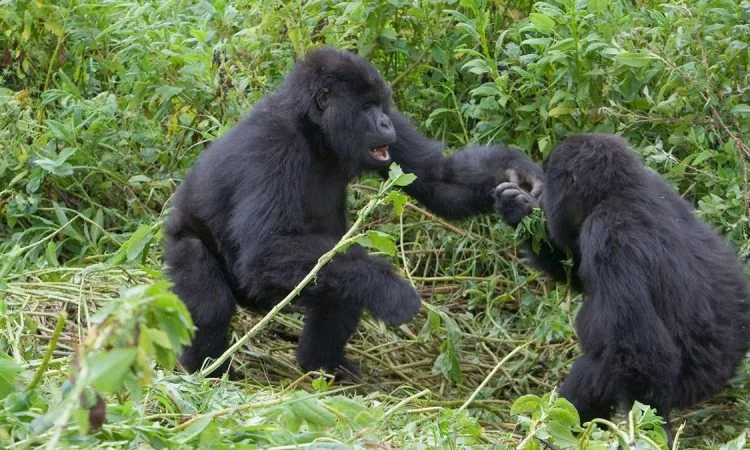
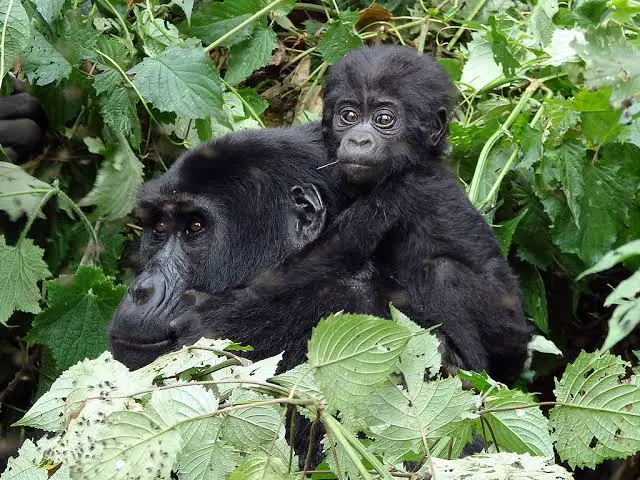
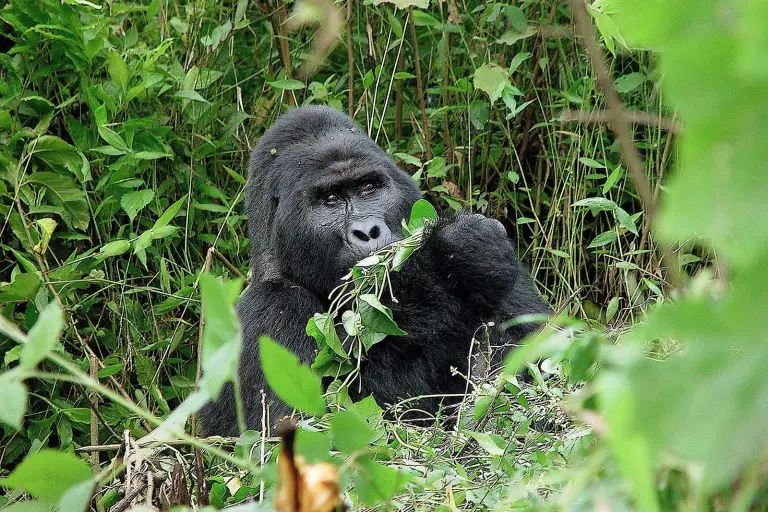
Mountain gorillas are among Rwanda’s most iconic wildlife subjects. Maintaining a safe distance of at least 7 meters is essential. Using a telephoto lens allows for detailed shots without disturbing the animals.
Gorillas often spend hours feeding, resting, or interacting, so patience is critical. Observing and photographing group interactions provides storytelling opportunities, capturing the social dynamics and personality of the gorillas.
Golden Monkey and Chimpanzee Photography Tips
Golden monkeys and chimpanzees are fast-moving and often inhabit dense forests. Fast shutter speeds are necessary to capture their movements clearly. Increasing ISO helps in low-light conditions under the forest canopy.
Action shots of monkeys leaping or playing are especially rewarding. Always follow ranger instructions to maintain safe and ethical distances while getting the best possible shots.
Landscape and Wildlife Photography in Akagera
Akagera National Park is ideal for both wildlife and landscape photography. The park’s savannahs, lakes, and rolling hills provide perfect backdrops for photographing elephants, lions, giraffes, and zebras.
Wide-angle lenses help capture expansive scenes, while early morning or late afternoon lighting adds mood and depth. Look for reflections in water bodies to create creative compositions and enhance the beauty of your photos.
Safety and Ethical Considerations
Ethical photography ensures the safety of both photographers and wildlife. Keep your distance and follow all ranger instructions. Avoid loud noises, sudden movements, and direct contact with animals.
Respect habitats by staying on designated paths and avoid using equipment that may damage the environment. Ethical practices protect Rwanda’s wildlife and forests, preserving them for future generations of photographers.
Tips for Low-Light and Forest Photography
Rwanda’s forests, such as Volcanoes and Nyungwe, often present challenging lighting conditions. Increasing ISO allows you to shoot in dim environments, while fast lenses with wide apertures help capture more light.
Monopods or tripods provide stability for long exposures, and utilizing natural light filtering through the canopy can highlight subjects beautifully. Mastering these techniques results in crisp, vibrant images even in dense forest settings.
Post-Trek Photography Tips
Post-processing is an important part of safari photography. Adjusting exposure, contrast, and saturation helps your images match real-life colors. Cropping can improve composition, but avoid over-editing wildlife subjects to keep them authentic.
Always backup your images immediately to prevent loss. Thoughtful post-processing ensures your safari photographs are polished and professional.
Rwanda is a top destination for wildlife and nature photography. From playful golden monkeys to majestic gorillas and stunning landscapes, photographers have endless opportunities.
Preparation, patience, and ethical practices are key to capturing amazing images while protecting Rwanda’s wildlife and habitats. By understanding animal behavior, using the right techniques, and following these tips, your safari photography experience will be both rewarding and memorable.
Booking Gorilla Safari with Kenlink Tours
At Kenlink Tours, we specialize in organizing seamless gorilla safaris in both Rwanda and Uganda. Whether you prefer a luxury short escape or an extended wildlife adventure, we help you plan the perfect journey tailored to your needs.
Would you wish to make a booking for a gorilla or wildlife safari, you may contact our 24/7 team on emails: info@kenlinktours.com or inquiries@kenlinktours.com for a better planning and memorable safari experience.
 +256 789 210067