- EXPERT'S HELP
- +256789210067
- +256200955001
- info@kenlinktours.com


Short Gorilla Trips Uganda
September 1, 2026
5-Day Short Uganda Gorilla Trekking Safari (by road)
September 3, 2026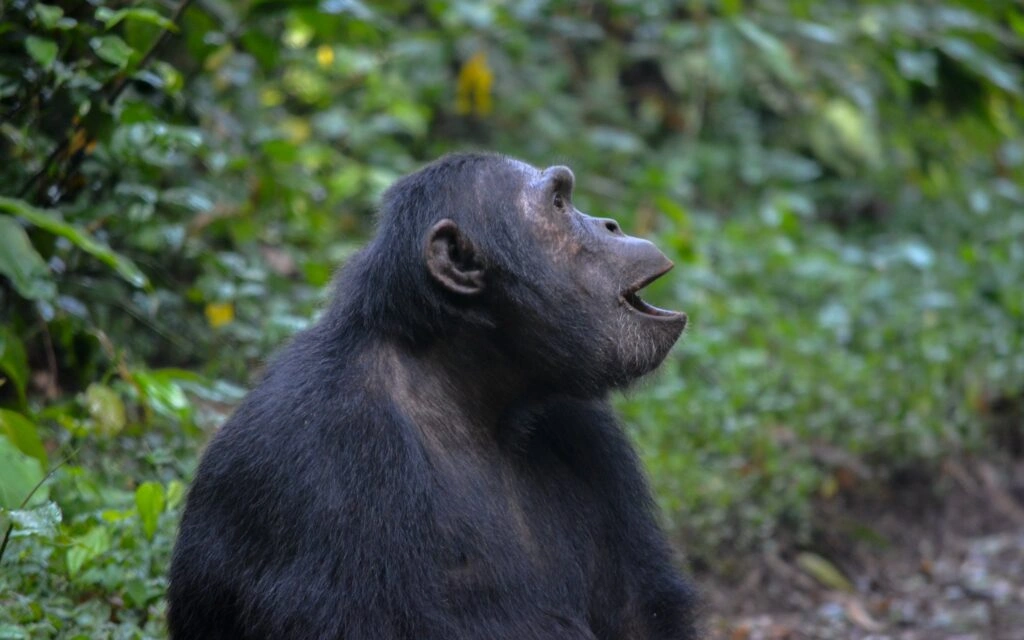
Short Uganda Primate Safaris. Uganda holds one of the richest concentrations of primates anywhere on earth: mountain gorillas, chimpanzees, golden monkeys, and more than a dozen species of monkey spread across its forests, all within a few hours of each other. That density is exactly what makes a short primate safari possible here in a way it simply isn’t in most other places. You don’t need three weeks to see multiple primate species in the wild; with the right route, two to four days is genuinely enough.
This guide covers what a short Uganda primate safari actually looks like: which primates you can realistically see on a tight schedule, how gorillas and chimpanzees combine (or don’t) within a few days, permit costs, the best sectors and forests to choose, and how to book it through our Uganda primate tracking safaris without wasting a single day on logistics that don’t need to eat into your trip.
We plan this exact kind of trip constantly, and the underlying question is almost always the same: given limited days, which primates should take priority, and how much driving is really involved in seeing more than one species. This guide answers both directly, rather than treating “Uganda primate safari” as a single fixed itinerary that works the same way for everyone.
Why Uganda Is East Africa’s Best Short Primate Safari Destination
Rwanda and the Democratic Republic of Congo also offer mountain gorilla trekking, but neither comes close to Uganda’s overall primate diversity in a single, compact itinerary. Uganda is home to roughly half the world’s mountain gorillas, one of the largest habituated chimpanzee populations in Africa, a resident troop of golden monkeys, and healthy numbers of black-and-white colobus, red colobus, L’Hoest’s monkeys, baboons and vervet monkeys, all reachable via a handful of forests within a day’s drive of each other. That combination, primate variety plus short driving distances between forests, is what makes Uganda uniquely suited to a fast, multi-species primate trip rather than a single-species pilgrimage. Rwanda offers gorillas and golden monkeys within a single park, which is genuinely efficient for those two species specifically, but it doesn’t have Uganda’s chimpanzee density or its spread of accessible secondary forests, which is where Uganda pulls ahead for anyone whose interest goes beyond gorillas alone.
What Actually Counts as a “Primate Safari” in Uganda?
A primate safari is broader than gorilla trekking alone. It typically includes some combination of mountain gorilla trekking in Bwindi or Mgahinga, chimpanzee tracking in Kibale Forest, Kalinzu Forest Reserve, or Kyambura Gorge, and encounters with smaller primates such as black-and-white colobus, red-tailed monkeys, and baboons that you’ll spot on forest walks without needing a separate permit. Golden monkey tracking, while based mainly on the Rwandan side of the Virunga range, is sometimes added by travellers routing through that border region. Understanding this range matters for a short trip, because it means “primate safari” doesn’t have to mean “gorilla trek”; a fast, satisfying primate-focused trip is entirely possible even without a gorilla permit if your schedule or budget points that way. That’s a genuinely useful distinction for travellers on a tighter budget or timeline, since a chimpanzee-and-forest-walk itinerary can be built for a fraction of the cost and time of a gorilla-inclusive trip while still delivering a rich, close-up primate experience.
Mountain Gorillas: The Headline Primate, and How Little Time They Actually Need
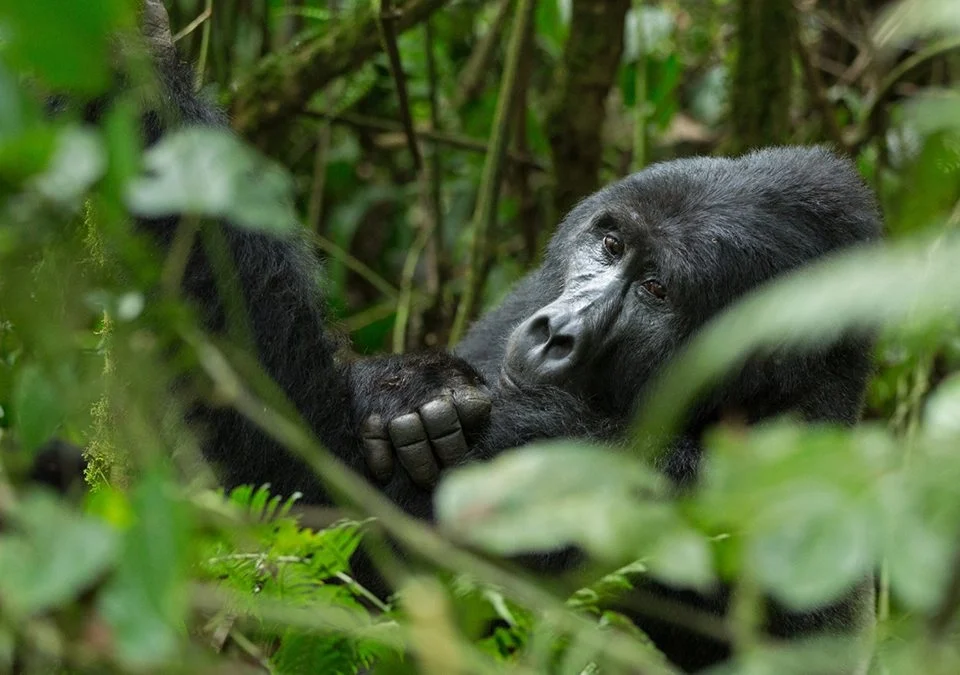
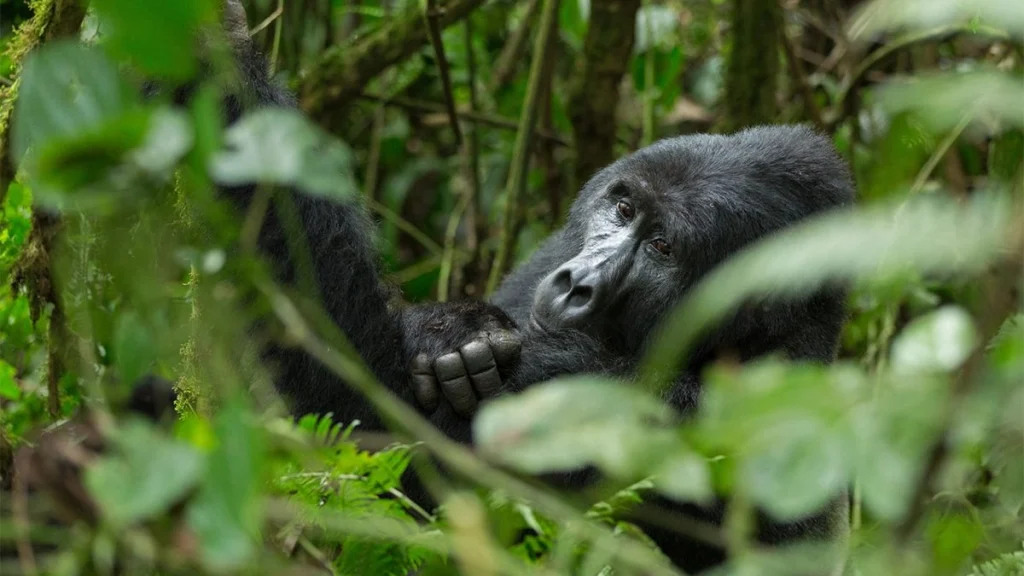
Gorilla trekking remains the centrepiece for most visitors, and it needs less time than people assume. A single trekking day, bookended by one arrival day and one departure day, is enough to complete a full trek in Bwindi or Mgahinga. Our 3-Day Uganda Gorillas Safari and 3-Day Best of Uganda Gorilla Safari are both built around this exact structure, and our gorilla trekking adventures page covers the fuller range of gorilla-only options if that’s your primary focus. For a general comparison of a gorilla-only short trip, this 3-day Uganda gorilla safari outlines a similar single-primate itinerary.
Chimpanzees: Uganda’s Second Great Ape, Closer Than You Think
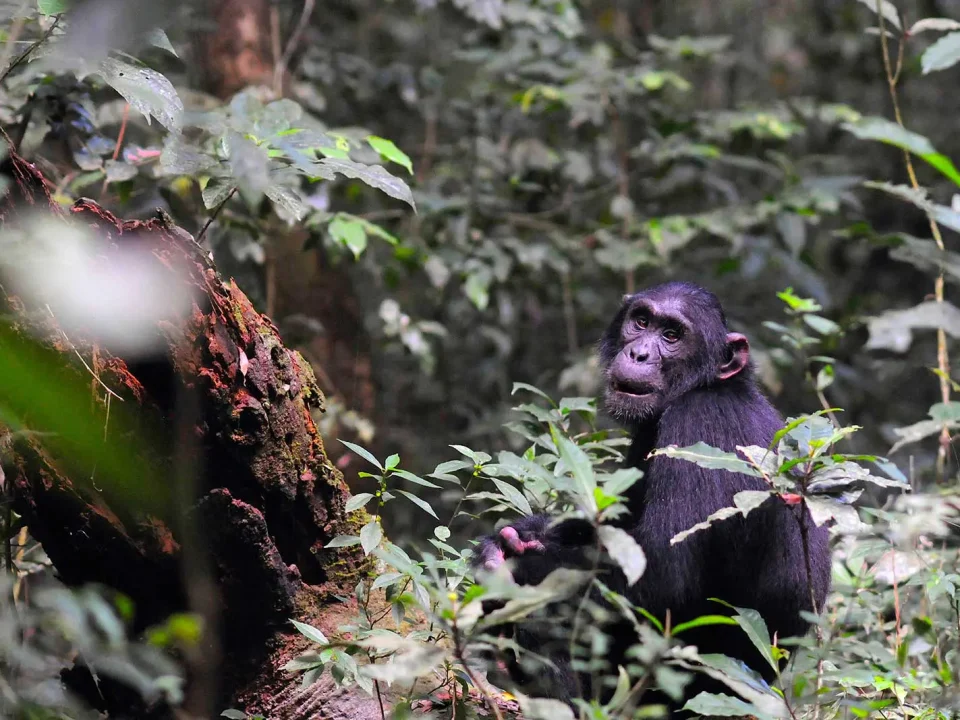
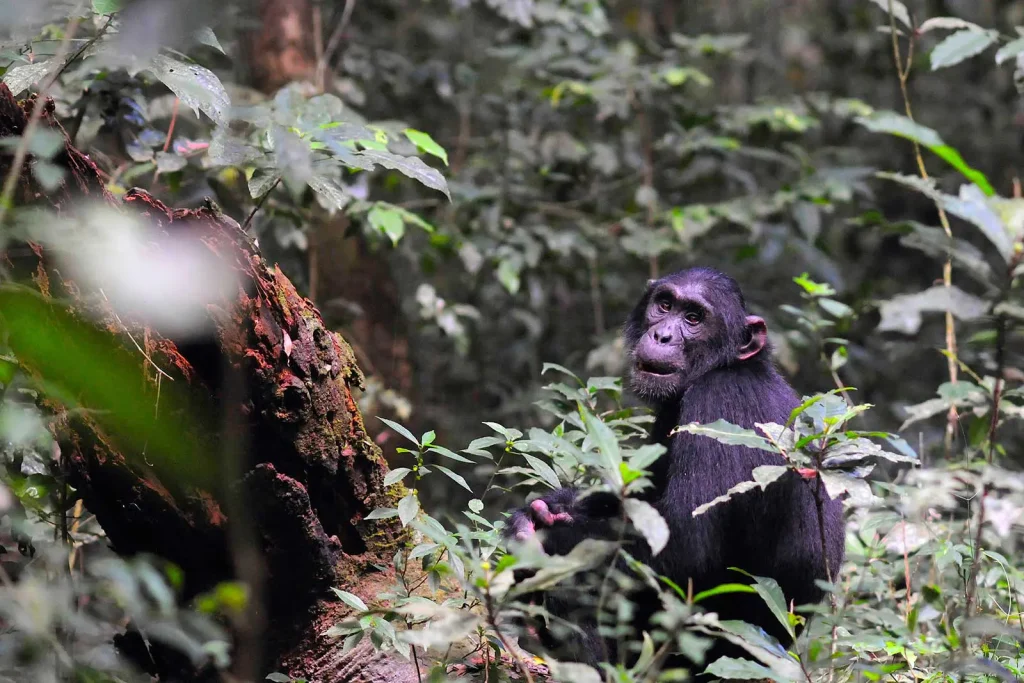
Kibale Forest National Park holds one of Africa’s highest chimpanzee densities and some of the best-habituated communities anywhere, making a successful sighting far more likely, and often faster, than gorilla trekking. A chimp trek typically runs two to four hours round trip, noticeably shorter and less physically demanding than most gorilla treks, which makes chimpanzee tracking an efficient addition to an already tight itinerary. Our 3-day chimpanzee tracking safari and 3-day chimp tracking safari to Kibale are both built around this shorter, more predictable trek time. For comparison, this 3-day Uganda chimpanzee tour outlines a similar chimp-focused short itinerary worth checking against your own dates.
Golden Monkeys, Colobus and the Region’s Smaller Primates
Beyond the two great apes, Uganda’s forests hold a genuinely impressive supporting cast. Black-and-white colobus monkeys, with their striking cape-like white fur, are common along forest edges and require no permit to enjoy on a guided nature walk. Red-tailed monkeys, grey-cheeked mangabeys, and L’Hoest’s monkeys round out Kibale and Bwindi’s primate lists, while baboon troops are a near-guaranteed sighting on most game drives. None of these need dedicated planning the way gorillas or chimps do; they’re simply part of what you’ll see on any forest walk or drive, which is part of why a “primate safari” framing captures more of the experience than “gorilla trip” alone. Kibale in particular is worth slowing down for even beyond its chimps: a guided forest walk there regularly turns up four or five other primate species in a single morning, which is a genuinely rare density even by Uganda’s own high standards.
Why Bwindi’s Chimpanzees Aren’t Habituated (and Where to See Chimps Instead)
A question we get often: Bwindi Impenetrable Forest does have a wild chimpanzee population, so why isn’t chimp trekking offered there? The short answer is that Uganda Wildlife Authority resources for chimpanzee habituation have been concentrated in Kibale, Kyambura Gorge, and Kalinzu instead, where terrain and long-term research programmes made habituation more practical. We cover the fuller explanation in our article on why chimpanzees in Bwindi aren’t habituated. The practical takeaway for a short trip is simple: plan chimp tracking around Kibale or Kalinzu specifically, not Bwindi, even though Bwindi is where you’ll be trekking gorillas.
It’s a fair question because it trips up a surprising number of travellers building their own itinerary: seeing “Bwindi” and “chimpanzees” in the same sentence during research, then discovering only after arrival that the two aren’t offered together there. Building your route around the correct forest for each species from the start avoids that disappointment entirely. For a fuller picture of Bwindi itself, including its gorilla families and trekking sectors, this Bwindi Impenetrable Forest destination guide is a useful companion read.
The 2-Day Primate Safari: Is It Possible?
A genuine 2-day trip works best as a single-primate focus rather than a combination. A 2-day gorilla trek to Bwindi or Mgahinga, or a 2-day chimpanzee trip to Kibale, are both realistic: one day to arrive and settle, one day to trek. Trying to combine gorillas and chimps inside two days is technically possible only with a very tightly choreographed private itinerary and a fair amount of driving, and we generally advise against it unless your dates are truly immovable. The core problem is distance rather than trek length: even if both treks themselves go smoothly, the drive between Bwindi and Kibale alone can consume most of a day, leaving essentially no slack for either permit’s unpredictable finish time. If two primates in two days is a hard requirement, talk to us directly so we can assess whether your specific entry point makes it realistic. A 2-day gorilla trek in Mgahinga is also worth considering if your route already runs close to the Rwandan border; this Mgahinga Gorilla National Park overview covers what to expect there, including its typically shorter approach compared to Bwindi’s more remote sectors.
The Classic 3-Day Gorilla-and-Chimp Combo
Three days is enough for one primate experience done comfortably, but still tight for two. Most of our 3-day itineraries, like the 3-Day Uganda Gorillas Safari, focus on a single species done well rather than splitting the days between two forests. If gorillas and chimps together is the priority and three days is truly the ceiling, the combination works only when your gorilla sector and chimp forest sit close together, which is rarely the case in Uganda’s geography, so we’d typically recommend extending to four days instead for a two-primate trip. If three days is a genuine hard limit and two primates matter more than which specific forest you visit, choosing Mgahinga for gorillas and skipping the Kibale detour entirely, in favour of a shorter forest walk for smaller primates instead, is often a more realistic three-day compromise than trying to force both great apes into the same window. For travellers weighing a Rwanda-based alternative to this exact combination, this 5-day Rwanda gorilla and chimpanzee safari shows how the same two-primate goal plays out on the other side of the border, where Nyungwe Forest sits closer to Volcanoes National Park than Kibale sits to Bwindi.
A 4-Day Primate Circuit: Gorillas, Chimps and More
Four days is where a genuine multi-primate circuit becomes comfortable. A typical structure treks gorillas in Bwindi on day two, then travels to Kibale for a chimp trek on day four, with day three used for the drive and a stop in Queen Elizabeth National Park along the way. Our 5-day gorilla and chimpanzee tour is built on almost exactly this route with one additional buffer day, and our 4-day Uganda primate tour compresses the same circuit into the tightest realistic version of it.
Kibale vs Kalinzu: Where to Trek Chimpanzees on a Short Trip
Kibale is Uganda’s flagship chimpanzee destination, with the highest habituation success rate and the most developed lodge infrastructure, but it sits a full day’s drive from Bwindi. Kalinzu Forest Reserve, less famous but considerably closer to both Bwindi and Queen Elizabeth National Park, offers a solid, less crowded chimp-trekking alternative that can save real time on a tight multi-primate route. We cover both directly in our guide to chimp trekking in Kalinzu and Kibale, which is worth reading before deciding which forest fits your route better. For an independent perspective on Kibale specifically, this Kibale Forest National Park destination guide is a useful comparison point.
Combining Primates with Queen Elizabeth National Park
Queen Elizabeth National Park sits almost exactly between Bwindi and Kibale, making it a natural stopover on any multi-primate route rather than a detour. Beyond the classic savannah game drive and tree-climbing lions, the park’s Kyambura Gorge offers its own chimpanzee tracking option, a useful third chimp-trekking site if Kibale permits are unavailable on your dates. Our 3-day Queen Elizabeth wildlife encounter can be slotted into a longer primate circuit, and this Queen Elizabeth National Park overview covers the park’s wider wildlife beyond primates.
Who a Short Primate Safari Suits (and Who Should Plan Longer)
A short primate safari is an excellent fit for travellers whose main interest genuinely is the primates themselves rather than Uganda’s full range of experiences: repeat visitors adding a new species to a previous trip, primate enthusiasts and photographers with a specific shot list, or anyone extending a business trip through Entebbe with only a handful of spare days. It’s a weaker fit for a first-time visitor to East Africa who hasn’t yet experienced the region’s savannah wildlife, culture, or landscapes beyond forest, since compressing everything into primates alone on a first visit often means leaving with a narrower impression of the country than a slightly longer, more varied itinerary would give. If that’s you, pairing a primate circuit with a few days in Queen Elizabeth or Murchison Falls National Park is usually the better starting point.
Permit Prices for a Short Primate Safari
| Activity | Foreign Non-Resident Price |
|---|---|
| Gorilla trekking permit (Bwindi/Mgahinga) | US$800 per person |
| Chimpanzee tracking permit (Kibale) | US$250 per person (approx.) |
| Chimpanzee tracking permit (Kyambura Gorge) | US$70–100 per person (approx.) |
Permit fees are set by the Uganda Wildlife Authority and revised periodically; treat these as planning figures and confirm current rates at booking. We break down gorilla permit pricing in detail in our gorilla trekking price guide, and cover what a combined trip costs in our combined gorilla and chimpanzee safari cost guide.
Best Time of Year for a Quick Primate Safari
Uganda’s dry seasons, June to September and December to February, offer firmer trails for both gorilla and chimp trekking, which matters most when a short itinerary has little room to absorb a slow, muddy hike. The rainier months bring fewer crowds and sometimes better last-minute permit availability, at the cost of slower going underfoot. Since a multi-primate trip involves more driving between forests than a single-species trip, dry-season road conditions are worth weighing too, particularly on the unpaved stretches between Kibale and Queen Elizabeth National Park.
How Trek Duration Differs Between Gorillas and Chimps
Understanding why gorilla and chimp treks behave so differently helps explain most of the scheduling advice in this guide. Gorilla families range widely overnight across steep, dense terrain, and trackers only locate them again after sunrise, which is why gorilla trek duration can swing from thirty minutes to five hours depending on the day. Chimpanzee communities in Kibale, by contrast, tend to be found closer to established ranging areas and are often already located by the time trekking groups set out, which is part of why chimp treks run shorter and more predictably. If your itinerary has an onward flight or drive booked for later the same day, building your schedule around the less predictable gorilla trek, rather than the more reliable chimp trek, is the safer approach.
Fitness, Packing and What to Expect on the Trail
Gorilla treks are the more physically demanding of the two main activities, sometimes running several hours over steep terrain, while chimp treks in Kibale are generally shorter and on gentler ground, though still through dense forest. Pack waterproof boots, a rain jacket, gardening gloves, a hat, and insect repellent for both activities, plus a lightweight change of clothes if you’re doing both treks within the same trip, since forest humidity means you won’t want to re-wear damp gear the next day. A porter is worth hiring for gorilla treks especially, both for practical help and as direct community support. Pack everything trek-critical, boots, rain jacket, gloves, and camera gear, into carry-on luggage rather than checked bags, particularly on a multi-stop itinerary where domestic flights between regions sometimes carry stricter weight limits than international ones.
Where to Stay for a Fast Multi-Primate Trip
On a route that includes both Bwindi and Kibale, we generally book one night near each location rather than trying to commute long distances daily. Our Bwindi accommodation guide covers lodge options matched to each trekking sector, which matters as much for a multi-primate circuit as it does for a gorilla-only trip, since the wrong lodge location can quietly add hours to an already packed route.
Sample Day-by-Day Itinerary for a 3-Day Primate Safari
| Day | Activity |
|---|---|
| Day 1 | Arrive, transfer to Bwindi or Kibale depending on your primary focus |
| Day 2 | Full trekking day (gorilla or chimpanzee), return to lodge by afternoon |
| Day 3 | Optional forest walk for colobus and birdlife, transfer back out |
Extend this to four or five days, as in our 5-day gorilla and chimpanzee tour, and you can fit both primary primate experiences without feeling rushed through either one.
Common Mistakes That Slow Down a Short Primate Trip
The most common mistake is trying to fit gorillas and chimps into three days without accounting for the drive between Bwindi and Kibale, which alone can take most of a day. The second is booking a chimp permit in Kibale when Kalinzu or Kyambura Gorge would have saved hours of driving on a route that’s already tight. The third is underestimating how much longer gorilla treks can run compared to chimp treks, and building an onward schedule around the shorter chimp-trek timeline instead of the less predictable gorilla one. Sequencing your itinerary around the more time-variable activity, gorillas, rather than the more predictable one, chimps, keeps the rest of the trip realistic. A fourth, less obvious mistake is booking accommodation purely by review score without checking its actual distance from the correct forest entrance; a beautifully reviewed lodge that’s an hour further from the trailhead than necessary quietly eats into the exact buffer a tight multi-primate route depends on.
Top Short Primate Safari Packages by Kenlink Tours
Beyond the itineraries already covered, our broader Uganda primate tracking safaris page is the best starting point for comparing every current primate-focused departure. Travellers wanting a fuller, slightly longer circuit that still moves efficiently often choose our 7-day wildlife, gorillas and chimpanzees safari, while those planning a much longer, dedicated primate journey can look at our 25-day wildlife, gorilla and chimps adventure for comparison, even if most short-trip travellers will land somewhere between these two extremes.
Booking Your Short Uganda Primate Safari
Because a multi-primate trip depends on getting both permits and the driving route right, we start every booking by confirming which primates matter most to you and working backwards from there, rather than bolting activities together after the fact. Read more about how we plan trips on our Uganda travel guide and about us pages, or reach out through our contact page for a quote on your dates. Groups can also ask about our small-group departures, and our car hire service covers the driving between forests if you’d rather self-drive part of the route. If you’re coordinating any part of the trip from the Rwandan side, it’s also worth checking timing with a regional transfer specialist such as Pick and Transfer Safaris, whose own gorilla safari route guides and operator profile are useful reference points if you’re comparing operators for the cross-border leg.
Want gorillas, chimps, or both on a tight schedule? Tell us your travel dates and which primates matter most, and we’ll build the fastest realistic route around them. Start planning your trip.
Frequently Asked Questions About Short Uganda Primate Safaris
Can I see both gorillas and chimpanzees in Uganda in under a week?
Yes, four to five days is a realistic window, as in our 5-day gorilla and chimpanzee tour. Three days is possible only for a single primate species done properly.
Do I need a permit to see colobus monkeys or baboons?
No. These smaller primates are seen on standard forest walks and game drives without a dedicated permit, unlike gorilla and chimpanzee trekking, which both require paid, ranger-led permits.
Which is easier: gorilla trekking or chimpanzee tracking?
Chimpanzee tracking in Kibale is generally shorter and less physically demanding, typically two to four hours round trip, compared to gorilla treks that can run up to five hours depending on the family’s location that day.
Should I choose Kibale or Kyambura Gorge for chimp tracking?
Kibale has the higher habituation success rate and larger community, but Kyambura Gorge is far more convenient if your route already passes through Queen Elizabeth National Park and you don’t want the extra drive to Kibale.
Is a short primate safari suitable for a first trip to Uganda?
It works well if primates are genuinely your main interest. If you’d also like to see Uganda’s classic savannah wildlife and culture without feeling rushed, a slightly longer 6 to 8-day trip is usually a better first-time fit.
Can I see golden monkeys on a Uganda-based primate safari?
Golden monkey tracking is based mainly across the border in Rwanda’s Volcanoes National Park. It’s possible to add as a cross-border extension, but it isn’t a standard part of a Uganda-only itinerary.
What’s the single biggest planning mistake for a multi-primate trip?
Underestimating the drive between forests. Bwindi to Kibale is a significant journey, and building a three-day itinerary around both without that drive time factored in is the most common reason short primate trips run into trouble.
Do gorilla and chimpanzee permits need to be booked separately?
Yes. Each is issued by the Uganda Wildlife Authority for a specific date, park, and sometimes specific sector or forest, and neither can be substituted for the other, so both need to be confirmed independently as part of your itinerary.
Is it cheaper to focus on chimpanzees only rather than combining with gorillas?
Considerably. A chimpanzee-only permit costs a fraction of a gorilla permit, which makes a chimp-and-forest-walk itinerary a genuinely budget-friendly way to experience Uganda’s primates without the gorilla permit’s larger price tag.
Uganda’s forests hold more primate diversity within a short drive of each other than almost anywhere else in Africa, and a well-planned short trip can genuinely make the most of that. The trick, as this guide has tried to show, isn’t finding time for one primate species, it’s sequencing the right forests in the right order so a second or third species doesn’t quietly cost you a day you didn’t plan to spend driving. Our team at Kenlink Tours plans short primate safaris every week, matching route to species so nothing gets lost to unnecessary driving. Get in touch and tell us which primates you want to see.