- EXPERT'S HELP
- +256789210067
- +256200955001
- info@kenlinktours.com


Ishasha Tree Climbing Lions Tour
August 14, 2026
Best Luxury Lodges Near Bwindi
August 14, 2026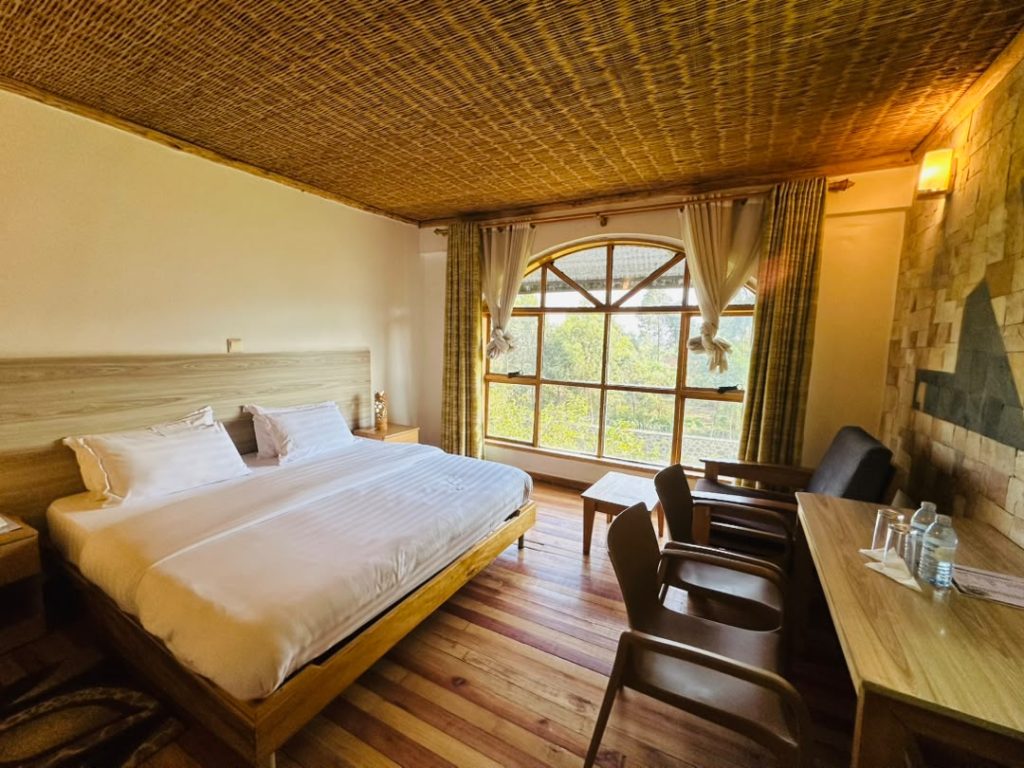
Top Gorilla Lodges in Bwindi. Choosing a lodge in Bwindi isn’t really a question of which property has the best reviews — it’s a question of which sector your gorilla permit is for, since Bwindi’s four trekking sectors are spread across a large, hilly park and a lodge built for one sector can mean a genuinely inconvenient drive if your permit is for another. This guide covers the full range of options across all four sectors and every budget tier, organized around that sector-first logic rather than a simple price-sorted list. If budget is your primary constraint, our existing roundup of the most budget-friendly lodges in Bwindi goes deeper on that specific tier — this guide is the broader picture across the full spectrum, from basic to high-end, matched to sector.
Why Sector Match Matters More Than Star Rating
Gorilla permits are issued for a specific sector — Buhoma, Ruhija, Rushaga, or Nkuringo — and each has its own park headquarters where the morning briefing takes place, generally starting around 7:00 to 7:30 AM. A stunning lodge in the wrong sector can mean an hour or more of extra driving before dawn, cutting into sleep and adding unnecessary stress to what’s already an early, demanding day. Our guide to which part of Bwindi is easiest for gorilla trekking is worth reading alongside this one, since sector choice and lodge choice really need to be made together rather than one after the other.
This is worth emphasizing because online lodge reviews rarely mention sector at all, focusing instead on room quality, food, and views — all genuinely useful information, but incomplete without knowing which part of the park a given property actually serves. A five-star review from a traveler who trekked in Rushaga tells you very little about how convenient that same lodge would be for a Buhoma permit. Always check a lodge’s sector alignment against your specific permit before booking, rather than relying purely on star ratings or review scores from travelers whose itinerary may have looked nothing like yours.
Buhoma Sector: The Widest Range of Options
Buhoma is Bwindi’s original and most developed trekking base, reached most easily from the north, and it has by far the widest range of accommodation of any sector — from simple budget guesthouses to some of the most luxurious properties in the park. Our overview of the Buhoma sector covers the area in more depth, and our general page on accommodations in Bwindi Impenetrable National Park gives a useful overview of how Buhoma’s lodge density compares to the other three sectors. If you want the broadest choice of properties and the shortest list of trade-offs, Buhoma is generally the easiest sector to find a lodge that fits your exact budget and style.
Because Buhoma was the first sector opened to gorilla trekking, decades ago, it also has the most mature tourism infrastructure of any part of Bwindi — better roads leading in, a wider choice of restaurants and craft shops near the park entrance, and lodge staff generally more accustomed to a high volume of international visitors. For first-time trekkers who want the reassurance of a well-established base with fewer unknowns, Buhoma is often the most comfortable starting point, even if Rushaga or Nkuringo might offer a quieter, less-visited feel.
Ruhija Sector: Uganda’s Highest-Altitude Trekking Base
Ruhija sits at a noticeably higher elevation than Bwindi’s other sectors, which means cooler nights and, for some travelers, better opportunities for birding given the different forest composition at altitude. Accommodation here is more limited than Buhoma, generally skewing toward mid-range properties rather than the full luxury-to-budget spread available elsewhere, but what’s available tends to make good use of the sector’s cooler climate and quieter, less-visited feel compared to the busier Buhoma trailhead.
Ruhija’s smaller lodge count also means it’s worth booking further ahead than you might for Buhoma, particularly during peak trekking months, since a handful of properties serving the sector can fill up faster than the broader Buhoma market with its dozens of alternatives. Travelers drawn to Ruhija specifically for its birding reputation should also factor an extra early start into their planning, since the sector’s richest birdlife is generally most active in the cooler hours right after dawn, before a scheduled gorilla trek briefing even begins.
Rushaga Sector: The Largest Number of Habituated Families
Rushaga, in Bwindi’s south, has the largest number of habituated gorilla families of any sector, which also makes it the sector most likely to have permit availability on shorter notice. It’s also the sector offering the Gorilla Habituation Experience, a longer, more immersive alternative to the standard one-hour trek. Accommodation around Rushaga has grown considerably in recent years alongside the sector’s rising popularity, and travelers combining Bwindi with Mgahinga Gorilla National Park will find Rushaga a convenient base, since driving from Bwindi to Mgahinga is considerably shorter from the southern sectors than from Buhoma in the north.
Rushaga’s newer lodge stock also tends to mean more properties built with modern amenities from the ground up, rather than older buildings retrofitted over time, which is worth knowing if reliable Wi-Fi, consistent hot water, or contemporary room design matter to you. The sector’s rapid growth in recent years has been driven directly by its permit availability advantage, and lodge development has followed that same demand curve, so newer doesn’t necessarily mean untested — several of Rushaga’s properties have quickly built strong reputations despite being younger than their Buhoma counterparts.
Nkuringo Sector: Dramatic Views, Steeper Terrain
Nkuringo is known for two things in equal measure: some of the most dramatic views in the entire park, with lodges perched on ridgelines overlooking the forest canopy below, and genuinely steeper trekking terrain than the other three sectors. It’s a rewarding choice for travelers who prioritize scenery and don’t mind a more demanding hike, but it’s worth reading our sector comparison above carefully before committing here if trekking fitness is a concern. Lodge options in Nkuringo tend to lean toward the scenic and characterful rather than the purely budget-oriented, given the sector’s dramatic setting.
Many of Nkuringo’s lodges are positioned specifically to take advantage of the ridge-top views the sector is known for, meaning the accommodation itself often becomes part of the overall experience rather than simply a place to sleep between trekking days. This is worth factoring into your budget if Nkuringo is your chosen sector — the premium you pay here is often genuinely reflected in the setting, rather than being purely a function of demand, though it’s still worth comparing a few options rather than assuming every ridge-top property commands the same price for the same view quality.
Spotlight: Mountain Gorilla View Lodge
Mountain Gorilla View Lodge is one of the more established mid-range properties serving Bwindi’s trekking sectors, offering a comfortable, well-appointed base without the price tag of the park’s top-tier luxury lodges. It’s a good example of the kind of property that sits usefully between the pure budget end of the spectrum and the high-end lodges further along this list, and it’s worth considering for travelers who want genuine comfort without paying for amenities they won’t use on a short trekking trip.
Spotlight: Ichumbi Gorilla Lodge
Ichumbi Gorilla Lodge is another well-regarded property in the Bwindi lodge landscape, known for its setting and views over the forest. Like Mountain Gorilla View Lodge, it represents the kind of mid-to-upper-range option that many travelers land on once they decide they want more comfort than a basic budget property but don’t need the most expensive tier the park has to offer.
Spotlight: Bakiga Lodge
Bakiga Lodge stands out specifically for its eco-friendly approach, appealing to travelers who want their accommodation choice to reflect a broader interest in sustainable, community-conscious tourism rather than simply the most comfortable available room. It’s a useful reminder that “top” lodges in Bwindi aren’t only differentiated by price and amenities — sustainability practices, community involvement, and environmental footprint are increasingly part of how travelers evaluate where to stay.
Choosing Between Similarly Priced Properties in the Same Sector
Once you’ve narrowed your search to a single sector and budget tier, the remaining decision often comes down to a handful of genuinely similar properties, and it’s worth having a short checklist ready rather than choosing based on photos alone. Ask specifically about drive time to the park headquarters in minutes rather than a vague description, confirm whether early trekking-day breakfast is standard practice or needs to be requested in advance, and check how many rooms the property has in total, since a smaller lodge often means a quieter, more personal stay while a larger one may offer more amenities and flexibility. None of these questions take long to ask, and the answers tend to matter more on the ground than star ratings alone.
Luxury vs. Mid-Range vs. Budget: What Actually Differs
It’s worth being specific about what changes as you move up the price tiers in Bwindi, since the differences aren’t always what travelers expect. Budget properties typically mean simpler rooms, shared or basic bathroom facilities in some cases, and more modest dining, but the trekking experience itself — the permit, the ranger guide, the gorilla encounter — is completely identical regardless of where you sleep. Mid-range properties add private en-suite bathrooms, more reliable hot water and electricity, and better food, while luxury properties add larger rooms or private cottages, higher-end furnishings, and often better views or more secluded settings. Our broader page on Uganda luxury safaris and gorilla tours covers the top end of this spectrum in more depth, while our general Uganda safari lodges overview gives a country-wide sense of how Bwindi’s options compare to lodges elsewhere.
Booking Timing: Lodges Can Sell Out Before Permits Do
A detail that surprises many first-time planners is that popular lodges, particularly the smaller luxury properties with limited room counts, can sell out for peak season dates well before gorilla permits themselves become unavailable. If you have a specific lodge in mind, it’s worth checking and booking its availability at the same time you secure your permit, rather than assuming accommodation will simply be available once the harder part — the permit — is confirmed. This is especially true for July through September and the December holiday period, when both permits and the most sought-after lodges are under the highest demand simultaneously.
What to Look for Beyond Price and Star Rating
A few practical details matter more for a gorilla trekking trip than they might for an ordinary vacation lodge. Drive time to your sector’s park headquarters is the single most important factor, since it directly affects how early you need to wake up. Reliable hot water and electricity matter more here than at a typical beach resort, since you’ll want a proper shower after a muddy trek and a way to charge camera batteries overnight. Packed breakfast or early breakfast service is worth confirming too, since trekking days start well before a lodge’s normal breakfast hours in many cases. Our practical overview of Bwindi accommodations covers these kinds of logistical details across the full range of properties.
Combining Multiple Sectors, Multiple Lodges
Travelers spending several days in Bwindi, whether for a longer trekking trip or a combination with the habituation experience, sometimes stay at more than one lodge across different sectors rather than a single base for the whole visit. This makes particular sense if your itinerary is routing through Bwindi from Queen Elizabeth National Park in the north and continuing on toward Mgahinga or Lake Bunyonyi in the south, since a single lodge chosen for one end of that route would mean unnecessary backtracking. Our guide to the best route to Bwindi from Queen Elizabeth National Park is a useful planning reference if this applies to your itinerary.
Honeymoon and Special-Occasion Considerations
Couples marking a honeymoon or another special occasion in Bwindi often prioritize a lodge’s setting and privacy above its proximity to the park gate, accepting a slightly longer morning drive in exchange for a more romantic property. Our dedicated guide to the best honeymoon holidays in Uganda covers this trade-off in more detail and points toward several of Bwindi’s more secluded, scenic properties specifically for couples willing to make that exchange.
Packing Considerations Tied to Your Lodge Choice
Lodge tier can also shape a few small packing decisions. Budget properties are less likely to offer laundry service or a reliable hair dryer, so pack accordingly if either matters to you on a short trip. Higher-altitude lodges, particularly in Ruhija, run noticeably cooler at night than Buhoma or Rushaga, so an extra warm layer for evenings is worth including if that’s your chosen sector, even though daytime trekking gear stays the same regardless of which lodge or sector you’ve booked.
Booking Through a Single Coordinated Itinerary
Because lodge choice, sector choice, and permit booking all need to align with each other, it’s generally easier to have a single tour operator coordinate all three rather than booking a permit through one channel and a lodge independently through another. Our guide to gorilla trekking in Uganda shows how we handle this coordination directly, matching lodge recommendations to your confirmed sector and permit date rather than the reverse.
How Many Nights to Book at Your Chosen Lodge
Most trekkers stay two nights at their chosen sector’s lodge — one night on arrival, one night after the trek itself — but it’s worth considering a third night if your schedule allows, particularly if you’re interested in the Gorilla Habituation Experience in Rushaga, which runs longer than a standard trek and benefits from a less rushed morning. A single-night stay is technically possible but leaves very little margin for a delayed arrival or an unusually long trek, and it’s generally not the configuration most experienced Bwindi lodges are set up to serve smoothly.
Family-Friendly Considerations at Bwindi Lodges
Because the minimum trekking age is 15, families traveling with younger children need to think about lodge choice slightly differently than a couple or solo trekker would. Some Bwindi properties offer family cottages or interconnecting rooms suited to multi-generational travel, along with activities for non-trekking family members such as guided nature walks or cultural visits near the lodge itself. It’s worth asking directly about family-specific amenities when booking, since not every property in every sector is set up equally well for this, and the answer can meaningfully affect which sector and lodge combination makes the most sense for a family trip.
Frequently Asked Questions
Does the lodge I choose affect the quality of my gorilla trek? No — the trek itself, including the permit, ranger guide, and gorilla encounter, is identical regardless of accommodation tier. Lodge choice affects comfort and convenience, not the trekking experience itself.
Which sector has the widest range of lodges? Buhoma, by a considerable margin, offering everything from budget guesthouses to some of the park’s most luxurious properties.
Should I book my lodge before or after my gorilla permit? Book them together where possible — popular lodges can sell out for peak dates around the same time permits do, so treat both as equally time-sensitive.
Is it worth staying at more than one lodge across different sectors? Only if your broader itinerary genuinely routes through more than one part of the park — otherwise, one well-chosen lodge matched to your permit’s sector is simpler and just as effective.
What matters most when choosing between similarly priced lodges? Drive time to your specific sector’s park headquarters, which directly affects how early you need to wake up on trekking day.
Reading Reviews the Right Way
When comparing lodge reviews across booking platforms, it’s worth reading with a specific eye toward the details that matter for a gorilla trekking trip rather than general vacation criteria. A review praising a beautiful pool or an elaborate breakfast spread is pleasant to know, but less relevant here than a review mentioning drive time to the park gate, how the lodge handled an early trekking departure, or whether hot water was reliably available after a muddy, tiring trek. Filtering reviews mentally through this lens tends to surface more genuinely useful information than simply sorting by overall star rating.
Final Thoughts
The best gorilla lodge in Bwindi isn’t necessarily the highest-rated one — it’s the one that matches your sector, your budget, and your priorities for the rest of the trip, whether that’s dramatic views, eco-conscious practices, or simply a short drive to the trailhead on trekking morning. Buhoma offers the widest choice, Ruhija the coolest climate, Rushaga the most permit flexibility, and Nkuringo the most dramatic scenery. If you’d like help matching a lodge to your confirmed sector and dates, get in touch with our team at Kenlink Tours and we’ll recommend options that fit.
For travelers also arranging transport and safaris on the Rwanda side of the region, our colleagues at Pick and Transfer Safaris offer their own gorilla safari packages, including a one-day gorilla safari from Kigali and a two-day gorilla tour from Kigali, alongside a detailed look at Bwindi Impenetrable Forest National Park itself. Travelers extending further can also browse their broader wildlife safari options, including a 3-day safari to Murchison Falls and a 3-day safari to Queen Elizabeth National Park. Learn more about their team on their about us page, browse their Kigali city guide, or reach out through their contact page.