- EXPERT'S HELP
- +256789210067
- +256200955001
- info@kenlinktours.com


Best Safaris Crossing to Uganda from Rwanda
September 25, 2026
Can i Combine Rwanda Uganda and Congo Safari?
September 25, 2026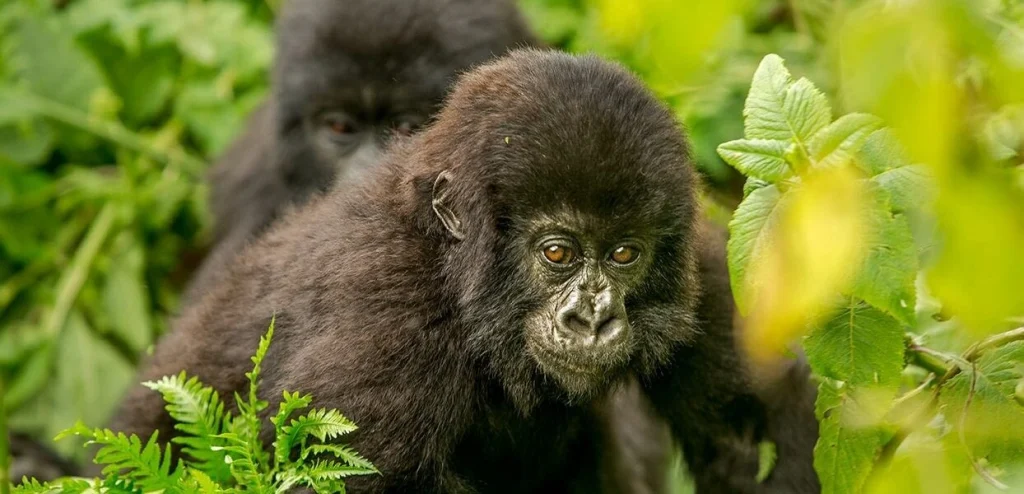
Tours Combining Uganda and Rwanda. East Africa has no better pairing than Uganda and Rwanda. The two countries share a border, a volcanic mountain range, and the world’s last wild mountain gorillas. Each still feels different. Rwanda, the “Land of a Thousand Hills,” is spotless, orderly and deeply moving. Uganda, the “Pearl of Africa,” is wild, varied and full of wildlife, from chimpanzees and tree-climbing lions to shoebill storks and the thundering Murchison Falls.
Tours combining Uganda and Rwanda let you see both in one trip, usually without long drives or extra flights. You can trek gorillas in two countries, track chimpanzees and golden monkeys, go on savannah game drives, and relax by the lakes. Along the way you’ll learn some of the region’s history and meet the people who live there.
At Kenlink Tours, we have been designing twin-country safaris since 2015. This guide covers the best combined itineraries by length and interest, the parks worth including, the routes, costs and seasons, and practical tips from our guides.
Why Choose a Tour Combining Uganda and Rwanda?
Many travelers first plan a trip to one country, then see how close the other is and add it. Here are the main reasons a combined tour works so well:
- Two gorilla experiences in different habitats. Rwanda’s Volcanoes National Park has bamboo forests on steep volcanic slopes. Uganda’s Bwindi Impenetrable Forest is an ancient, dense rainforest. Trekking in both gives you a fuller understanding of mountain gorillas.
- Greater wildlife variety. Rwanda has Akagera’s Big Five and Nyungwe’s chimpanzees. Uganda adds Queen Elizabeth’s tree-climbing lions, Kibale’s chimpanzee communities, Murchison Falls, Lake Mburo’s zebras and more than 1,000 bird species.
- Smart budgeting. Uganda’s gorilla permit costs a little over half of Rwanda’s, so many travelers trek in Uganda and spend the savings on better lodges or extra days.
- Short distances. Kigali is only a few hours from Uganda’s southern gorilla parks, so crossing between the two countries is easy.
- Rich culture and history. From Kigali’s memorials and art scene to Batwa forest walks and Kigezi highland villages, a combined trip gives you real cultural depth.
Our overview of Uganda–Rwanda connecting safaris explains why the two countries complement each other so well.
Rwanda Highlights to Include in a Combined Tour
Rwanda is compact, but it packs a lot into a small area. These are the places we most often include in combined tours.
Volcanoes National Park
Rwanda’s best-known park covers five of the eight Virunga volcanoes. Gorilla trekking here is carefully organized, with small groups and professional trackers. The park also offers golden monkey tracking, a hike to Dian Fossey’s grave and research site, and hikes up Mount Bisoke’s crater lake. Our 3-Day Gorilla Trekking in Volcanoes National Park is a popular way to start a combined safari.
Nyungwe Forest National Park
Nyungwe is one of Africa’s oldest montane rainforests. It is home to chimpanzees, large troops of Ruwenzori colobus monkeys, and East Africa’s highest canopy walkway. Add our 3-Day Nyungwe Forest National Park Tour if you love primates and forest walks.
Akagera National Park
Rwanda’s only savannah park is a conservation success story. Lions and rhinos have been reintroduced, and the Big Five now live here again. Boat trips on Lake Ihema show you hippos, crocodiles and waterbirds. See our 3-Day Akagera Game Drive Safari.
Lake Kivu
After days of trekking, the beaches and quiet towns of Gisenyi, Kibuye and Cyangugu on Lake Kivu are a good place to rest. You can take boat trips, kayak, visit coffee farms or simply relax. Our 6-Day Rwanda Adventure with the Great Apes and Lake Kivu combines trekking with time by the lake.
Kigali City
Kigali is one of Africa’s cleanest and safest capitals. A city tour usually includes the Kigali Genocide Memorial, Kimironko Market, craft cooperatives, and the city’s growing café and art scene.
Uganda Highlights to Include in a Combined Tour
Uganda’s range of landscapes and wildlife is what makes it such a strong partner for Rwanda.
Bwindi Impenetrable National Park
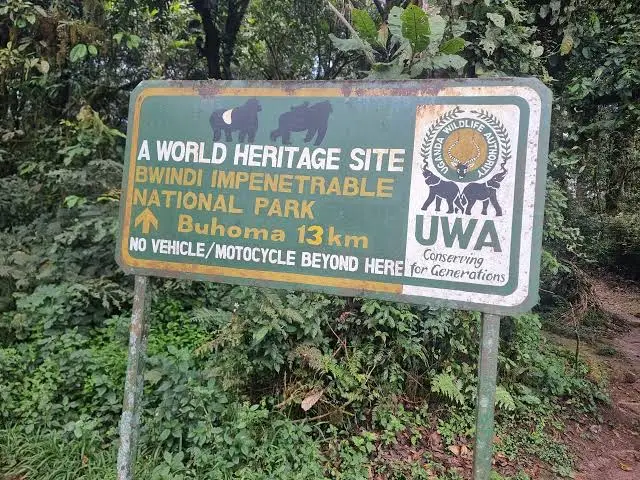
Bwindi is home to nearly half of the world’s mountain gorillas and is a UNESCO World Heritage Site. It has four trekking sectors: Buhoma, Ruhija, Rushaga and Nkuringo. Rushaga also offers the four-hour Gorilla Habituation Experience.
Mgahinga Gorilla National Park
Uganda’s part of the Virunga Massif offers gorilla trekking, golden monkey tracking, volcano hikes and the Batwa Trail. It is the closest Ugandan gorilla park to Rwanda. For where to stay, see our guide to lodges near Mgahinga Gorilla National Park.
Queen Elizabeth National Park
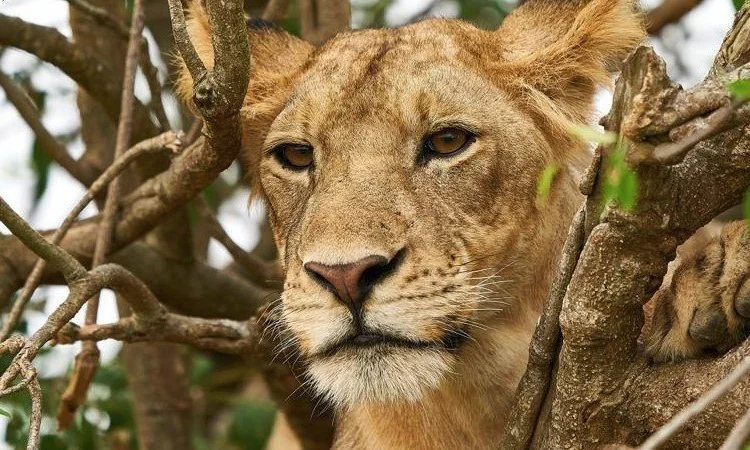
Queen Elizabeth National Park offers game drives on the Kasenyi plains, the tree-climbing lions of Ishasha, chimpanzees in Kyambura Gorge, and the Kazinga Channel boat cruise with its large numbers of hippos.
Kibale Forest National Park
Kibale is the best place in East Africa for chimpanzee tracking and has 13 primate species. For a quieter alternative, read our comparison of Kibale Forest vs Kalinzu Forest.
Lake Bunyonyi, Lake Mutanda and Lake Mburo
Lake Bunyonyi and Lake Mutanda are highland lakes well suited to canoeing and relaxing. Lake Mburo National Park offers zebras, elands, impalas, and walking and horseback safaris. It sits conveniently on the road between Kigali and Kampala.
Murchison Falls National Park
On longer tours, Murchison Falls adds a dramatic finale. Here the Nile forces its way through a 7-metre gorge, and the park holds giraffes, elephants and lions.
Short Tours Combining Uganda and Rwanda (3–5 Days)
Short on time? These short combined tours focus on primates and keep driving to a minimum.
The 4-Day Golden Monkey and Gorilla Combination
Our 4-Day Rwanda–Uganda Golden Monkey and Gorilla Trekking safari starts in Kigali. You track golden monkeys in Volcanoes National Park, cross the Cyanika border, and trek gorillas in Uganda. It suits travelers who want two primate experiences and two countries in just four days.
The 5-Day Double Gorilla Safari
The 5 Days Uganda–Rwanda Double Gorilla Safari includes one gorilla trek in each country. It is a favorite with photographers and serious wildlife enthusiasts, who get to compare two gorilla families in two very different habitats.
Uganda Gorillas from Kigali, Plus Rwanda Culture
Many travelers pair a 3 Days Bwindi Gorilla Safari Starting from Kigali with an extra day or two in Kigali, which makes a short and affordable twin-country trip. The Pick and Transfer Safaris guide to Ikoro Hotel in Kisoro explains why Kisoro, about two hours from Kigali, is a practical overnight stop on short cross-border routes like this.
Mid-Length Tours Combining Uganda and Rwanda (6–8 Days)
A week gives you time to add savannah wildlife and chimpanzees to the gorillas without rushing.
The 7 Days Uganda Rwanda Tour
Our 7 Days Uganda Rwanda Tour is a balanced introduction to both countries. A typical plan:
- Day 1: Arrive in Kigali; city tour and memorial visit.
- Day 2: Transfer to Volcanoes National Park; afternoon at the Iby’Iwacu cultural village.
- Day 3: Golden monkey tracking, then cross into Uganda.
- Day 4: Gorilla trekking in Bwindi or Mgahinga.
- Day 5: Drive to Queen Elizabeth via Ishasha for tree-climbing lions.
- Day 6: Morning game drive and Kazinga Channel cruise.
- Day 7: Drive back to Kigali, or continue to Entebbe.
The 5 Days Chimps and Gorilla Safari (Extended)
If primates are your priority, start with our 5 Days Chimps and Gorilla Safari in Uganda and add a Rwanda extension for golden monkeys or Nyungwe’s canopy walk. The result is a primate-focused tour of about 7 to 8 days.
Bwindi and Queen Elizabeth Through Kigali
The Bwindi–Queen Elizabeth route through Kigali is ideal for travelers flying in and out of Rwanda who want gorillas and big game in about six days.
Long Tours Combining Uganda and Rwanda (10–15+ Days)
With 10 days or more, you can see the full range of both countries.
The 10 Days Uganda–Rwanda Combining Safari
Our 10 Days Uganda–Rwanda Combining Safari covers chimpanzee tracking in Kibale, game drives and a boat cruise in Queen Elizabeth, gorilla trekking in Bwindi, golden monkeys in Volcanoes National Park, and a Kigali city tour. It is our most popular long combination.
The 10 Days Fantastic Tour in Rwanda and Uganda
For a Rwanda-focused alternative, the 10-Days Fantastic Tour in Rwanda & Uganda spends more time on Rwanda’s highlights before crossing into Uganda for gorillas and wildlife.
The 10 Days Best of Primates and Culture
Our 10 Days Uganda Primate, Wildlife and Cultural Tour combines well with a Rwanda extension. It includes community visits, Batwa experiences, coffee tours and local cuisine alongside the wildlife.
Two-Week Grand Circuit
With 14 to 15 days, you can combine Akagera and Nyungwe in Rwanda with Bwindi, Queen Elizabeth, Kibale and Murchison Falls in Uganda. It is a comprehensive primate and Big Five circuit that finishes with the Nile. Pick and Transfer Safaris explains how to structure this kind of one-way trip in its guide on starting a tour at Kigali Airport and ending at Entebbe Airport.
Tours Combining Uganda and Rwanda by Travel Style
Every traveler is different, and combined tours can be built around your interests.
Primate-focused tours
Mountain gorillas, chimpanzees, golden monkeys and colobus monkeys are the stars. Uganda and Rwanda together offer some of the best primate viewing anywhere. Browse our gorilla trekking adventures for ideas.
Wildlife and Big Five tours
Combine Akagera in Rwanda with Queen Elizabeth and Murchison Falls in Uganda for strong big-game viewing.
Honeymoon and luxury tours
Stay at high-end lodges such as Bisate or One&Only Gorilla’s Nest in Rwanda and Clouds Mountain Gorilla Lodge or Mount Gahinga Lodge in Uganda. End with a private charter to a Lake Kivu beach resort.
Birdwatching tours
Uganda’s 1,000+ bird species and Rwanda’s Albertine Rift endemics make combined birding tours very rewarding. Target birds include the shoebill, the African green broadbill and Rwenzori turacos.
Budget and group tours
Budget travelers can use community lodges and shared vehicles, and trek gorillas in Uganda to save on permits. Our scheduled departure safaris and group tours lower the cost per person without cutting the experience.
Self-drive tours
Experienced independent travelers can drive between the two countries with a cross-border 4×4. Our car hire service arranges the right vehicle, insurance and paperwork. Ground transport specialists like Pick and Transfer Safaris also offer vehicles and transfers across the border.
Which Direction Should You Travel?
Combined tours can run in three directions:
- Kigali in, Kigali out. Best for short primate trips. You reach Uganda’s southern gorilla parks quickly and return to Rwanda for your flight.
- Kigali in, Entebbe out (or the reverse). Best for longer tours. You travel one way through both countries and never cover the same road twice.
- Entebbe in, Entebbe out, with a Rwanda loop. Best when international fares to Entebbe are cheaper. You go into Rwanda for Volcanoes or Lake Kivu and then return to Uganda.
Compare flight prices to both airports before you decide. Your safari consultant can then design the route around the most convenient arrival and departure.
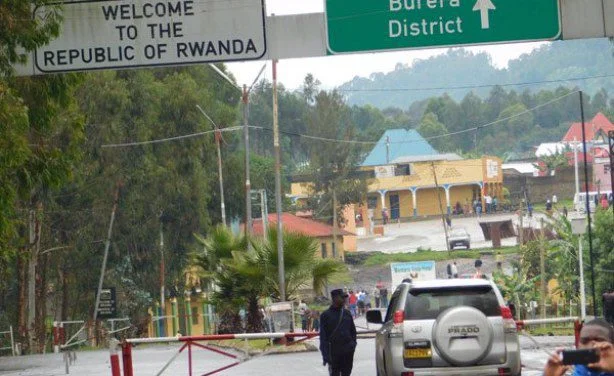
Crossing the Border Between Uganda and Rwanda
Most combined tours cross at one of two borders.
- Cyanika (Musanze–Kisoro) is the best crossing for Volcanoes, Mgahinga and southern Bwindi. It is quiet, efficient and scenic.
- Katuna/Gatuna (Kigali–Kabale) is the main commercial crossing. It is best for Lake Bunyonyi, Ruhija, Buhoma, Queen Elizabeth and the northern routes.
Remember that Uganda is one hour ahead of Rwanda. With a professional guide, crossing usually takes 30 to 60 minutes. For more detail, see our guide to companies that do transfers from Rwanda to Bwindi, Uganda.
Visas for Tours Combining Uganda and Rwanda
The East Africa Tourist Visa (about US$100) is the best choice for combined tours. It covers Uganda, Rwanda and Kenya, is valid for 90 days, and allows multiple entries between the three countries. Apply online through the country where you will land first. You will also need a passport valid for six months and a yellow fever certificate.
Our page on whether you need a visa to travel to Uganda has the latest details. Confirm current fees before you travel, as they can change.
How Much Do Tours Combining Uganda and Rwanda Cost?
Prices depend on the length of the tour, your accommodation, the number of permits and your group size. These are the main fixed costs (confirm current rates when booking):
- Uganda gorilla permit: US$800 per person
- Rwanda gorilla permit: US$1,500 per person
- Uganda Gorilla Habituation Experience: US$1,500 per person
- Chimpanzee tracking and golden monkey permits: lower-cost add-ons
- East Africa Tourist Visa: about US$100
Typical price ranges per person (sharing):
- 4–5 day primate combinations: about US$2,000–4,500
- 7–8 day combined tours: about US$3,500–7,000
- 10–15 day grand tours: about US$5,000–12,000+
A simple way to save: trek gorillas in Uganda and use Rwanda for golden monkeys, Nyungwe, Akagera, Lake Kivu and Kigali. You still get the best of both countries at a much lower cost.
Best Time to Take a Combined Uganda and Rwanda Tour
Both countries have similar weather, and gorilla trekking is possible all year.
- June to September and December to February (dry seasons): Easier hiking, better game viewing and clearer photographs. This is peak season, so book permits several months ahead.
- March to May and October to November (wet seasons): A green landscape, fewer visitors and lower lodge rates. Trails are muddier, but it is excellent for birding and quiet trekking.
If Akagera or Queen Elizabeth are important to you, the dry months give the best game viewing, as animals gather near water.
Where to Stay on a Combined Tour
Choose lodges close to your trekking points. On gorilla day you will need to arrive at the park headquarters early.
- Rwanda: Musanze and Kinigi (Volcanoes), Nyungwe lodges, Akagera lakeside camps, Lake Kivu resorts and Kigali hotels.
- Uganda: Rushaga, Nkuringo, Buhoma and Ruhija lodges in Bwindi, Kisoro and Mgahinga lodges, Lake Bunyonyi and Mutanda resorts, and lodges in Queen Elizabeth and Kibale.
Pick and Transfer Safaris’ review of Ikoro Hotel in Kisoro is a useful example of a comfortable, well-located base between the two countries.
Make the Most of Your Free Afternoons
Gorilla treks often finish by early afternoon, so plan something for the rest of the day. Options include a Batwa cultural walk, a community village tour, a hike to one of Bwindi’s waterfalls, or canoeing on Lake Mutanda. Pick and Transfer Safaris’ guide on what to do after a gorilla tour in Bwindi lists more post-trek activities and extensions.
Packing for a Tour Combining Uganda and Rwanda
Pack light and in layers:
- Waterproof hiking boots and gaiters
- Garden gloves for gripping vegetation
- A lightweight rain jacket
- Long-sleeved shirts and trousers in neutral colors
- A warm fleece for cool mountain mornings
- Binoculars and a camera with a zoom lens
- Insect repellent, sunscreen and a hat
- Reusable shopping bags (Rwanda bans plastic bags)
- Clean US dollar notes printed in 2013 or later
Responsible Travel on Your Combined Safari
Tours combining Uganda and Rwanda directly support conservation. Gorilla permit fees fund ranger patrols, veterinary care and community projects around the parks. Revenue-sharing schemes mean local communities benefit from tourism. That benefit is one reason mountain gorilla numbers have grown in recent decades.
You can help further by following the gorilla trekking rules (stay 7 metres away, avoid trekking when ill, keep noise down), buying crafts from local cooperatives, and choosing lodges that employ local staff. At Kenlink Tours, we also support community initiatives through our foundation and training programs.
Why Book Your Uganda and Rwanda Tour with Kenlink Tours?
- Local operator: We are based in Uganda and have extensive experience in Rwanda, with deep knowledge of both countries.
- Permits secured: We book gorilla, chimpanzee and golden monkey permits on your behalf.
- Tailor-made itineraries: Every tour is customized to your dates, interests and budget.
- Professional guides: Our English-speaking driver-guides are trained in wildlife, culture and border procedures.
- Reliable vehicles: Well-maintained 4×4 safari vehicles with pop-up roofs.
- 24/7 support: Our team is available from your first enquiry until you fly home.
See our full Uganda safaris and Rwanda safaris collections to start planning.
Frequently Asked Questions About Tours Combining Uganda and Rwanda
How many days do I need for a Uganda and Rwanda tour?
Four to five days is enough for a primate-focused trip. Seven to ten days lets you add chimpanzees and savannah wildlife. Twelve to fifteen days covers the highlights of both countries at a relaxed pace.
Is it better to trek gorillas in Uganda or Rwanda?
Both offer outstanding encounters. Rwanda’s treks are often shorter and more polished. Uganda’s permits are cheaper and Bwindi’s rainforest feels wilder. Many travelers trek in both.
Can I see the Big Five on a combined tour?
Yes. Akagera in Rwanda has all five. Adding Murchison Falls and Ziwa Rhino Sanctuary in Uganda gives you more chances to see them.
Is traveling between Uganda and Rwanda safe?
Yes. Both countries are among the safest safari destinations in Africa, and the border crossings are routine for tourists.
Do I need two visas?
No. The East Africa Tourist Visa covers both countries, plus Kenya, on a single visa.
Can families with children join a combined tour?
Yes. Gorilla trekking requires a minimum age of 15, but younger children can enjoy game drives, boat cruises, lake activities and cultural visits.
Start Planning Your Uganda and Rwanda Adventure
Tours combining Uganda and Rwanda offer one of the most rewarding safaris in Africa. You can trek gorillas in two countries, track chimpanzees and golden monkeys, look for lions in trees, relax by quiet lakes, and learn about the region’s culture and history, all in one well-planned trip.
Whether you choose a quick 4-day primate combination or a 10-day grand circuit, our team will build the trip around you. Contact Kenlink Tours today for a free, tailor-made quote. For extra transfer and routing options across the border, see our partners at Pick and Transfer Safaris.