- EXPERT'S HELP
- +256789210067
- +256200955001
- info@kenlinktours.com


African Bucket List Safari: Gorillas and the Great Migration
March 12, 2026
Best Eco Adventure Safaris in Uganda
March 12, 2026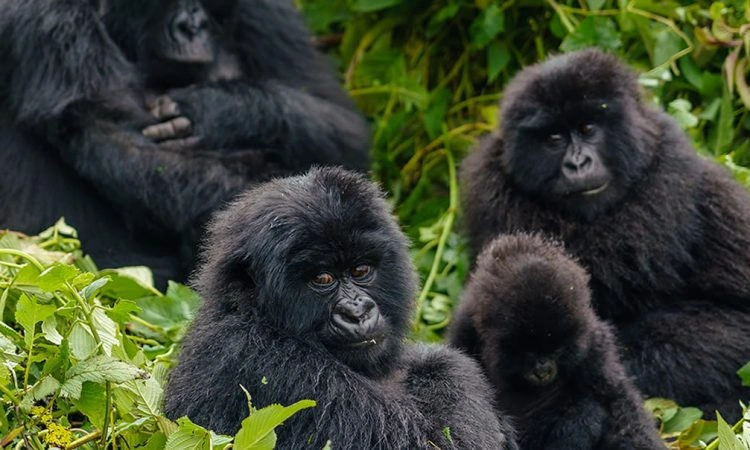
Uganda Gorillas and Serengeti Migration Safari Guide. A Uganda Gorillas and Serengeti Migration safari is one of the most sought-after wildlife experiences in East Africa. This safari combines the thrill of trekking endangered mountain gorillas in Uganda’s lush rainforests with the drama and scale of the wildebeest migration across Serengeti National Park. It is perfect for wildlife enthusiasts, adventure travelers, photographers, and anyone seeking an unforgettable East African journey.
By combining these two iconic experiences, travelers enjoy both intimate encounters with primates and epic savannah wildlife spectacles, all within a single itinerary. This safari guide provides essential insights to help plan, prepare, and enjoy this extraordinary adventure.
Overview of the Safari
The typical Uganda Gorillas and Serengeti Migration safari spans 10–14 days, depending on the chosen itinerary and travel pace. Most safaris begin in Uganda with gorilla trekking, followed by a transfer to Tanzania for the Great Migration segment.
During the gorilla trekking portion, visitors trek through Bwindi Impenetrable National Park or Mgahinga Gorilla National Park to observe habituated gorilla families in their natural rainforest habitat. Afterward, the safari moves to the Serengeti, where millions of wildebeest, zebras, and gazelles traverse the plains in search of fresh grazing and water.
This combination ensures travelers experience two of East Africa’s most iconic wildlife encounters while exploring contrasting landscapes and ecosystems.
Gorilla Trekking in Uganda
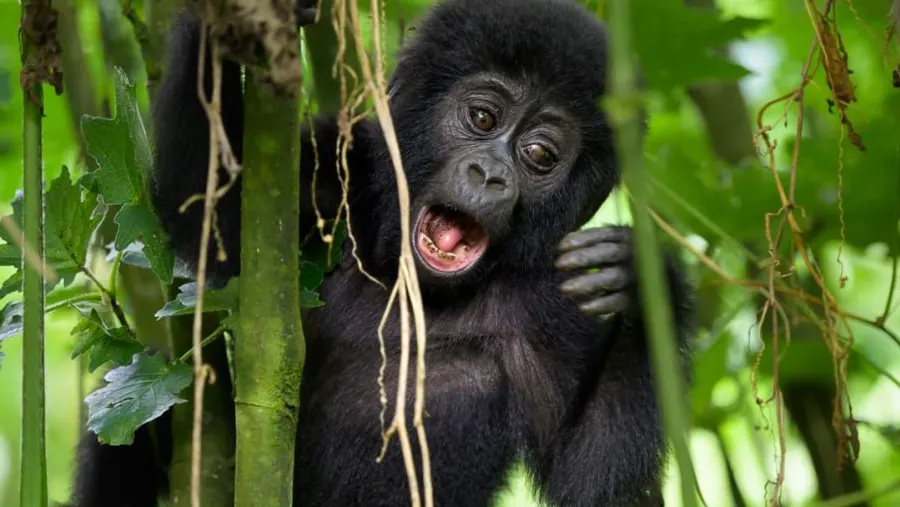
Gorilla trekking is one of Africa’s most unforgettable wildlife experiences. Uganda’s Bwindi and Mgahinga National Parks provide excellent opportunities to observe mountain gorillas up close.
Key highlights include:
-
Tracking gorilla families through dense rainforest trails guided by experienced trackers.
-
Observing dominant silverbacks, playful juveniles, and caring mothers during their daily activities.
-
Learning about gorilla behavior, social structures, and conservation efforts from park guides.
The trekking experience requires moderate fitness, as trails can be steep and challenging. The reward, however, is a rare and intimate encounter with one of the world’s most endangered primates.
Wildlife Experiences During the Great Migration
The Serengeti Migration is one of the most iconic wildlife spectacles globally. Millions of wildebeest, zebras, and gazelles move across the plains, followed closely by predators such as lions, cheetahs, and hyenas.
During this segment, travelers can expect to see:
-
Massive herds moving in coordinated patterns across the open savannah.
-
Dramatic river crossings with crocodiles and rushing waters.
-
Large predators hunting or following the migrating herds.
-
Other wildlife, including elephants, giraffes, buffalo, and a variety of bird species.
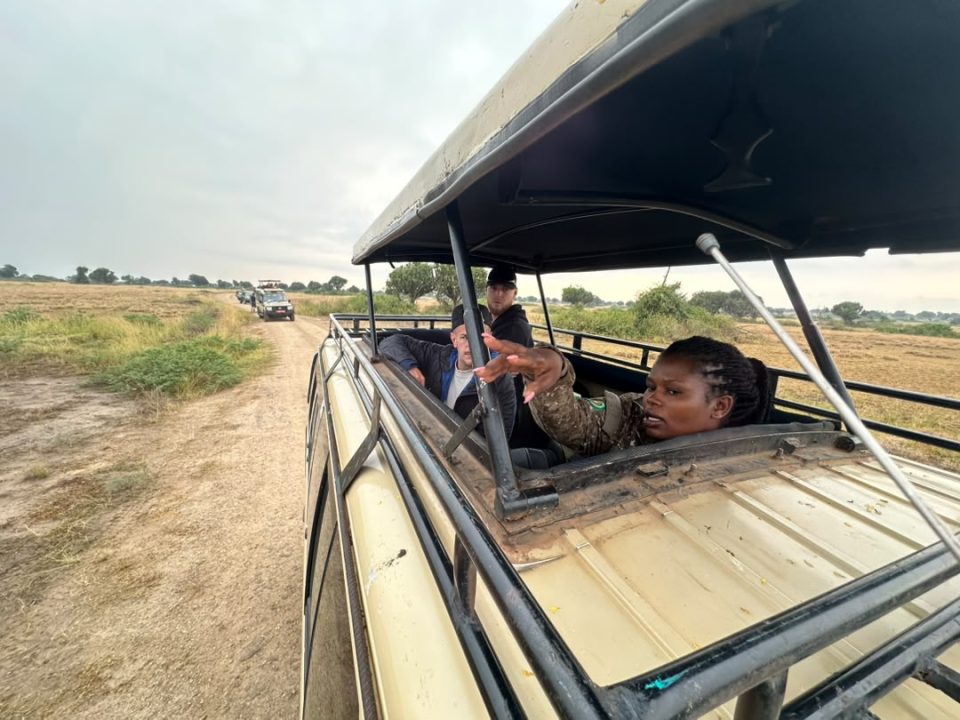
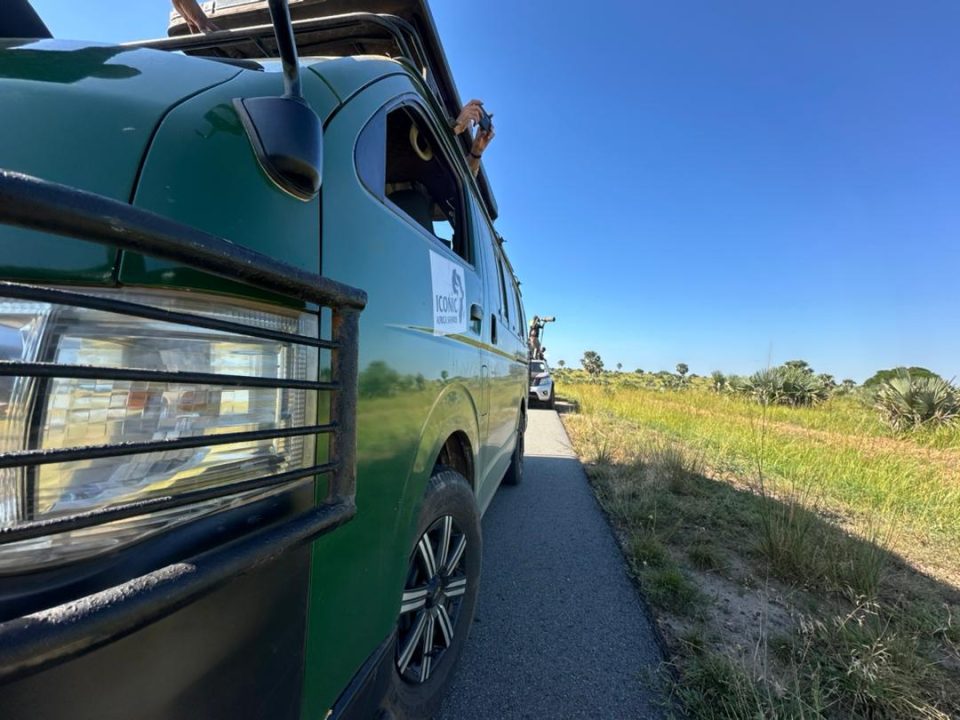
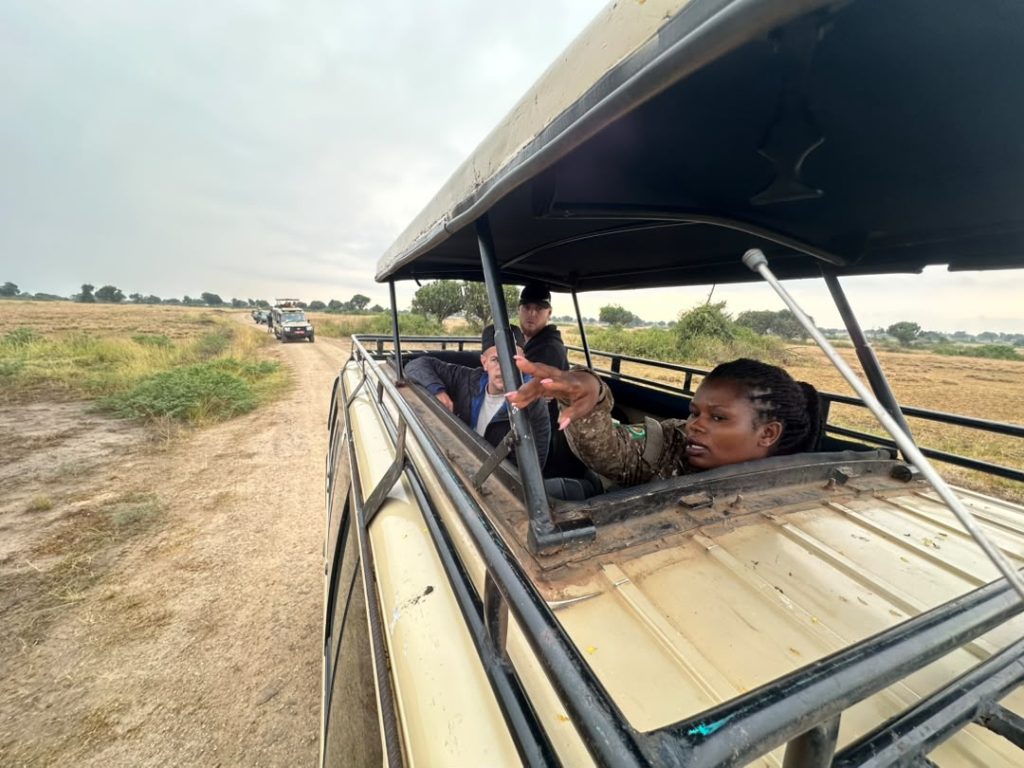
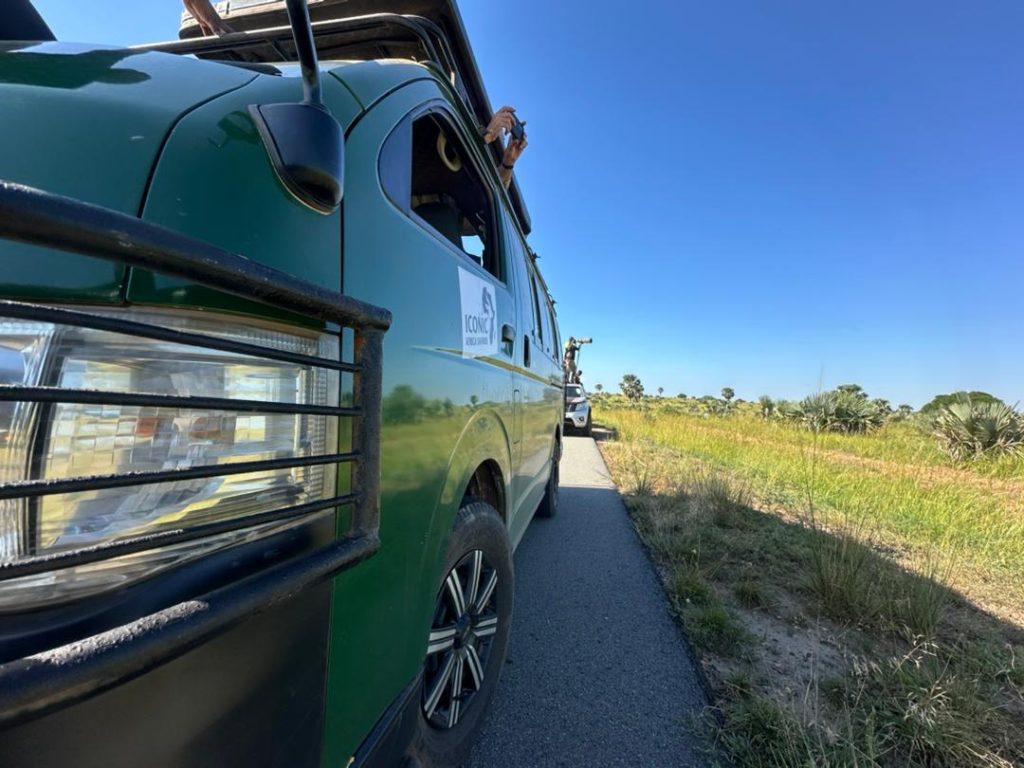
Game drives are conducted in 4×4 safari vehicles with open roofs for optimal viewing and photography. Early morning and late afternoon drives provide the best lighting and wildlife activity.
Suggested Itinerary
A typical Uganda Gorillas and Serengeti Migration safari may include:
-
Arrival in Kampala and transfer to a lodge near the gorilla trekking park.
-
Gorilla trekking day in Bwindi or Mgahinga, including a pre-trek briefing and guided hike.
-
Optional second trekking day or forest walk for additional wildlife observation.
-
Cultural or community visit near the gorilla park.
-
Transfer to Tanzania for the Serengeti segment via road or scenic flight.
6–9. Multiple game drives to witness migration herds, predator activity, and river crossings. -
Optional hot air balloon safari over the Serengeti for a unique aerial perspective.
-
Departure from the nearest airport, reflecting on the diverse wildlife encounters.
This itinerary balances adventure, relaxation, and optimal wildlife viewing opportunities.
Accommodation Options
Travelers can select accommodation based on budget and comfort preferences:
-
Gorilla Trekking: Options range from luxury lodges with private suites to budget-friendly lodges or community-run guesthouses near the trekking areas.
-
Migration Safari: Serengeti accommodations include luxury tented camps, mid-range lodges, and budget campsites located near prime migration routes.
Many lodges and camps offer amenities such as guided walks, local cultural experiences, and meals prepared with fresh local ingredients.
Travel Tips
-
Gorilla Trekking Permits: These are limited and should be booked well in advance.
-
Packing Essentials: Include hiking boots, rain gear, insect repellent, sunscreen, hats, and binoculars.
-
Travel Logistics: Internal flights between Uganda and Tanzania save time and reduce long road transfers.
-
Photography Gear: Cameras with zoom lenses and extra memory cards are recommended for both gorilla and savannah wildlife photography.
-
Health Precautions: Vaccinations and travel insurance are essential, and trekking requires moderate fitness.
Best Time to Travel
The best time to combine gorilla trekking with the Great Migration depends on seasonal patterns:
-
Gorilla Trekking: Possible year-round, with dry seasons (June–September and December–February) offering easier hiking conditions.
-
Great Migration: Southern Serengeti during calving season (January–March), northern Serengeti and Maasai Mara river crossings (July–October).
Planning around these seasons ensures optimal wildlife viewing and trekking conditions.
Why This Safari Is a Must-Do
Combining gorilla trekking and the Great Migration provides a complete East African wildlife experience:
-
Witness endangered mountain gorillas in their natural rainforest habitat.
-
Experience one of the most dramatic wildlife spectacles on the planet.
-
Observe predator-prey interactions and the dynamics of herd migration.
-
Explore contrasting landscapes from misty forests to vast savannahs.
-
Capture exceptional photographic opportunities in two iconic ecosystems.
This safari is ideal for travelers seeking adventure, education, and a once-in-a-lifetime wildlife journey.