- EXPERT'S HELP
- +256789210067
- +256200955001
- info@kenlinktours.com


Uganda Gorillas and Serengeti Migration Safari Guide
March 12, 2026
Serengeti vs Maasai Mara: Where to See the Best Migration Views
March 12, 2026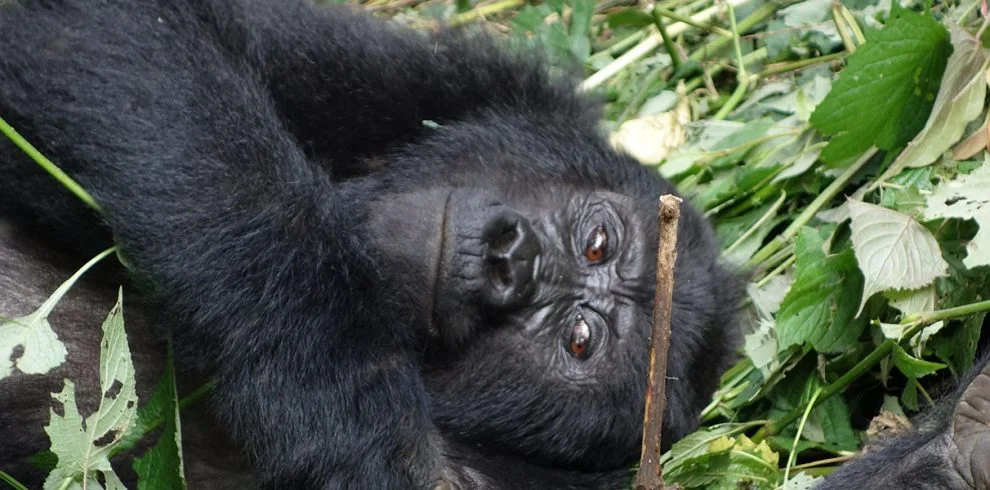
Best Eco Adventure Safaris in Uganda. Uganda, often called the “Pearl of Africa,” offers some of the most remarkable eco-adventure safari experiences on the continent. From lush rainforests to sprawling savannahs, Uganda’s diverse landscapes provide travelers with opportunities to explore wildlife sustainably while engaging in thrilling outdoor adventures. Eco-adventure safaris in Uganda combine responsible tourism, conservation-focused activities, and authentic interactions with nature, making them ideal for environmentally conscious travelers and wildlife enthusiasts.
These safaris go beyond traditional game drives, encouraging travelers to connect with Uganda’s natural ecosystems, support local communities, and minimize their environmental impact while enjoying unforgettable wildlife encounters.
Gorilla Trekking and Habituation Safaris
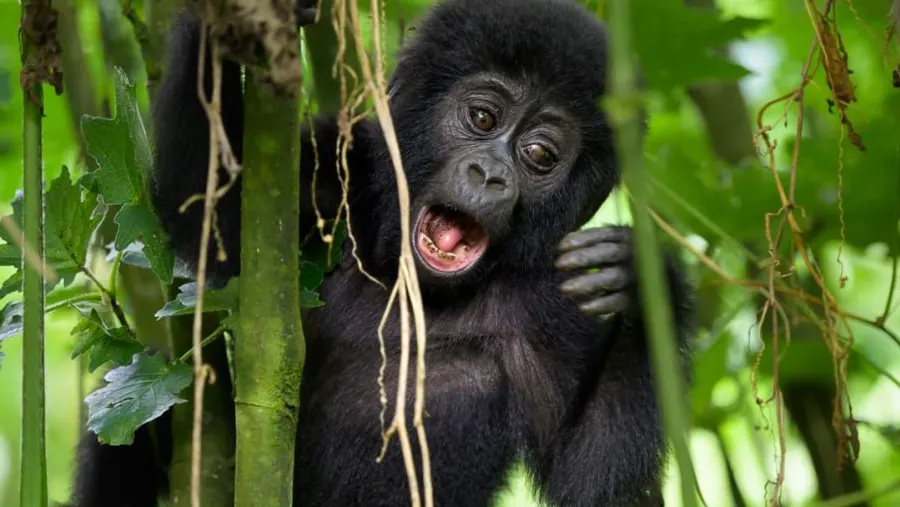
One of the most iconic eco-adventure experiences in Uganda is gorilla trekking and habituation in Bwindi Impenetrable National Park and Mgahinga Gorilla National Park. These treks are conducted under strict conservation guidelines to protect mountain gorillas, one of the world’s most endangered species.
Highlights of gorilla-focused eco-adventures include:
-
Tracking habituated gorilla families through dense rainforest trails guided by trained trackers.
-
Spending an hour observing silverbacks, mothers, and juveniles in their natural habitat.
-
Participating in eco-conscious tourism that directly supports gorilla conservation and local communities.
Gorilla habituation experiences allow visitors to spend several hours observing gorillas, offering a deeper understanding of their behavior and social structures. These safaris are physically engaging and require moderate hiking fitness, but the reward is a rare and intimate wildlife encounter.
Chimpanzee Tracking in Kibale Forest
Kibale Forest National Park is home to one of the largest populations of chimpanzees in Africa. Eco-adventure safaris in Kibale allow travelers to track chimpanzees through primary rainforest while learning about primate behavior and conservation efforts.
Other highlights include:
-
Birdwatching and spotting rare forest species.
-
Guided nature walks along forest trails and swamp areas.
-
Community visits to learn about local conservation initiatives.
Chimpanzee tracking combines physical activity with educational experiences, making it a top choice for eco-conscious travelers.
Wildlife and Nature Safaris in Queen Elizabeth National Park
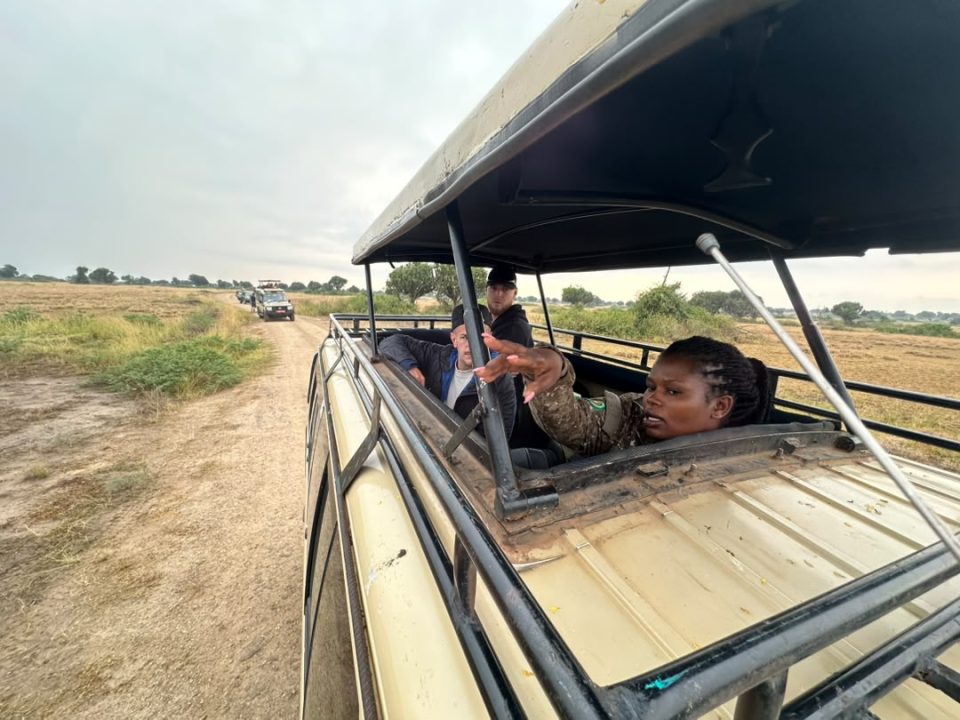
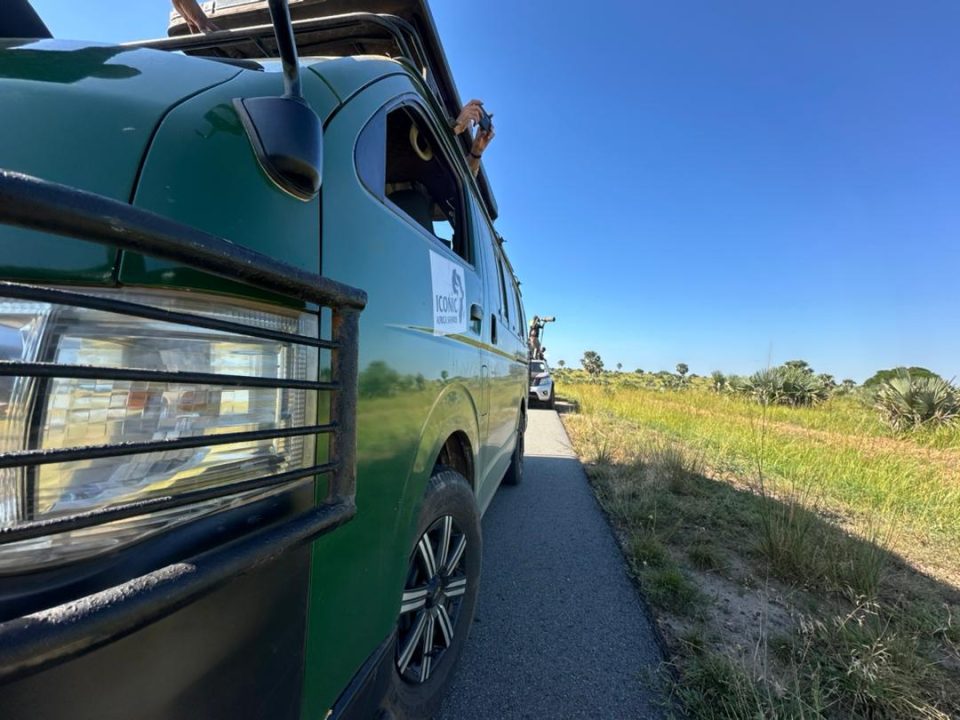
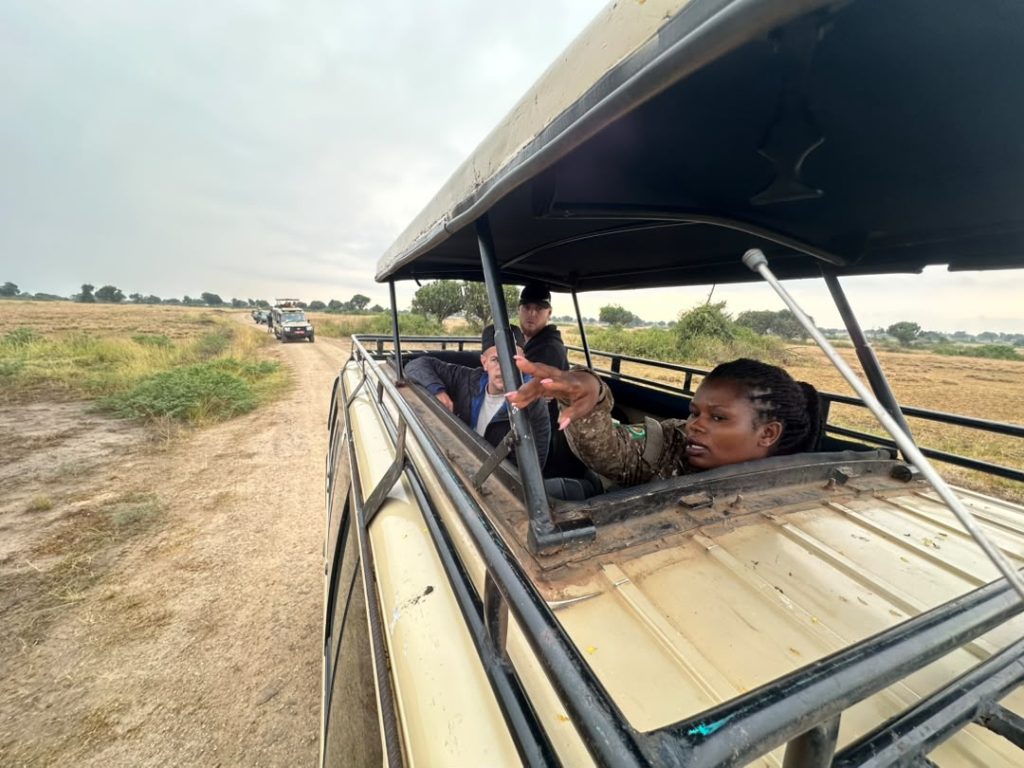
Queen Elizabeth National Park offers a mix of savannah, wetlands, and forested habitats, making it ideal for eco-adventure safaris. Sustainable game drives and boat safaris on the Kazinga Channel allow visitors to observe a variety of wildlife while minimizing environmental impact.
Key experiences include:
-
Watching hippos, crocodiles, elephants, lions, and buffalo along the channel and open savannah.
-
Birdwatching with over 600 recorded species in the park.
-
Exploring crater lakes and walking trails to observe lesser-known flora and fauna.
Eco-conscious operators emphasize responsible wildlife viewing practices, such as maintaining safe distances and avoiding disruption to natural behaviors.
Adventure Safaris in Rwenzori Mountains
The Rwenzori Mountains, also called the “Mountains of the Moon,” offer unique eco-adventure opportunities in Uganda. Trekking in this UNESCO World Heritage Site provides both physical challenge and breathtaking scenery.
Highlights include:
-
Hiking through montane forests, bamboo zones, and alpine meadows.
-
Viewing rare plant species, waterfalls, and glacial peaks.
-
Observing endemic wildlife such as Rwenzori turacos and forest monkeys.
These treks are suited for travelers seeking adventure, fitness challenges, and immersive encounters with pristine ecosystems.
Birding and Eco-Tourism Safaris
Uganda is a birdwatcher’s paradise, with over 1,000 species recorded across its national parks and forests. Eco-adventure birding safaris provide opportunities to spot endemic and migratory species while promoting sustainable tourism practices.
Top birding locations include:
-
Bwindi Impenetrable National Park for Albertine Rift endemics.
-
Queen Elizabeth National Park for wetland and savannah species.
-
Mabamba Swamp to spot the rare shoebill stork.
Birding safaris often include guided walks, boat rides, and educational sessions about habitat conservation.
Community-Based Eco-Adventure Experiences
Many eco-adventure safaris in Uganda integrate local communities, providing travelers with authentic cultural experiences while supporting sustainable development. Activities may include:
-
Visits to local villages to learn traditional crafts and customs.
-
Participating in community-led conservation projects.
-
Supporting eco-lodges and camps that employ local staff and use renewable energy.
These experiences not only enrich the safari but also contribute positively to Uganda’s conservation and development efforts.
Tips for Eco-Adventure Safaris
To maximize the experience and minimize environmental impact, consider the following:
-
Travel with operators who prioritize sustainable practices, conservation, and local community support.
-
Respect wildlife by maintaining safe distances and avoiding loud noises or flash photography.
-
Pack eco-friendly gear, including reusable water bottles, biodegradable toiletries, and lightweight clothing.
-
Follow park guidelines and leave no trace during trekking, wildlife viewing, and nature walks.
-
Consider visiting during shoulder seasons to reduce pressure on parks and wildlife.
These practices ensure responsible travel while enjoying Uganda’s natural wonders.
Why Choose Eco-Adventure Safaris in Uganda
Uganda offers a unique combination of adventure, biodiversity, and conservation-focused experiences:
-
Biodiversity: Encounter gorillas, chimpanzees, elephants, lions, hippos, and over 1,000 bird species.
-
Adventure: Trek rainforests, mountains, and savannahs while observing wildlife up close.
-
Conservation Impact: Support initiatives that protect endangered species and local habitats.
-
Cultural Immersion: Engage with communities and learn traditional practices linked to conservation.
-
Sustainable Travel: Minimize environmental footprint while enjoying authentic African wilderness.
Eco-adventure safaris in Uganda provide not only thrilling wildlife encounters but also meaningful engagement with nature and communities.