- EXPERT'S HELP
- +256789210067
- +256200955001
- info@kenlinktours.com


Best Safari Experiences in Uganda
March 11, 2026
Why Travelers Choose Kenlink Tours for Uganda Safaris
March 11, 2026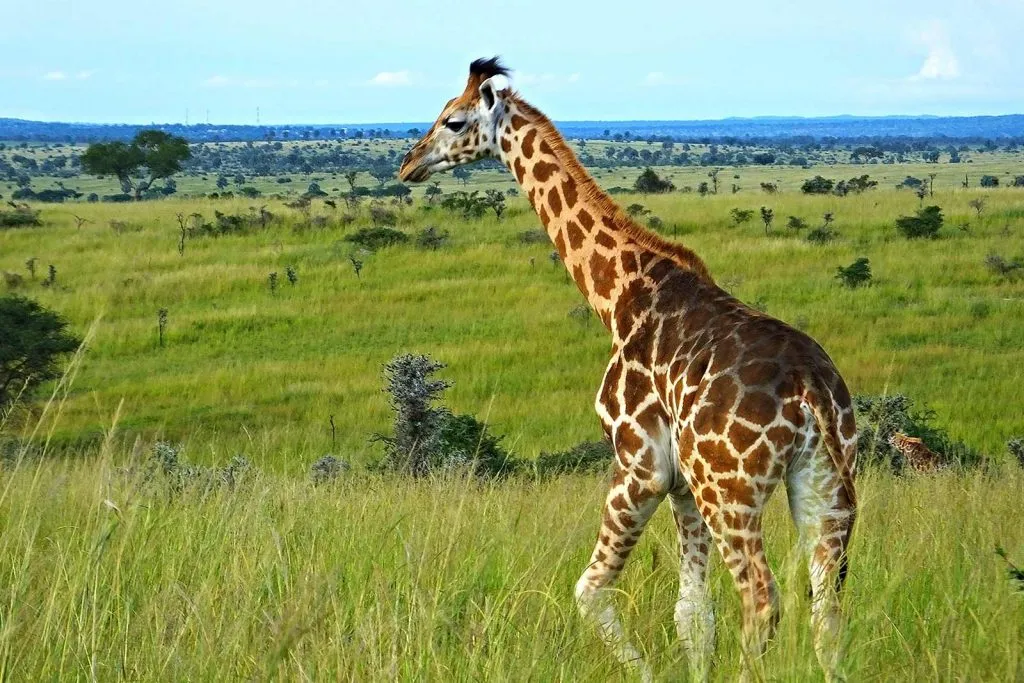
Uganda Safari Travel Guide for International Tourists. Uganda, famously known as the “Pearl of Africa,” is one of East Africa’s most captivating travel destinations. With its lush rainforests, rolling hills, crater lakes, and sprawling savannahs, Uganda offers international tourists a wide range of unforgettable safari experiences. From tracking endangered mountain gorillas and chimpanzees to exploring vibrant local cultures and breathtaking landscapes, Uganda promises adventure, relaxation, and cultural immersion all in one trip.
This comprehensive Uganda safari travel guide is designed to help international travelers plan a memorable journey, understand the country’s highlights, and experience the best that Uganda has to offer.
Why Choose Uganda for Your Safari
Uganda stands out as a safari destination for several reasons:
-
Biodiversity: Uganda is home to over 100 mammal species, more than 1,000 bird species, and unique primates such as mountain gorillas and chimpanzees.
-
Scenic Landscapes: The country features diverse landscapes, including the Rwenzori Mountains, crater lakes, and the Nile River.
-
Cultural Experiences: With over 50 ethnic groups, Uganda offers vibrant cultural experiences that allow visitors to engage with local communities and traditions.
-
Accessibility: Uganda is well-connected by international flights to Entebbe International Airport, making it easy for global travelers to reach.
-
Safety: Uganda is considered one of the safest safari destinations in East Africa, with friendly locals and stable infrastructure for tourists.
Visa and Entry Requirements for International Tourists
Most international visitors require a visa to enter Uganda. Fortunately, Uganda offers an eVisa system, allowing travelers to apply online before arrival. The visa is usually valid for 30 days, and multiple-entry visas are available for extended stays.
Travelers are advised to carry a valid passport with at least six months’ validity from the date of entry. It is also recommended to check updated travel advisories and health requirements before departure.
Health and Vaccination Guidelines
Uganda is located in a tropical region where certain health precautions are necessary:
-
Yellow Fever Vaccination: A yellow fever vaccination certificate is mandatory for travelers entering Uganda.
-
Malaria Prevention: Malaria is present in Uganda. Travelers should use mosquito repellent, wear long-sleeved clothing, and consider anti-malarial medication.
-
Routine Vaccinations: Ensure you are up-to-date with routine vaccinations such as tetanus, hepatitis A and B, and typhoid.
-
Water and Food Safety: Drink bottled or boiled water and avoid raw or undercooked foods to prevent gastrointestinal illness.
Best Time to Visit Uganda
Uganda can be visited year-round, but the dry seasons are considered the most favorable for safari activities:
-
June to September: Ideal for gorilla trekking, wildlife safaris, and cultural tours. Trails are easier to navigate, and wildlife visibility is high.
-
December to February: Another excellent period for trekking and wildlife viewing, with sunny days and cool evenings.
The rainy seasons (March–May and October–November) bring lush green landscapes, which are ideal for photography, birdwatching, and enjoying quieter parks with fewer tourists.
Key Safari Destinations in Uganda
Uganda offers a variety of safari destinations, each with unique wildlife, scenery, and experiences.
Gorilla Trekking in Bwindi Impenetrable Forest
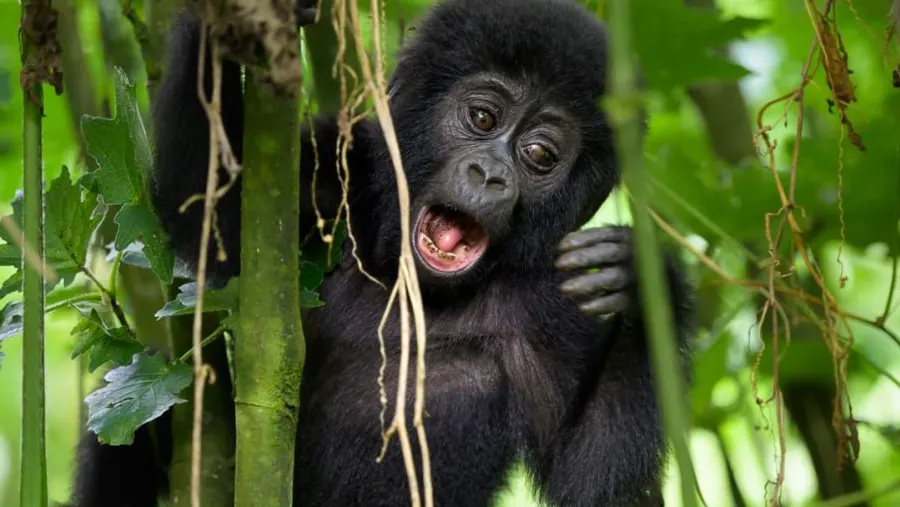
Bwindi Impenetrable National Park is a UNESCO World Heritage Site and home to nearly half of the world’s remaining mountain gorillas.
Gorilla trekking begins with an early morning briefing followed by a hike through the dense rainforest, guided by expert trackers. Upon encountering a gorilla family, visitors spend one hour observing these majestic primates interact, feed, and play. Gorilla trekking is not only an unforgettable experience but also a vital conservation initiative supporting the protection of these endangered species.
Chimpanzee Tracking in Kibale Forest
Kibale Forest National Park is one of Africa’s best destinations for chimpanzee tracking. The park is home to over 13 primate species, including chimpanzees, red colobus monkeys, and grey-cheeked mangabeys.
Tracking chimpanzees involves trekking through lush forest trails, guided by trained trackers who follow their calls and movement. Observing chimpanzees in the wild provides an extraordinary insight into their social behavior and intelligence.
Wildlife Safaris in Queen Elizabeth National Park
Queen Elizabeth National Park is renowned for its diverse wildlife and stunning scenery. The park features savannahs, wetlands, crater lakes, and forested areas, making it ideal for game drives and boat cruises.
Visitors can encounter elephants, lions, leopards, buffaloes, hippos, and a variety of bird species. The Kazinga Channel boat cruise is a highlight, offering close-up views of hippos, crocodiles, and large herds of elephants along the riverbanks.
Birdwatching Opportunities
Uganda is a paradise for bird enthusiasts, with over 1,000 recorded species. Birdwatching hotspots include Mabamba Swamp, Bwindi Impenetrable National Park, and Kibale Forest National Park.
Travelers can spot rare species such as the shoebill stork, great blue turaco, and numerous endemic forest birds. Guided tours ensure the best viewing opportunities and expert knowledge.
Adventure and Hiking Experiences
Uganda offers thrilling adventure activities for active travelers. The Rwenzori Mountains, also known as the “Mountains of the Moon,” provide challenging treks with breathtaking views of glaciers, waterfalls, and alpine vegetation.
Other adventure activities include white-water rafting on the Nile River, canopy walks in Nyungwe Forest, and hiking in Mgahinga Gorilla National Park. These experiences combine physical activity with nature exploration and unforgettable scenery.
Scenic Lakes and Relaxation
Uganda’s lakes, including Lake Bunyonyi, Lake Mburo, and Lake Victoria, provide serene settings for relaxation, boat rides, fishing, and birdwatching.
Lake Bunyonyi, with its 29 islands and terraced hills, is perfect for unwinding after adventurous trekking or safari drives. These scenic waters add tranquility and balance to a dynamic safari itinerary.
Cultural Experiences in Uganda
Uganda’s rich cultural diversity enhances the safari experience. With over 50 ethnic groups, visitors can engage with local communities through village visits, traditional dance performances, craft demonstrations, and storytelling sessions.
The Batwa communities near Bwindi and Mgahinga provide unique insights into indigenous forest life, hunting techniques, and traditional knowledge. Cultural interactions not only enrich the safari experience but also support community-based tourism initiatives, helping preserve local heritage.
Planning Your Uganda Safari
To make the most of your Uganda safari, consider the following tips:
-
Duration: A 5–10 day safari is ideal to experience gorilla trekking, chimpanzee tracking, wildlife viewing, cultural interactions, and scenic lakes.
-
Accommodation: Options range from luxury lodges and boutique hotels to mid-range lodges and community guesthouses. Many lodges are strategically located near national parks for convenience.
-
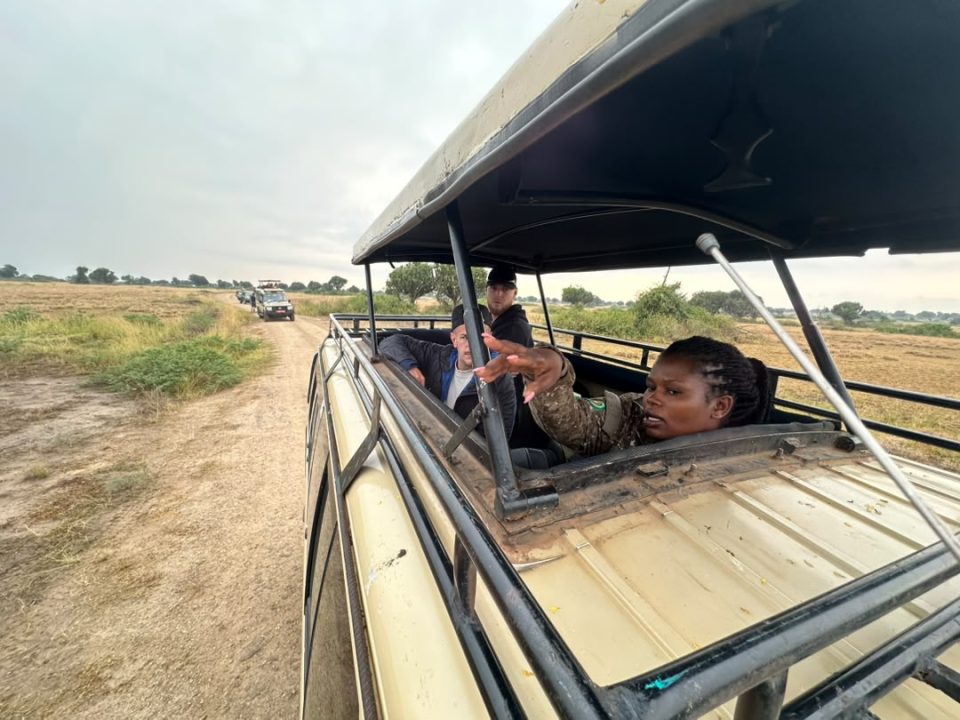
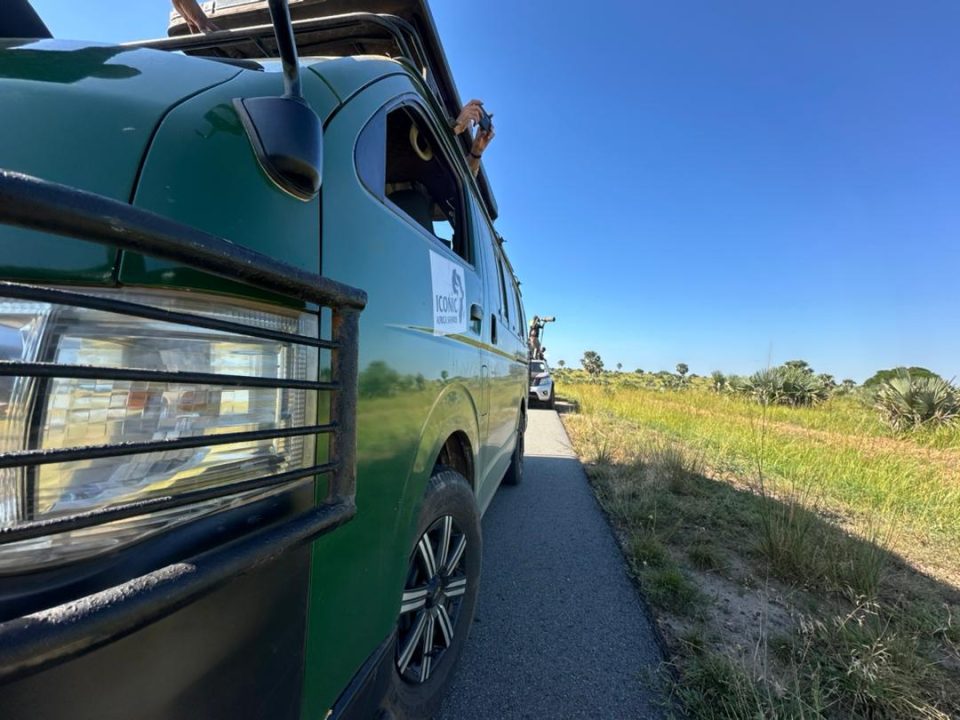
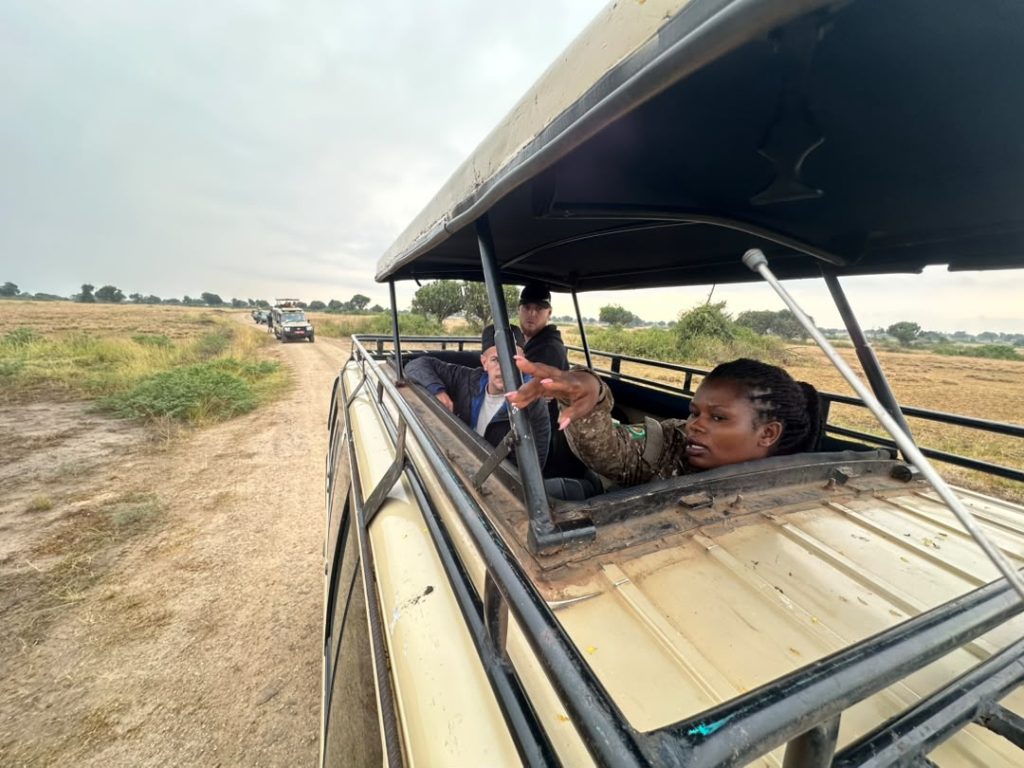
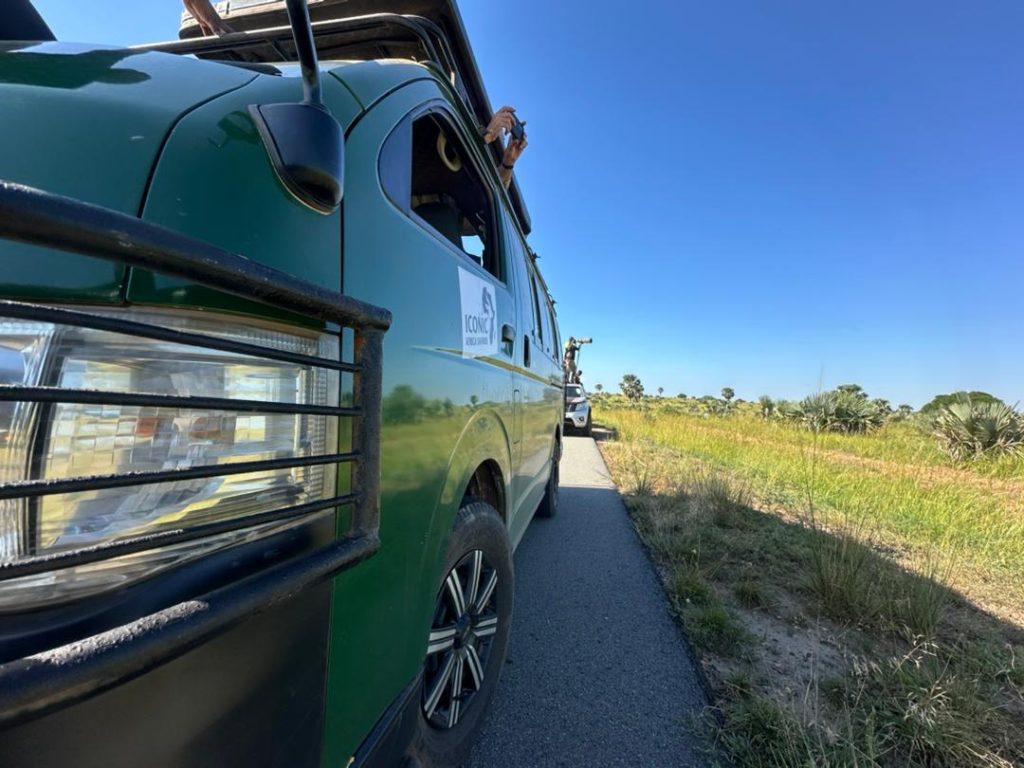
Transportation: Safari vehicles are usually 4x4s with pop-up roofs, perfect for game drives and forest trekking. Transfers from Entebbe International Airport or Kigali are common for international travelers.
-
Packing Essentials: Comfortable hiking shoes, long-sleeved clothing, rain gear, insect repellent, binoculars, sunscreen, and a camera.
-
Guides and Permits: Engage experienced guides for gorilla trekking, chimpanzee tracking, and game drives. Permits for gorilla trekking should be booked well in advance due to high demand.
Safety and Travel Tips
Uganda is generally safe for international tourists, but it’s important to follow safety guidelines:
-
Respect wildlife and maintain a safe distance.
-
Follow instructions from guides and park rangers at all times.
-
Avoid walking alone at night in unfamiliar areas.
-
Use reputable safari operators and accommodations.
Responsible Tourism in Uganda
Tourism in Uganda plays a vital role in conservation and community development. Revenue from park fees, safari permits, and tours supports wildlife protection, forest conservation, and local livelihoods.
Visitors are encouraged to minimize environmental impact, respect cultural norms, and support local businesses. Responsible tourism ensures Uganda’s wildlife, landscapes, and cultures remain preserved for future generations.
Sample Safari Itinerary for International Tourists
A typical 7-day Uganda safari for international visitors may include:
-
Day 1: Arrival at Entebbe International Airport and transfer to Kampala or Jinja.
-
Day 2: Drive to Kibale Forest National Park for chimpanzee tracking.
-
Day 3: Explore Bigodi Wetlands for birdwatching and nature walks.
-
Day 4: Drive to Queen Elizabeth National Park for a game drive and Kazinga Channel boat cruise.
-
Day 5: Travel to Bwindi Impenetrable Forest for gorilla trekking.
-
Day 6: Community visit with Batwa people and optional nature walks.
-
Day 7: Return to Kampala for departure or optional extension to Lake Bunyonyi.
This itinerary combines wildlife, primates, culture, and scenic landscapes for a holistic Ugandan safari experience.
Book Your Uganda Safari with Kenlink Tours
Uganda offers an incredible diversity of safari experiences that are perfect for international tourists seeking adventure, wildlife, and cultural discovery. From gorilla trekking in Bwindi and chimpanzee tracking in Kibale to game drives, boat safaris, and cultural tours, every day in Uganda brings unique and memorable experiences.
At Kenlink Tours, we specialize in crafting personalized Uganda safari itineraries for international travelers. Our experienced guides, comfortable vehicles, and carefully selected accommodations ensure a seamless and unforgettable journey.
Book your Uganda safari with Kenlink Tours today.
For bookings and inquiries, contact us at:
info@kenlinktours.com
inquiries@kenlinktours.com