- EXPERT'S HELP
- +256789210067
- +256200955001
- info@kenlinktours.com


Flying vs driving to Bwindi
May 24, 2026
How much does gorilla trekking Tour Cost in Rwanda
May 24, 2026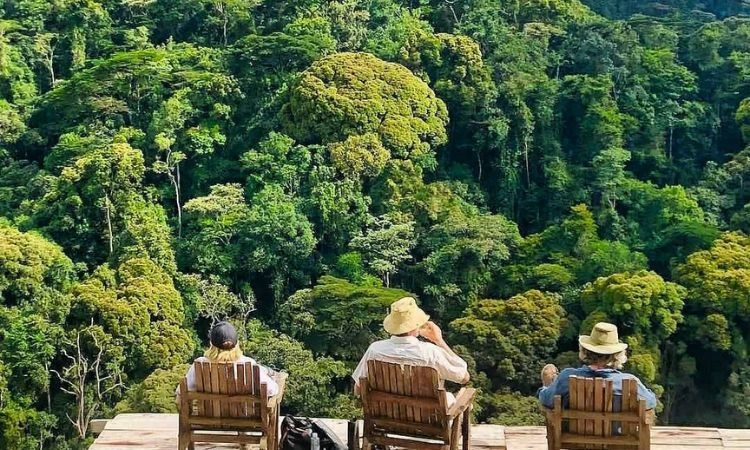
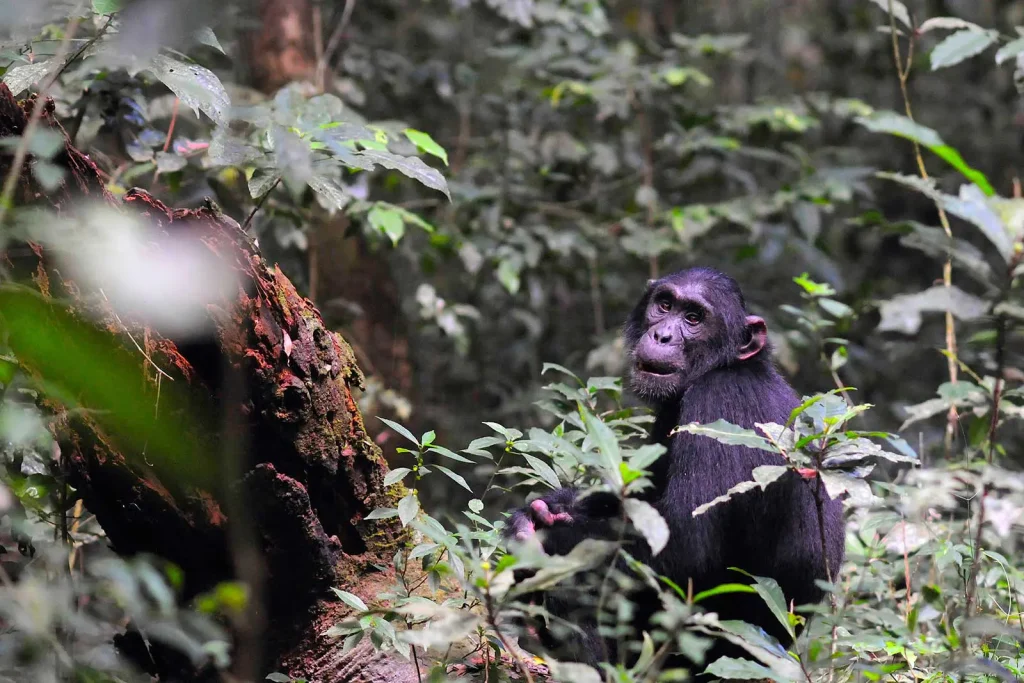
Ultimate guide to gorilla trekking in Bwindi Impenetrable Forest. Nestled deep in southwestern Uganda, Bwindi Impenetrable Forest is one of Africa’s most ancient and biodiverse rainforests — and home to almost half of the world’s remaining mountain gorillas. For wildlife lovers and adventure seekers alike, gorilla trekking in Bwindi is not just a safari activity; it is a life-changing encounter that connects you intimately with our closest relatives in the wild. This ultimate guide covers everything you need to plan the perfect gorilla trekking experience, from securing your permit to what happens the moment you lock eyes with a silverback.
What Is Gorilla Trekking and Why Bwindi?
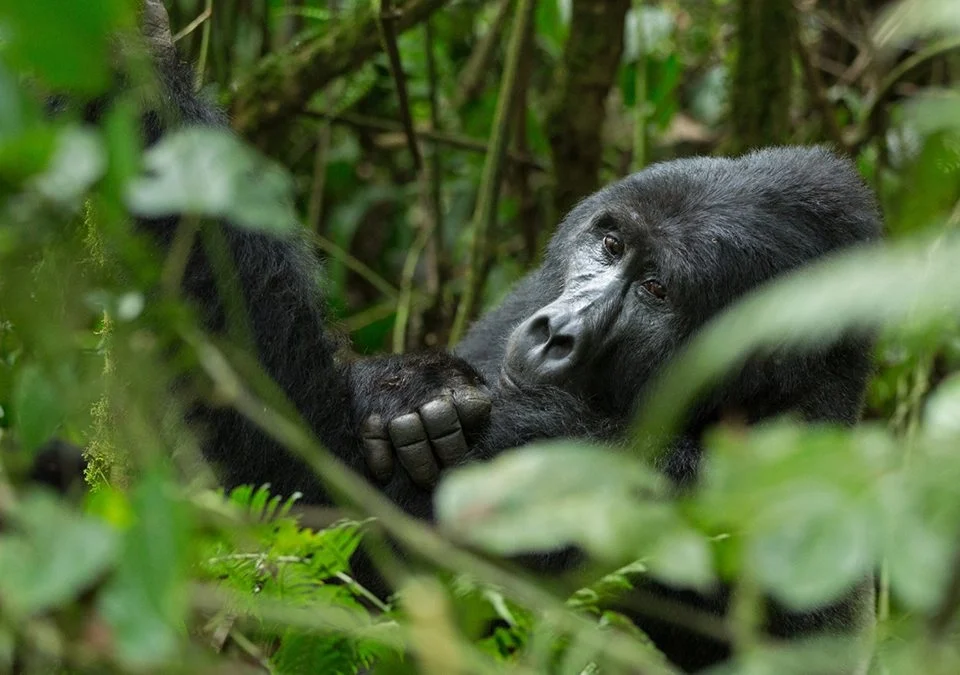
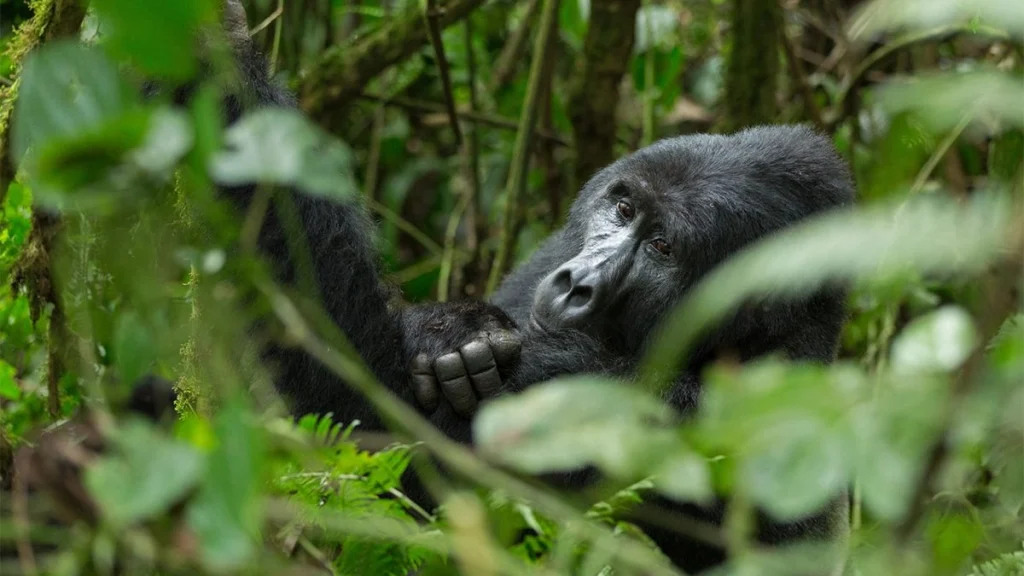
Gorilla trekking is the guided activity of hiking through dense tropical forest to locate and observe habituated mountain gorilla families in their natural habitat. Unlike visiting animals in a zoo or game drive setting, trekking puts you face-to-face with gorillas living freely in the wild, behaving exactly as nature intended.
Bwindi Impenetrable National Park, a UNESCO World Heritage Site, covers approximately 321 square kilometres of mist-covered montane and lowland forest along the edge of the Albertine Rift. The park currently protects over 460 individual mountain gorillas across more than 50 gorilla families, with around 22 families fully habituated and open to trekking experiences. No other destination on earth offers this volume and diversity of gorilla encounters. Whether you are planning a classic 3-day Uganda gorillas safari or incorporating Bwindi into a longer 7-day gorilla and wildlife adventure, this forest should be at the very heart of your East Africa itinerary.
The Four Trekking Sectors of Bwindi
Bwindi is divided into four main trekking sectors, each with its own character, landscape, and habituated gorilla families. Understanding the differences helps you choose the experience that suits your fitness level and interests.
Buhoma is the oldest and most established sector, located in the north of the park. It is the most accessible from Kampala and offers a wide range of accommodation options from budget lodges to luxury camps. The terrain here is moderately challenging and often a favorite for first-time trekkers.
Ruhija sits at higher altitude in the eastern sector and is known for excellent birding as well as gorilla trekking. The higher elevation means cooler temperatures and occasionally more demanding trails, but the reward is fewer crowds and a wonderfully remote atmosphere.
Rushaga, in the southern sector, hosts the highest concentration of habituated gorilla families in Bwindi. It is also the only place in Uganda where you can participate in gorilla habituation experiences — an extended four-hour visit with gorillas still being accustomed to human presence, offered through Uganda Wildlife Authority (UWA).
Nkuringo, also in the south, offers some of the most dramatic scenery in the park, with sweeping views over the Virunga volcanoes. Treks here tend to be physically demanding due to the steep terrain, but the setting is utterly spectacular.
How to Get Your Gorilla Trekking Permit
This is one of the most critical steps in planning your trip. Gorilla trekking permits in Uganda cost $800 USD per person for foreign non-residents and allow a one-hour visit with a gorilla family, limited to a group of eight tourists per day per family. Permits are issued by the Uganda Wildlife Authority and are in very high demand, particularly during peak seasons.
Booking permits several months in advance is strongly recommended — during busy periods such as June to September and December to February, permits can sell out six months or more ahead. Working with a reputable tour operator like Kenlink Tours takes the complexity out of the process: we handle permit applications, logistics, and on-the-ground support so you can focus entirely on the experience itself. Our team monitors permit availability throughout the year and can secure your spot as part of a tailored itinerary.
Best Time to Go Gorilla Trekking in Bwindi
Gorilla trekking is available year-round at Bwindi, but the timing of your visit can greatly affect trail conditions and comfort. Uganda has two dry seasons — June to September and December to February — which are widely considered the best months for trekking. Trails are drier, vegetation is less dense, and photography conditions are generally superior.
The wet seasons — March to May and October to November — bring heavier rainfall, muddier paths, and leeches on the trail. However, gorilla sightings remain excellent regardless of the season, and the forest looks strikingly lush and green. Wet season trekking also comes with smaller crowds and sometimes lower accommodation rates, making it an attractive option for budget-conscious travellers.
If you are combining your Bwindi visit with a wider Uganda safari — say, a 7-day wildlife, gorillas, and chimpanzee safari — the dry season aligns perfectly for both primate trekking and game drives in Queen Elizabeth or Murchison Falls National Park.
What to Expect on Trekking Day
Your trekking day begins at the designated ranger station, where briefings start at 7:30 AM. Rangers assign each group of eight to a specific gorilla family and provide essential rules: maintain a minimum distance of seven meters from the gorillas, avoid flash photography, do not eat or drink within the gorilla viewing area, and wear a face mask when close to the animals to protect them from human-transmitted illness.
The trek itself can last anywhere from 30 minutes to several hours, depending on where the gorillas have ranged overnight. Trackers go out at dawn to locate the family and radio their position to the trekking guides, minimizing your search time. When you finally find the family, you will have a full one magical hour with them — watching infants tumble through the undergrowth, observing the silverback’s commanding presence, and witnessing interactions that feel profoundly intimate and human.
Once the hour is complete, you return to the trailhead with rangers for a debriefing and your well-deserved certificate of completion. Most visitors describe the experience as one of the most moving and humbling of their lives.
What to Pack and How to Prepare Physically
Bwindi’s terrain is uneven, steep in places, and often slippery. Preparation makes a meaningful difference to your comfort and enjoyment. Here is what every trekker should bring:
Wear sturdy waterproof hiking boots with strong ankle support. Long-sleeved shirts and long trousers protect against nettles, insects, and branches — opt for neutral earth tones rather than bright colors. A light rain jacket or poncho is essential regardless of season. Pack garden gloves to protect your hands when grabbing vegetation on steep sections, and bring insect repellent and sunscreen. Trekking poles are highly recommended, especially for the Nkuringo and Ruhija sectors. Carry at least two liters of water and some high-energy snacks for the trail.
Fitness level matters, though trekkers of various ages and fitness backgrounds complete gorilla treks every day. Porters are available for hire at each sector headquarters — they carry your bags, assist you on difficult terrain, and provide direct livelihood support to local communities. Hiring a porter is both practically helpful and one of the most meaningful ways to contribute economically to the villages surrounding the park.
Combining Bwindi with Other Uganda Experiences
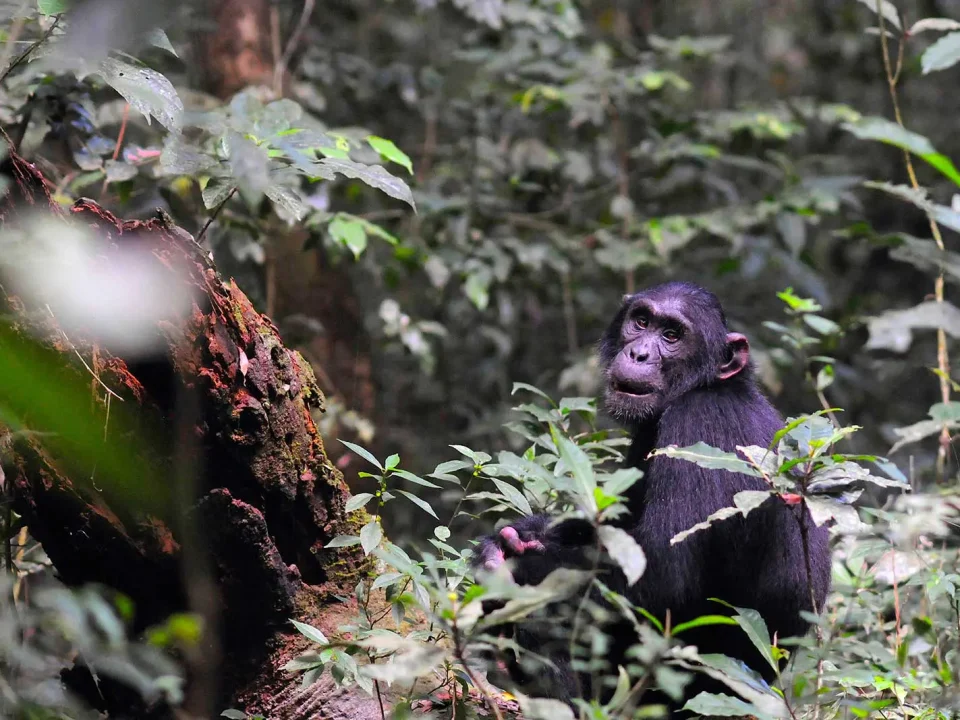
Gorilla trekking in Bwindi pairs beautifully with Uganda’s other extraordinary attractions. Consider extending your visit to include chimpanzee tracking in Kibale Forest, a boat cruise along the Kazinga Channel in Queen Elizabeth National Park, or white-water rafting on the Nile at Jinja. Our 25-day wildlife, gorillas, and chimps Uganda adventure offers the most comprehensive way to experience the full breadth of Uganda’s natural wonders in a single unforgettable journey.
Bwindi also sits close to the Rwanda border, making a cross-border gorilla experience very achievable. Our 4-day Rwanda-Uganda golden monkey and gorilla trekking tour combines Volcanoes National Park in Rwanda with Bwindi in Uganda for a truly extraordinary primate double header.
Health, Safety, and Responsible Tourism
Mountain gorillas share approximately 98% of human DNA, making them highly susceptible to human diseases. Trekkers who feel unwell — particularly with respiratory symptoms — are asked not to trek on that day. This is a conservation rule enforced strictly by Uganda Wildlife Authority in collaboration with the Dian Fossey Gorilla Fund and other conservation partners.
A significant portion of your permit fee goes directly into gorilla conservation and community development projects around Bwindi. By choosing a responsible operator like Kenlink Tours and trekking through official channels, you are actively contributing to the long-term survival of the mountain gorilla species.
Book Your Gorilla Trekking Safari with Kenlink Tours
Planning a gorilla trek requires expert knowledge, timely permit booking, and seamless on-the-ground logistics. At Kenlink Tours, we have been crafting bespoke Uganda and East Africa safaris since 2010, with firsthand experience of every trekking sector in Bwindi and deep relationships with Uganda Wildlife Authority. Whether you want a short focused 3-day gorilla safari or a comprehensive 20-day wildlife and nature experience, our team is ready to build your perfect itinerary.
Contact us today to start planning the gorilla trekking adventure of a lifetime.