- EXPERT'S HELP
- +256789210067
- +256200955001
- info@kenlinktours.com


Uganda and Rwanda combined safari: the perfect 10-day itinerary
May 24, 2026
Ultimate guide to gorilla trekking in Bwindi Impenetrable Forest
May 24, 2026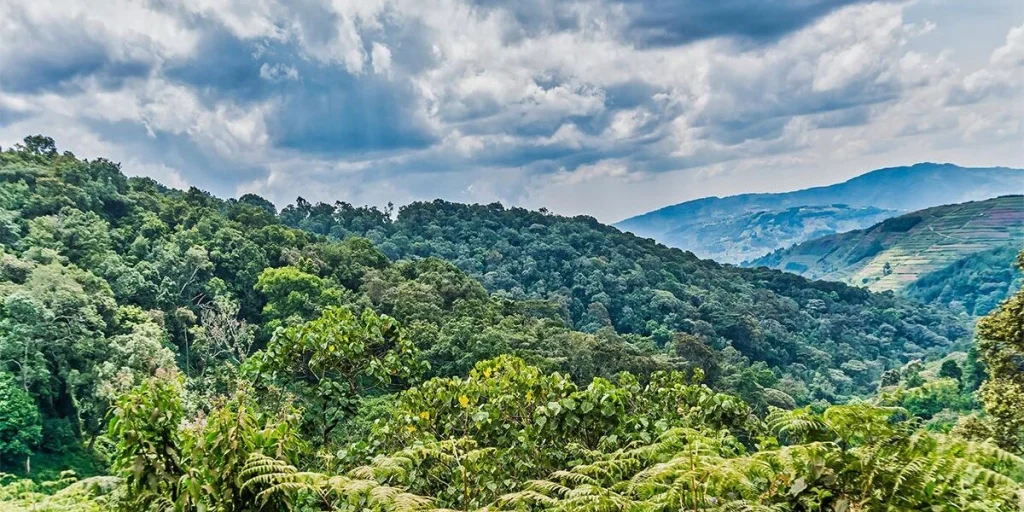
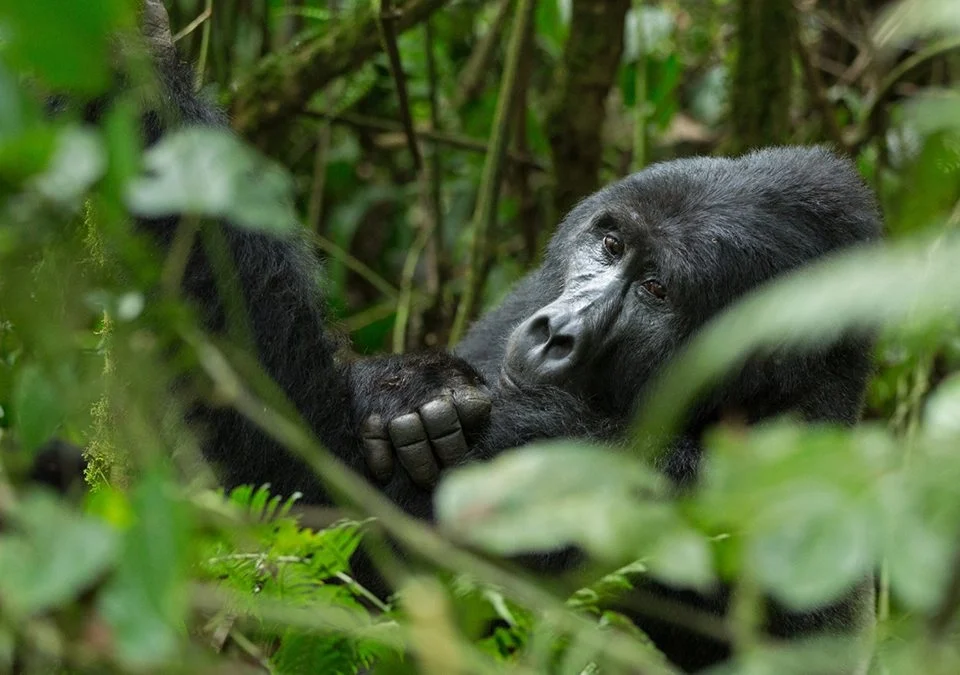
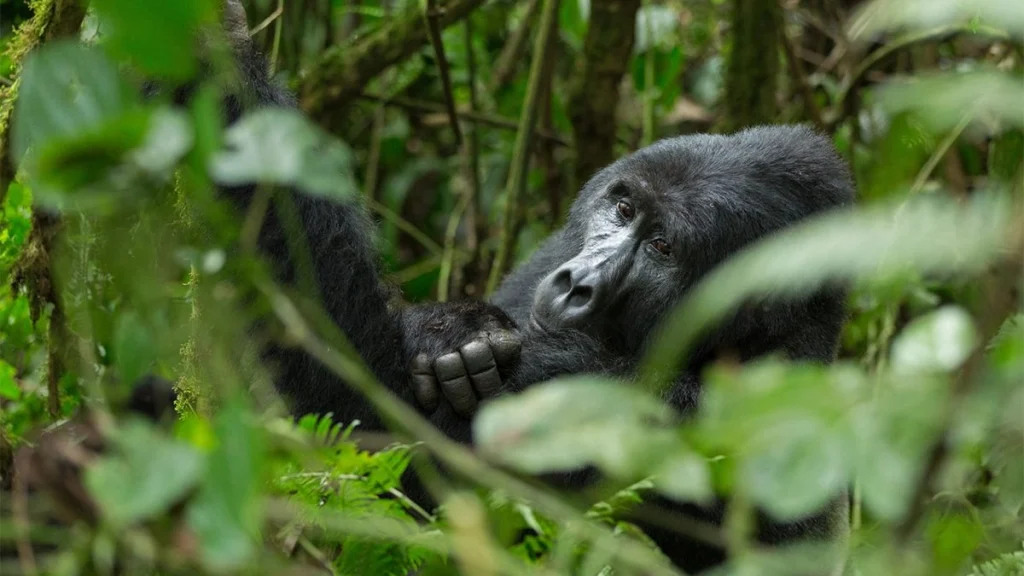
Flying vs driving to Bwindi. Bwindi Impenetrable National Park sits deep in the misty highlands of southwestern Uganda, cradling nearly half of the world’s remaining mountain gorillas. Getting there is part of the adventure — but how you choose to travel can define the tone of your entire safari. Whether you are planning a quick escape or a longer Uganda wildlife journey, the decision between flying and driving to Bwindi deserves careful thought. At Kenlink Tours, we have helped thousands of travelers make this choice, and this guide lays out everything you need to know.
Understanding the Geography: Where Exactly Is Bwindi?
Bwindi Impenetrable National Park is located in the Kigezi highlands of southwestern Uganda, bordering the Democratic Republic of Congo. It sits at an altitude ranging from 1,160 to 2,607 metres above sea level. From Kampala, the capital city, the park is roughly 510 kilometres away by road — a journey that takes between 8 and 10 hours depending on road conditions, traffic, and your specific gorilla sector destination. According to the Uganda Wildlife Authority (UWA), Bwindi is home to over 459 mountain gorillas, split across four habituated sectors: Buhoma, Ruhija, Rushaga, and Nkuringo.
Understanding the park’s geography is critical because your choice of transport may depend on which sector you are heading to. Buhoma is the closest to Entebbe by road, while Nkuringo and Rushaga sit further south. Ruhija, perched on a ridge in the eastern part of the forest, has its own access road and is one of the most scenic sectors to reach.
Driving to Bwindi: The Classic Road Safari Experience
For many travellers, the road journey to Bwindi is not merely a means of transport — it is the beginning of the safari itself. The drive from Kampala or Entebbe takes you through the lush countryside of Uganda, past the equator monument in Kayabwe, through the rolling hills of Mbarara, and into the breathtaking landscapes of Kabale and Kisoro. Every hour on the road reveals Uganda’s title of the “Pearl of Africa” in vivid colour.
The typical road distance from Kampala to Bwindi is 510–530 kilometres, and while the main routes are generally paved, some sections — especially the final approaches into the park — can be rough, particularly after heavy rains. Most tour operators, including Kenlink Tours, use well-maintained 4×4 safari vehicles specifically designed to handle these roads in comfort.
One of the biggest advantages of driving is the flexibility it offers. You can stop at attractions along the way — the equator, Lake Mburo National Park for a quick game drive, or local craft markets. If you are taking our 7-Day Gorilla and Wildlife Safari, for instance, the road journey allows you to incorporate Queen Elizabeth National Park or Lake Mburo into your itinerary without losing a single wildlife experience. Road travel also allows larger family or group setups, and you can carry more luggage without the airline-style weight restrictions.
The downside? The drive is long. For older travellers, those with mobility concerns, or anyone on a tight schedule, spending 8 to 10 hours in a vehicle each way may not be the best use of limited holiday time.
Flying to Bwindi: Speed, Comfort, and Aerial Views
For travellers short on time or willing to pay a premium for convenience, flying to Bwindi is a spectacular option. Aerolink Uganda, the country’s primary scheduled bush airline, operates scheduled and charter flights connecting Entebbe International Airport to the two nearest airstrips: Kihihi Airstrip (for Buhoma sector) and Kisoro Airstrip (for Rushaga and Nkuringo sectors). Flight times are approximately 60–90 minutes, compared to a full day of driving.
Beyond speed, flying gives you something the road simply cannot — a bird’s-eye view of Uganda’s extraordinary landscape. Watching the green patchwork of hills, lakes, and rainforest canopy unfold beneath you is genuinely memorable, and many guests report that the flight itself sets a thrilling tone for the gorilla trek ahead.
The practical reality of flying, however, is the cost. Scheduled flights can range from USD 200 to USD 400 per person one way, and charter rates can be significantly higher. There are also luggage restrictions — most bush flights limit baggage to 15 kg in soft bags only, which means packing deliberately. And because flight availability depends on weather and demand, advance booking is strongly advised, especially during the peak gorilla trekking seasons of June to August and December to February.
Cost Comparison: Road vs Air Travel to Bwindi
When planning your budget, the cost difference between driving and flying is substantial. A private 4×4 vehicle with a professional driver-guide from Kenlink Tours for the road journey is included within most of our safari packages, meaning no separate transport cost is added. For our popular 3-Day Uganda Gorillas Safari, the road option keeps your overall package price significantly lower without compromising the quality of the experience.
By contrast, adding return flights for two people can add between USD 800 and USD 1,600 to your total trip cost. For a longer journey such as our 7-Day Wildlife and Primate Safari, where road stops at multiple parks form part of the itinerary, driving is almost always the better value and experiential choice. For very short trips — a 3-day gorilla-only visit where every hour counts — flying makes more financial sense relative to the time saved.
Which Option Suits Your Safari Style?
The honest answer is that there is no universally correct choice — it depends on your time, budget, physical comfort, and what kind of safari experience you are seeking.
Choose to fly if: You have 3 days or fewer in Uganda, you are travelling as a couple or solo traveller, budget is less of a concern, you value luxury and efficiency, or you have physical limitations that make long drives uncomfortable.
Choose to drive if: You are on a 5-day or longer itinerary, you want to explore multiple parks en route, you are travelling in a group, you enjoy scenic overland travel, or you want to immerse in Uganda’s rural landscapes before reaching the forest.
For longer explorations of Uganda’s primate and wildlife circuit, our 25-Day Wildlife, Gorilla & Chimps Uganda Adventure naturally incorporates road travel as an enriching part of the safari fabric — giving you time to arrive at each destination properly, rather than just being there.
Practical Tips for Getting to Bwindi: What You Need to Know Before You Go
Regardless of how you travel, a few practical considerations apply universally. Gorilla trekking permits in Uganda currently cost USD 800 per person per trek, and they must be booked well in advance through the Uganda Wildlife Authority. Availability is limited since each gorilla group can only be visited by a maximum of 8 tourists per day, making early planning absolutely essential.
Pack light but smart. Even if you drive, the final hike into the forest involves carrying your own daypack. Bring sturdy waterproof hiking boots, long-sleeved shirts, gardening gloves to grip vegetation, and a rain jacket. Bwindi’s weather is unpredictable — it can be warm and sunny in the morning and pouring by afternoon.
Accommodation near Bwindi ranges from budget guesthouses to ultra-luxury lodges perched above the canopy. Whether you are staying near Buhoma, Rushaga, or Nkuringo, arrival transfers from the airstrip or main road can take an additional 30–60 minutes on steep crater tracks, so factor this into your arrival planning.
For full logistical support, visa guidance, and accommodation recommendations, our expert team at Kenlink Tours is available to help you plan every detail of your Bwindi journey. You can also explore our full range of Uganda safari packages to find the itinerary that best fits your schedule and interests.
Combining Flying and Driving: The Best of Both Worlds
One approach that many experienced safari travellers love is combining both options — flying one way and driving the other. For example, you could fly from Entebbe to Kihihi on arrival to maximize time at Bwindi, then drive back overland with stops at Lake Mburo or Queen Elizabeth National Park. This open-jaw style of travel gives you the efficiency of air travel at the start and the scenic, wildlife-rich road experience on the return — truly the best of both worlds.
Our team at Kenlink Tours regularly tailors this kind of hybrid itinerary for guests. Take a look at our 7-Day Gorilla and Wildlife Safari for a ready-made example of how this balanced approach works beautifully in practice.
Final Verdict: Your Journey, Your Choice
Bwindi Impenetrable Forest is worth every minute of travel it takes to get there. Whether you arrive by a bush plane banking over the rainforest canopy or by 4×4 after a scenic drive through Uganda’s green heartland, the moment you lace up your boots and step into that ancient forest, the journey fades. What remains is one of Africa’s most profound wildlife encounters — standing face to face with a mountain gorilla in its natural home.
Let Kenlink Tours handle the logistics so you can focus on the magic. With over 15 years of safari expertise and deep, firsthand knowledge of every route to Bwindi, we will make sure you arrive exactly the way you should — ready, informed, and excited for the trek of a lifetime.
Ready to start planning? Contact our team today for a personalised gorilla trekking itinerary tailored to your schedule, budget, and travel style.