- EXPERT'S HELP
- +256789210067
- +256200955001
- info@kenlinktours.com


Uganda Safari combined with Rwanda
February 11, 2026
Are there German tourist guides in Uganda
February 11, 2026
Visiting mountain gorillas in Uganda is one of the most powerful wildlife experiences on Earth. Watching a silverback lead his family through the misty forest, seeing young gorillas play, and locking eyes with a calm mother gorilla is something that stays with you forever. But before booking your safari, one big question comes up:
When is the best visiting time for gorillas in Uganda?
The answer depends on weather, trekking conditions, permit availability, and your travel style. Below is a complete guide to help you choose the perfect time for gorilla trekking in Uganda.
Best Time to Visit Gorillas in Uganda
Uganda offers gorilla trekking all year round, but the best visiting time is during the dry seasons, when forest trails are less slippery and hiking conditions are easier.
Uganda has two main dry seasons:
- June to September
- December to February
During these months, rainfall is lower, vegetation is thinner, and trails in Bwindi Impenetrable Forest and Mgahinga Gorilla National Park are more accessible. These conditions make trekking more comfortable and increase visibility for photography.
However, these are also the most popular months, meaning gorilla permits sell out quickly.
Gorilla Trekking During the Dry Season
The dry season is considered peak gorilla trekking time in Uganda for several reasons.
First, the forest floor is drier, which reduces the risk of slipping on muddy slopes. While gorilla trekking is still a physical activity, it becomes more manageable in dry conditions. This is especially important for travelers who may not hike regularly.
Second, the vegetation is less dense, making it easier to spot gorillas and take clearer photos. You’ll spend less time pushing through thick undergrowth and more time observing gorilla behavior.
Because this is peak travel season, lodges, guides, and permits are in high demand. It’s recommended to book your gorilla permits at least 3–6 months in advance if traveling during this period.
Visiting Gorillas During the Wet Season
Uganda’s wet seasons run from:
- March to May
- October to November
Many travelers avoid these months, but they actually offer unique advantages.
The biggest benefit is fewer tourists. Gorilla permits are easier to secure, and some lodges offer discounted rates. If you prefer quieter trekking experiences and better safari deals, this can be a great time to visit.
The forest is also incredibly lush and green, making the scenery more dramatic and beautiful. For photographers who love rich colors and misty forest scenes, the wet season can be magical.
The downside is that trails can be muddy and slippery. Treks may take longer, and waterproof gear becomes essential. Still, gorilla sightings remain excellent because gorillas stay in the same general areas year-round.
Monthly Breakdown of Gorilla Trekking in Uganda
Understanding each month can help you plan even better.
January – February
Hot, dry, and excellent for trekking. One of the best times for gorilla safaris.
March – May
Heavy rains. Fewer visitors, greener landscapes, and lower lodge rates.
June – September
Peak trekking season. Dry trails, easier hikes, and high demand for permits.
October – November
Short rains. Still good for trekking, with fewer crowds than peak months.
December
Another excellent month with dry weather and festive travel demand.
Best Time for Gorilla Photography
If photography is a priority, timing matters.
The dry season provides better natural light and clearer backgrounds. Less rain also means fewer misty lenses and camera challenges. Gorillas are easier to photograph because vegetation is thinner.
However, photographers who enjoy dramatic rainforest atmospheres may love the wet season. Mist hanging in the trees, rich green foliage, and moody lighting can create stunning images.
Regardless of season, always bring waterproof protection for your camera and fast lenses for low-light forest conditions.
Gorilla Permit Availability by Season
Gorilla permits are limited and strictly controlled to protect the gorillas.
During peak dry months, permits sell out fast, especially in Bwindi Impenetrable National Park, which hosts most of Uganda’s gorilla families. If you plan to travel between June and September, early booking is essential.
In the rainy season, permits are easier to find, even at short notice. This flexibility can be helpful for spontaneous travelers or those working with tighter budgets.
Best Time for Budget Gorilla Trekking
If you’re looking for a more affordable gorilla safari, consider traveling in the low season.
Lodges often reduce prices during March–May and October–November. Tour operators may also offer discounted packages since overall demand is lower.
Gorilla permit prices usually stay the same, but savings on accommodation and transport can make a significant difference in your total safari cost.
So while the dry season is more comfortable, the wet season can be the best time for budget travelers.
Weather in Bwindi and Mgahinga
Both Bwindi Impenetrable Forest and Mgahinga Gorilla National Park have tropical rainforest climates. This means rain is possible at any time of year.
Temperatures are generally mild due to altitude, ranging between 7°C (45°F) in the early morning and 20–25°C (68–77°F) during the day. Even in dry months, early mornings can be cold and misty.
Because weather can change quickly, it’s always wise to pack layers and waterproof clothing, no matter when you travel.
Does Gorilla Behavior Change by Season?
Mountain gorillas behave consistently throughout the year. They do not migrate long distances and stay within their territories.
Food is available year-round, so their movements are influenced more by daily feeding patterns than by season. This means your chances of seeing gorillas remain extremely high in both dry and wet seasons.
The main difference is trekking comfort, not gorilla activity.
Combining Gorilla Trekking with Other Safaris
Your ideal visiting time may also depend on other activities you want to include.
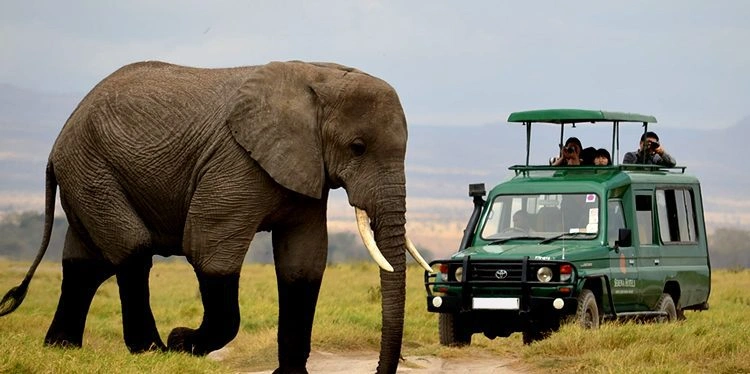
If you plan to combine gorilla trekking with wildlife safaris in Queen Elizabeth National Park or Murchison Falls, the dry season is better for game viewing. Animals gather around water sources and are easier to spot.
If gorillas are your main focus and you don’t mind some rain, the wet season still delivers an unforgettable experience.
What to Pack for Any Season
No matter when you visit, proper gear makes a huge difference.
Essential items include:
- Waterproof hiking boots
- Long-sleeved shirts and trousers
- Rain jacket or poncho
- Gardening gloves (for grabbing vegetation)
- Daypack with water and snacks
- Insect repellent
- Camera with waterproof cover
Good preparation ensures you enjoy your trek regardless of weather.
When Should You Go?
So, what is the best visiting time for gorillas in Uganda?
If you want easier trekking, clearer photography, and drier weather, choose June–September or December–February.