- EXPERT'S HELP
- +256789210067
- +256200955001
- info@kenlinktours.com


Visiting Time for Gorillas in Uganda
February 11, 2026
Short Gorilla Safaris in Uganda
February 12, 2026
Are there German tourist guides in Uganda. Uganda has become one of Africa’s most sought-after destinations for nature lovers, wildlife enthusiasts, and cultural explorers. Among the many international visitors arriving each year are travelers from Germany, Austria, and Switzerland. As interest from German-speaking countries continues to grow, so does the demand for guides who can communicate fluently in German. Many professional safari companies in Uganda, including experienced operators like Kenlink Tours, arrange German-speaking tourist guides to ensure guests enjoy a smooth, informative, and comfortable journey.
The Importance of Language During a Safari
Traveling in a foreign country can be exciting, but it can also feel overwhelming when language barriers exist. On a safari, communication is especially important. Guests need to understand wildlife behavior, park rules, safety guidelines, and cultural practices. A German-speaking guide helps visitors absorb this information clearly and confidently. Being able to ask questions and receive explanations in one’s native language transforms the safari from a simple sightseeing trip into a deeper learning experience.
Rising Demand from German-Speaking Travelers
German travelers are known for their love of nature, hiking, photography, and sustainable tourism. Uganda offers all of these through gorilla trekking, chimpanzee tracking, birdwatching, savannah safaris, and mountain adventures. As more German visitors choose Uganda, tour companies have responded by working with multilingual guides who can meet their expectations. This has made it increasingly easy to arrange safaris led in German.
Where You Can Find German-Speaking Guides
German-speaking tourist guides in Uganda are typically arranged through professional tour operators rather than hired independently at the airport or park gates. These guides often accompany travelers for the entire itinerary, providing consistent communication from arrival to departure. They are especially valuable on longer trips that include several parks, domestic flights, and cultural visits, where ongoing explanations and coordination are essential.
Training and Professional Background
German-speaking guides in Uganda are not only language experts but also trained tourism professionals. Many have studied tourism, wildlife management, hospitality, or guiding courses recognized by tourism authorities. Some learned German at language institutes, while others gained fluency through years of working with German-speaking guests. Their knowledge covers wildlife ecology, bird species, conservation efforts, Ugandan history, and local traditions, allowing them to provide rich and accurate information.
Wildlife Safaris with German Explanations
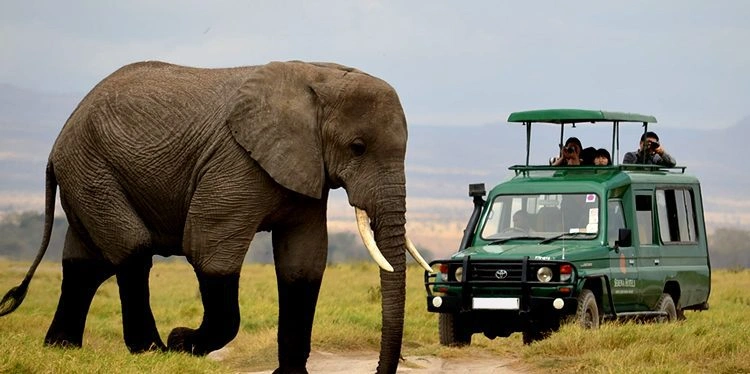
Game drives in Uganda’s national parks such as Murchison Falls, Queen Elizabeth, Lake Mburo, and Kidepo Valley are filled with exciting wildlife sightings. Seeing lions, elephants, giraffes, buffaloes, and leopards is thrilling, but understanding their behavior makes the experience even more meaningful. A German-speaking guide can explain hunting patterns, animal social structures, and ecosystem relationships in detail, helping guests fully appreciate each sighting.
Birdwatching Tours in German
Uganda is one of Africa’s top birding destinations, with more than 1,000 bird species. Birdwatching often involves technical identification and careful observation. German-speaking guides with birding knowledge can discuss species names, habitats, and behaviors in German, which is particularly helpful for serious bird enthusiasts who enjoy detailed discussions about their sightings.
Cultural Tours Made More Meaningful
Uganda’s cultural diversity is one of its greatest treasures. With over 50 tribes, the country offers visitors opportunities to experience traditional dances, crafts, farming practices, and local lifestyles. During village visits or community projects, a German-speaking guide can translate conversations, explain customs, and help guests interact respectfully with local people. This creates genuine connections and a more rewarding cultural exchange.
Adventure Travel with Clear Communication
Uganda is not only about wildlife. Visitors can also enjoy white-water rafting on the Nile, hiking in the Rwenzori Mountains, volcano climbing near the Virunga ranges, and nature walks in lush forests. Safety briefings and instructions are critical during these activities. Having a German-speaking guide ensures travelers understand all procedures and feel comfortable participating in these adventures.
Support for Senior Travelers
Many visitors from German-speaking countries are mature travelers who value comfort, clear planning, and detailed explanations. A German-speaking guide can assist with hotel check-ins, special meal requests, and schedule clarifications. This personal support makes the journey smoother and allows guests to relax and enjoy their holiday.
Can I Go Gorilla Trekking with a German-Speaking Guide?
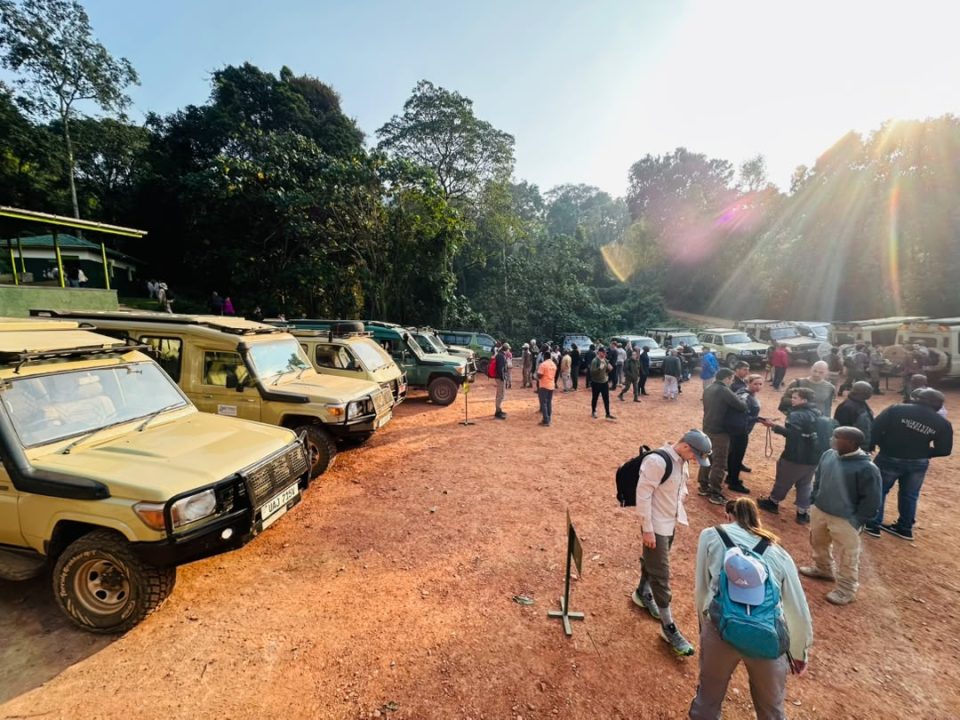
Yes, you can go gorilla trekking with a German-speaking guide in Uganda. While the official Uganda Wildlife Authority rangers who lead the trek inside the forest usually conduct their briefings in English, your private German-speaking safari guide can accompany you to the park headquarters, help translate instructions, and prepare you before the trek begins. After the trekking experience, your guide can also explain gorilla behaviors, answer questions, and help you reflect on the encounter in German.
This added support is very helpful because gorilla trekking involves specific rules about distance, photography, and behavior around the gorillas. Understanding these rules clearly helps ensure both visitor safety and gorilla conservation.
Understanding Gorilla Permits in Uganda
Gorilla trekking in Uganda requires a government-issued gorilla permit. This permit allows you to spend one hour with a habituated mountain gorilla family in either Bwindi Impenetrable National Park or Mgahinga Gorilla National Park. Permits are limited each day to protect the gorillas and their habitat, which means advance booking is essential.
Tour operators like Kenlink Tours arrange these permits on behalf of travelers as part of a safari package. The cost of the permit contributes directly to wildlife conservation and supports local communities living near the parks. Because permits are in high demand, especially during peak seasons, early reservation is strongly recommended.
How German Guides Help During Gorilla Trekking
Your German-speaking guide plays an important role before and after the trek. Before entering the forest, they ensure you understand the difficulty level, what to carry, and how to behave around the gorillas. They can also help communicate any health or fitness concerns to park staff. After the trek, they help interpret what you experienced, from gorilla family dynamics to conservation challenges. This deeper explanation in German makes the encounter even more memorable.
Combining Gorilla Trekking with Other Experiences
Many German-speaking travelers combine gorilla trekking with other highlights such as chimpanzee tracking in Kibale Forest, boat safaris on the Kazinga Channel, and game drives across the savannah. Having one German-speaking guide throughout the trip ensures continuity, so guests can ask questions and learn at every stage of the journey.
Family Travel with German Language Support
Families traveling with children often appreciate having a guide who speaks German. Younger travelers may find it easier to learn about animals and cultures in their native language. A German-speaking guide can keep children engaged during long drives and explain wildlife sightings in a way that is fun and educational.
Sustainable Tourism and Conservation
German visitors often show strong interest in conservation and responsible tourism. A German-speaking guide can clearly explain how park fees, including gorilla permits, support anti-poaching efforts, habitat protection, and community projects. These conversations help travelers understand the positive impact of their visit.
Booking a German-Speaking Guide in Advance
Because the number of fluent German-speaking guides in Uganda is limited compared to English-speaking guides, it is important to request one at the time of booking your safari. Early planning ensures availability, particularly during the busy travel months when many European visitors are in the country.
A More Comfortable and Enriching Safari
From the moment travelers arrive at Entebbe International Airport to their final departure, a German-speaking guide provides reassurance, clear communication, and cultural understanding. Whether discussing daily plans, wildlife sightings, or gorilla trekking procedures, being able to speak freely in German adds comfort and confidence to the entire adventure.