- EXPERT'S HELP
- +256789210067
- +256200955001
- info@kenlinktours.com


What to see during boat cruise in Murchison Falls
May 12, 2026
Best National Park in Uganda for Family Safari
May 12, 2026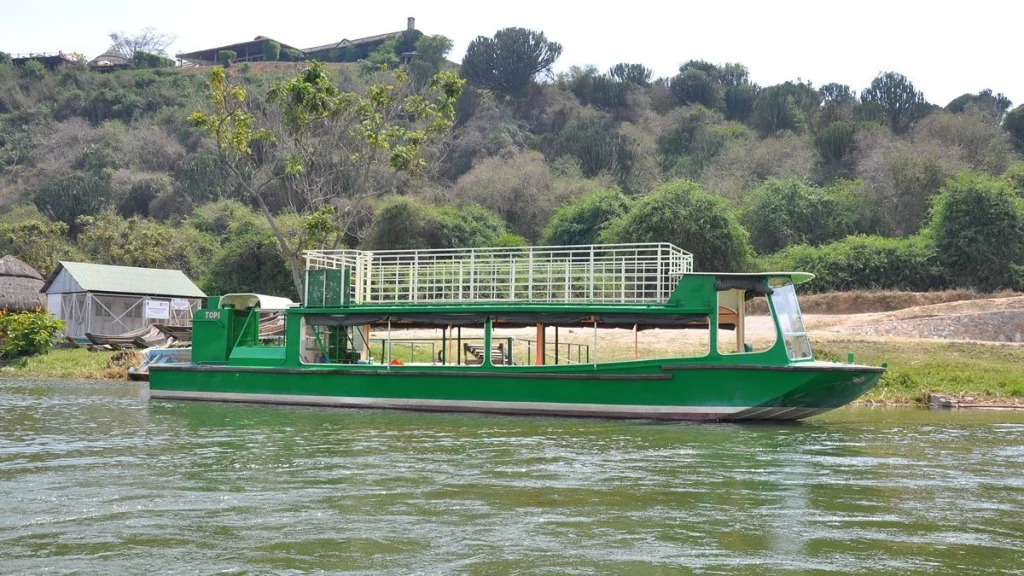
What to see during boat cruise in Lake Mburo. Tucked in the rolling hills of western Uganda, Lake Mburo National Park is one of those rare destinations that surprises every visitor who arrives expecting something ordinary. Most travellers rushing between Kampala and Bwindi Impenetrable Forest overlook it entirely — and that is their loss. Lake Mburo is compact, accessible, and absolutely alive with wildlife, and its boat cruise is arguably the park’s single most rewarding activity.
Unlike the great open savannahs of Queen Elizabeth or the dense forests of Kibale, Lake Mburo offers something distinctly intimate. The lake itself sits at the heart of the park, fringed by papyrus reeds, acacia woodland, and rocky shores where animals gather to drink. A boat cruise here is not just a game drive on water — it is a slow, immersive journey into one of Uganda’s most biodiverse aquatic ecosystems.
If you are planning a Uganda safari and looking for a well-rounded itinerary that includes Lake Mburo, explore our Uganda safari packages to find the right fit for your travel dates and budget.
When to Go: Timing Your Lake Mburo Boat Cruise
The boat cruise on Lake Mburo operates year-round, typically launching from the jetty near the park headquarters in the early morning and late afternoon. Both sessions have their distinct advantages. Morning cruises offer cooler temperatures, calmer water, and the best light for photography as the sun climbs over the hills. Afternoon cruises often deliver more dramatic wildlife activity as animals return to the lake’s edge to drink before dusk.
The dry seasons — from June to August and December to February — generally offer clearer skies and easier wildlife sightings since vegetation is less thick. However, the wet seasons bring lush, green scenery and excellent birdwatching, as migratory species swell the already impressive bird count.
The Uganda Wildlife Authority (ugandawildlife.org) manages all boat cruise operations within the park. Entry fees and cruise costs are paid at the park gate, and it is advisable to confirm current rates directly with the authority before your visit.
Hippos: The Stars of the Show
No boat cruise on Lake Mburo is complete without an encounter with its famous hippos. The lake supports one of Uganda’s healthiest hippo populations, and within minutes of leaving the jetty, you are almost guaranteed to spot large pods resting in the shallows, their broad backs breaking the surface like smooth grey boulders.
Seeing hippos from the water gives you a perspective that no game drive can replicate. From a boat, you observe their social behaviour up close — the way dominant bulls assert their territory, how mothers keep their calves tucked close, and the surprising speed with which these massive animals can submerge and resurface. Guides are experienced at positioning the boat at a respectful distance that keeps both passengers and animals completely safe.
Hippos are most active in the early morning and late afternoon, which is another reason to time your cruise carefully. Their deep, rumbling vocalisations echoing across the water are a sound you will carry with you long after you leave Uganda.
Nile Crocodiles and Aquatic Reptiles
Sharing the lake with hippos are Nile crocodiles — ancient, patient, and absolutely fascinating to observe from the relative safety of a boat. You will find them basking on exposed rocks and muddy banks along the shoreline, their jaws occasionally cracked open to regulate body temperature.
Lake Mburo’s crocodiles are not the enormous specimens of the Nile River delta, but they are impressive enough, and your guide will explain the ecological role they play in maintaining the health of the lake’s fish population. Monitor lizards are also commonly spotted along the papyrus fringe, moving with surprising agility between water and land.
World-Class Birdwatching on the Water
Lake Mburo National Park is one of Uganda’s premier birdwatching destinations, and the boat cruise puts you in the middle of the action. The Uganda Tourism Board recognises the park as hosting over 350 recorded bird species, making every cruise a birdwatcher’s delight.
Among the highlights you are likely to encounter on the water:
African Fish Eagle — The iconic call of this raptor is the sound of Africa, and Lake Mburo is one of the best places to see it hunting over open water, diving feet-first to snatch fish from just below the surface.
Malachite Kingfisher — A tiny jewel of electric blue and orange that perches on papyrus stems before plunging with remarkable accuracy.
African Jacana — Known for their extraordinary long toes that allow them to walk across floating lily pads, these birds are a common and always delightful sighting.
Pied Kingfisher — Often seen hovering over the water in that distinctive rapid wingbeat before dropping like a stone.
Grey Crowned Crane — Uganda’s national bird and a genuinely majestic creature that frequents the lake’s marshy margins. Spotting one is considered a good omen by many local guides.
African Darter — Frequently seen drying their wings in the characteristic outstretched pose on rocks and fallen logs near the water’s edge.
Serious birders should plan multiple cruises and combine the lake activity with walking trails through the surrounding woodland, where forest-dependent species add further depth to the list. Check our birdwatching tours in Uganda for tailored options.
Zebras, Impalas, and Waterbucks Along the Shore
One of the most photogenic aspects of the Lake Mburo boat cruise is the parade of mammals that appear along the shoreline throughout the journey. Lake Mburo National Park is the only protected area in Uganda where Burchell’s zebra are found in significant numbers, and they regularly come down to drink at the water’s edge — a spectacular sight that is very different from the classic savannah zebra image most travellers expect.
Impalas are the most abundant antelope in the park and appear in large, relaxed herds along the lake’s grassy margins. Waterbucks, with their shaggy coats and distinctive white ring on the rump, stand sentinel-like near the water. Topi, reedbuck, and the elegant eland are also regularly sighted during cruises, especially in the early morning when animals move freely without the heat of the day to slow them down.
Occasionally, and particularly during the dry season, buffalos descend in large herds to drink — a powerful, thundering sight that reminds you of just how wild Lake Mburo remains despite its proximity to the main Kampala–Mbarara highway.
The Papyrus Ecosystem and Plant Life
The cruise also offers a quiet education in the ecology of a healthy African lake. The dense papyrus beds that ring much of Lake Mburo’s shoreline are not just a backdrop — they are a functioning ecosystem that supports everything from nesting birds to juvenile fish that shelter within the roots. Your guide will point out water lilies, floating vegetation mats, and the subtle signs of ecological balance that the park’s management has worked hard to maintain.
The National Environment Management Authority of Uganda provides further context on Uganda’s wetland conservation efforts, which directly benefit ecosystems like Lake Mburo.
Practical Tips Before You Go
Before heading out on your Lake Mburo boat cruise, keep these practical points in mind. Wear neutral, earthy tones rather than bright colours, which can disturb wildlife and attract insects. Bring sunscreen and a hat, as the midday equatorial sun reflects powerfully off open water. A pair of binoculars will transform your birdwatching experience, and a camera with a reasonable zoom lens will allow you to capture quality images without disturbing the animals.
The cruise typically lasts between one and two hours. Combining it with an afternoon game drive and a guided walking trail the following morning gives you the most complete Lake Mburo experience.
Ready to plan your visit? Our team at Kenlink Tours is happy to build a customised itinerary that works around your schedule and interests. Contact us here to get started, or browse our full selection of Uganda wildlife safaris for inspiration.
Lake Mburo’s boat cruise is one of those experiences that stays with you — the sight of a hippo surfacing just metres from the boat, the call of a fish eagle cutting through the morning quiet, a herd of zebra reflected in still water at dawn. It is not the longest cruise in Uganda, nor the most dramatic, but it is one of the most rewarding.
If you have been debating whether Lake Mburo deserves a place in your Uganda itinerary, let this be the nudge you needed. Get on the water. You will not regret it.