- EXPERT'S HELP
- +256789210067
- +256200955001
- info@kenlinktours.com


Start my tour from Kigali not Entebbe
September 16, 2026
Big five in Rwanda and Gorilla Trek in Uganda
September 17, 2026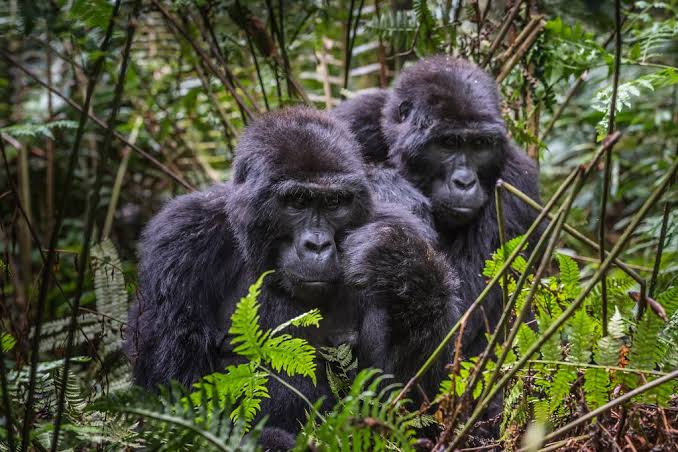
Which Airport is Near Bwindi National Park-Kigali or Entebbe. Travelers researching a Bwindi Impenetrable National Park gorilla trek almost always hit the same question early in planning: is Kigali International Airport in Rwanda or Entebbe International Airport in Uganda the better gateway? The honest answer is that neither airport is universally “closer” — it depends entirely on which of Bwindi’s four trekking sectors you are heading to. This guide breaks down the real distances, drive times, and trade-offs so you can pick the right airport for your specific itinerary rather than relying on a generic answer.
At Kenlink Tours, we route guests through both airports depending on their trekking sector, so this comparison reflects how these trips actually play out on the ground.
Landing Experience: What to Expect at Each Airport
Entebbe International Airport sits on the shores of Lake Victoria, roughly 40 minutes from Kampala, and functions as a busy regional hub with a wide spread of international connections. First-time visitors sometimes plan a night in Entebbe itself, or push straight through to Kampala, before beginning the long drive southwest toward Bwindi the next morning.
Kigali International Airport, by contrast, sits close to the Rwandan capital and is frequently praised for its efficient immigration process and short transfer into the city centre. Many travelers use a Kigali city stopover to recover from long-haul flights and confirm border paperwork before continuing on to Bwindi’s southern sectors the following day, since arriving relaxed matters more than shaving an extra hour off the transfer.
The Short Answer: It Depends on Which Bwindi Sector You’re Trekking
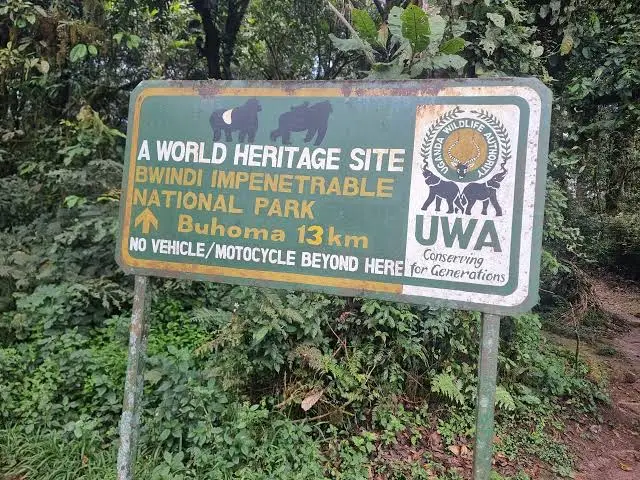
Bwindi is split into four trekking sectors — Buhoma and Ruhija in the park’s north, and Rushaga and Nkuringo in the south. Entebbe is the closer, more direct gateway for Buhoma and Ruhija. Kigali is the closer gateway for Rushaga and Nkuringo, since these southern sectors sit much nearer the Rwanda border than they do to Uganda’s own capital region.
If you already know your sector, this single fact answers most of the airport question immediately. If you have not yet chosen a sector, working backward from your preferred airport, rather than the other way around, is also a perfectly reasonable way to decide, covered later in this guide. Either way, the goal of this comparison is to replace a generic “which airport is best” search result with an answer specific enough to actually plan around.
Entebbe International Airport: Uganda’s Main Gateway to Bwindi
Entebbe is Uganda’s principal international airport and the default arrival point for most Uganda safaris, offering direct or convenient connecting flights from Europe, the Middle East, and across Africa. From Entebbe, travelers can drive to any of Bwindi’s four sectors without crossing a border, and Entebbe also connects easily to Uganda’s other major parks — Queen Elizabeth, Kibale, and Murchison Falls — for travelers building a longer, multi-park circuit.
The trade-off is distance: the overland drive from Entebbe to Bwindi’s southern sectors can take 8 to 10 hours, considerably longer than the equivalent drive from Kigali. For Buhoma and Ruhija, however, Entebbe’s drive times are broadly comparable to, or better than, what a Kigali start would require, given the additional border crossing a Rwanda-based route would add.
Kigali International Airport: Rwanda’s Gateway to Southern Bwindi
Kigali International Airport has grown into a genuinely strong regional hub in its own right, with solid international connections and a reputation for an efficient, low-stress arrival experience. For travelers heading specifically to Rushaga or Nkuringo, Kigali is dramatically closer than Entebbe, with a drive of roughly 4 to 5 hours compared to Entebbe’s 8 to 10.
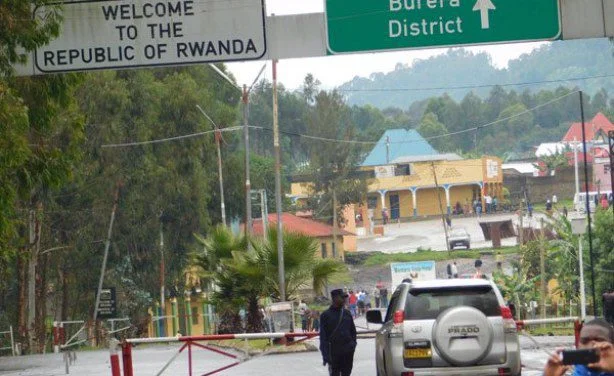
The catch is that a Kigali start means crossing an international border, typically at the Cyanika crossing, which adds visa requirements, a yellow fever certificate check, and border processing time to the journey. For southern-sector trekkers, this added complexity is still generally worth the dramatically shorter drive; for northern-sector trekkers, it usually is not, since Kigali offers no distance advantage there at all.
Driving Distances Compared: Entebbe vs Kigali to Each Bwindi Sector
Putting the numbers side by side makes the sector-by-sector logic clear. To Buhoma, Entebbe’s drive runs roughly 8 to 9 hours by road, while a Kigali approach to the same sector would require an even longer, more roundabout route, making Entebbe the clear winner. To Ruhija, the picture is similar, with Entebbe holding a comfortable advantage.
To Rushaga and Nkuringo, the numbers flip decisively: Kigali’s 4-to-5-hour drive beats Entebbe’s 8-to-10-hour equivalent by a wide margin. Our detailed breakdown of travel time and cost from Kigali versus Kampala to Bwindi or Mgahinga and our page on how far Bwindi is from Kigali both go into these specific numbers in more depth.
Flying to Bwindi: Domestic Airstrips as a Third Option
For travelers arriving via Entebbe who do not want to spend a full day driving, domestic flights offer a genuine third option. The Kihihi airstrip in Kanungu District serves Bwindi’s northern sectors, Buhoma and Ruhija, with flights from Entebbe taking approximately 1 hour and 15 minutes, followed by a 45-minute to 1-hour transfer to the trailhead. A separate airstrip near Kisoro serves the southern sectors, Rushaga and Nkuringo, and Mgahinga, for travelers who fly rather than drive from the Entebbe side.
These flights, typically operated by carriers such as Aerolink Uganda on small STOL aircraft, generally run around US$250 per person one way, or roughly US$430 return, cutting a multi-hour drive down to just over an hour but adding flight costs and daylight-only scheduling constraints that a road transfer does not have.
Whether this trade-off is worth it depends on your budget and how much you value your time on the ground. A family with young children, or travelers on a short trip who cannot spare a full driving day, often find the flight cost easily justified; budget-conscious travelers with a flexible schedule frequently prefer the road transfer, both for the cost savings and for the chance to see rural Uganda’s terraced hillsides and small towns along the way.
Buhoma and Ruhija Sectors: Why Entebbe Wins
For Bwindi’s two northern sectors, Entebbe is unambiguously the better choice. There is no meaningful distance advantage to routing through Kigali for Buhoma or Ruhija, and doing so would add an unnecessary border crossing on top of an already long drive. Buhoma in particular is also Bwindi’s most established sector for tourism infrastructure, with the widest range of nearby lodges, most of which are built around an Entebbe or Kampala arrival rather than a Rwanda-based one.
Our overview of the Buhoma sector in Bwindi covers what to expect there in more detail, useful reading for travelers who have settled on Entebbe as their gateway.
Rushaga and Nkuringo Sectors: Why Kigali Wins
For the two southern sectors, the calculation reverses cleanly. Kigali’s shorter drive, combined with Rushaga’s status as Bwindi’s largest sector by gorilla family count and widest permit availability, makes a Kigali start genuinely more efficient for most travelers heading there. Our guide to gorilla trekking in Rushaga from Kigali covers this specific route in detail, including the Cyanika border crossing and sample itineraries.
Nkuringo, slightly further from the border than Rushaga, still benefits from a Kigali start relative to the long Entebbe alternative, though its steeper terrain is a separate consideration worth weighing alongside the airport choice itself.
Regional operators reflect this same pattern in how they package their itineraries: short Kigali-departure trips such as Pick and Transfer Safaris‘s one-day Uganda gorilla safari, their two-day Uganda gorilla tour starting from Kigali, and their three-day Uganda gorilla safari from Rwanda are all built around exactly this southern-sector, Kigali-first logic, which is a useful sanity check if you are weighing whether your own itinerary is routed sensibly.
Visa and Border Considerations for Each Airport Choice
Arriving via Entebbe alone means dealing with a single country’s entry requirements: a Uganda visa, priced around US$50 for most nationalities, and no border crossing during your trip unless you choose to add one later. Arriving via Kigali for a southern-sector trek means budgeting for both a Rwanda visa (roughly US$30) and a Uganda visa, or the East Africa Tourist Visa (around US$100) if it suits your broader itinerary, plus a mandatory yellow fever certificate for entering Uganda from Rwanda.
Neither requirement is a serious obstacle with a bit of advance planning, but it is a real difference worth factoring into your decision, and a visa and border crossing guide is worth reading regardless of which airport you choose, since it also covers documentation useful for a later cross-border extension.
It is worth noting that these requirements can change, so confirming current visa fees and vaccination rules directly with your airline or embassy shortly before travel, rather than relying solely on a blog post written months earlier, is good practice for any cross-border East Africa trip.
Cost Comparison: Entebbe vs Kigali Routing to Bwindi
For Buhoma and Ruhija, Entebbe is typically both faster and cheaper, since it avoids a second country’s visa fees and a longer, more roundabout drive. For Rushaga and Nkuringo, a Kigali start is often more cost-efficient overall despite the added visa, because the dramatically shorter transfer reduces vehicle hire time, fuel costs, and sometimes an overnight stay that an Entebbe-based route to the same sectors would require.
A full gorilla trekking pricing breakdown helps clarify how permit fees, transfers, and accommodation combine under either routing, and it is worth requesting an itemized quote from your operator for both options if your sector choice is still flexible.
Which Airport Should Families or Groups Choose
Larger groups and families traveling with children or less mobile relatives generally benefit from whichever airport delivers the shorter overall transfer, since long drives are harder on a mixed-age or mixed-fitness group regardless of the scenery along the way. For a group set on Rushaga or Nkuringo, this points firmly toward Kigali; for a group heading to Buhoma or Ruhija, Entebbe, potentially combined with a Kihihi airstrip flight, keeps the journey manageable.
Groups combining a gorilla trek with a broader Uganda wildlife circuit — Queen Elizabeth National Park, Kibale, or Murchison Falls — will almost always find Entebbe the more practical single gateway for the whole trip, since routing a large group through Kigali only to backtrack into central Uganda adds unnecessary complexity. Groups planning to stay near the park should also factor accommodation into the decision; our Bwindi accommodation guide and roundup of budget lodges in Bwindi National Park cover options across all four sectors and both airport routings.
Combining Both: Fly Into One, Out of the Other
Travelers on a longer trip covering both Rwanda and a full Uganda circuit often use an open-jaw routing: flying into one airport and departing from the other, rather than returning to the arrival point. This works particularly well for a two-to-three-week itinerary that genuinely uses both countries, letting a traveler trek Rushaga from a Kigali start, continue north overland through Bwindi’s other sectors and onward to Queen Elizabeth, and fly home from Entebbe without ever backtracking.
Our Uganda-Rwanda gorilla safaris page outlines how these combined, dual-airport itineraries are typically structured, and packages such as Pick and Transfer Safaris‘s regional gorilla offerings, alongside their broader homepage overview of Rwanda-Uganda routing, illustrate how other operators handle the same dual-country logistics.
This dual-airport approach also suits travelers who want to sample both countries’ distinct atmospheres — Kigali’s tidy, ordered capital feel alongside Entebbe’s lakeside, gateway-to-safari energy — rather than treating the border crossing purely as a logistical necessity.
Mgahinga and Volcanoes National Park: When Kigali Wins Beyond Bwindi
The Kigali-versus-Entebbe question rarely stops at Bwindi alone, since travelers heading to Mgahinga Gorilla National Park or across into Rwanda’s own Volcanoes National Park face an even more lopsided version of the same calculation. Mgahinga sits closer to the Cyanika border than even Rushaga does, making Kigali the clear gateway whenever a Mgahinga golden monkey trek or volcano hike is part of the plan.
This is also where many travelers realize their “Bwindi or not” decision is really a broader “southern parks versus northern-and-central Uganda” decision, and treating the whole southern cluster — Rushaga, Nkuringo, and Mgahinga — as one Kigali-based unit, separate from Buhoma, Ruhija, and the rest of Uganda, tends to produce a cleaner, more efficient itinerary than deciding park by park.
What Our Guests Usually Choose, and Why
In practice, most of our Buhoma and Ruhija bookings arrive via Entebbe, often combined with a broader Uganda itinerary covering Queen Elizabeth or Kibale. Most of our Rushaga and Nkuringo bookings, by contrast, arrive via Kigali, frequently paired with a Rwanda gorilla trek in Volcanoes National Park on the same trip.
The travelers who end up unhappy with their choice are almost always the ones who picked an airport based on general preference or flight price alone, without checking it against their actual trekking sector first. Confirming your sector before booking flights remains the single most reliable way to avoid this. It is also worth mentioning that flight prices alone are a poor guide: a cheaper flight into an airport that adds an extra day of overland driving usually costs more overall, once accommodation, fuel, and driver time are added back in, than a slightly pricier flight paired with a short transfer.
How to Decide: A Simple Checklist
Start with your gorilla permit, or your preferred sector if you have not booked one yet. If it is Buhoma or Ruhija, book Entebbe and consider a Kihihi airstrip flight if you want to skip the long drive. If it is Rushaga or Nkuringo, book Kigali and plan around the Cyanika border crossing. If you are combining a Rwanda gorilla trek with any Uganda sector, let the Rwanda leg anchor a Kigali arrival, then decide whether the rest of your Uganda itinerary justifies routing north toward Entebbe as well.
If your sector is still undecided, the gorilla trekking pricing breakdown and a direct conversation with your operator about permit availability across sectors will usually settle both questions together.
One last practical tip: if you are torn between two sectors and the airport decision genuinely could go either way, let permit availability break the tie. A sector with open dates in your travel window is a better foundation for a smooth trip than a sector you have to wait months to access, regardless of which airport theoretically suits it best.
Frequently Asked Questions About Kigali vs Entebbe for Bwindi
Which airport is closer to Bwindi overall? There is no single answer — Entebbe is closer for Buhoma and Ruhija, while Kigali is closer for Rushaga and Nkuringo.
Can I fly directly into Bwindi from either airport? Not directly, but domestic flights from Entebbe to the Kihihi or Kisoro airstrips cut a multi-hour drive down to about 1 hour and 15 minutes, landing close to the park before a short road transfer.
Is a Uganda visa enough if I fly into Kigali? No. You will also need a Rwanda visa, or an East Africa Tourist Visa covering both countries, plus a yellow fever certificate to cross into Uganda from Rwanda.
Which airport is cheaper overall for a Bwindi trip? It depends on your sector: Entebbe is usually cheaper for Buhoma and Ruhija, while Kigali is often cheaper overall for Rushaga and Nkuringo despite the added visa, thanks to the much shorter transfer.
Should I book my flight before choosing a Bwindi sector? No. Confirm your sector and gorilla permit first, since flying into the wrong airport for your chosen sector can add a full extra day of driving to your trip.
Can I combine Kigali and Entebbe on the same trip? Yes, many travelers fly into one and out of the other, which works particularly well for longer trips combining Rwanda’s Volcanoes National Park with a broader Uganda circuit.
Does the airport choice affect which gorilla family I get to see? No. Gorilla families are assigned by rangers on the morning of your trek within your booked sector, independent of which airport or border route you used to arrive there.
Is Kigali a good choice if I only want to visit Bwindi and nothing else in Uganda? Yes, specifically for Rushaga or Nkuringo; if your only Uganda destination is one of the southern sectors, a Kigali start with no further travel into central Uganda is usually the simplest and most efficient plan.
Can a Rwanda-based operator handle my entire Bwindi booking if I fly into Kigali? Often yes for the southern sectors — companies such as Pick and Transfer Safaris regularly book Uganda permits and cross-border transport from Kigali — though it is worth confirming their specific experience with your chosen sector before booking.
Plan Your Bwindi Gorilla Trek With the Right Airport
Choosing between Kigali and Entebbe for a Bwindi trip is really a question about your trekking sector first and your airport second. Get the sector decided, and the right gateway follows naturally, along with a much smoother, shorter journey to the trailhead.
Kenlink Tours arranges Bwindi gorilla treks through both Entebbe and Kigali gateways, matched to whichever sector suits your trip, using the same car hire and transfer service on both sides of the border. Whether you’re comparing us against a Rwanda-based operator or already leaning toward one airport, contact our team today, tell us your preferred sector or dates, and we will confirm which airport gets you there fastest.