- EXPERT'S HELP
- +256789210067
- +256200955001
- info@kenlinktours.com


Can book a Uganda Gorilla Safari Now
July 23, 2026
Best Time for Uganda Gorilla Trekking From Rwanda
July 24, 2026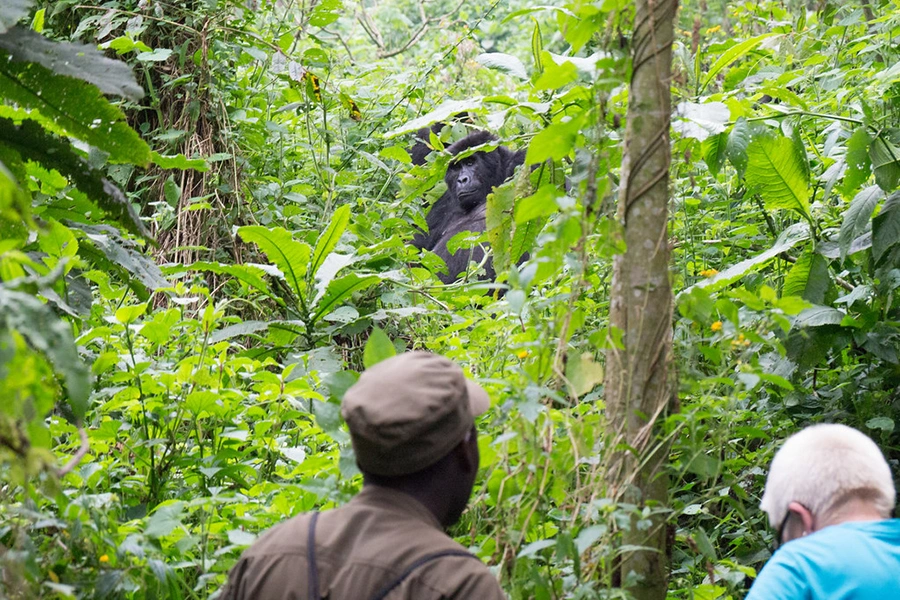
Group Gorilla Tracking Safaris. Gorilla trekking has a reputation as an expensive, once-in-a-lifetime splurge, and in many ways it is exactly that. But a growing number of travelers are discovering a smarter way into the experience: joining a group gorilla tracking safari instead of booking a fully private trip. Group safaris keep the encounter with the gorillas itself completely unchanged — you still get your own permit, your own hour with a habituated family, and the same forest, the same rangers, the same rules — while sharing the vehicle, driver-guide, and often the accommodation costs with other travelers heading to the same place on the same dates. The result is a trip that costs meaningfully less per person without cutting a single corner on the part of the experience that actually matters.
This guide covers everything you need to know about group gorilla tracking safaris in Uganda: how they actually work, what they cost compared to a private trip, how permits are allocated within a group, which sectors and seasons suit group travel best, and what to expect socially from spending several days on the road with people you have never met before. Whether you are a solo traveler hoping to split costs, a couple looking to make a Uganda trip more affordable, or simply someone who likes the idea of shared adventure over solitary luxury, this is the format worth understanding before you book.
What Exactly Is a Group Gorilla Tracking Safari?
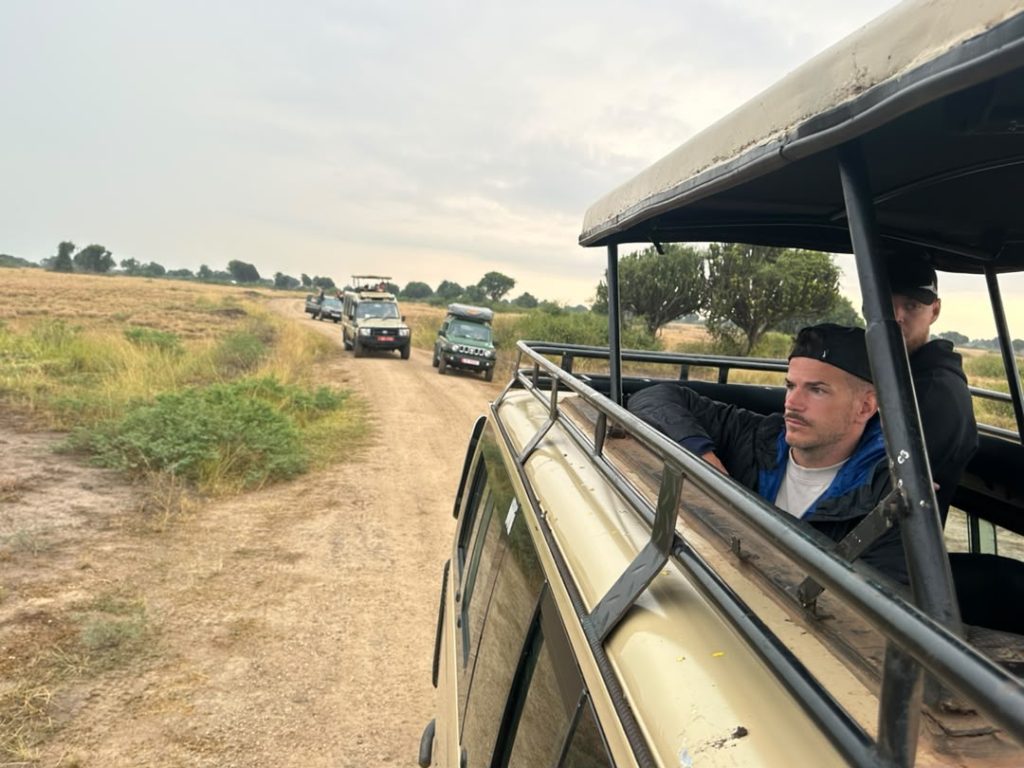
A group gorilla tracking safari is a scheduled itinerary that combines several unrelated travelers, or several small parties, into one shared tour. Instead of a private vehicle carrying just you or your immediate travel companions, a group safari typically fills a 4×4 safari vehicle with anywhere from four to eight travelers, all following the same fixed itinerary, staying at the same lodges, and trekking gorillas together as one party under a single driver-guide.
It is important to understand what does not change in a group setting. Every trekker still purchases an individual, non-transferable gorilla permit in their own name through the Uganda Wildlife Authority, so there is no sense in which the wildlife encounter itself is shared, diluted, or shortened. What changes is purely the cost structure around that encounter — transport, fuel, park entrance fees for the vehicle, and often accommodation are split across the group rather than carried entirely by one traveler or one couple, which is where the real savings come from.
Group departures generally follow a fixed, pre-set schedule rather than being built entirely around one traveler’s preferred dates, which is the trade-off at the heart of this format: a small amount of flexibility on exact dates in exchange for a noticeably lower total cost.
Why Group Gorilla Safaris Have Become So Popular
The appeal of group gorilla tracking comes down to three things: cost, companionship, and simplicity. On the cost side, gorilla permits themselves are fixed at 800 US dollars per person regardless of how you book, so that expense never changes. What does change dramatically is everything else — a private vehicle and driver-guide for two people covering nine or ten hours of driving between Entebbe and Bwindi costs the same whether it carries two passengers or eight, so spreading that cost across a full group can cut per-person transport expenses by more than half.
The companionship factor surprises a lot of first-time group travelers in a good way. Long safari drives through Uganda’s countryside, shared meals at lodge dining rooms, and the shared adrenaline of trekking morning tend to create fast friendships, and it is common for group safari travelers to describe the people they met as one of the highlights of the trip, not just the gorillas themselves. For solo travelers in particular, a group safari solves the awkwardness of dining alone every night and offers built-in company for a week without the commitment of traveling with people you already know.
Finally, there is simplicity. A well-run scheduled group tour removes almost all the planning burden — dates, lodges, routing, and permit logistics are already worked out — leaving travelers to simply show up, pack, and follow the itinerary. For anyone who finds the idea of designing a custom Uganda itinerary from scratch overwhelming, a group departure is often the easiest possible way to book.
How Group Gorilla Tracking Actually Works, Step by Step
Understanding the mechanics removes most of the uncertainty around this format. It begins with choosing a scheduled departure date from an operator’s published calendar of upcoming group tours, rather than proposing your own custom dates. Once you select a departure, you pay a deposit to secure your place, and the operator submits your gorilla permit reservation to UWA using your passport details, just as they would for a private booking.
As the departure date approaches, the operator finalizes the full traveler list for that specific group, confirms the vehicle and driver-guide assignment, and shares a final itinerary with all participants, including pickup times and lodge details. On the trip itself, the group travels together in a shared vehicle, checks into shared lodge accommodation (with private rooms, not shared sleeping arrangements, unless a traveler specifically opts for a shared-room rate to reduce costs further), and treks together as one party on gorilla trekking morning, though UWA may still split a larger group across two smaller trekking teams depending on which specific gorilla families have permits available that day.
Throughout the trip, meals, park fees for wildlife viewing days, and the services of the driver-guide are shared group costs baked into the tour price, while personal expenses like drinks, souvenirs, and tips remain individual. At the end of the trip, the group typically disperses from the same drop-off point where the tour began, most often Entebbe Airport or a central Kampala location.
Fixed Departure Dates: How Scheduling Works
The defining feature of a true group safari is the fixed departure date, and it is worth understanding how operators set these. Most established operators publish a rolling calendar of scheduled group tours running throughout the year, often with departures roughly every two to four weeks during peak season and less frequently during quieter months. Some operators guarantee a minimum group size before a date is confirmed, while others run departures regardless of how many travelers have signed up, absorbing the cost difference themselves to keep the schedule reliable.
For travelers with flexible schedules, checking a current departure calendar and simply choosing whichever upcoming date works best is the easiest path into a group safari. For travelers with a fixed window — say, a specific two-week vacation period — it is worth checking early whether a departure falls within that window, since scheduled group tours do not adjust their dates the way a private, fully custom itinerary can. Kenlink Tours maintains a running calendar of upcoming departures through its scheduled group tours program, which covers gorilla trekking alongside wildlife safaris, cultural tours, and adventure activities across Uganda and the wider region.
How Much Money Group Safaris Actually Save
Numbers make this format easiest to understand. On a private, two-person gorilla trekking itinerary, the fixed costs of a dedicated vehicle, driver-guide, and fuel for the full route between Entebbe and Bwindi are split only two ways. On a group departure with six or eight travelers, those exact same fixed costs are split six or eight ways instead, and the per-person share drops sharply as a result.
As a rough illustration, a private three-day gorilla trekking trip for two people might carry a transport and vehicle cost of several hundred dollars per person once divided, while the same route run as a group tour with a full vehicle can bring that same transport line item down to a fraction of the private rate per traveler. Accommodation savings can be smaller, since most lodges price rooms per person regardless of group size, though some group tours negotiate block-booking rates with partner lodges that individual travelers booking privately would not have access to.
None of this touches the 800 US dollar gorilla permit fee, which stays fixed no matter how you book, and it is worth being upfront about that with anyone comparing prices — a group tour advertised as significantly cheaper than a private trip is saving you money on logistics, not on the permit itself, which is set by UWA regardless of operator or group size.
Choosing the Right Group Tour Length
Group gorilla safaris come in a range of durations, and choosing the right length depends on how much of Uganda you want to see alongside the trekking day itself. Shorter group departures, typically three to four days, focus almost entirely on the gorilla trek, with minimal additional stops — a good fit for travelers with limited vacation time who specifically want the gorilla encounter without a longer commitment.
Longer scheduled departures, often seven to ten days, weave gorilla trekking into a broader circuit covering Uganda’s other major parks, and these tend to be the most heavily subscribed group formats, since they offer the best value per day once fixed transport and guide costs are spread across a longer, richer itinerary. Kenlink Tours’ discounted fixed-departure safaris fall into this category, typically combining Bwindi’s gorillas with savannah game drives and boat cruises across a well-paced week or more, priced specifically to reward travelers willing to commit to a set schedule rather than a fully custom route.
For travelers who are unsure which length suits them, a useful rule of thumb is this: three to four days works well if gorillas are your singular focus and your vacation time is tight; seven days or more works better if you want the trip to feel like a complete Uganda experience rather than a single-purpose excursion.
Group Trekking and the Permit System: What You Need to Know
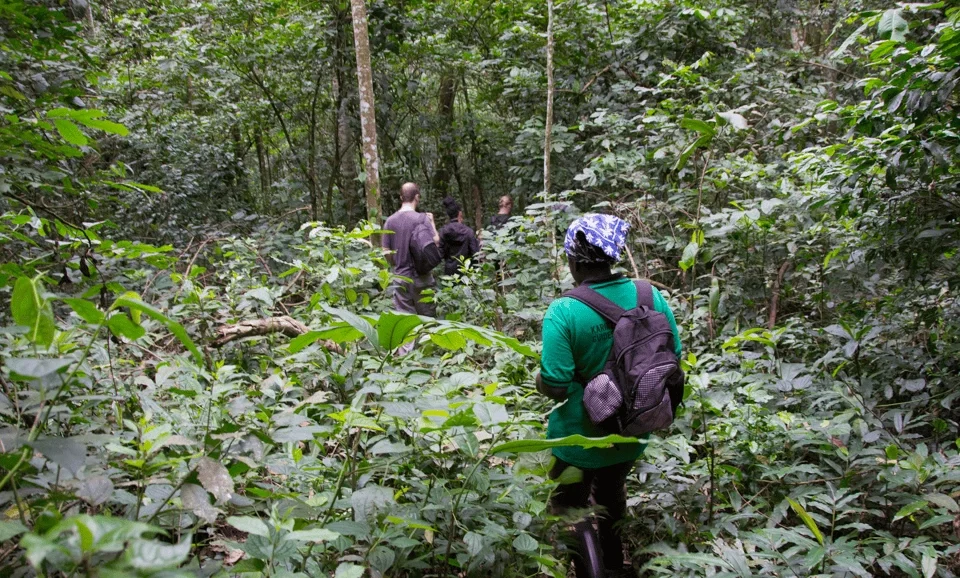
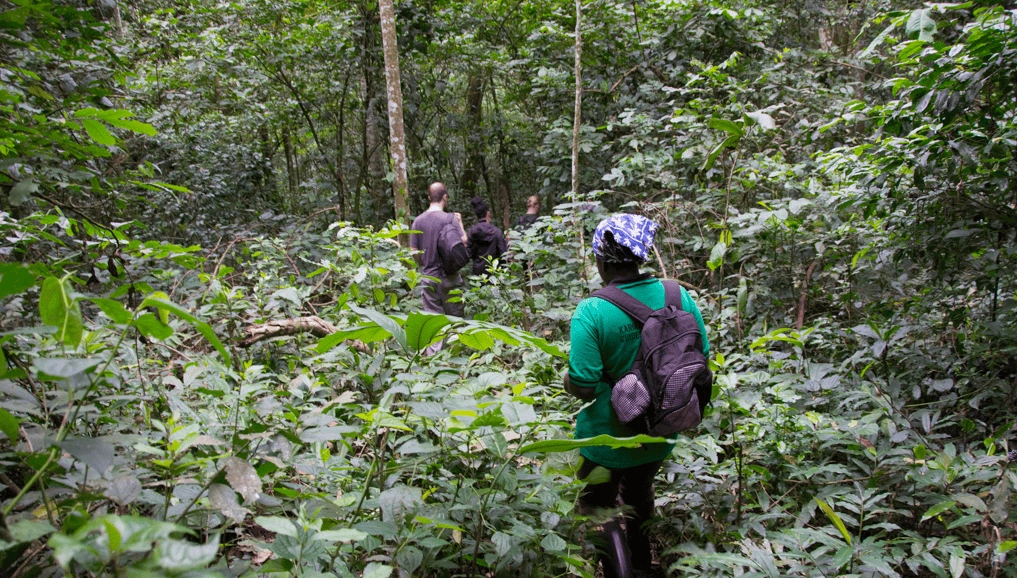
Because gorilla permits are individually allocated and strictly capped at eight visitors per gorilla family per day, joining a group tour does not guarantee that your entire party will trek the same family together — UWA allocates trekkers to families based on daily availability, and a group larger than eight may be split across two or more families on the same morning. This is not a downside so much as a detail worth knowing in advance, since it means your specific trekking companions on the forest trail itself may be a subset of your wider tour group rather than everyone who traveled with you from Entebbe.
Because permits sell out during peak months exactly the same way for group travelers as for private ones, joining a scheduled group departure does not exempt you from the general rule of booking early. In fact, because group departures work off fixed dates rather than flexible ones, securing your spot on a specific scheduled tour with a specific departure date often benefits from even earlier booking than a fully flexible private trip would, simply because the operator needs enough lead time to confirm permits for the entire traveling party at once.
Best Sectors for Group Gorilla Tracking
Group tours can trek in any of Bwindi’s four sectors or in Mgahinga, but certain sectors lend themselves particularly well to group logistics. Rushaga, with the highest concentration of habituated gorilla families of any sector, is a favorite for group operators because it offers the best odds of keeping a larger traveling party’s permits together, or at least trekking on the same morning in the same general area even when split across two families.
Buhoma, with its well-developed lodge infrastructure and gentler overall terrain, is another common choice for group departures, since it offers reliable accommodation options able to handle block bookings for a full group without difficulty. Sector assignment is ultimately determined by UWA rather than by the operator, so while a group tour operator can express a preference and typically succeeds in securing it, travelers booking a group safari should understand that the exact sector, like the exact gorilla family, is confirmed only in the days immediately before the trek itself.
Bwindi and Mgahinga: Where Group Tours Actually Trek
Group departures trek in exactly the same locations as private itineraries, which means understanding Bwindi’s four sectors and Mgahinga’s single sector still matters even once you have decided on the group format. Operators running scheduled group tours generally favor Bwindi over Mgahinga for larger parties, simply because Bwindi’s greater number of habituated families makes it easier to secure permits for a full group on a single date, while Mgahinga’s one habituated family limits how many travelers can be accommodated there on any given day. Travelers curious about the fuller picture of what each park offers can find detailed background on the Bwindi Impenetrable Forest National Park ecosystem, including its four trekking sectors, alongside a similar overview of Mgahinga Gorilla National Park and its Virunga volcano setting.
Within Bwindi, Rushaga and Buhoma remain the two sectors most commonly used for group departures, for the reasons already covered — the highest concentration of families and the most developed group-friendly lodge infrastructure, respectively. Group travelers with a strong preference for one sector over another should raise this at the time of booking, since scheduled departures are typically built around a specific pre-selected sector rather than leaving sector choice open the way some private itineraries do.
A Sample Group Gorilla Safari Itinerary
Seeing a realistic day-by-day structure helps make the group format easier to picture. A typical seven-day scheduled group departure might begin with arrival in Entebbe and an overnight stay near the airport, followed by a full day’s drive south toward Bwindi with a stop at the Equator crossing and lunch en route. Day three is usually the gorilla trekking day itself, beginning with an early group briefing at park headquarters and continuing into the forest until the family is located.
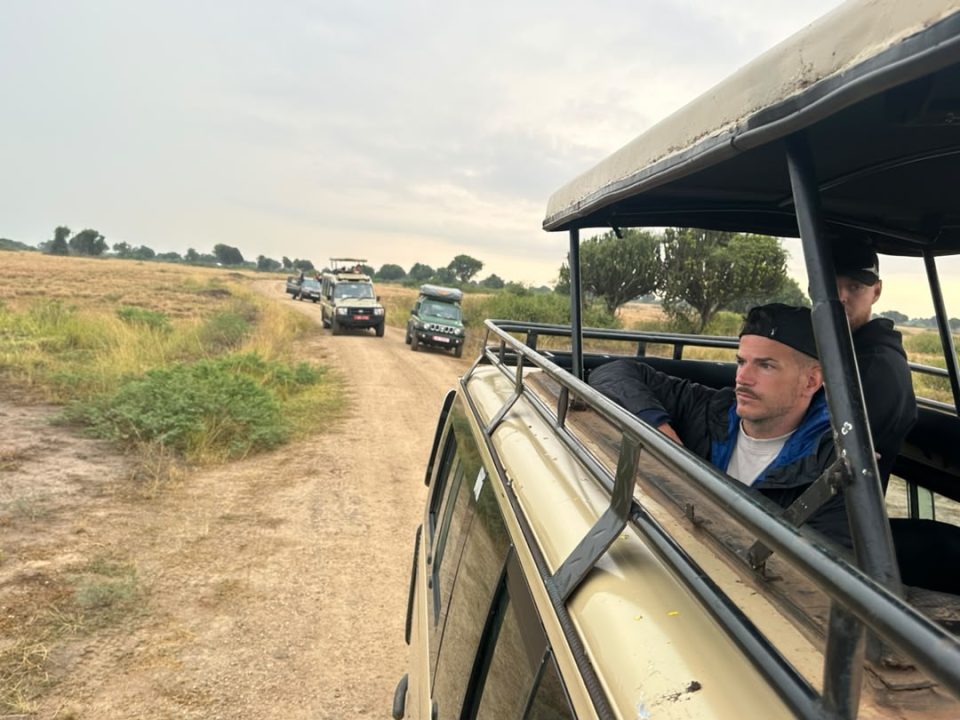
The following days often shift toward Queen Elizabeth National Park, with a game drive through the Kasenyi plains and a boat cruise along the Kazinga Channel, before the group either heads toward Kibale Forest for chimpanzee tracking or begins the return journey toward Kampala and Entebbe, depending on the specific itinerary length. Throughout, the group travels together in the same vehicle, stays at the same pre-booked lodges, and shares meals as a party, with free time built in most evenings for travelers who want to rest, journal, or simply enjoy the surroundings without a packed schedule.
Visa and Entry Requirements for Group Travelers
Visa requirements for group gorilla safaris are identical to those for private trips, since immigration processes apply to individuals regardless of how their tour was booked. Most nationalities require a Uganda tourist visa, applied for online through the official electronic visa portal well ahead of travel, and travelers on a combined Uganda-Rwanda group itinerary should look into the East Africa Tourist Visa, which covers Uganda, Rwanda, and Kenya under a single multiple-entry application.
One small advantage of group travel here: because scheduled departures require locking in your place well ahead of the fixed date, travelers are naturally prompted to sort out visa applications earlier than they might on a fully flexible private trip, which reduces the risk of a last-minute scramble before departure. A yellow fever vaccination certificate remains a standard entry requirement for Uganda regardless of booking type, and travel insurance covering both medical evacuation and trip cancellation is strongly recommended for any group departure given the remote location of the trekking parks relative to major hospitals.
The Social Side of Group Safaris: What to Actually Expect
For travelers who have never done a group tour before, the social dynamics are often the biggest unknown, and it is worth setting realistic expectations. Group sizes on gorilla safaris tend to stay relatively small compared to general bus-tour travel — usually somewhere between four and ten travelers sharing a single safari vehicle — which keeps the experience feeling personal rather than impersonal. Long drives between destinations, often several hours at a stretch through changing Ugandan countryside, naturally become a space for conversation, and most travelers find that a real sense of camaraderie builds within the first day or two.
Meals are typically eaten together at the lodge, though there is no obligation to socialize constantly, and lodges generally have enough space for travelers who want quiet time alone to find it. The morning of the gorilla trek itself tends to be the point where a group’s shared excitement peaks, since everyone is nervous, excited, and hoping for the same thing at once — and the shared celebration afterward, when everyone compares photos and stories over dinner, is frequently cited by returning travelers as one of the most memorable parts of the entire trip.
Solo travelers in particular benefit from this format. Group departures effectively solve the biggest practical downside of solo travel — the cost penalty of paying for private transport and a single supplement on accommodation — while also providing built-in company for a week in a country most first-time visitors find genuinely easier to navigate with others around.
Group Etiquette: Making the Shared Experience Work for Everyone
A small amount of shared-travel etiquette goes a long way toward making a group gorilla safari enjoyable for everyone involved. Punctuality matters more in a group setting than on a private trip, since a single late departure from a lodge can push back the whole group’s schedule, and gorilla trekking mornings in particular run on tight timelines set by park authorities rather than by the tour itself. Most experienced group travelers simply build in a small buffer before agreed departure times as a matter of course.
Flexibility around minor preferences — a slightly different lunch stop, a lodge room that isn’t the exact one you might have chosen privately — tends to matter less than travelers initially expect, since the shared itinerary is designed to work reasonably well for the whole group rather than being perfectly optimized for any one traveler. Most group safari veterans describe this as a small price for the social and financial benefits the format provides, and driver-guides running group tours are generally skilled at managing group dynamics smoothly, having done so many times before.
Photographing Your Group Gorilla Trek
Photography considerations for group gorilla tracking follow the same core rules as any gorilla trek — no flash photography, a minimum seven-meter distance from the gorillas, and a strong preference for cameras or phones that perform well in low forest light rather than simply having the highest resolution. One group-specific consideration worth planning for is trekking pace within your assigned family group, since UWA rangers keep the pace suited to the group as a whole rather than any single trekker, meaning photographers hoping for extended time at a particular vantage point should be considerate of fellow trekkers wanting their own turn at the best angles during the shared hour.
Many group travelers find that having fellow trekkers along adds an unexpected photography benefit: someone else in the group is often happy to capture a photo of you with the gorillas in the background, solving the classic problem of solo travelers having only self-taken photos from their big moment in the forest.
What Previous Group Travelers Say
Feedback from travelers who have completed group gorilla safaris tends to cluster around a few consistent themes. Cost savings are frequently mentioned as the initial reason for choosing the group format, but many travelers report that the friendships formed during the trip became just as meaningful as the financial savings by the end of the journey. Long vehicle transfers between destinations, which some travelers initially worry will feel tedious, are commonly cited instead as some of the best parts of the trip, filled with conversation, shared playlists, and impromptu roadside stops for photos of Uganda’s rolling hills and tea plantations.
The shared excitement of gorilla trekking morning is a recurring highlight in traveler accounts — the nervous energy of a full group waiting for the ranger briefing, the collective silence when trackers signal the family has been found, and the celebratory atmosphere back at the lodge that evening, often with travelers who arrived as strangers already planning to stay in touch long after the trip ends. This social dimension, more than any single cost figure, is what many repeat group travelers cite as the reason they choose this format again on future trips.
What’s Typically Included in a Group Gorilla Safari Package
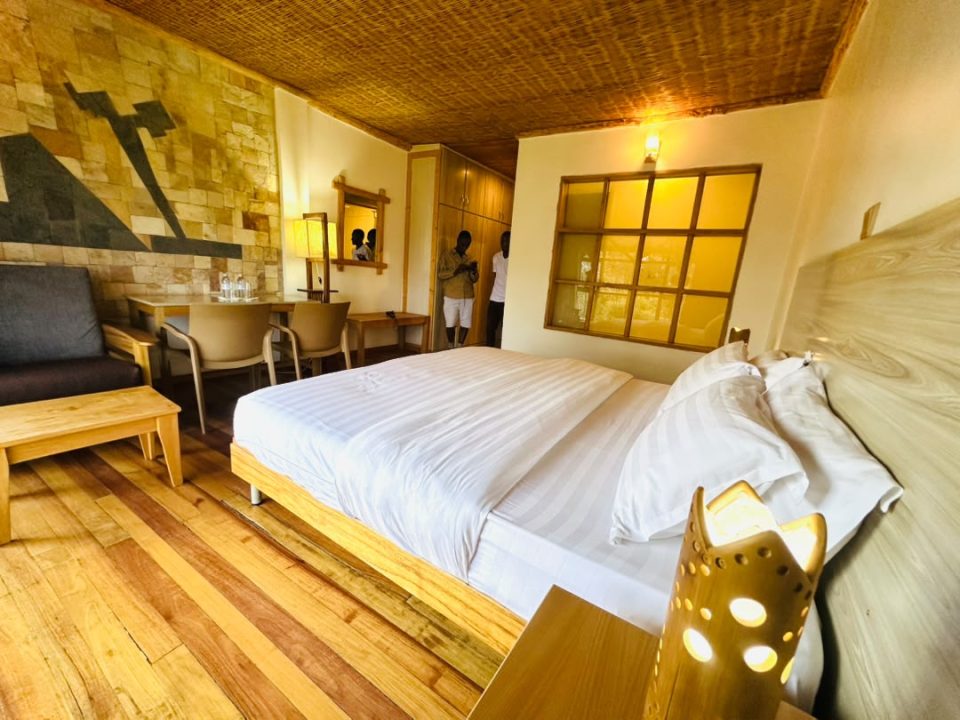
Most scheduled group gorilla tours are built as comprehensive packages, and understanding the standard inclusions helps you compare offers accurately. Ground transport in a shared 4×4 safari vehicle with an experienced driver-guide for the full route is standard, as is accommodation at pre-selected lodges matched to the tour’s stated category, whether budget, mid-range, or upscale. Meals are usually included on a full-board basis once the group reaches the trekking region, and the gorilla trekking permit itself, along with all relevant park entrance fees, is arranged and included in the total tour price rather than billed separately.
What is typically excluded, and worth budgeting for separately, includes international flights to and from Uganda, visa fees, travel insurance, tips for the driver-guide and porters, alcoholic drinks, and any optional add-on activities such as a Batwa cultural walk or an extra gorilla habituation experience. Reading the inclusions list carefully before booking, rather than assuming, is the single easiest way to avoid unexpected costs once you arrive.
Best Time of Year for a Group Gorilla Safari
Timing a group departure involves the same seasonal considerations as any gorilla trekking trip, layered with one additional factor: group tour availability tends to track closely with overall demand, so scheduled departures run more frequently during Uganda’s peak dry seasons — June through September and December through February — when both group and private travel demand are highest. During these months, travelers have the widest choice of upcoming group departure dates, but should also expect group tours to fill up faster, since fixed-departure trips have a cap on total group size.
During the shoulder and green seasons — March through May and October through November — group departures run less frequently but often still exist for popular routes, typically with lower per-person pricing to reflect the quieter season and often smaller, more intimate group sizes. Travelers with flexible schedules who are drawn to the group format specifically for its cost savings may find shoulder-season group departures deliver the single best value combination available anywhere in Uganda’s gorilla trekking calendar.
Group Safaris vs Private Safaris: Making the Right Choice
Choosing between a group and a private itinerary comes down to a few honest trade-offs rather than one format being objectively better than the other. Group safaris win decisively on cost, particularly for solo travelers and couples, and add a genuine social dimension that private trips simply do not offer. They do, however, run on fixed schedules, follow a set itinerary with limited room for personalization, and involve sharing space with travelers you did not choose.
Private safaris offer complete control over dates, pace, and route — ideal for travelers with very specific timelines, families with young children, honeymooners, or anyone who strongly prefers full flexibility over cost savings — but they carry the full weight of transport and vehicle costs alone or split only between your own travel companions.
A useful way to decide: if your main priorities are cost efficiency and meeting other travelers, and your schedule has some flexibility, a group departure is very likely the better fit. If your main priorities are a fully custom pace, specific dates that must be hit exactly, or maximum privacy throughout the trip, a private itinerary remains the better choice even at a higher per-person cost.
Combining Group Gorilla Tracking with Wider Wildlife Viewing
Many of the most popular group departures do not stop at gorilla trekking alone, and for good reason — Uganda’s other major parks lend themselves extremely well to shared group travel. Queen Elizabeth National Park’s game drives and Kazinga Channel boat cruise work particularly well as a group activity, since the boat cruise itself is naturally a shared experience regardless of how you booked your trip, and game drive vehicles comfortably seat a full group with good visibility for everyone.
Kibale Forest’s chimpanzee tracking follows a very similar structure to gorilla trekking — small groups, ranger-led, permit-based — making it a natural complement to add onto a longer group gorilla itinerary without introducing new logistical complexity. Murchison Falls, with its combination of game drives, a Nile boat cruise to the base of the falls, and dramatic scenery, rounds out many of the longer scheduled group departures and gives travelers the sense of having experienced the full breadth of what Uganda offers, not just its gorillas, all while keeping per-person costs down through the shared group structure.
Group Gorilla Safaris Combining Uganda and Rwanda
Cross-border group departures pairing Uganda’s Bwindi gorillas with Rwanda’s Volcanoes National Park gorillas exist as well, though they are somewhat less common than single-country group tours due to the added visa and border-crossing coordination required for a full group traveling together. When available, these combined departures typically follow the same overland route used by private cross-border itineraries, trekking first in Bwindi before crossing into Rwanda for a second trek in Volcanoes National Park.
Travelers specifically interested in the cost savings of group travel but drawn to a Rwanda-Uganda combination may find it easier to book the Uganda leg as part of a scheduled group departure and arrange the Rwanda leg separately, since Rwanda’s higher permit pricing and different group tour infrastructure make a fully combined group departure less common than a Uganda-only one. Travelers exploring this combined route in more depth can find useful context in resources covering gorilla safaris starting from Kigali, which lay out how the logistics of a Uganda-Rwanda border crossing typically work for travelers approaching from the Rwandan side.
Group Departures Starting from Kigali
While most Uganda group gorilla safaris depart from Entebbe, a smaller but growing number of group and shared departures now operate from Kigali, Rwanda, taking advantage of the significantly shorter drive to Bwindi’s southern sectors compared to the nine-to-eleven-hour route from Entebbe. This routing works particularly well for group formats focused specifically on gorilla trekking with minimal additional touring, since it minimizes the shared driving time that makes up a large part of any group itinerary’s fixed cost base.
Travelers weighing an Entebbe-based versus a Kigali-based group departure should consider which airport their international flights already route through, since building a group trip around a convenient existing flight connection often outweighs small differences in per-person tour pricing. Independent overviews of short group-friendly gorilla safaris starting from Kigali offer a useful comparison point for travelers specifically weighing this route against a traditional Entebbe-based group departure.
Responsible Group Travel: Conservation Impact of Group Tours
Group gorilla tracking safaris carry the same conservation value as private ones, since the 800 US dollar permit fee funding ranger patrols, anti-poaching efforts, and community revenue-sharing programs is identical no matter how the trip around it is booked. In some respects, group travel amplifies the community benefit side of gorilla tourism specifically, since larger groups typically hire more porters collectively, spend more on group meals at community-linked lodges, and purchase more local crafts and souvenirs across a larger traveling party than a single couple would.
Choosing an operator that works directly with community-based lodges and local guides, rather than one that routes group tours exclusively through large international hotel chains, extends this benefit further, ensuring that the cost savings of group travel do not come at the expense of the same responsible tourism principles that make gorilla trekking a genuine conservation success story in the first place.
Comparing Group Tour Operators Before You Book
Not all scheduled group departures are built the same way, and it is worth comparing a few key details before committing to one over another. Group size caps vary between operators, and a smaller maximum group size, even at a slightly higher price, often delivers a more comfortable, more personal experience than a larger one built purely around maximizing vehicle occupancy. It is also worth checking whether an operator’s published departure calendar reflects genuinely confirmed dates with real bookings already in place, or simply a list of hopeful future dates that may be cancelled or postponed if too few travelers sign up.
Lodge quality within a group package deserves the same scrutiny you would apply to a private trip — ask specifically which properties are included at each stop, rather than accepting a vague “comfortable accommodation” description, since group tour lodge quality varies considerably between operators even at similar price points. Finally, transparency around exactly what is and is not included in the quoted price — permits, park fees, all meals, specific activities — makes it far easier to compare group tour offers on a genuinely equal basis rather than being misled by a headline price that excludes significant costs travelers only discover once the trip is underway.
A reliable operator will answer these questions clearly and specifically before you commit a deposit, and any hesitation or vagueness in response to straightforward questions about group size, lodge names, or full cost breakdowns is generally worth treating as a warning sign.
Fitness and Age Considerations for Group Trekking
The physical demands of gorilla trekking do not change in a group setting, and UWA’s minimum age of fifteen applies exactly the same way whether a permit is purchased privately or as part of a group tour. What group travel does introduce is a slightly wider range of fitness levels within a single trekking party, since a group of eight strangers is statistically more likely to include a broad mix of ages and physical conditioning than a private party of two who know their own capabilities going in.
This is rarely a practical problem in the forest itself, since UWA rangers already split larger groups across multiple gorilla families and can further split trekking pace within a family assignment when needed, with porters available to assist slower trekkers without holding up the rest of the party. Travelers with specific fitness concerns joining a group departure should mention this to their operator at the time of booking, exactly as they would for a private trip, so that sector and pacing expectations can be set accurately in advance.
Can Groups Book the Gorilla Habituation Experience?
Uganda’s longer, more immersive Gorilla Habituation Experience, available only in Bwindi’s Rushaga sector, allows visitors to spend up to four hours with a gorilla family still in the process of habituation, rather than the standard one-hour visit with a fully habituated family. Because only four habituation permits are issued per day, at a higher price point of 1,500 US dollars per person, this experience is naturally harder to build into a standard group departure than the regular one-hour trek, and most scheduled group tours default to standard permits for exactly this reason.
That said, travelers within a group who specifically want the habituation experience can generally arrange it as a paid upgrade added to an otherwise standard group itinerary, with the rest of the group proceeding on standard permits while the habituation participants have a longer, separate morning in the forest before rejoining the group for the remainder of the trip. This is worth raising with your operator during the initial booking conversation rather than assuming it is automatically included or automatically unavailable within a group format.
Packing and Preparing for a Group Gorilla Safari
Packing requirements for group gorilla tracking mirror those for any Uganda gorilla trek — sturdy hiking boots, waterproof outerwear, gardening gloves, long trousers and sleeves, insect repellent, and a daypack for water and camera gear all remain essential regardless of how the trip was booked. One additional consideration for group travelers is luggage volume, since shared safari vehicles have less individual storage space per traveler than a private vehicle carrying only two or three passengers. Most group tour operators specify a soft-sided duffel bag rather than a hard-shell suitcase for exactly this reason, and it is worth checking your specific tour’s packing guidance before departure to avoid awkward last-minute repacking at the airport.
Frequently Asked Questions About Group Gorilla Tracking Safaris
Do I get my own gorilla permit on a group tour, or is it shared? Every trekker on a group safari receives an individual, non-transferable permit issued in their own name, exactly as on a private trip. Nothing about the gorilla encounter itself is shared or shortened.
Will I definitely trek with the same people I traveled with? Not necessarily. UWA allocates trekkers to specific gorilla families based on daily availability, so a larger group may be split across two families on trekking morning, even though the wider party continues traveling together for the rest of the itinerary.
How many people are typically in a group gorilla safari? Most scheduled group departures range from four to ten travelers sharing a single safari vehicle, keeping the experience personal rather than resembling a large bus tour.
Is it cheaper to book a group tour than a private one? Yes, generally significantly so, particularly for solo travelers and couples, since fixed transport and guide costs are split across more people. The gorilla permit fee itself remains the same regardless of booking type.
Can I request a private room on a group tour? Yes, standard group tour pricing typically includes private rooms at each lodge; only travelers who specifically opt for a shared-room rate to reduce costs further would share sleeping accommodation with another traveler.
What happens if a scheduled group departure doesn’t fill up? Policies vary by operator, but many established operators guarantee departures will run regardless of final group size once a minimum threshold is met, while others may offer alternative dates if a specific departure does not reach viable numbers.
Can solo travelers join a group tour without knowing anyone else on it? Yes, this is in fact the most common way travelers join group gorilla safaris, and it is specifically designed to make solo travel more affordable and more social.
Why Choose Kenlink Tours for a Group Gorilla Safari
Organizing a group gorilla safari well requires more than simply filling seats in a vehicle — it takes an operator with genuine on-the-ground experience matching travelers to the right sector, negotiating reliable lodge partnerships that can accommodate block bookings, and managing UWA permit reservations for an entire traveling party without delays or mismatches. This is the foundation of how Kenlink Tours structures its group tour program, built on years of firsthand experience across Uganda’s parks and direct relationships with lodges ranging from community guesthouses to comfortable mid-range properties well suited to group bookings.
Whether the goal is a short, focused gorilla-only departure or a longer scheduled safari combining primates with savannah wildlife and cultural experiences, Kenlink Tours’ approach to group travel is the same one applied to every private itinerary: firsthand knowledge of the routes, the lodges, and the parks, rather than simply reselling a generic package.
How to Book Your Spot on a Group Gorilla Safari
Booking a group departure follows a simple, direct process. Start by reviewing current scheduled departure dates and choosing the one that best fits your available travel window, keeping in mind that popular dates during peak season fill up well in advance. Once you have identified a suitable departure, reach out with your passport details to reserve your spot and begin the gorilla permit reservation process, since this step is what actually locks your place into that specific group and date.
From there, your operator handles the remaining logistics — confirming your place in the traveling group, finalizing lodge bookings, and sending a full itinerary with pickup times and packing guidance well before your departure date. You can start that conversation directly with the Kenlink Tours team, who can confirm current group departure availability and help you decide whether a group or private itinerary best fits your travel style and budget.
Final Thoughts: Is a Group Gorilla Safari Right for You?
Group gorilla tracking safaris exist for a simple reason: they make one of Africa’s most extraordinary wildlife experiences meaningfully more affordable, without changing a single thing about the hour you actually spend with the gorillas. For solo travelers looking to avoid the cost and isolation of traveling alone, for couples trying to stretch a travel budget further, and for anyone who likes the idea of sharing a genuinely unforgettable morning with people who will remember it exactly as vividly as you will, this format offers real, tangible advantages over booking privately.
The trade-off is modest — a fixed departure date instead of complete scheduling freedom — and for most travelers, that trade-off is well worth what it saves. If a group departure lines up with your available travel window, it is very likely the smartest way to experience Uganda’s mountain gorillas without paying more than you need to for the logistics surrounding them.