- EXPERT'S HELP
- +256789210067
- +256200955001
- info@kenlinktours.com


Kibale Forest vs Kalinzu Forest
September 21, 2026
Lodges near Mgahinga Gorilla National Park
September 21, 2026
Bwindi Queen Elizabeth NP through Kigali.
Some of the best safaris in East Africa begin in a place that is not on the itinerary’s headline. Kigali, Rwanda’s tidy, hilly capital, is one of them. Fly into its airport, cross the border into south-western Uganda, track mountain gorillas in Bwindi Impenetrable National Park, then roll north through the savannah of Queen Elizabeth National Park, and you have built one of the most rewarding wildlife routes on the continent with almost no wasted driving.
This guide explains exactly how to do it. You will find out why the Kigali route works so well, how the border crossing runs, what visas and documents you need, how long each leg takes, where to sleep in each region and how to shape the trip into a five, seven or ten-day plan. If you would like a specialist to book it all for you, Kenlink Tours offers a ready-made tour from Kigali covering Bwindi, Queen Elizabeth, Kibale and Bunyonyi that you can adapt to your dates.
Why Start in Kigali for Bwindi and Queen Elizabeth?
The main reason is geography. Bwindi sits in Uganda’s far south-west, close to the Rwandan border, and the southern sectors of Rushaga and Nkuringo are often reached faster from Kigali than from Entebbe. A drive from Entebbe to Bwindi can take eight to ten hours, whereas from Kigali the southern gorilla sectors are often reachable in roughly five to seven hours, including the border. That saves a full day of your holiday and lets you begin trekking sooner.
The second reason is flexibility. Kigali’s airport is well connected, its flights are often good value, and starting there means you can plan a one-way route that ends in Entebbe with no backtracking. Bwindi comes first while your legs are fresh for the hardest hiking, and Queen Elizabeth follows as the reward: game drives, boat cruises and relaxed lodges as you head towards the capital.
The third reason is variety. A route through Rwanda and Uganda can add Rwanda’s volcano scenery, Kigali’s memorials and cafes, or even a second gorilla trek on the Rwandan side. The trade-off is a little extra paperwork at the border, and the rest of this guide will make sure that is easy. For a wider look at combining both countries, browse the Uganda Rwanda connecting safaris from Kenlink Tours.
The Route at a Glance: Kigali to Bwindi to Queen Elizabeth
The classic route follows a simple line from south to north. You land in Kigali, drive to the Cyanika border near Kisoro, continue to your Bwindi sector, trek gorillas, then travel north through Ishasha into the main part of Queen Elizabeth National Park, and finish in Kampala or Entebbe. Times below are approximate and depend on traffic, road conditions and border queues, so treat them as planning guides and not promises.
| Leg | Route | Approximate time |
|---|---|---|
| 1 | Kigali to Cyanika border and Kisoro | 3 to 4 hours plus border formalities |
| 2 | Kisoro to Rushaga or Nkuringo (Bwindi) | 1.5 to 2.5 hours on rough roads |
| 3 | Bwindi (Rushaga or Nkuringo) to Ishasha, Queen Elizabeth | 4 to 5 hours |
| 4 | Ishasha to Mweya and the Kazinga Channel | 2 to 3 hours with game viewing |
| 5 | Queen Elizabeth to Entebbe or Kampala | 6 to 8 hours, or a short flight |
The table shows why a minimum of five days is sensible, and seven is much more comfortable. If you have only two or three days, you can still combine Kigali with a gorilla trek using the short options in the next sections.
Arriving in Kigali: Airport, Transfers and Your First Night
Most international visitors arrive at Kigali International Airport, which is roughly a fifteen to twenty-minute drive from the city centre. Plan to land in the morning or early afternoon if you can, because a late-night arrival followed by an early start for the border is tiring. Many travellers spend their first night in Kigali, where comfortable hotels, restaurants and cafes make it easy to recover from a long flight and meet your driver-guide.
If you would rather begin the drive straight away, a mid-morning arrival can be combined with an afternoon transfer to the border region, where you sleep in Musanze in Rwanda or in Kisoro across the border. Arrange your airport pick-up in advance so that a named driver meets you. If you are looking for transfer help, independent ground specialists such as Pick and Transfer Safaris can advise on airport meetings and cross-border logistics, and their guide on how to begin your tour from Kigali Airport and end in Entebbe Airport is a good primer for one-way itineraries.
Whichever plan you choose, keep your first day simple. Change some money if you need to, buy a local SIM card if you want data and eat a proper meal before you set off. The gorilla forest is a beautiful place, but it is a demanding one, and starting well makes the whole trip better.
Visas and Entry Rules for Rwanda and Uganda
Entry rules change, so always confirm them with the official immigration websites before you fly. That said, the broad picture for tourists is stable and worth understanding early.
The East Africa Tourist Visa. This single visa is valid for Rwanda, Uganda and Kenya for up to ninety days with multiple entries within the region, and it is typically priced at USD 100. It is the natural choice if you will cross the Rwanda and Uganda border more than once or add Kenya later. You normally apply through the immigration portal of the first country you enter, and it becomes invalid if you leave the three-country bloc.
Single-country visas. Alternatively, you can buy a single-entry Uganda e-visa, usually around USD 50, and a Rwandan visa, also commonly around USD 50 for thirty days, and simply cross once each way. This is often cheaper than the East Africa visa if you are travelling through only two countries and entering each once. Do the sums for your own route.
Health documents. Uganda requires a valid yellow fever vaccination certificate for arriving travellers, so keep your card in your hand luggage and ask your doctor about malaria prevention and routine vaccines well before you leave. Carry your passport with at least six months’ validity and a few blank pages, and keep photocopies separate from the originals. Travel insurance that covers medical evacuation is strongly recommended for any forest trek.
Crossing From Rwanda to Uganda: The Cyanika Border and Alternatives
Most safaris that start in Kigali and head for Bwindi use the Cyanika border, sometimes spelled Kyanika, which links the Musanze area of Rwanda to Kisoro in Uganda. The road from Kigali to Musanze is paved and scenic, passing terraced hills, banana groves and the outline of the Virunga volcanoes, and it takes about two hours. From Musanze it is another hour or so to the frontier. Crossing is usually a matter of an hour or two, but queues can grow on busy days, so build a buffer into your schedule.
At the border, you complete exit formalities on the Rwandan side, walk or drive across and complete entry formalities in Uganda, where you present your visa, passport and yellow fever certificate. Keep small US dollar notes handy, since fees or small purchases sometimes require them, and do not photograph border buildings or officials. Your driver-guide usually handles vehicle paperwork and helps you through the queue, and this is one of the biggest advantages of travelling with a licensed operator.
An alternative crossing is the Gatuna border, also called Katuna, which leads to Kabale and the Ruhija and Buhoma sectors. This route suits travellers heading for the eastern and northern Bwindi sectors or those who want to spend a night at Lake Bunyonyi. Kigali to Kabale is a comfortable drive, and from there you continue on winding hill roads to Ruhija or Buhoma. Your operator will choose the crossing that best matches the sector where your permit is issued, so make sure your gorilla permit is confirmed before you decide.
Border rules and opening arrangements can change with little warning, so ask your operator to confirm the current situation a few days before your trip. Never plan an important connection, such as a flight or a paid permit slot, so tightly that a delay at the border would cause you to miss it.
Vehicles, Drivers and Ground Transport Across the Border
How you travel across the border matters more than most people realise. There are three common ways to handle it. The first is a single vehicle and driver-guide that cross with you, which is comfortable but requires the right cross-border permits and insurance. The second is a vehicle change at the border, where a Rwandan driver takes you to the frontier and a Ugandan driver meets you on the other side. The third is a self-drive arrangement, which is possible but demanding and not recommended for first-time visitors. Ask any operator which system they use and who is responsible if there are delays.
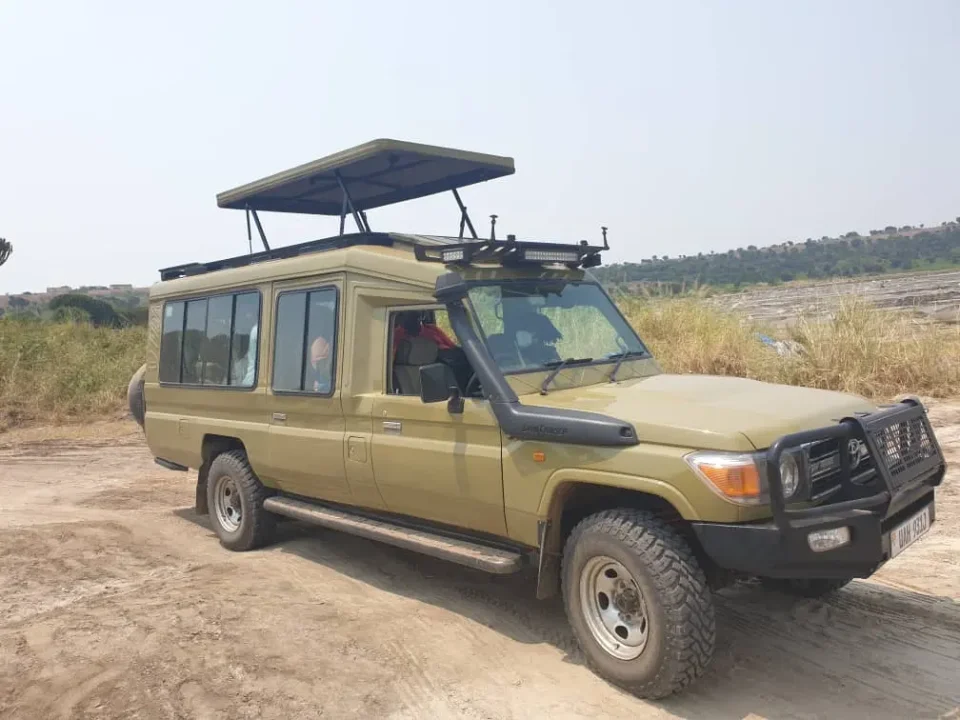
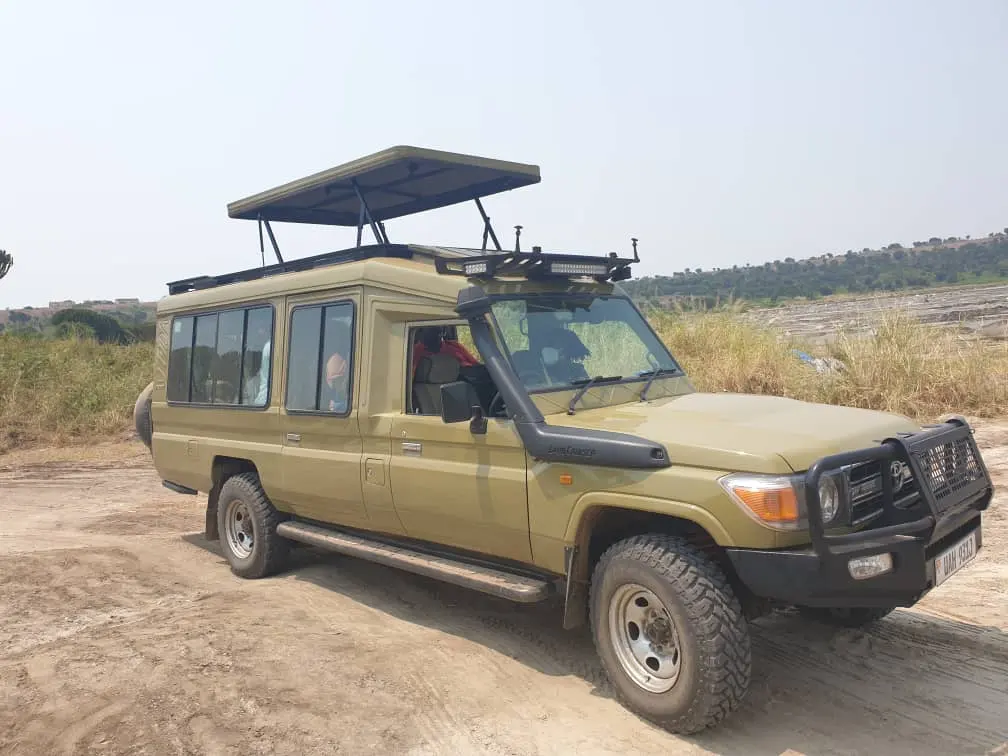
For the Bwindi leg, choose a 4×4 with good ground clearance, because roads in Kisoro and the southern sectors are steep, rutted and often muddy. A driver-guide who knows the area saves time and stress, and one who can explain the landscape as you go transforms a long drive into a highlight. To see what vehicle and driver options are available, visit the Kenlink Tours car hire page, and if you are an experienced overlander, read about a Uganda gorilla safari on self-drive.
Finally, keep your luggage soft-sided and compact. Bwindi lodges are used to travellers with duffel bags, and a smaller bag makes loading and unloading much easier when you switch vehicles at a border or move between lodges.
Spend a Day in Kigali or Musanze Before the Border
If your flight schedule allows it, a short stay in Kigali or the Musanze area is well worth it. Kigali’s Genocide Memorial is a sober, powerful place that gives essential context to modern Rwanda, and the city also offers craft markets, coffee shops and restaurants that are among the best in East Africa. The Inema Arts Centre and other galleries showcase Rwandan creativity, and a sunset drink on a hilltop terrace is a fine way to begin a trip.
Musanze, in the shadow of the Virunga volcanoes, is a gentler base. It has good lodges, a relaxed market town atmosphere and easy access to the Rwandan side of the gorilla and golden monkey experiences. Staying near the border the night before crossing spares you an early start from the capital, and it puts you within an hour of the frontier when it opens.
If you decide you want gorillas on both sides of the frontier, the five-day Uganda and Rwanda double gorilla safari is a well-known way to do it. It is worth remembering that Rwanda’s permit is more expensive than Uganda’s, which is why many visitors choose to trek only in Uganda and use Rwanda simply as an entry point.
Gorilla Permits and Bwindi Sectors When You Travel From Kigali
Whichever way you enter, the most important task is securing a Ugandan gorilla permit for your date and sector. In 2026, the published permit price for a foreign non-resident is USD 800 in the high season, with a reduced rate of USD 600 in April, May and November. Permits are limited to eight visitors per gorilla family per day, so they sell out early in peak months. Most travellers buy them through a licensed operator, who matches the permit to your route and lodging. You can see current options on the available gorilla tours for booking in Uganda page.
From Kigali, the southern sectors are the natural fit. Rushaga has the largest number of gorilla families and therefore the best permit availability, and it is around a five to six-hour journey from Kigali including the border. Nkuringo is steeper and more remote but rewards you with extraordinary views, and it is a little further along the same road. Both sit within reach of Kisoro, so a night in town before the trek makes for a relaxed morning.
The eastern and northern sectors, Ruhija and Buhoma, take longer from Kigali and are best combined with the Gatuna route and a stay near Kabale or Lake Bunyonyi. If you want the flattest trails and the widest choice of lodges, Buhoma is a good pick, and if you prefer birdwatching and cooler mountain air, Ruhija is excellent. Our full guide to gorilla trekking in Uganda explains each sector in detail, and the three-day Bwindi gorilla safari starting from Kigali shows how a short trip can work.
Where to Stay in Bwindi and Around Kisoro
Lodges cluster around each sector, so choose your sleeping place after you know your permit. In the Nkuringo area, Clouds Mountain Gorilla Lodge is the high-end classic, with volcano views and cottages with fireplaces, while Nkuringo Bwindi Gorilla Lodge offers spacious rooms and panoramic terraces at a slightly gentler price. In Rushaga, Gorilla Safari Lodge and Ichumbi Gorilla Lodge are dependable mid-range choices close to several gorilla families.
Around Kisoro and Lake Mutanda, Mount Gahinga Lodge, Chameleon Hill Lodge and Lake Mutanda Resort provide scenic stays on the border side of the park, and a simple hotel in town can serve as an overnight base before an early start. One option to look at is Ikoro Hotel in Kisoro, which suits travellers who arrive from Rwanda in the afternoon and want to be near the trekking briefing point at dawn.
In the north, Buhoma Lodge, Sanctuary Gorilla Forest Camp and Mahogany Springs are popular, and Ruhija Gorilla Safari Lodge serves the eastern sector. Rates vary by season, so confirm details with your operator. After your trek, you can find ideas for the rest of the day in these essential tips on what to do after a gorilla tour in Bwindi.
From Bwindi to Queen Elizabeth National Park: Four Route Options
After your gorilla trek, the journey north to Queen Elizabeth National Park is one of the most scenic legs of the whole trip. The route you take depends on which Bwindi sector you finish in, and four options cover most itineraries.
Rushaga or Nkuringo to Ishasha. This is the natural choice after the southern sectors, covering roughly 160 kilometres in four to five hours. The road winds through the Kigezi hills before descending to the Ishasha sector, the quieter, southern end of Queen Elizabeth National Park, where the famous tree-climbing lions live. Many guests time this leg so they arrive in the afternoon for a game drive.
Buhoma to Kihihi and Queen Elizabeth. From the northern sector, the road runs through crater lake country and terraced farmland, roughly 150 kilometres and three to four hours, and it is the fastest link between the parks. Ruhija to Ishasha takes five to six hours through the Kigezi Highlands and rewards keen birders, and a longer route via Kabale and Lake Bunyonyi can take six to seven hours or more but adds lake scenery and cultural stops for anyone with a flexible schedule. For a detailed comparison, read the guide to the best route to Bwindi from Queen Elizabeth National Park.
Roads in the region are mostly gravel and can be slow and bumpy in the wet season, so plan for early starts and allow generous time. A 4×4 with a driver-guide is the safest and most comfortable way to travel. If you are heading to Mgahinga as well, this article on driving from Bwindi to Mgahinga Gorilla National Park is a useful companion.
Queen Elizabeth National Park: What Makes It Worth the Journey
Queen Elizabeth National Park covers nearly two thousand square kilometers of savannah, wetland, crater lakes and forest in western Uganda. It was established in the 1950s and named after a royal visit, and today it is one of the country’s most diverse protected areas, with more than ninety mammal species and over six hundred recorded bird species. After the intense, quiet focus of gorilla trekking, it feels open, bright and wonderfully varied.
The park is best understood as a collection of distinct areas. The Mweya Peninsula sits beside the Kazinga Channel and is the main hub for boat cruises and lodges. Ishasha in the south is home to the tree-climbing lions. Kasenyi’s plains are good for game drives, Kyambura Gorge shelters a small community of chimpanzees, and Katwe and its crater lakes offer wide views towards the Rwenzori mountains. A well-planned itinerary picks two or three areas rather than rushing through all of them, and you can compare packages on the three-day wildlife encounter in Queen Elizabeth National Park page.
Ishasha and the Tree-Climbing Lions
Ishasha is the quieter southern sector of the park and a perfect first stop after Bwindi. Its open acacia woodland is famous for lions that climb into fig trees and rest on the branches during the heat of the day, a behavior rare in Africa and remarkable to watch. Sightings are never guaranteed, but rangers and guides know the favorite trees, and even without lions the sector offers topi, kob, buffalo, elephants and abundant birdlife.
Plan to spend at least one night in Ishasha, so you can do a late-afternoon and an early-morning game drive, since lions are most active and easiest to find at those times. The area is calm and uncrowded, and a night in a small camp with the sounds of the savannah is a pleasing contrast to the humid forest. Ishasha Wilderness Camp is one option in the area, and other lodges of various price levels are available nearby.
Mweya, the Kazinga Channel and Kyambura Gorge
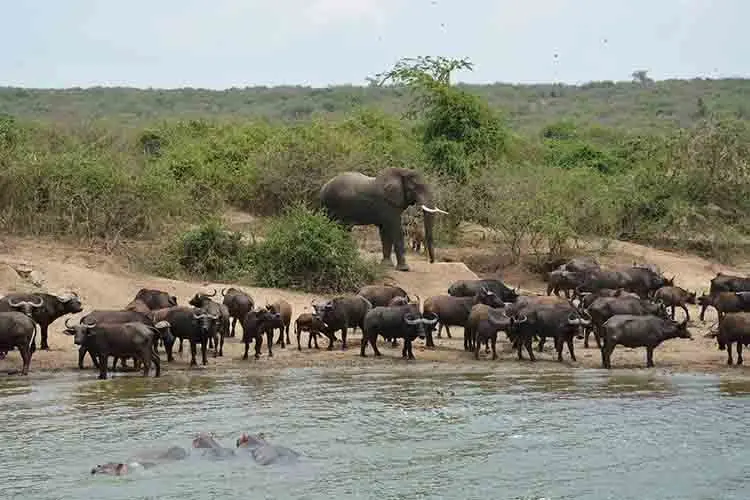
Mweya is the park’s best-known base, on a peninsula between Lake Edward and the Kazinga Channel. The channel is a natural waterway that links Lake George and Lake Edward, and a launch cruise along it is one of the finest wildlife experiences in Uganda. Herds of hippos, buffalo and elephants gather along the banks, crocodiles bask on the mud and dozens of bird species, from kingfishers to fish eagles, perch and dive around you. It is relaxed, comfortable and excellent for photography, and it suits families and travellers of all fitness levels.
Kyambura Gorge, a dramatic sunken forest in the east of the park, offers a chimpanzee tracking experience in a different setting, and its permit is cheaper than Kibale’s, although the community is small and sightings vary. Game drives on the Kasenyi plains are the classic way to look for lions, elephants and antelope, and early morning departures reward you with the best light. If you love primates, you can also learn about chimpanzee tracking safaris that pair well with this region, and if you enjoy crater lakes, read about the crater lakes in Queen Elizabeth National Park for a scenic half day.
Best Lodges in and Around Queen Elizabeth National Park
Queen Elizabeth has options across the price range. Mweya Safari Lodge is the flagship on the peninsula, with sweeping views over the Kazinga Channel and easy access to launch cruises. Kyambura Gorge Lodge and Katara Lodge overlook the Kyambura area and suit travellers who want a quieter, more intimate stay, while Engiri Game Lodge and Jacana Safari Lodge offer comfortable mid-range rooms in the wider region. Buffalo Safari Lodge provides a well-rated middle option, and budget travellers will find simple guesthouses and campsites in the nearby towns.
In Ishasha, Ishasha Wilderness Camp is a well-known tented camp, and several smaller camps and lodges lie just outside the boundary. When choosing, think about where you want to spend your mornings and evenings, because the park is large and drives between sectors take time. Book lodges and permits together so that the schedule flows, and always confirm meal plans, boat cruise arrangements and transfers with your operator.
Ending Your Trip: Queen Elizabeth to Entebbe, Kampala or Back to Kigali
You have three sensible ways to finish. The first is a road transfer to Entebbe or Kampala, which takes six to eight hours depending on the route and traffic. It is scenic, and you can stop at the equator crossing for photographs and at craft shops along the way. The second is a scheduled or charter flight from an airstrip near Mweya or Kasese, which reduces the journey to about an hour or so, and is ideal if your international flight leaves in the evening and you want a slower morning.
The third is to return to Kigali by road, which is possible but long and usually involves an overnight stop near Kabale or Bunyonyi. Because of the distance, most travellers prefer an open-jaw itinerary: fly into Kigali and out of Entebbe, or the reverse. This saves both time and money, and it removes the need for backtracking. To understand how to plan one, read this practical guide to beginning your tour in Kigali and ending it in Entebbe, and consider arranging airport meetings with a dependable local team such as Pick and Transfer Safaris.
Whichever finish you choose, leave a buffer of at least half a day before an international flight. Roads in Uganda can be slower than expected, and a relaxed final day is far better than a rushed one.
Sample Itineraries: Five, Seven and Ten Days Through Kigali
Five days: the essentials. Day one, land in Kigali and drive to Kisoro. Day two, transfer to your Bwindi sector and settle in. Day three, trek gorillas and relax. Day four, drive to Ishasha for an afternoon game drive. Day five, cruise the Kazinga Channel in the morning and continue towards Entebbe or fly out. It is tight, but it delivers the headline experiences, and the five-day gorilla trekking safari from Kigali to Uganda follows a similar shape. On the afternoon after your trek, these tips on what to do after a gorilla tour in Bwindi will help you use the free hours well.
Seven days: the comfortable version. Add a night in Kigali or Musanze at the start and a full day in Queen Elizabeth so you can enjoy both Ishasha and Mweya without hurrying. This is where many first-time guests find the best balance between travel and rest, and you can compare it with the seven-day gorilla and wildlife safari in Uganda. If you finish your trek in the far south, a night at Ikoro Hotel in Kisoro is one convenient choice for the start or end of the Bwindi section.
Ten days: the full circuit. With ten days you can add Lake Bunyonyi, a chimpanzee trek in Kibale or Kyambura, and a longer stay in Queen Elizabeth, plus a Rwandan highlight such as golden monkeys or Kigali’s memorials. The ten-day Uganda and Rwanda combined safari and the ten-day Uganda wildlife safari are strong starting points, while longer adventurers may enjoy the eighteen-day tailored safari in Uganda.
Short on time? A two-day trip is possible if you fly into Kigali and want only a gorilla trek. Check the two-day Uganda gorilla safari starting from Kigali and remember that it is intense, with long driving on both days. For a fuller picture of how Rwanda and Uganda combine, see the Uganda and Rwanda gorilla safaris overview.
How Much Does This Route Cost? What Drives the Price
Costs vary widely with season, lodge level and group size, so a single number would be misleading, but you can understand the pieces. The Ugandan gorilla permit is the largest fixed cost. Lodges are the second biggest item, ranging from simple guesthouses to high-end forest and savannah camps. Then come transport, driver-guide fees, park entrance fees, activity fees such as the Kazinga Channel cruise and visas.
Travelling in a group of three or four can significantly reduce per-person costs, because vehicle and guide fees are shared. Choosing a mix of mid-range lodges and one splurge night, such as a luxury lodge above the forest, is a popular way to balance comfort and price. A cross-border arrangement can add a small supplement for vehicle permits, so ask whether your quote includes it. Ask any operator for a total price covering everything from airport pick-up to drop-off, and check what is excluded, such as tips, drinks and visas. You can begin that conversation through the Kenlink Tours contact page or review options on the Uganda safari bookings page.
Best Time to Travel: Seasons in Rwanda and Uganda
The two dry seasons, June to September and December to February, are the easiest times for this route. Gravel roads are firmer, forest trails are drier and game drives in Queen Elizabeth are at their best, because animals gather near water. They are also the busiest months, so book permits and lodges well in advance.
The wet seasons, March to May and October to November, bring rain, mud and slower travel, though the forests are lush and prices are lower. Gorilla permits are discounted in April, May and November, but the discounted permits are often non-transferable, so weigh the saving against the risk. If you travel in the rains, choose a 4×4, allow extra time on the road and pack good waterproofs. Birdwatchers often enjoy the wetter months because migrants are present and the forests are full of activity.
What to Pack for a Multi-Country Gorilla and Wildlife Safari
For gorilla trekking, bring sturdy waterproof boots, long trousers, long-sleeved shirts, gloves and a rain jacket. For Queen Elizabeth, add sunscreen, a hat, binoculars and a camera with a good zoom. Wear neutral colors, avoid camouflage patterns, which are illegal for civilians in some East African countries, and pack a warm layer for cool mornings in the highlands.
Carry a small daypack, a refillable water bottle, insect repellent and a basic first-aid kit. Keep your passport, yellow fever card and permit confirmations in a waterproof pouch. Because you will cross a border, keep printed copies of your visa approval and booking confirmations, since phone signal is not always reliable. A power bank is useful, and a lightweight duffel bag is easier to manage than a hard suitcase.
Health, Safety and Responsible Travel Tips
This route is popular and generally safe, especially with a licensed operator, but sensible precautions still apply. Take malaria prevention advice from your doctor, drink bottled or treated water, and use insect repellent in the evenings. Travel insurance that covers medical evacuation, trip interruption and adventure activities is strongly recommended, and you should tell your guide about any medical conditions before you start.
Follow all wildlife rules. Keep a safe distance from gorillas, avoid flash photography and stay home from a trek if you are unwell. In Queen Elizabeth, stay inside your vehicle during game drives unless your guide says otherwise. Support local communities by buying crafts from cooperatives and hiring local guides and porters, and avoid single-use plastics wherever you can. Every respectful visit helps keep these landscapes standing.
Common Mistakes to Avoid When Planning a Kigali Start
A few errors appear again and again in cross-border safaris. The first is booking flights before permits are confirmed, which can leave you with a fixed arrival date and no gorilla slot. The second is scheduling the border crossing too close to a trek or flight, so that a delay ruins the plan. The third is choosing a Bwindi sector without checking how far it is from the border you will use, since the north and east take much longer than the south.
Others include underestimating the state of the roads, packing a large hard suitcase, forgetting the yellow fever card and trying to fit too many parks into too few days. The fix is simple: confirm permits first, build in a buffer day, pick the sector that matches your route and ask your operator to write down every leg and time. A calm, realistic plan is what turns a good route into a great trip.
Frequently Asked Questions About Bwindi and Queen Elizabeth Through Kigali
How long does it take to drive from Kigali to Bwindi?
To the southern sectors of Rushaga and Nkuringo, expect roughly five to seven hours including the Cyanika border, depending on queues and road conditions. To Ruhija or Buhoma it takes longer, often seven to nine hours, particularly if you stop at Kabale or Lake Bunyonyi.
Do I need two visas to visit Rwanda and Uganda?
Not necessarily. You can use one East Africa Tourist Visa for Rwanda, Uganda and Kenya, or buy separate single-entry visas for each country. Compare the price for your route and check current rules with the official immigration websites.
Can I start in Kigali and finish in Entebbe?
Yes, and it is one of the most efficient ways to travel. The practical details are covered in this article on starting in Kigali and finishing in Entebbe, and it is worth reading before you book flights.
Is it possible to see the tree-climbing lions on every trip?
No, sightings are never guaranteed, though Ishasha gives you a good chance, especially on an early-morning or late-afternoon drive. Even without lions, the sector offers plenty of other wildlife.
Can I add chimpanzee tracking to this route?
Yes. Kyambura Gorge inside Queen Elizabeth National Park offers chimp tracking, and Kalinzu and Kibale are within reach on longer itineraries. Combining gorillas with chimps is a popular Uganda add-on, and it works well with the western Uganda circuit.
Plan Your Bwindi and Queen Elizabeth Safari Through Kigali
Flying into Kigali, crossing into Uganda for gorillas in Bwindi and then heading north to the wildlife of Queen Elizabeth National Park is a route that makes sense on the map and on the ground. It saves driving time, lets you travel one way with no backtracking and gives you two entirely different safari experiences in a single trip: mist-covered forest and open savannah, quiet whispers and wide horizons.
To plan yours, start with the Uganda safari packages from Kenlink Tours, decide how many days you have and send your preferred dates so permits can be checked. If you would like a specialist transfer partner for airport meetings and border legs, Pick and Transfer Safaris is worth speaking to as you compare options. Then pack your boots, keep your passport and yellow fever card close and get ready for one of the great journeys in Africa.