- EXPERT'S HELP
- +256789210067
- +256200955001
- info@kenlinktours.com


Kigali Gorilla Trek with Golden Monkeys
August 13, 2026
Gorilla Trek from Kigali in 2027/2028/2029
August 13, 2026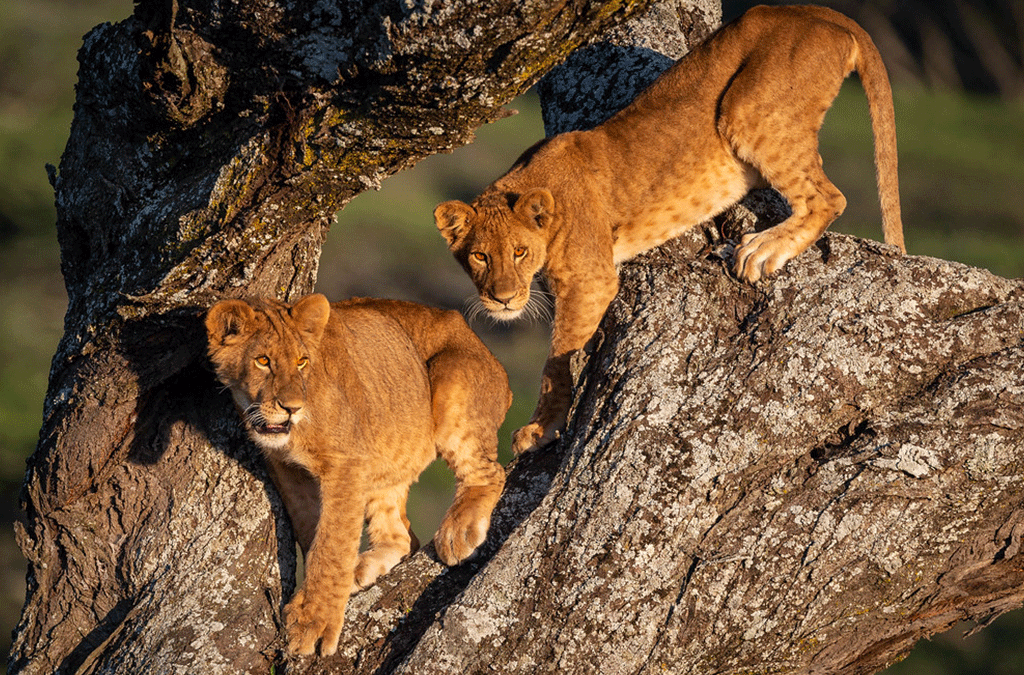
Kigali Gorilla Trek with Ishasha Climbing Lions. A gorilla trek from Kigali gets you one extraordinary wildlife encounter; adding the Ishasha sector’s famous tree-climbing lions gets you a second one that looks nothing like the first. Where Bwindi Impenetrable National Park is dense, quiet rainforest and a slow, deliberate hike, Ishasha is open savannah, game drives, and a genuinely rare big-cat behavior found in only a handful of places on Earth. At Kenlink Tours, pairing these two experiences into a single trip from Kigali is one of our favorite itineraries to plan, and this guide covers everything from the short hop between the two parks to what a game drive chasing lions up trees actually looks like. It’s a pairing that consistently surprises travelers who assumed their trip would be entirely about primates, only to find the savannah leg competing hard for the title of trip highlight.
Why Combine a Gorilla Trek with the Ishasha Tree-Climbing Lions
Gorilla trekking and game driving are about as different as two wildlife activities can be, and that contrast is exactly what makes this combination so rewarding. After the physical and emotional intensity of a Bwindi trek, a couple of relaxed days on game drives through Queen Elizabeth National Park’s Ishasha sector, spotting lions draped over acacia branches, offers a completely different pace and a genuinely rare sighting most safari-goers never get to check off their list. Our tour from Kigali covering Bwindi, Queen Elizabeth, Kibale, and Bunyonyi shows how naturally this combination fits into a single well-paced itinerary. There’s also a practical logistics benefit: because Ishasha sits on the direct route between Bwindi and the rest of western Uganda, adding it rarely means significant backtracking, unlike some wildlife extensions that require doubling back on roads you’ve already covered.
What Makes Ishasha’s Lions So Unusual
Lions don’t typically climb trees; it’s an unusual, poorly understood behavior seen regularly in only a few populations worldwide, and Ishasha’s pride is among the most reliable places to witness it. Theories range from escaping biting insects at ground level to simply seeking a cooler breeze and a better vantage point over the plains, but no single explanation is fully agreed upon, which only adds to the appeal. Spotting a lioness draped languidly across a thick fig tree branch, paws dangling, is one of Uganda’s most photographed and most requested sightings, and Ishasha remains one of the best places on the continent to see it reliably. Researchers have studied this specific pride for years, and while a full explanation remains elusive, the behavior has been consistent enough over time that experienced local guides develop a genuine intuition for which trees and times of day are most likely to produce a sighting.
Queen Elizabeth National Park and the Ishasha Sector at a Glance
Ishasha is the remote southern sector of the much larger Queen Elizabeth National Park, Uganda’s most visited savannah park and a genuine biodiversity hotspot with over 95 mammal species and 600 bird species. Our facts and history of Queen Elizabeth National Park guide covers the wider park in detail, while our page on Uganda’s most visited national park explains why it draws so many travelers beyond just the climbing lions. Ishasha itself feels distinctly different from the more heavily visited northern sectors of the park, with a wilder, quieter atmosphere that suits travelers who’ve already experienced Bwindi’s own sense of remoteness and want more of that same feeling on the savannah leg of their trip.
From Bwindi to Ishasha: The Short Hop Between Gorillas and Lions
One of the best things about this combination is the drive itself: Ishasha sits only about two to three hours from most Bwindi trailheads, making it one of the most convenient wildlife add-ons available anywhere near the park. This short transfer, combined with generally good road conditions between the two, means you can trek gorillas in the morning of one day and be settled into an Ishasha lodge by evening, ready for game drives the next morning. The drive itself is a scenic one, passing through terraced farmland and small trading towns that give a good sense of everyday rural Uganda between the two very different ecosystems you’re connecting. Our private car hire and transfer service handles this route regularly as part of combined itineraries.
How Far Is Ishasha from Kigali?
Since most travelers reach Bwindi from Kigali first, Ishasha effectively sits an additional short hop beyond your gorilla trekking sector, on top of the roughly 5 to 8 hour journey from Kigali covered in our guide on how far Bwindi is from Kigali. In practice, this means budgeting a full multi-day itinerary rather than a quick add-on, but the payoff, a genuinely different wildlife experience just a short drive from the gorillas, makes the extra time well worth it for most travelers. Because both legs of the trip start from the same Kigali gateway, you’re not adding a separate flight or a second border crossing, just extra driving days within Uganda itself, which keeps the logistics considerably simpler than combining two entirely separate countries or regions.
What a Game Drive in Ishasha Actually Looks Like
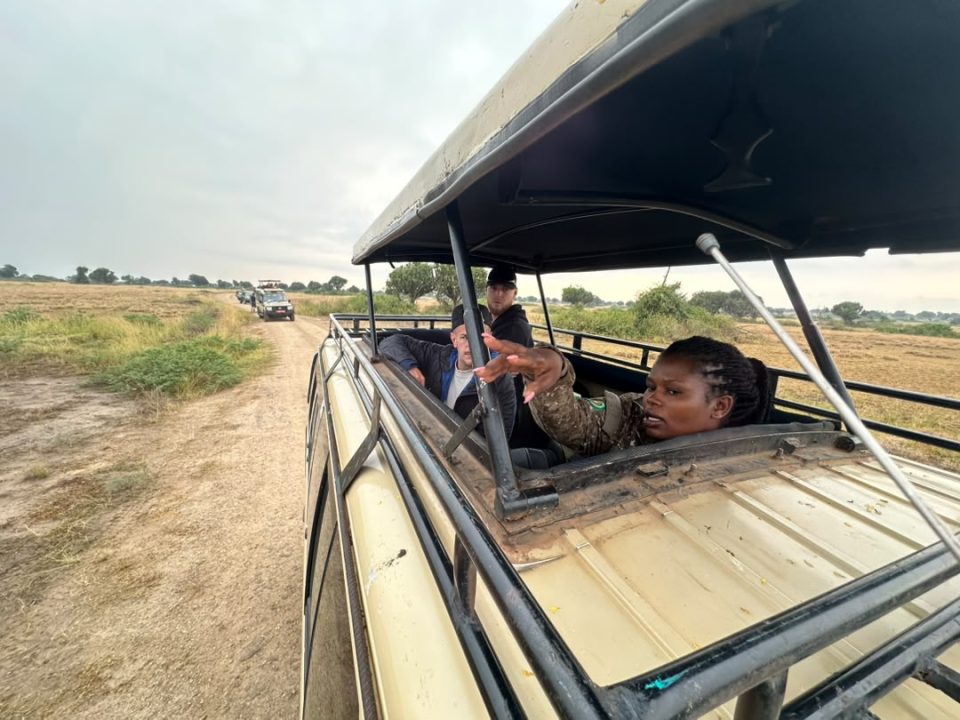
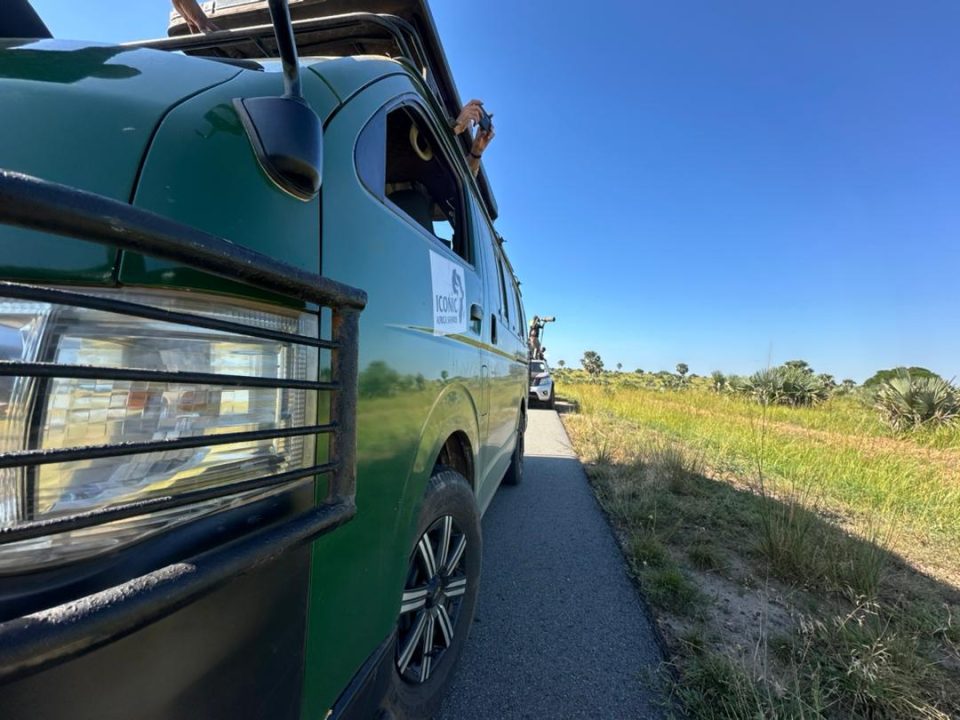
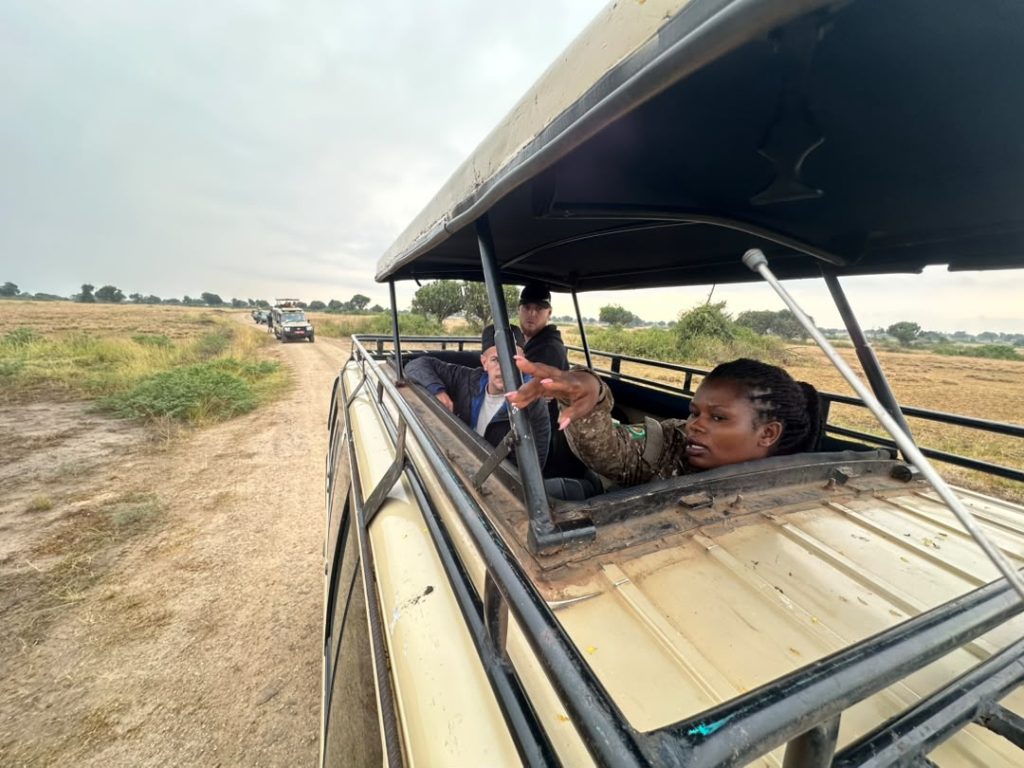
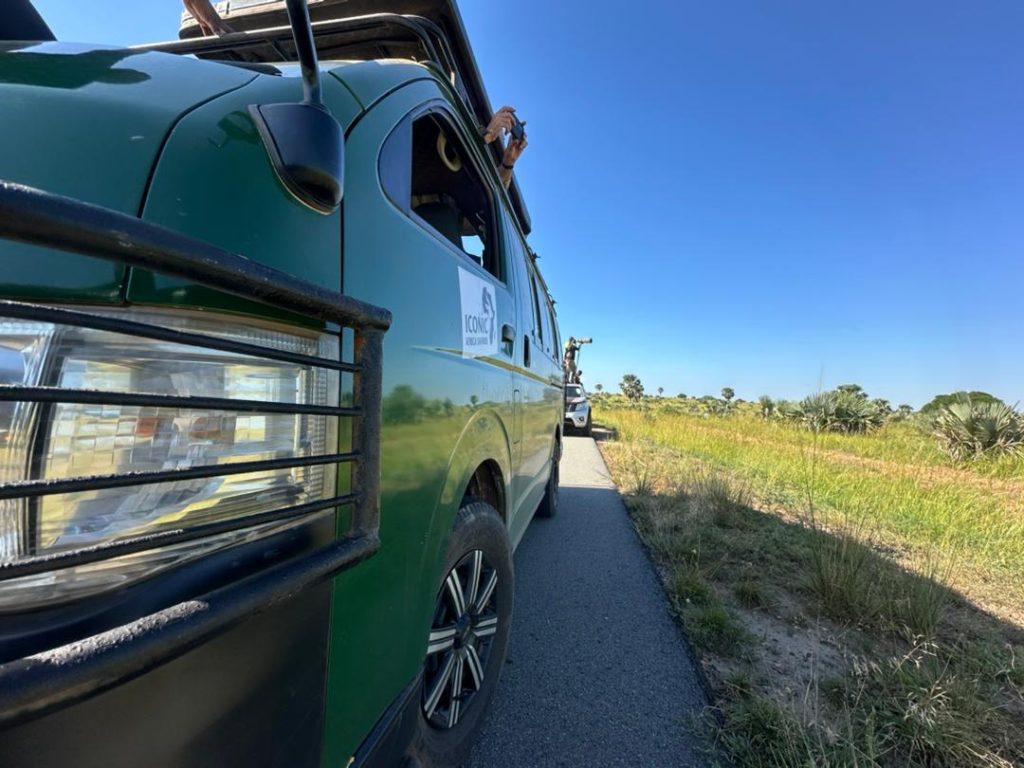
Game drives here happen in open-sided 4×4 vehicles moving slowly along tracks through the sector’s fig and acacia woodland, with guides scanning the trees rather than the grass for tell-tale limbs draped over branches. Beyond the lions, expect elephants, buffalo, Uganda kob, and a wide variety of birdlife along the way. Morning and late-afternoon drives tend to be most productive, both for cooler temperatures and for catching the lions before the midday heat sends them further into shade. A patient guide who’s willing to circle the same cluster of fig trees more than once often has better luck than one rushing through the sector trying to cover ground, so don’t be discouraged if the first hour or two of a drive comes up empty.
Best Time of Day (and Year) to Spot Climbing Lions
Early morning and late afternoon offer the best light and the most active wildlife generally, though the climbing lions themselves are famously unpredictable and can be spotted (or missed) at almost any hour. The dry seasons, June to September and December to February, generally offer easier game viewing across Queen Elizabeth National Park as a whole, with thinner vegetation and animals concentrating around remaining water sources, though sightings of the climbing lions specifically aren’t strongly tied to season the way some other wildlife behavior is. Wet season visits do come with the advantage of lusher scenery and fewer other vehicles on the tracks, a genuine trade-off worth weighing if you’re flexible on timing and more interested in a quieter experience than in maximizing overall wildlife density.
Beyond the Lions: Other Wildlife in Queen Elizabeth National Park
While the climbing lions are the headline attraction, Queen Elizabeth National Park offers considerably more, including a boat cruise along the Kazinga Channel, one of the best wildlife-viewing waterways in East Africa for hippos, elephants, and birdlife. Our private boat cruise page covers this experience in detail, and our guide on where to see Big Five animals in Uganda explains how Queen Elizabeth fits into a wider Big Five itinerary alongside your gorilla trek.
Sample Itinerary: 5-Day Gorilla Trek and Ishasha Lions from Kigali
A well-paced five-day itinerary starts with the transfer from Kigali to Bwindi, a day for the gorilla trek itself, a short transfer to Ishasha, a full day of game drives focused on the climbing lions, and a final day for the Kazinga Channel boat cruise before heading back toward Kigali or onward to Entebbe. Our broader 5-Day Gorilla Trekking Safari from Kigali to Uganda can be adapted to include Ishasha specifically, and Pick and Transfer Safaris’ 3-Day Safari to Queen Elizabeth National Park gives a useful sense of pacing for the wildlife portion alone.
Sample Itinerary: 7-Day Extended Uganda Wildlife and Gorilla Safari
Travelers with a full week get to properly enjoy both parks without feeling rushed between them, often adding Kibale Forest for chimpanzee tracking or Lake Bunyonyi for a relaxing final stop. Our tour from Kigali covering Bwindi, Queen Elizabeth, Kibale, and Bunyonyi is built exactly around this kind of pacing, and Pick and Transfer Safaris’ 7-Day Uganda Safari one-week tour offers a useful comparison for structuring a full week around multiple parks.
Where to Stay: Lodges Near Ishasha and Queen Elizabeth
Ishasha itself has a small selection of remote, atmospheric lodges and tented camps well suited to its wilder, less-visited character, while the wider Queen Elizabeth National Park area offers a broader range including several genuinely excellent luxury options. Our top luxury lodges in Queen Elizabeth National Park guide covers the best of these, and our Bwindi accommodation guide remains useful for the gorilla trekking leg of the same trip.
What to Pack for Trekking and Game Drives Together
Packing for this combination means preparing for two different environments: Bwindi’s damp, forested trails call for waterproof boots and rain gear, while Ishasha’s open savannah calls for lighter, breathable clothing, sun protection, and a hat, since you’ll spend considerably more time exposed to direct sun on game drives than under forest canopy. Our full packing guide for gorilla trekking covers the forest side, and binoculars are worth prioritizing for this trip specifically, since spotting a well-camouflaged lion draped in a tree from a moving vehicle is considerably easier with a good pair in hand. A soft duffel bag rather than a hard-shelled suitcase also makes a real difference here, since it packs more easily into a safari vehicle alongside other guests’ luggage across the multiple transfers this itinerary involves.
Comparing Queen Elizabeth to Murchison Falls and Akagera
If you’re deciding which savannah park to pair with your gorilla trek, it’s worth seeing Queen Elizabeth against the alternatives. Our comparison of game drives in Murchison Falls and Queen Elizabeth National Park and Akagera National Park versus Queen Elizabeth National Park both break down the trade-offs in detail. For travelers who’ve already ruled out the alternatives and want Rwanda-based options instead, Pick and Transfer Safaris’ 3-Day Akagera National Park safari from Kigali is a solid nearby comparison, though it doesn’t offer the same climbing lion behavior found specifically in Ishasha. Murchison Falls, further north, brings its own dramatic waterfall and boat cruise but sits considerably further from Bwindi than Ishasha does, making it a better fit for itineraries starting from Entebbe rather than Kigali.
Comparing Your Kigali-Based Wildlife Options
If you’re deciding how to structure the wildlife portion of your trip, it helps to see Ishasha alongside the other Kigali-reachable options. Pick and Transfer Safaris’ Bwindi destination guide remains the natural starting point for the gorilla trekking leg, while their gorilla safari collection lays out the range of trekking-focused itineraries this Ishasha add-on can slot into. For travelers weighing a shorter wildlife-only extension instead of the full Ishasha detour, their Kigali city guide is a useful reference for how much time to budget in the capital on either end of the trip.
Budgeting for a Gorilla and Ishasha Lions Safari
Beyond your gorilla permit, budget for park entrance fees at Queen Elizabeth National Park, additional game drive days, the boat cruise if you add it, and lodging across both parks. Our Uganda safari cost guide breaks down typical pricing across parks, and Pick and Transfer Safaris’ wildlife safaris collection offers a useful reference for savannah-focused pricing specifically, which tends to run a little lower per day than gorilla trekking given the absence of a comparable permit fee. That relative affordability is one more reason the Ishasha extension makes financial sense once you’ve already committed to the larger cost of the gorilla permit itself; the marginal cost of a few additional wildlife days is modest by comparison.
Conservation of Ishasha’s Lions
Uganda’s lion population has faced real pressure from habitat loss and human-wildlife conflict, and Ishasha’s climbing pride is a genuinely important conservation focus within Queen Elizabeth National Park. Tourism revenue from game drives directly supports the park’s ranger patrols and ongoing lion research, including tracking studies aimed at better understanding the climbing behavior itself. Choosing licensed operators and staying on designated tracks during game drives helps minimize disturbance to a population that remains more vulnerable than its dramatic tree-top sightings might suggest. Community conservancies bordering the park also play a growing role in reducing human-wildlife conflict, giving neighboring communities a direct incentive to coexist with a species that has historically posed a real threat to livestock in the region.
Booking Your Kigali Gorilla Trek with Ishasha Climbing Lions with Kenlink Tours
Combining gorilla trekking with a savannah wildlife leg means coordinating permits, park fees, transfers between two very different ecosystems, and lodges suited to each. This is exactly the kind of multi-park itinerary our team builds regularly. Learn more on our about us page, explore our guide to exploring western Uganda for wider regional context, or get in touch through our contact page to start planning. For Kigali-based transfer support, Pick and Transfer Safaris is a dependable local resource, and their about us page outlines their services further. Their 4-Day Wildlife and Primate Safari is also a useful reference if you’re comparing a shorter combined wildlife-and-trekking itinerary against the fuller five or seven-day versions covered above.
Frequently Asked Questions
Are the climbing lions guaranteed to be seen? No sighting in the wild is ever guaranteed, but Ishasha remains one of the most reliable places in Africa to see this specific behavior, and experienced guides significantly improve your odds.
How much extra time does adding Ishasha require? Realistically two to three extra days beyond a standard gorilla trekking trip, given the transfer time and the value of at least a full day of game drives once there.
Is Ishasha safe to visit? Yes, it’s a well-managed part of Queen Elizabeth National Park with experienced ranger guides accompanying all game drives.
Can I visit Queen Elizabeth without doing a gorilla trek? Yes, though most Kigali-based travelers combine the two given how naturally they fit into the same overland route through southwestern Uganda.
What’s the best month to see the climbing lions? There’s no single best month for this specific behavior, though the dry seasons generally offer easier overall game viewing across the wider park.
How many game drives should I budget for Ishasha? At least two, ideally spread across a morning and a late afternoon, since the climbing lions can be genuinely unpredictable and a single drive doesn’t always guarantee a sighting.
Can I combine Ishasha with a boat cruise on the same trip? Yes, most itineraries that include Ishasha also add a Kazinga Channel boat cruise elsewhere in Queen Elizabeth National Park, since both are easily reached from the same lodge base.
Final Thoughts on Your Kigali Gorilla Trek with Ishasha Climbing Lions
Pairing a Bwindi gorilla trek with Ishasha’s tree-climbing lions gives you two of Uganda’s most distinctive wildlife experiences in a single, well-connected itinerary from Kigali. The forest’s quiet intensity and the savannah’s wide-open game drives complement each other perfectly, and the short transfer between the two parks makes this one of the most efficient ways to add serious variety to your trip without adding a second country, flight, or major logistical headache. Few combinations pack this much contrast into so short an added stretch of driving. Get in touch with Kenlink Tours today, and let us build a Kigali gorilla trek with Ishasha climbing lions around exactly the pace and parks that suit your safari.