- EXPERT'S HELP
- +256789210067
- +256200955001
- info@kenlinktours.com


Gorilla Trek Safaris from Congo
September 27, 2026
Congo Gorilla Safaris Starting from Kigali
September 27, 2026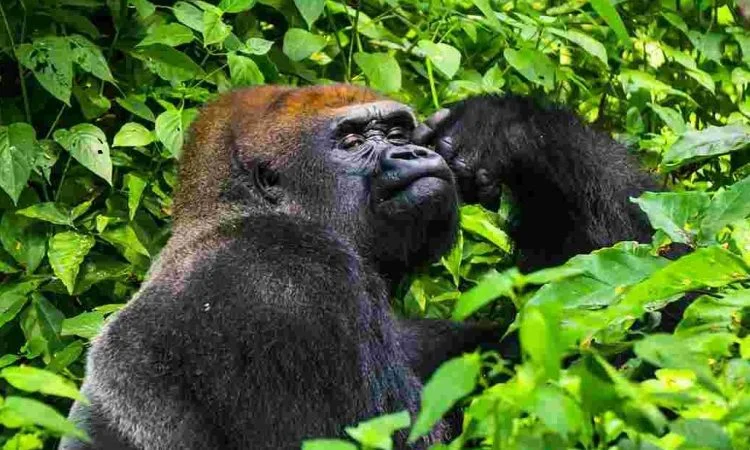
Gorilla Trekking in Kahuzi Biega National Park. Deep in the rainforests of eastern Democratic Republic of the Congo, a few hours from the shores of Lake Kivu, lives the largest gorilla on Earth. The eastern lowland gorilla, also known as Grauer’s gorilla, is found nowhere else in the world except eastern Congo, and Kahuzi-Biega National Park has long been the best place to see these magnificent animals in the wild.
For decades, gorilla trekking in Kahuzi-Biega offered a rare and deeply rewarding experience: walking through ancient montane forest and bamboo, then standing in the presence of a massive silverback far larger than his mountain gorilla cousins. For wildlife lovers who had already trekked mountain gorillas in Uganda or Rwanda, it was the natural next adventure.
Today, however, the situation around Kahuzi-Biega has changed dramatically. Conflict in South Kivu province, including the capture of the nearby city of Bukavu by the M23 armed group in early 2025, has seriously affected tourism and conservation in the park.
This guide explains everything you need to know about gorilla trekking in Kahuzi-Biega National Park: the park’s history and wildlife, the eastern lowland gorillas, how trekking has worked, its current status and safety situation, and the best alternatives for travellers who want to see gorillas safely today. At Kenlink Tours, we believe travellers deserve honest, up-to-date information, and our first priority is always your safety.
About Kahuzi-Biega National Park
Kahuzi-Biega National Park lies in South Kivu province in eastern DRC, west of Lake Kivu and the city of Bukavu. It covers about 6,000 square kilometres, making it one of the largest protected areas in the region. The park was established to protect the eastern lowland gorilla and was declared a UNESCO World Heritage Site in 1980, in recognition of its outstanding biodiversity.
The park takes its name from two extinct volcanoes that dominate its eastern highlands: Mount Kahuzi, rising to about 3,300 metres, and Mount Biega, at about 2,800 metres. The park includes a smaller highland sector near Bukavu, where gorilla tourism has taken place, and a much larger lowland sector stretching west into remote rainforest.
Its habitats range from montane forest, bamboo and swamps in the highlands to dense lowland tropical rainforest, giving it one of the richest diversities of plants and animals in Central Africa. Read our overview of Kahuzi-Biega National Park and Pick and Transfer Safaris’ Kahuzi-Biega National Park page.
Meet the Eastern Lowland Gorilla
The eastern lowland gorilla (Gorilla beringei graueri) is a subspecies of the eastern gorilla, closely related to the mountain gorilla. It is the largest of all gorilla subspecies. Adult silverbacks can weigh around 200 kilograms or more and stand impressively tall when upright.
How eastern lowland gorillas differ from mountain gorillas:
- Size: eastern lowland gorillas are generally larger and heavier.
- Fur: they have shorter hair than mountain gorillas, which grow thick coats to cope with high-altitude cold.
- Face and body: they tend to have a longer face and broader chest.
- Diet: they eat leaves, stems, bark and bamboo, but also more fruit when available.
- Range: they live only in eastern Congo, across a range of lowland and montane forests.
Eastern lowland gorillas are classified as critically endangered. Their numbers have fallen sharply over recent decades because of armed conflict, poaching for bushmeat, illegal mining and habitat loss. Kahuzi-Biega remains one of the most important strongholds for the subspecies.
A Short History of Gorilla Tourism in Kahuzi-Biega
Gorilla habituation in Kahuzi-Biega began in the 1960s and 1970s, when conservationists started accustoming gorilla groups to human presence to support tourism and protection. Over the years, several habituated families became known to visitors, and famous silverbacks became symbols of the park.
One of the best-known silverbacks was Chimanuka, who led a large family for many years and became the face of Kahuzi-Biega’s gorilla tourism. Another famous gorilla, Mugaruka, was a solitary silverback known for having lost a hand in a poacher’s snare, a powerful reminder of the threats these animals face.
The park’s history has been deeply affected by regional conflicts, particularly during the wars of the 1990s and early 2000s, when gorilla numbers dropped dramatically. Rangers and conservationists worked under extremely difficult conditions to protect the remaining gorillas, and tourism slowly returned in calmer periods.
What Gorilla Trekking in Kahuzi-Biega Is Like
When tourism was operating, gorilla trekking in Kahuzi-Biega followed a pattern similar to trekking in Uganda and Rwanda:
- Briefing: visitors gathered at the Tshivanga park headquarters, about an hour’s drive from Bukavu, for a briefing with rangers.
- Trekking: small groups entered the forest with guides and trackers, who located the gorillas based on the previous day’s position.
- Time with gorillas: once found, visitors spent up to one hour with the family, following strict rules on distance and behaviour.
- Terrain: treks passed through montane forest, bamboo and sometimes swampy areas, and could last from one hour to several hours.
Because Kahuzi-Biega received far fewer visitors than Bwindi or Volcanoes National Park, trekkers often enjoyed a quieter, more intimate experience. Permits were also historically cheaper than in Uganda and Rwanda.
Other Attractions in Kahuzi-Biega
Besides eastern lowland gorillas, the park has offered other experiences:
- Hiking Mount Kahuzi and Mount Biega: guided hikes to the summits of the park’s two extinct volcanoes, with views over the forest and Lake Kivu on clear days. See our guide to Mount Kahuzi.
- Chimpanzees and other primates: the park is home to chimpanzees, several monkey species and many other mammals, though chimpanzees are not habituated for regular tourism.
- Birding: Kahuzi-Biega is rich in birds, including many Albertine Rift endemics.
- Nature walks and waterfalls: trails through forest and swamps reveal orchids, tree ferns and unique plants.
- Lwiro Primate Rehabilitation Centre: near the park, a sanctuary caring for orphaned chimpanzees and monkeys rescued from the illegal wildlife trade.
Wildlife and Biodiversity of Kahuzi-Biega
Although gorillas are the park’s most famous residents, Kahuzi-Biega is one of the most biologically rich areas in Central Africa. Its wide range of altitudes, from lowland rainforest to high montane forest and bamboo, supports an extraordinary variety of life.
- Mammals: the park is home to more than a hundred mammal species, including chimpanzees, forest elephants, forest buffaloes, giant forest hogs, bongo antelopes, several species of duiker, and many monkeys such as the Hamlyn’s (owl-faced) monkey, L’Hoest’s monkey, red-tailed monkey and black-and-white colobus.
- Birds: hundreds of bird species have been recorded, including many Albertine Rift endemics and rare species such as the Congo peafowl, one of Africa’s most mysterious birds.
- Plants: the forests contain a remarkable range of trees, tree ferns, orchids and bamboo, with many species used by local communities for food and medicine.
This biodiversity is a major reason for the park’s UNESCO status and why its protection matters well beyond the gorillas.
Social Life and Behaviour of Eastern Lowland Gorillas
Like mountain gorillas, eastern lowland gorillas live in family groups led by a dominant adult male, the silverback, named for the silver-grey hair that develops on his back with age. A family typically includes several adult females, juveniles and infants, and sometimes younger males known as blackbacks.
The silverback leads the group to feeding sites, decides where to rest and nest, and protects the family from danger. Gorillas build new nests of leaves and branches each night, either on the ground or in low trees. Much of the day is spent feeding, resting and grooming, while youngsters play, wrestle and climb.
Eastern lowland gorilla groups can be larger than many mountain gorilla families, and some groups in Kahuzi-Biega have historically numbered more than twenty individuals. Watching the interactions within such a family, from a silverback’s calm authority to a mother’s care for her infant, is one of the most moving experiences in the natural world.
Geography, Climate and the Bukavu Region
Kahuzi-Biega’s highland sector lies close to the southwestern shore of Lake Kivu, one of the African Great Lakes, which forms part of the border between Congo and Rwanda. The city of Bukavu, on the southern tip of the lake, has traditionally been the base for visitors to the park, with the Tshivanga headquarters about an hour’s drive away.
The highlands have a cool, humid climate, with frequent mist and rainfall throughout the year. Temperatures are generally mild during the day and chilly at night, especially at higher altitudes. As in Uganda and Rwanda, the drier months are usually June to August and December to February, but rain can fall at any time in the forest.
The Rusizi border crossings between Bukavu and Rwanda’s town of Rusizi (Cyangugu) were traditionally the main gateway for travellers coming from Rwanda. Given the current situation, overland travel to Bukavu is not recommended.
The Rangers of Kahuzi-Biega
The story of Kahuzi-Biega cannot be told without its rangers. For decades, park staff have protected gorillas and other wildlife through wars, rebellions and economic hardship, often without regular pay and at great personal risk. Many rangers across eastern Congo’s parks have lost their lives in the line of duty.
Their work includes anti-poaching patrols, removing snares, monitoring gorilla families, supporting research and working with local communities. When tourism is operating, rangers also guide visitors and share their deep knowledge of the forest and its gorillas. Supporting these rangers, through conservation organisations and, when possible, responsible tourism, is one of the most effective ways to help protect eastern lowland gorillas.
Kahuzi-Biega vs Virunga National Park
Congo’s two famous gorilla parks are very different:
- Kahuzi-Biega protects eastern lowland gorillas in South Kivu, near Bukavu.
- Virunga protects mountain gorillas in North Kivu, near Goma, and is also known for Mount Nyiragongo’s lava lake.
Both parks have been seriously affected by the conflict in eastern Congo. Read our comparison of Kahuzi-Biega and Virunga for gorilla trekking, our guide to Virunga National Park, and Pick and Transfer Safaris’ Virunga National Park page.
Current Status: Can You Trek Gorillas in Kahuzi-Biega Today?
This is the most important section of this guide. At the time of writing, we do not recommend planning gorilla trekking in Kahuzi-Biega National Park.
Here is why:
- Bukavu, the gateway city to the park, was taken by the M23 armed group in February 2025, following the group’s capture of Goma in North Kivu in January 2025.
- Tour operators have withdrawn Kahuzi-Biega packages because of regional instability and international travel warnings.
- Several governments, including Australia and Canada, advise against all travel to the DRC, with particularly strong warnings for North and South Kivu.
- Ranger patrols have been restricted by insecurity, and the park faces increased pressure from illegal mining, poaching and displaced communities seeking resources.
- Travel insurance is unlikely to cover travel to areas under a government “do not travel” warning.
The situation may change, but any decision to resume tourism would need to come from the Congolese Institute for the Conservation of Nature (ICCN) and park authorities, supported by a stable security situation. Before considering travel to eastern Congo, always check your government’s latest travel advice.
For more background, read our articles Is Congo safe to go for gorilla trekking? and Congo safari safety tips for travellers.
How Conflict Affects Kahuzi-Biega’s Gorillas
Conflict has a devastating impact on wildlife and conservation. When armed groups control territory near a park, rangers may be unable to patrol, research teams may withdraw, and illegal activities can grow. In Kahuzi-Biega, the main threats include:
- Poaching for bushmeat and the illegal wildlife trade
- Illegal mining of minerals such as coltan, cassiterite and gold inside the park
- Charcoal production and logging that destroy gorilla habitat
- Encroachment by displaced communities forced from their homes by fighting
- Loss of tourism revenue that normally supports rangers and local communities
Despite these challenges, many rangers and conservation staff continue to work to protect the park and its gorillas, often at great personal risk.
The Best Alternatives: Gorilla Trekking in Uganda and Rwanda
While eastern lowland gorillas can only be seen in Congo, travellers who want a safe, unforgettable gorilla experience today can trek mountain gorillas in neighbouring Uganda and Rwanda.
Bwindi Impenetrable National Park, Uganda: home to close to half of the world’s mountain gorillas and the largest number of habituated families. Permits cost USD 800 for foreign non-residents. See Pick and Transfer Safaris’ Bwindi Impenetrable Forest National Park page and their comparison of Bwindi’s four trekking sectors.
Mgahinga Gorilla National Park, Uganda: Uganda’s section of the Virunga volcanoes, bordering Congo and Rwanda, with gorillas, golden monkeys and volcano hikes. See our guide to Mgahinga Gorilla National Park, Pick and Transfer Safaris’ Mgahinga Gorilla National Park page and their guide to Mgahinga or Bwindi for gorilla trekking.
Volcanoes National Park, Rwanda: the Rwandan section of the Virungas, famous for Dian Fossey’s research, with excellent infrastructure. Permits cost USD 1,500. See our guide to Volcanoes National Park.
Our comparisons of gorilla trekking in Uganda vs Rwanda vs Congo and choosing between Uganda, Rwanda and Congo explain the differences.
For Travellers Who Want the Kahuzi-Biega Feeling
Many travellers were drawn to Kahuzi-Biega because it felt wild, uncrowded and adventurous. If that is what you are looking for, consider these options in Uganda:
- The Gorilla Habituation Experience in Bwindi’s Rushaga sector: spend around four hours with a gorilla family still getting used to people, alongside researchers and trackers. It is the closest experience to the raw, wild feel of trekking less-habituated gorillas. See our guide to the Gorilla Habituation Experience in the Rushaga sector and Pick and Transfer Safaris’ Gorilla Habituation Experience in Rushaga.
- Trekking in Nkuringo or Ruhija: quieter Bwindi sectors with challenging trails and fewer visitors.
- Mgahinga: a small, peaceful park with just one gorilla family and dramatic volcano scenery on the Congo border.
Gorilla Permits in Uganda and Rwanda
Permits should be booked before anything else, as they sell out months ahead in peak season.
Uganda:
- Foreign non-residents: USD 800 per person
- Foreign residents of East Africa: USD 700 per person
- East African citizens: a reduced local rate
- Gorilla Habituation Experience: USD 1,500 per person
Rwanda: USD 1,500 per person for foreign non-residents.
Because the DRC is a member of the East African Community, Congolese citizens may qualify for East African rates in Uganda. Always confirm eligibility with your operator. Our guide on how to book a gorilla trekking permit in Uganda explains the process, and Pick and Transfer Safaris covers booking a gorilla permit in Uganda and Rwanda gorilla trekking permits.
Uganda or Rwanda: Which Should You Choose?
- Uganda offers more affordable permits, more gorilla families, the Habituation Experience, and easy combinations with chimpanzees and big game.
- Rwanda offers the shortest drive from an international airport, polished lodges and excellent roads.
Many travellers fly into Kigali and cross into Uganda for Bwindi or Mgahinga, combining Kigali’s convenience with Uganda’s lower permit price. Pick and Transfer Safaris compares the two in Uganda gorilla trek vs Rwanda gorilla trek and Rwanda vs Uganda gorilla trekking cost, and explains gorilla trekking starting from Kigali airport.
Sample Itinerary: 3-Day Mountain Gorilla Trek From Kigali
Day 1: Kigali to Bwindi (Rushaga). Arrive in Kigali, meet your guide and drive north into Uganda to your lodge near Rushaga.
Day 2: Gorilla trekking. Trek to meet a mountain gorilla family and spend one hour with them, or choose the four-hour Habituation Experience.
Day 3: Return to Kigali. Drive back to Kigali, with an optional stop at Lake Bunyonyi.
Sample Itinerary: 6-Day Gorillas, Golden Monkeys and Lakes
- Day 1: Kigali to Mgahinga or Kisoro.
- Day 2: Gorilla trekking in Mgahinga.
- Day 3: Golden monkey tracking and the Batwa Trail.
- Day 4: Drive to Rushaga for the Gorilla Habituation Experience.
- Day 5: Relax at Lake Bunyonyi with canoeing and island hopping.
- Day 6: Return to Kigali.
This itinerary offers two gorilla experiences, golden monkeys and relaxation, a rich alternative for travellers who hoped to trek in Congo.
What to Expect on a Mountain Gorilla Trek in Uganda or Rwanda
If you choose to trek mountain gorillas in Uganda or Rwanda instead, the day will feel familiar to anyone who has read about Kahuzi-Biega. You start early with a briefing at the park headquarters, where rangers explain the rules and assign visitors to gorilla families in groups of up to eight people.
You then walk into the forest with your guides and armed rangers, while advance trackers locate the gorillas. Treks can take from under an hour to most of the day, through steep, muddy and densely vegetated terrain. Hiring a local porter makes the trek easier and supports the community.
Once you find the gorillas, you spend one unforgettable hour watching them feed, rest, groom and play, often just a few metres away. Mountain gorillas have thicker, longer coats than their lowland cousins, but the sense of awe at being in the presence of a silverback is the same. Afterwards, you return to the headquarters to receive your gorilla trekking certificate.
Best Time for Gorilla Trekking in the Region
Gorilla trekking in Uganda and Rwanda runs all year round:
- Dry seasons (June to September and December to February): firmer trails and easier trekking, but the highest demand for permits.
- Wet seasons (March to May and October to November): lush forests, fewer visitors and sometimes easier permit availability, though trails can be muddy.
Because permits are limited, the best time to travel is often the date for which you can secure your preferred permit. Book several months ahead for peak season.
What to Pack for Gorilla Trekking
- Waterproof hiking boots with good grip
- Rain jacket and rain trousers
- Long trousers and long-sleeved shirts
- Gardening gloves for gripping vegetation
- A warm fleece for cool mornings
- Insect repellent and sunscreen
- Small daypack, water and snacks
- Camera with spare batteries (no flash)
- Passport, visa, Yellow Fever certificate and permit confirmation
See our guide on what to pack for gorilla trekking in Uganda, Rwanda and Congo.
Gorilla Trekking Rules
Whether in Congo, Uganda or Rwanda, the same principles protect gorillas and visitors:
- Do not trek if you have a cold, flu or any contagious illness.
- Keep the distance your ranger instructs, usually at least seven metres.
- Wear a face mask if rangers ask you to.
- Keep your voice low and avoid sudden movements.
- No flash photography.
- Do not eat, drink or smoke near the gorillas.
- Your visit is limited to one hour on standard treks.
- The minimum age for gorilla trekking is 15 years.
How You Can Support Kahuzi-Biega’s Gorillas
Even if you cannot visit the park right now, you can still make a difference:
- Donate to reputable conservation organisations that support Kahuzi-Biega’s rangers, gorilla monitoring and community projects.
- Support primate sanctuaries such as the Lwiro Primate Rehabilitation Centre, which cares for orphaned chimpanzees and monkeys.
- Recycle old mobile phones and electronics through responsible programmes, helping reduce demand for minerals mined illegally in gorilla habitat.
- Trek gorillas responsibly in Uganda and Rwanda, where tourism revenue supports regional conservation.
- Share accurate information about the park’s situation and the importance of protecting eastern lowland gorillas.
When Might Kahuzi-Biega Reopen for Tourism?
No one can say for certain. Reopening depends on lasting improvements in security around Bukavu and South Kivu, and on official decisions by the ICCN and park authorities. When tourism does return, it will likely restart cautiously, with limited visitor numbers and strict security measures.
If you dream of seeing eastern lowland gorillas in the future, follow official park announcements and government travel advisories, and speak with experienced operators before making any plans. Our guide to gorilla trek safaris from Congo covers the wider situation across eastern DRC, and our article on whether you need a visa to travel to Congo will be useful when travel becomes possible again.
Why Plan Your Gorilla Safari With Kenlink Tours?
- Honest, up-to-date advice on where it is safe to trek
- Gorilla permits secured in Uganda and Rwanda
- Airport pickups in Kigali and Entebbe
- Experienced driver-guides and comfortable 4×4 vehicles
- Tailor-made itineraries, including the Gorilla Habituation Experience
- Transparent pricing with no hidden fees
- 24/7 support throughout your trip
For a tailored quote, see how our Uganda safari bookings work.
Frequently Asked Questions
What gorillas live in Kahuzi-Biega National Park?
Eastern lowland gorillas, also called Grauer’s gorillas, the largest gorilla subspecies in the world.
Can I trek gorillas in Kahuzi-Biega right now?
At the time of writing, we do not recommend it. Bukavu has been under M23 control since early 2025, tour operators have withdrawn packages, and many governments advise against travel to eastern DRC.
Where else can I see eastern lowland gorillas?
Eastern lowland gorillas live only in eastern Congo. There is no safe alternative location to see them in the wild at present.
What is the best alternative to Kahuzi-Biega?
Mountain gorilla trekking in Uganda’s Bwindi or Mgahinga, or Rwanda’s Volcanoes National Park. For a wilder experience, try the Gorilla Habituation Experience in Bwindi’s Rushaga sector.
How far is Kahuzi-Biega from Kigali?
The park lies near Bukavu, on the southwestern shore of Lake Kivu, several hours’ drive from Kigali via the Rusizi border. Overland travel to the area is not currently recommended.
How much was a Kahuzi-Biega gorilla permit?
Permits were historically cheaper than in Uganda and Rwanda. Prices may change when tourism resumes, so confirm with official sources at that time.
Conclusion
Kahuzi-Biega National Park is one of Africa’s great wild places and the last stronghold of the magnificent eastern lowland gorilla. For now, conflict in South Kivu means gorilla trekking there is not advisable, and the park’s rangers and gorillas face serious challenges. We hope the day will come soon when travellers can safely return to Kahuzi-Biega, and when their visits can once again support the protection of these extraordinary animals.
Until then, you can still enjoy a life-changing encounter with gorillas in Uganda and Rwanda, just across the border, in safe, well-managed parks that also support the wider region’s conservation.
Ready to meet the gorillas safely? Contact Kenlink Tours with your travel dates, and we will secure your permit and plan the perfect gorilla safari for you.