- EXPERT'S HELP
- +256789210067
- +256200955001
- info@kenlinktours.com


Lake Bunyonyi after Gorilla Trek in Bwindi
September 27, 2026
Gorilla Trekking in Kahuzi Biega National Park
September 27, 2026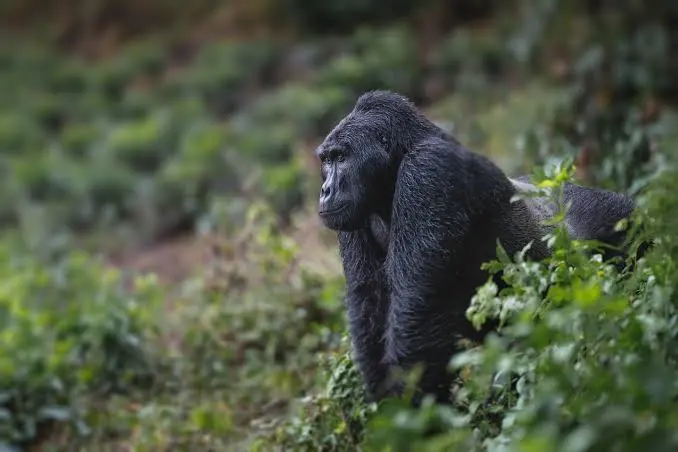
Gorilla Trek Safaris from Congo. The Democratic Republic of the Congo (DRC) is one of only three countries in the world where you can see wild mountain gorillas, alongside Uganda and Rwanda. It is also home to the eastern lowland gorilla, the largest gorilla subspecies on Earth. For many years, gorilla trekking in Congo’s Virunga and Kahuzi-Biega national parks offered adventurous travellers a wild, uncrowded and affordable experience.
Today, however, the situation in eastern Congo is very different. Ongoing conflict in North and South Kivu provinces has seriously affected tourism, and many governments currently advise their citizens not to travel to the region. At the same time, thousands of people living and working in Congo, and many travellers who had hoped to trek there, still want to see gorillas.
This guide explains everything you need to know about gorilla trek safaris from Congo: Congo’s gorilla parks and their current status, the safety situation, and, most importantly, the safest and easiest ways for travellers based in or coming from Congo to trek gorillas in Uganda and Rwanda instead. At Kenlink Tours, we organise gorilla safaris for travellers from Kinshasa, Lubumbashi and across the DRC, and we always put safety first.
Gorilla Species Found in Congo
Congo is unique because it is home to two gorilla subspecies that travellers can visit:
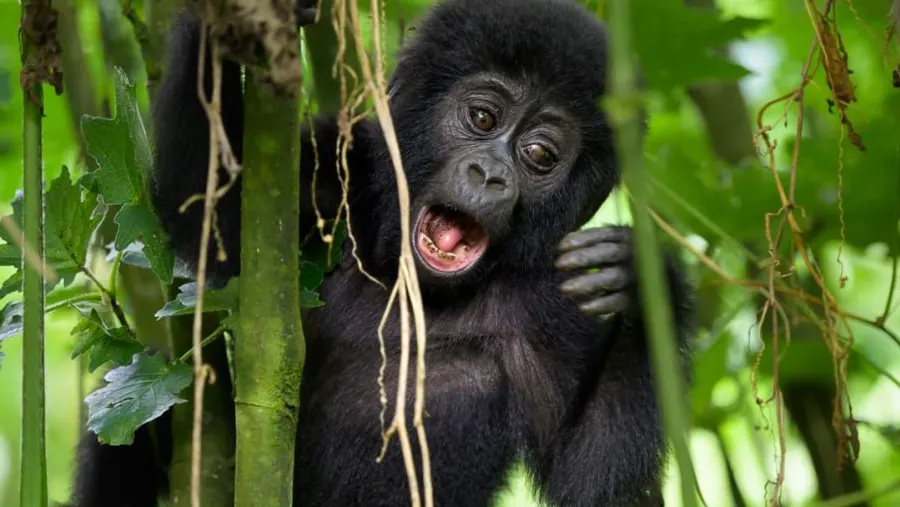
- Mountain gorillas (Gorilla beringei beringei), found in the Virunga volcanoes shared by Congo, Uganda and Rwanda, and in Uganda’s Bwindi Impenetrable Forest.
- Eastern lowland gorillas (Gorilla beringei graueri), also called Grauer’s gorillas, found only in eastern Congo. They are the largest gorillas in the world, and Kahuzi-Biega National Park has been the main place to see them.
Western lowland gorillas also live in parts of central and western Africa, including the Republic of Congo (Congo-Brazzaville), which is a separate country from the DRC.
Virunga National Park
Virunga National Park, established in 1925, is Africa’s oldest national park and a UNESCO World Heritage Site. It stretches across about 7,800 square kilometres of eastern DRC, from the Virunga volcanoes in the south to the Rwenzori Mountains in the north, and includes forests, savannah, lakes, glaciers and active volcanoes.
Virunga protects a significant share of the world’s mountain gorillas, in habituated families that were once visited from the Bukima and Djomba areas. The park is also famous for Mount Nyiragongo, one of the world’s most active volcanoes, with a glowing lava lake that attracted hikers from around the world. It is home to the Senkwekwe Center, the world’s only facility caring for orphaned mountain gorillas. Read our articles on Virunga National Park, mountain gorilla families in Virunga National Park and the Senkwekwe Center for gorilla orphans in Congo, and Pick and Transfer Safaris’ Virunga National Park page.
Kahuzi-Biega National Park
Kahuzi-Biega National Park, near the city of Bukavu in South Kivu province, is also a UNESCO World Heritage Site. It covers around 6,000 square kilometres of lowland and montane rainforest and is dominated by two extinct volcanoes, Mount Kahuzi and Mount Biega.
The park is best known for its habituated families of eastern lowland gorillas, the largest gorillas on Earth. Trekking here was historically done from the park headquarters at Tshivanga, and the experience was quite different from mountain gorilla trekking, with gorillas feeding in bamboo and lowland forest. Read our guide to Kahuzi-Biega National Park and our comparison of Kahuzi-Biega and Virunga for gorilla trekking, as well as Pick and Transfer Safaris’ Kahuzi-Biega National Park page.
Is It Safe to Trek Gorillas in Congo Right Now?
This is the most important question, and we want to answer it honestly.
Eastern DRC has faced conflict involving many armed groups for years. In recent years, fighting involving the M23 armed group intensified in North Kivu, and in early 2025 the group took control of Goma, the main gateway to Virunga, and later Bukavu, the gateway to Kahuzi-Biega. Virunga National Park’s gorilla tourism had already been suspended because of insecurity before these events.
As a result:
- Several governments, including Australia and Canada, advise their citizens not to travel to the DRC, with particularly strong warnings for North and South Kivu.
- Tourism operations in Virunga have been suspended, with reopening decisions to be announced by the Congolese Institute for the Conservation of Nature (ICCN) and park authorities.
- Some land border crossings between eastern Congo and its neighbours have been affected by insecurity and are not recommended for tourists.
- Travel insurance may not cover travel to areas under a government “do not travel” warning.
The situation can change, but at the time of writing we do not recommend planning gorilla trekking in eastern Congo. Before considering any travel to the region, check your government’s latest travel advice and official announcements from the park authorities. Our articles Is Congo safe to go for gorilla trekking? and Congo safari safety tips for travellers provide more background.
The Best Alternative: Trek Gorillas in Uganda or Rwanda
The good news is that Congo’s mountain gorillas share the same Virunga ecosystem with Uganda and Rwanda, both of which offer safe, well-organised gorilla trekking. For travellers living in Congo, or those who had planned a Congo gorilla safari, these are the best alternatives:
- Bwindi Impenetrable National Park, Uganda: home to close to half of the world’s mountain gorillas, with the largest number of habituated families. Permits cost USD 800 for foreign non-residents.
- Mgahinga Gorilla National Park, Uganda: Uganda’s part of the Virunga volcanoes, bordering Congo and Rwanda, with gorillas and golden monkeys.
- Volcanoes National Park, Rwanda: the Rwandan section of the Virungas, with excellent infrastructure and short drives from Kigali. Permits cost USD 1,500.
These parks protect gorillas from the same populations that roam across the Virunga massif, so the experience is closely comparable to trekking in Congo’s Virunga sector. Our comparison of gorilla trekking in Uganda vs Rwanda vs Congo and our guide to choosing between Uganda, Rwanda and Congo explain the differences in detail.
How to Travel From Congo to Uganda or Rwanda for Gorilla Trekking
For travellers based in Congo, the safest way to reach Uganda’s or Rwanda’s gorilla parks is by air.
From Kinshasa, Lubumbashi or other Congolese cities: Fly to Entebbe International Airport in Uganda or Kigali International Airport in Rwanda. Regional and international airlines connect these cities, sometimes via hubs such as Nairobi or Addis Ababa. Always check current schedules, as routes change.
Flying into Kigali: Kigali is the closest international airport to Bwindi’s southern sectors and to Mgahinga, about three to five hours by road. It is also just two to three hours from Rwanda’s Volcanoes National Park. This makes Kigali the most convenient gateway for a short gorilla safari. See Pick and Transfer Safaris’ guides to gorilla trekking starting from Kigali airport and Kigali vs Entebbe for gorilla trekking.
Flying into Entebbe: Entebbe is ideal if you want to combine gorillas with other Uganda highlights, such as Murchison Falls, Kibale’s chimpanzees or Queen Elizabeth National Park. From Entebbe, you can drive to Bwindi in eight to ten hours or take a short domestic flight to Kihihi or Kisoro airstrips.
Overland from eastern Congo: We do not currently recommend overland travel from Goma or Bukavu, or the use of land borders in conflict-affected areas. If you are already in eastern Congo, follow the advice of your employer, embassy and security advisers.
Our guide on how to get to Bwindi, Virunga and Volcanoes national parks gives more detail on routes.
Visas for Travellers Coming From Congo
Visa requirements depend on your nationality, not only where you are travelling from.
- Congolese citizens: check the current visa requirements for Uganda and Rwanda with their embassies or official e-visa portals before booking.
- Foreign residents and expatriates in Congo: requirements depend on your passport. Many nationalities can apply online for Uganda or Rwanda e-visas, or for the East Africa Tourist Visa (USD 100), which covers Uganda, Rwanda and Kenya.
- Yellow Fever vaccination: a valid certificate is required for entry into Uganda and Rwanda, and travellers from Congo will be checked.
- Health screening: from time to time, health measures may apply to travellers from countries experiencing disease outbreaks. Follow official health guidance and carry your vaccination records.
For Congo-specific visa questions, see our guide Do I need a visa to travel to Congo?.
Gorilla Permits for Uganda and Rwanda
Permits are the most important part of any gorilla safari and should be booked before anything else.
Uganda (Bwindi and Mgahinga):
- Foreign non-residents: USD 800 per person
- Foreign residents of East Africa with valid residence permits: USD 700 per person
- East African citizens: a reduced local rate
- Gorilla Habituation Experience (Rushaga, Bwindi): USD 1,500 per person
Rwanda (Volcanoes National Park): USD 1,500 per person for foreign non-residents, with reduced rates for some residents and citizens.
Note that the DRC is a member of the East African Community, so Congolese citizens may qualify for East African citizen rates. Always confirm eligibility with your operator at the time of booking.
Our guide on how to book a gorilla trekking permit in Uganda explains the process, and Pick and Transfer Safaris covers booking a gorilla permit in Uganda and Rwanda gorilla trekking permits.
Uganda or Rwanda: Which Is Better for Travellers From Congo?
Choose Uganda if:
- You want the most affordable permits (USD 800)
- You want more gorilla families and better permit availability
- You are interested in the Gorilla Habituation Experience
- You want to combine gorillas with chimpanzees and big game
Choose Rwanda if:
- You want the shortest drive from the airport
- You prefer luxury lodges and polished infrastructure
- Budget is less of a concern
Many travellers fly into Kigali and cross into Uganda to trek in Bwindi or Mgahinga, getting the convenience of Kigali and the value of Uganda’s permits. Pick and Transfer Safaris compares the two in Uganda gorilla trek vs Rwanda gorilla trek and Rwanda vs Uganda gorilla trekking cost.
Mgahinga: Uganda’s Virunga Gorillas Next to Congo
For travellers who dreamed of trekking in Congo’s Virunga sector, Mgahinga Gorilla National Park offers a very similar landscape. It sits in the far southwestern corner of Uganda, where the borders of Uganda, Rwanda and Congo meet on the slopes of the Virunga volcanoes.
Mgahinga is home to the habituated Nyakagezi gorilla family, which has historically moved between Uganda, Rwanda and Congo before settling in Mgahinga. The park also offers golden monkey tracking and volcano hikes up Mount Muhavura, Mount Gahinga and Mount Sabyinyo, where one summit touches all three countries.
Mgahinga is about three hours from Kigali. Read our guide to Mgahinga Gorilla National Park and see Pick and Transfer Safaris’ Mgahinga Gorilla National Park page and their comparison of Mgahinga or Bwindi for gorilla trekking.
Bwindi: The World’s Gorilla Capital
Bwindi Impenetrable National Park is the best overall choice for most travellers. It has more habituated gorilla families than any other park, divided among four sectors: Buhoma, Ruhija, Rushaga and Nkuringo. The southern sectors of Rushaga and Nkuringo are closest to Kigali.
Bwindi is also the only place in the world offering the Gorilla Habituation Experience, in the Rushaga sector, where you can spend around four hours with a gorilla family that is still being habituated. It is a remarkable alternative for travellers who wanted the wild, uncrowded feel of Congo. See our guide to the Gorilla Habituation Experience in the Rushaga sector, and Pick and Transfer Safaris’ Gorilla Habituation Experience in Rushaga, comparison of Bwindi’s four sectors and Bwindi Impenetrable Forest National Park page.
Volcanoes National Park, Rwanda
Rwanda’s Volcanoes National Park is the Rwandan section of the Virunga massif, next to Congo’s Virunga National Park. It is famous as the base of the late primatologist Dian Fossey and offers gorilla trekking, golden monkey tracking, volcano hikes and visits to Dian Fossey’s grave.
The park is only two to three hours from Kigali on excellent roads, making it one of the most accessible gorilla destinations in the world. Read our guide to Volcanoes National Park.
Sample Itinerary: 3-Day Gorilla Safari for Travellers From Congo
Day 1: Fly to Kigali – drive to Bwindi (Rushaga). Arrive at Kigali International Airport, meet your guide and drive north into Uganda. Continue to your lodge near Rushaga.
Day 2: Gorilla trekking. Early briefing, then trek to meet a mountain gorilla family and spend one unforgettable hour with them. Relax at your lodge or visit a local community in the afternoon.
Day 3: Return to Kigali – fly home. Drive back to Kigali, stopping at Lake Bunyonyi if time allows, and catch your evening flight back to Congo.
Sample Itinerary: 5-Day Gorillas and Golden Monkeys
- Day 1: Fly to Kigali and drive to Mgahinga or Kisoro.
- Day 2: Gorilla trekking in Mgahinga or Bwindi’s Rushaga sector.
- Day 3: Golden monkey tracking in Mgahinga, then relax at Lake Mutanda.
- Day 4: Transfer to Lake Bunyonyi for canoeing and island hopping.
- Day 5: Return to Kigali for your flight.
Sample Itinerary: 8-Day Gorillas, Chimps and Wildlife From Entebbe
- Day 1: Fly to Entebbe; overnight near the airport.
- Day 2: Drive to Kibale Forest.
- Day 3: Chimpanzee tracking, then continue to Queen Elizabeth National Park.
- Day 4: Game drive and Kazinga Channel boat cruise.
- Day 5: Search for tree-climbing lions in Ishasha, then drive to Bwindi.
- Day 6: Gorilla trekking.
- Day 7: Drive to Lake Mburo or fly back to Entebbe.
- Day 8: Return to Entebbe for your flight.
Mountain Gorillas vs Eastern Lowland Gorillas
Travellers interested in Congo often ask how its two gorilla subspecies differ. Both belong to the eastern gorilla species, but they live in different habitats and look slightly different.
- Mountain gorillas live at high altitude in the Virunga volcanoes and Bwindi. They have long, thick fur to cope with the cold, and they feed mainly on leaves, stems, shoots and bamboo. Their total population is estimated at just over 1,000 individuals.
- Eastern lowland gorillas are the largest gorillas of all, with adult silverbacks weighing up to around 200 kilograms or more. They have shorter fur, a broader face and a more varied diet that includes more fruit. Their numbers have declined sharply because of conflict and habitat loss, and they are classified as critically endangered.
Today, only mountain gorillas can be visited safely in Uganda and Rwanda. Eastern lowland gorillas are found only in eastern Congo, which is why Kahuzi-Biega is so special, and why its protection matters so much.
Who Travels to Gorillas From Congo?
Many of the travellers who ask us about gorilla safaris from Congo fall into a few groups:
- Expatriates and diplomats based in Kinshasa, Lubumbashi and other cities, looking for a short break
- NGO, UN and humanitarian staff working in the region, who want a rest and recuperation trip
- Business travellers working in mining, energy, logistics and telecoms
- Congolese citizens and residents who want to discover the gorillas of their region
- International travellers who originally planned a Congo trip and now need a safe alternative
For all of these travellers, a short flight to Kigali or Entebbe followed by a two to four-day gorilla safari is the easiest and safest option. Many combine the trip with a few days of relaxation at Lake Bunyonyi or Lake Kivu on the Rwandan side.
Short Breaks and Rest-and-Recuperation Trips
For people living and working in demanding environments in Congo, a gorilla safari makes an ideal rest-and-recuperation break. A typical R&R trip looks like this:
- Fly to Kigali on a Thursday or Friday.
- Drive to Bwindi’s Rushaga sector or Mgahinga and spend a quiet night at a forest lodge.
- Trek the gorillas the next morning.
- Spend one or two nights relaxing at Lake Bunyonyi, with canoeing and island views.
- Return to Kigali and fly back to Congo.
This combination offers adventure, nature and genuine rest in a safe, peaceful setting, all within four or five days.
Gorilla Trekking Rules
Wherever you trek, strict rules protect both the gorillas and visitors. Gorillas share about 98% of our DNA and are vulnerable to human diseases, so these rules are taken very seriously:
- Do not trek if you have a cold, flu, cough or any contagious illness.
- Keep the distance your ranger instructs, usually at least seven metres.
- Wear a face mask when asked by rangers.
- Keep your voice low and avoid sudden movements.
- No flash photography.
- Do not eat, drink or smoke near the gorillas.
- Your time with the gorillas is limited to one hour.
- The minimum age for gorilla trekking is 15 years.
Best Time for a Gorilla Safari From Congo
Gorilla trekking in Uganda and Rwanda runs all year round.
- Dry seasons (December to February and June to September): firmer trails, easier trekking and the highest demand for permits. Book early.
- Wet seasons (March to May and October to November): lush forests, fewer visitors and better last-minute permit availability, though trails can be muddy.
For travellers based in Congo, the best time is often simply when you can take leave. Because Kigali is so close to the gorilla parks, even a long weekend is enough.
How Much Does a Gorilla Safari From Congo Cost?
The total cost depends on the country, trip length, accommodation level and group size. Typical costs include:
- Return flights from your Congolese city to Kigali or Entebbe
- Gorilla permit: USD 800 in Uganda, or USD 1,500 in Rwanda
- Private 4×4 transport with a driver-guide
- Accommodation and meals
- Visas, depending on your nationality
- Porters and tips
Choosing Uganda saves USD 700 per person on permits compared with Rwanda. Travelling in a small group lowers the per-person cost of transport. For a tailored quote, see how our Uganda safari bookings work. For background on Congo pricing when tourism was operating, see our article on the cost of a gorilla safari in Virunga National Park.
What to Expect on Gorilla Trekking Day
Whether you trek in Uganda or Rwanda, the day follows a similar pattern. You arrive at the park headquarters early for a briefing with rangers, who explain the rules and divide visitors into groups of up to eight. You then walk into the forest with your guides while advance trackers locate the gorillas.
Treks can last from one hour to most of the day, depending on where the gorillas have moved. Once you find them, you spend one magical hour watching them feed, groom and play. Afterwards, you return to the headquarters to receive your gorilla trekking certificate. Hiring a local porter is highly recommended.
What to Pack
- Waterproof hiking boots with good grip
- Rain jacket and rain trousers
- Long trousers and long-sleeved shirt
- Gardening gloves
- A warm fleece for cool mornings
- Insect repellent and sunscreen
- Small daypack, water and snacks
- Camera with spare batteries (no flash)
- Passport, visa, Yellow Fever certificate and permit confirmation
See our full list of what to pack for gorilla trekking in Uganda, Rwanda and Congo.
Supporting Congo’s Gorillas From a Distance
Even if you cannot visit Congo’s parks right now, you can still support the people and gorillas there. Rangers in Virunga and Kahuzi-Biega continue to protect wildlife under extremely difficult conditions, and many have lost their lives in the line of duty. Conservation organizations working in these parks accept donations to support rangers, gorilla monitoring, orphan care and community projects.
Trekking in Uganda and Rwanda also supports the wider Virunga ecosystem, because gorilla populations move across borders, and tourism revenue funds regional conservation and cross-border cooperation.
When Might Congo Reopen for Gorilla Tourism?
No one can say for certain. Reopening depends on the security situation and official decisions by park authorities and the ICCN. When tourism does resume, it will likely start cautiously, with strict security arrangements.
If you hope to trek in Congo in the future, follow official park announcements and government travel advisories, and speak with experienced operators before making plans. Until then, Uganda and Rwanda offer excellent, safe gorilla trekking in the same Virunga and Albertine Rift region.
Why Book Your Gorilla Safari With Kenlink Tours?
- Safety first: we only operate in areas considered safe for tourism
- Gorilla permits secured in Uganda and Rwanda
- Airport pickups in Kigali and Entebbe for travellers flying from Congo
- Experienced driver-guides and comfortable 4×4 vehicles
- Tailor-made itineraries from three days to three weeks
- Transparent pricing with no hidden fees
- 24/7 support throughout your trip
Frequently Asked Questions
Can I trek gorillas in Congo right now?
Gorilla tourism in eastern Congo has been seriously affected by conflict, and Virunga’s tourism has been suspended. Many governments advise against travel to the region. Check official advisories before considering any trip.
What is the safest alternative to Congo for gorilla trekking?
Uganda’s Bwindi and Mgahinga national parks and Rwanda’s Volcanoes National Park, all of which offer safe, well-organised trekking.
How do I get from Congo to Uganda’s gorilla parks?
Fly from Kinshasa, Lubumbashi or another Congolese city to Kigali or Entebbe, then drive or fly to Bwindi or Mgahinga. Overland travel from eastern Congo is not currently recommended.
Where can I see eastern lowland gorillas?
Eastern lowland gorillas live only in eastern Congo, mainly in Kahuzi-Biega National Park. Visits depend on the security situation, so check official advice first.
Do Congolese citizens get discounted gorilla permits in Uganda?
The DRC is a member of the East African Community, so Congolese citizens may qualify for East African citizen rates. Confirm eligibility with your operator when booking.
How much is a gorilla permit in Uganda?
USD 800 per person for foreign non-residents and USD 700 for foreign residents of East Africa.
Plan Your Gorilla Safari Today
Congo’s gorilla parks are among the most remarkable wild places on Earth, and we hope they will welcome visitors again when it is safe. Until then, travellers living in or coming from Congo can still enjoy an unforgettable encounter with mountain gorillas in Uganda and Rwanda, in the same misty volcanoes and rainforests, just a short flight away.
Ready to meet the gorillas? Contact Kenlink Tours with your travel dates and preferred airport, and we will secure your permit and design a safe, seamless gorilla safari for you.