- EXPERT'S HELP
- +256789210067
- +256200955001
- info@kenlinktours.com


Kibale and Bwindi – Chimpanzee and Gorilla Safari Combo
April 25, 2026
Private Transfers from Rwanda to Rushaga Bwindi National Park
April 28, 2026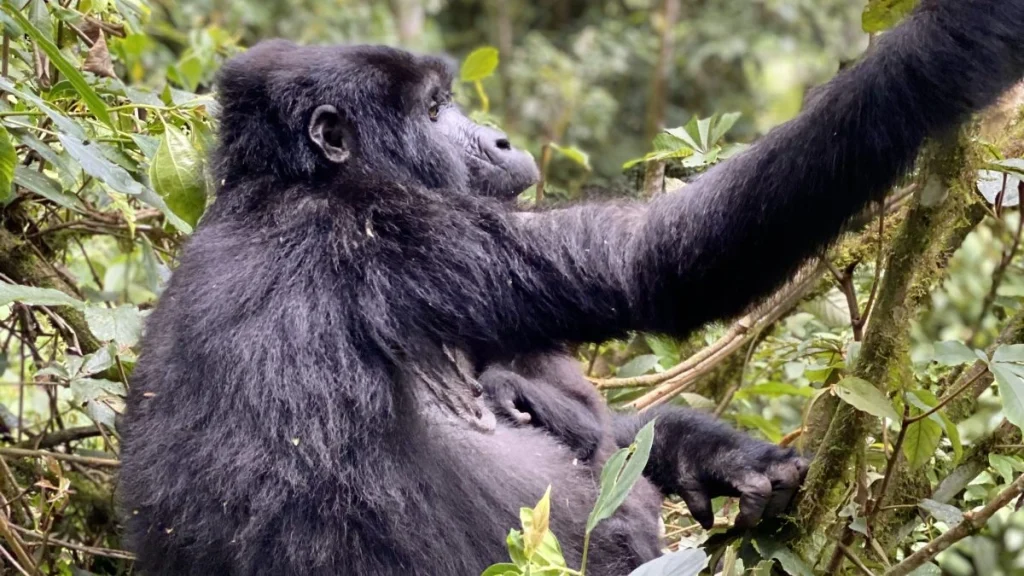
Booking a Gorilla Habituation Safari in Uganda. There is regular gorilla trekking — and then there is the Gorilla Habituation Experience. If you have ever wanted to go beyond one hour in the forest and spend an entire half-day walking alongside a semi-wild gorilla family as researchers gently earn their trust, this is your safari. Uganda is the only country in the world where this experience exists, and booking it correctly makes all the difference between a missed opportunity and the most profound wildlife encounter of your life.
What Is the Gorilla Habituation Experience?
Most visitors to Uganda’s gorilla safaris spend one hour with a fully habituated gorilla family — a profoundly moving experience, but one that passes in what feels like minutes. The Gorilla Habituation Experience (GHE) is fundamentally different. You join the research and ranger team that is in the process of slowly accustoming a semi-wild gorilla family to human presence, a process that can take two to three years before a group is considered fully habituated and opened to standard tourism.
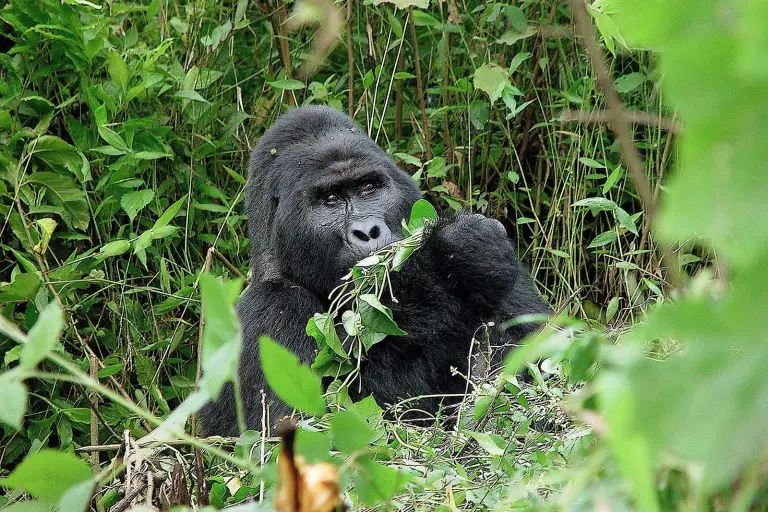
Because you are part of the habituation process itself, you are permitted to spend up to four hours with the gorilla family — four times longer than a standard trek. You watch them wake, forage, interact, nurse their young, and establish hierarchy, all without the pressure of a countdown. It is the most intimate wildlife encounter available anywhere in East Africa, and it is exclusive to two sectors of Bwindi Impenetrable National Park: Rushaga and Nkuringo.
Only four permits are issued per habituation group per day, compared to eight for standard trekking. That exclusivity is part of what makes it so remarkable.
Why Uganda Is the Only Place to Have This Experience
Uganda is home to more than half of the world’s approximately 1,064 remaining mountain gorillas. The Uganda Wildlife Authority (UWA) — the government body that manages all national parks and issues every gorilla permit — has built one of the most successful gorilla conservation programmes on the planet. Since 2005, Bwindi’s mountain gorilla population has grown from 302 individuals to over 459, a result of sustained conservation funding, strong community partnerships, and decades of responsible tourism.
Bwindi Impenetrable National Park, where all habituation experiences take place, is a UNESCO World Heritage Site and one of Africa’s most biologically rich ecosystems. Its ancient rainforest has remained largely undisturbed for 25,000 years, sheltering not only gorillas but over 350 bird species, 120 mammal species, and more than 1,000 plant species.
Uganda’s standard gorilla permit costs $800 per person. The Gorilla Habituation permit costs $1,500 — the same price as a standard trek in Rwanda — but delivers four hours of immersive contact with a semi-wild family rather than one hour with a fully habituated group. For serious wildlife travellers, it is extraordinary value. You can read more about what to expect across different gorilla trekking destinations on our Uganda safaris page.
A meaningful portion of every permit fee goes directly to communities living adjacent to the national parks, funding schools, healthcare facilities, and local employment. Booking a gorilla habituation experience is not just a personal adventure — it is a direct contribution to the survival of the species.
How to Book Your Gorilla Habituation Permit
All gorilla habituation permits are issued by the Uganda Wildlife Authority. International travellers, however, are strongly advised to book through a licensed Ugandan tour operator, both to guarantee permit security and to benefit from the on-the-ground logistical support that turns a complex multi-day journey into a seamless safari. You can begin the process on our Uganda safari bookings page.
Here is how it works when you book with Kenlink Tours. First, you share your preferred travel dates, group size, and sector preference — Rushaga or Nkuringo — with our reservations team. We check real-time permit availability with UWA and confirm open slots. A deposit then secures your permit, which we purchase directly from the UWA on your behalf; you receive a scanned copy of the official receipt as confirmation. From there, we build your full itinerary around the habituation date, including transfers from Kampala or Entebbe, accommodation near the park, and any additional activities you want to include.
Because only four permits are issued per habituation group per day, availability is extremely tight year-round. We recommend beginning the booking process at least six to nine months before your travel date, and up to a full year ahead if you plan to travel during peak season — June through September, or December through February.
The permit cost of $1,500 per person covers park entry for your trekking day, the services of your professional UWA ranger guide, the presence of armed park rangers throughout the trek for your security, and your official gorilla trekking certificate. Transportation, accommodation, meals, and porter fees are arranged separately as part of your overall tour package.
What to Expect on the Day
The experience begins before dawn. You will be at the Rushaga or Nkuringo park headquarters by 7:00 am for a pre-trek briefing from your UWA ranger guide. The briefing covers the current status of the habituation group, the rules governing your presence in the forest — maintain seven metres from the gorillas unless they approach, avoid flash photography, wear a mask if you feel unwell, keep voices low — and what you can realistically expect to see.
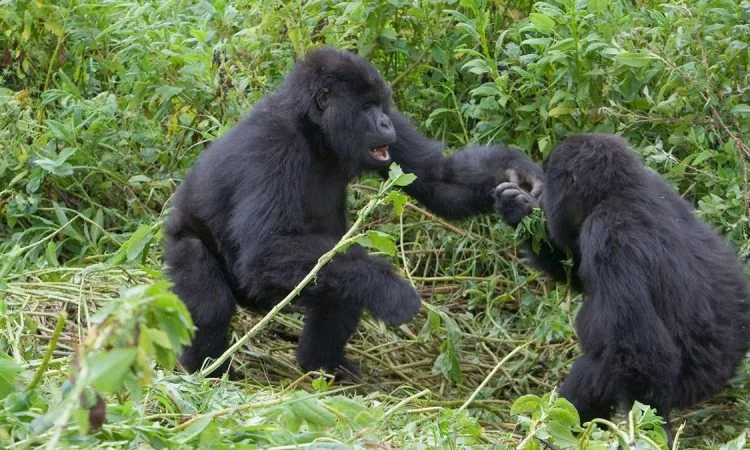
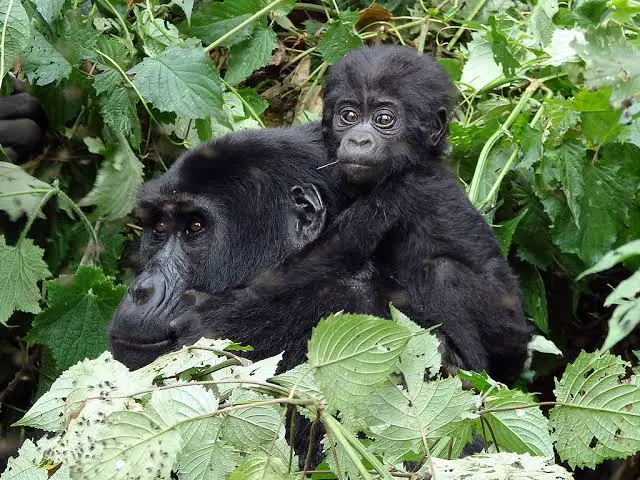
Then you set off into Bwindi’s layered interior. Unlike standard trekking, where the goal is to locate the family, reach them, and maximise your one-hour window, the habituation experience moves with the gorillas through their natural morning and midday routine. You may find them resting after an early feeding session, or arrive just as a silverback is gathering the family to move to a new foraging site. Juveniles tumble and wrestle in the undergrowth. Mothers nurse infants born only weeks before. Researchers make quiet notes. Rangers communicate in low voices with trackers who have been following the group since first light.
The terrain inside Bwindi is demanding — steep, sometimes slippery, always spectacular. Porters are available for hire at the trailhead and are warmly recommended regardless of your fitness level. Hiring a local porter provides direct employment income to community members who are among the gorillas’ most important protectors. For those planning to drive themselves to the park, our self-drive gorilla safari guide covers the best routes from Kampala, vehicle requirements, and what to expect on the roads leading into the southern sectors of Bwindi.
Pack sturdy waterproof hiking boots, long-sleeved clothing to protect against safari ants and nettles, a lightweight rain jacket, garden gloves for gripping vines and roots, insect repellent, at least two litres of water, and snacks for the full morning. Bring your best camera and a lens suited for low forest light — but remember to put it down occasionally. The gorillas are close enough that you will want to simply look.
Gorilla Habituation vs. Standard Gorilla Trekking
Standard gorilla trekking is available across all four of Bwindi’s sectors — Buhoma, Ruhija, Rushaga, and Nkuringo — as well as at Mgahinga Gorilla National Park in the far southwest of Uganda. Groups of up to eight visitors follow a ranger guide through the forest until the family is located, at which point a one-hour timer begins. It is deeply moving, beautifully managed, and for many travellers — particularly those with limited time or physical constraints — it is the right choice.
The habituation experience is for those who want to go deeper. The group is smaller (maximum four people), the duration is dramatically longer (up to four hours), and the gorillas themselves are less predictable — because they are still in the process of learning that humans are not a threat, their reactions are less rehearsed and more instinctive. You are witnessing wild behaviour, not habituated behaviour. That distinction is everything.
If you are weighing both options, our article on what it’s really like to trek gorillas in Uganda gives an honest, experiential account of both types of encounter to help you decide.
The Best Time to Book a Gorilla Habituation Safari
Gorilla habituation experiences run year-round, but the two seasons offer genuinely different journeys. The dry seasons — June through September and December through February — bring firmer, less slippery trails, clearer skies, and the most comfortable trekking conditions. These are also Bwindi’s busiest months, which means permits must be locked in many months ahead and accommodation near Rushaga and Nkuringo can fill up quickly.
The green seasons — March through May and October through November — bring heavier rainfall and muddier trails, but they also bring extraordinary atmosphere. The forest is impossibly lush during these months, gorillas frequently descend to lower elevations to forage on fresh bamboo shoots (sometimes resulting in shorter treks), visitor numbers are lower, and the quality of light for photography inside the forest can be spectacular. For a full breakdown of Uganda’s seasons and how they affect everything from gorilla trekking to game drives and birdwatching, visit our About Uganda page.
Building the Rest of Your Uganda Itinerary
The gorilla habituation experience is most powerful when it forms part of a broader Uganda adventure. A well-paced ten-to-twelve day itinerary might open with two nights at Lake Mburo National Park for a gentle introduction to savannah wildlife and boat cruises, continue to Kibale Forest National Park for chimpanzee tracking — Uganda is home to over 20 primate species and is widely regarded as the primate capital of the world — and then settle into three nights near Rushaga or Nkuringo for the habituation experience and a recovery day. Finishing the safari with two nights in Queen Elizabeth National Park for boat cruises on the Kazinga Channel and game drives in search of the park’s famous tree-climbing lions gives a perfect contrast of ecosystems across one remarkably compact country.
Our full guide to Big Five and Primate Safaris in Uganda shows how seamlessly these experiences combine into a single itinerary. For those wanting the highest levels of comfort and service, our Uganda Luxury Gorilla Safari packages pair habituation permits with properties like Clouds Mountain Gorilla Lodge and Bwindi Lodge — both within walking distance of the park gates and offering stunning forest views, gourmet dining, and personalised ranger services.
Ready to Book Your Gorilla Habituation Experience?
The Gorilla Habituation Experience is one of the most exclusive wildlife encounters in Africa. With only four permits available per day and demand consistently outpacing supply in peak months, the most important piece of advice is straightforward: start the booking process early.
At Kenlink Tours, we handle every step — permit procurement directly through the Uganda Wildlife Authority, accommodation from budget lodges to luxury eco-retreats, ground transfers, and experienced guide expertise on the ground. Our team is available 24 hours a day, seven days a week to answer questions and begin building your personalised itinerary. When you step into Bwindi’s ancient forest on the morning of your habituation trek, the only thing on your mind should be the extraordinary gorilla family that is waiting to be discovered.
Start planning your Uganda gorilla habituation safari with Kenlink Tours →