- EXPERT'S HELP
- +256789210067
- +256200955001
- info@kenlinktours.com


Kigali City Tour Before Gorilla Trek
August 12, 2026
Honeymoon Gorilla Safari from Kigali
August 13, 2026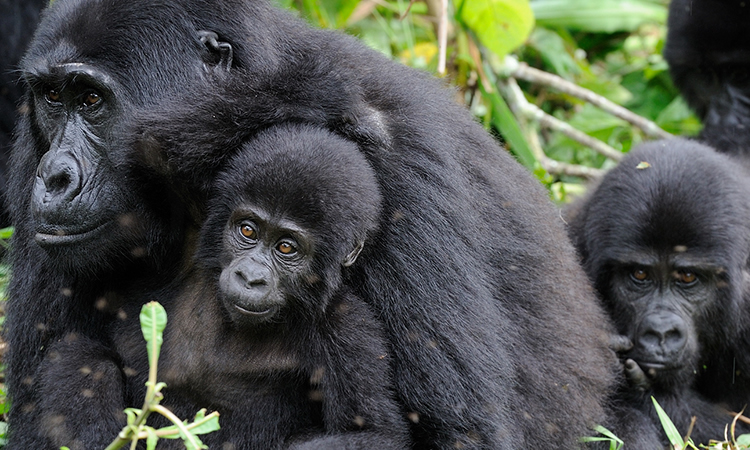
Bwindi Gorilla Trek from Kigali with Accommodation. For travelers landing in Rwanda, Kigali International Airport has quietly become one of the most convenient gateways in East Africa for tracking mountain gorillas — even though the world’s largest population of these gentle giants lives just across the border in Uganda’s Bwindi Impenetrable National Park. A well-planned Bwindi gorilla trek from Kigali lets you combine Rwanda’s polished capital with Uganda’s wilder, more affordable, and arguably more dramatic gorilla trekking experience, all in a single seamless itinerary. At Kenlink Tours, we design these cross-border safaris every week, and this guide walks you through everything: distances, border posts, 2026 permit prices, sample itineraries, trekking-day etiquette, packing essentials, and — importantly — where to sleep once the trek is done.
Why Start Your Gorilla Safari in Kigali
Kigali is one of Africa’s best-connected and safest capital cities, with frequent direct flights from Europe, the Middle East, and increasingly North America. Many travelers assume that flying into Kigali locks them into Rwanda’s Volcanoes National Park for gorilla trekking, but that isn’t the case. Bwindi is only a few hours’ drive from the Rwandan border, and Uganda’s permits are considerably cheaper than Rwanda’s, without any compromise on the quality of the encounter. A trip starting from Rwanda into Uganda is one of the most popular routings we arrange, because it gives guests the best of both countries — Kigali’s genocide memorial and café culture on one end, Bwindi’s misty forest on the other — without the cost of a separate international flight. If you’d rather stay entirely within Rwanda, we also run dedicated Rwanda gorilla safaris to Volcanoes National Park, and our partners at Pick and Transfer Safaris offer similar short Volcanoes treks for anyone comparing both options side by side.
Bwindi Impenetrable National Park at a Glance
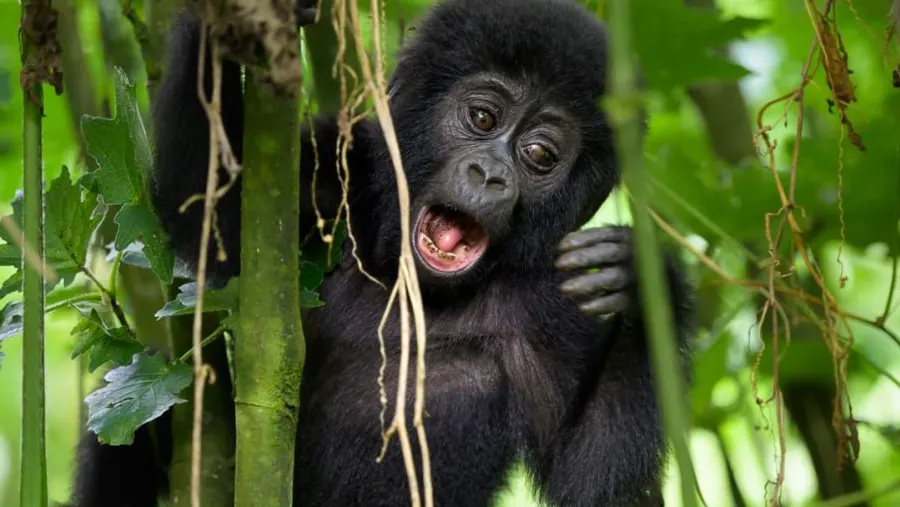
Bwindi Impenetrable National Park is a UNESCO World Heritage Site tucked into the hills of southwestern Uganda, home to roughly half of the world’s remaining mountain gorillas. The park is split into four trekking sectors — Buhoma, Ruhija, Rushaga, and Nkuringo — each with its own habituated gorilla families, trailheads, and nearby lodges. Unlike open savannah parks, Bwindi’s terrain is thick montane rainforest with steep, muddy trails, which is exactly why it earned the “impenetrable” name. For a broader look at the ecosystem, terrain, and wildlife beyond gorillas, our Uganda destination overview is a useful starting point, and the independent park profile from Pick and Transfer Safaris’ Bwindi destination page adds further detail on the park’s four sectors.
How Far Is Bwindi From Kigali? Distance and Routes
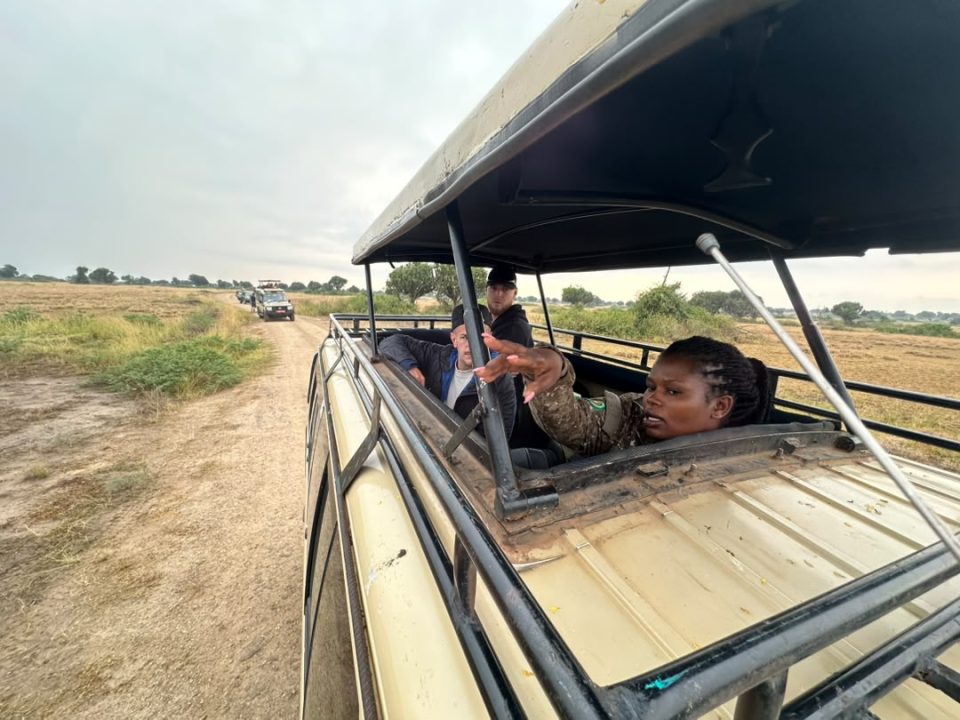
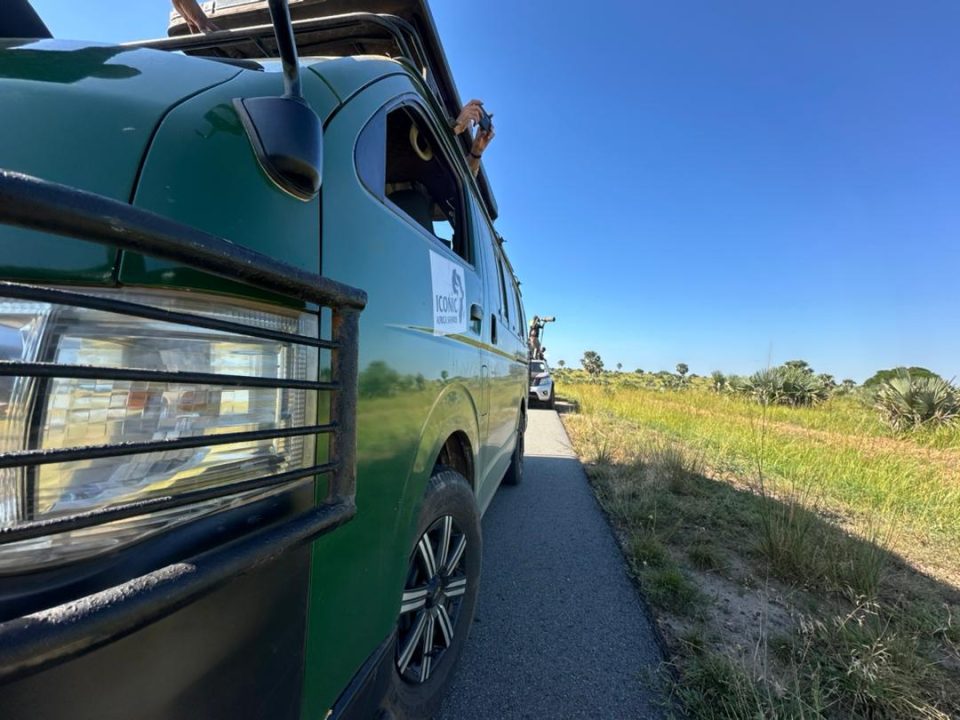
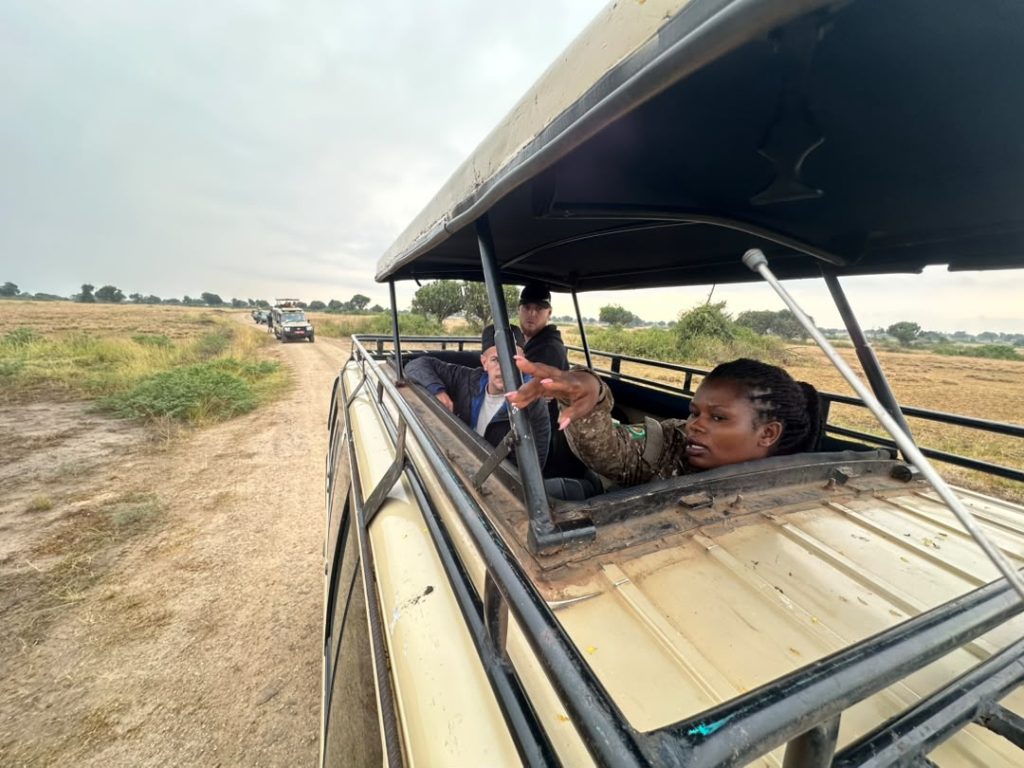
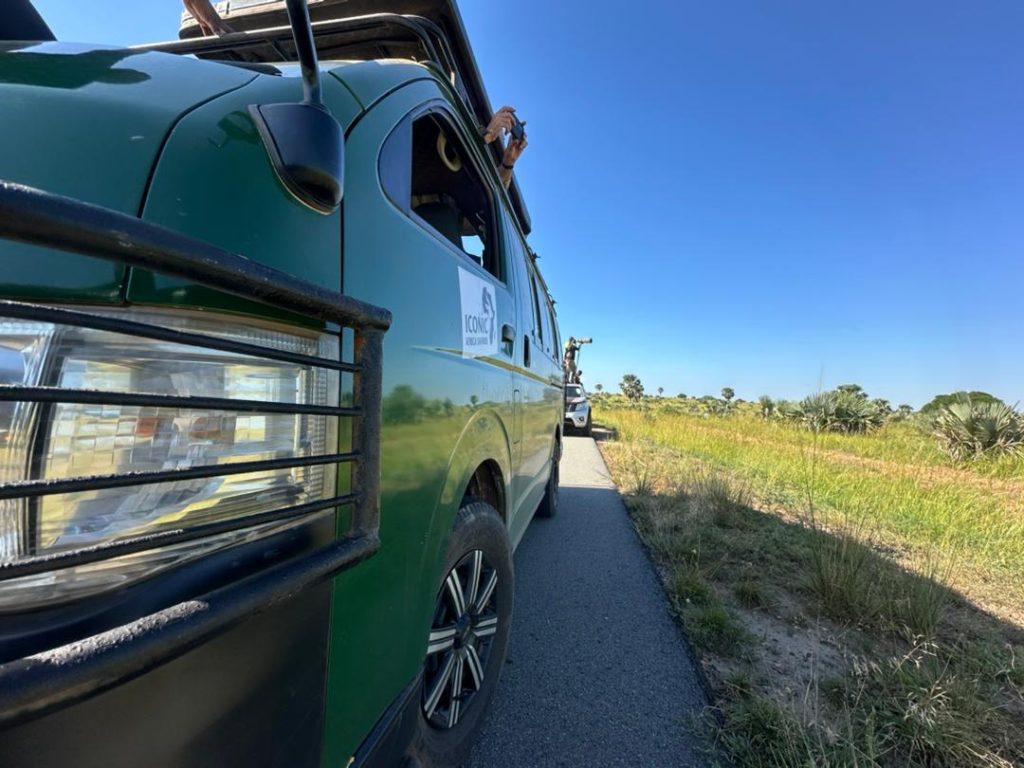
This is the question we field most from Kigali-based travelers. The honest answer: Bwindi is close enough for a comfortable overland transfer, but far enough that you should budget most of a travel day for it. We’ve broken the full distance and drive-time math down on our own page, How Far Is Bwindi Impenetrable National Park from Kigali?, but in short, expect a 5 to 8 hour journey depending on which border post and which Bwindi sector you’re headed to. Most itineraries break this drive into a scenic road trip through Rwanda’s terraced hillsides, crossing into Uganda, and continuing on to the lodge in time for a late lunch or early dinner. Because the roads wind through hilly terrain, we always recommend a private 4×4 transfer with an experienced driver-guide rather than attempting the crossing independently, and our car hire and private transfer service handles this exact route regularly.
Choosing Your Border Crossing: Gatuna/Katuna vs Cyanika
There are two realistic border options for a Kigali-to-Bwindi trek. The Gatuna/Katuna crossing, roughly two hours from Kigali, generally offers the shortest overall journey, especially if your gorilla permit is booked for the Ruhija or Rushaga sectors. The Cyanika/Kyanika crossing, a little further from Kigali at around three hours, is often preferred if you’re combining your trip with Rwanda’s Volcanoes National Park first, since it sits closer to Musanze. Both borders are well-used, generally efficient for tourists with visas or East African Tourist Visas sorted in advance, and both feed into good tarmac and murram roads on the Uganda side. For a step-by-step breakdown of paperwork, opening hours, and what to expect at immigration, see our guide on starting a trip from Rwanda to Uganda. If you’re routing through Volcanoes first, Pick and Transfer Safaris’ Volcanoes National Park destination guide and their Kigali city guide are both useful for understanding the Rwandan side of the journey before you cross.
Gorilla Permit Prices and Booking Rules for 2026
Uganda Wildlife Authority permits are the single biggest line item in your budget, and prices are tiered by season and residency status. As of 2026, foreign non-resident permits run around USD 800 in high season and drop to roughly USD 600 during the low season months of April, May, and November. Foreign residents pay slightly less, and East African citizens pay a heavily discounted local rate. A limited number of Gorilla Habituation Experience permits — which allow up to four hours with a gorilla family still being acclimatized to humans, rather than the standard one hour — are also available in the Rushaga sector at a premium price. Note that Uganda tightened its booking rules in 2026: permits must now be paid for in full at the time of reservation rather than held with a deposit, so early planning matters more than ever. Because permits sell out months ahead during July, August, and December, we strongly encourage booking through our Uganda safari cost and planning guide at least four to six months in advance. For the fine print on group size, minimum age, and the mandatory viewing distance, our detailed gorilla trekking rules and regulations page covers everything the Uganda Wildlife Authority requires.
Best Time of Year to Trek Gorillas from Kigali
Bwindi can technically be visited year-round because gorilla trekking happens under forest canopy regardless of rain, but timing still affects your comfort and your wallet. The two dry seasons — roughly June to September and December to February — offer firmer trails and easier hiking, and they coincide with Uganda’s high-season permit pricing. The shoulder months of March, April, May, and November bring more rain and slipperier terrain, but also discounted permits and thinner crowds at the trailhead, which many photographers and budget-conscious travelers actually prefer. Whichever season you choose, pack for rain regardless, since Bwindi’s rainforest microclimate can produce a shower even in the “dry” months. If you’re weighing Uganda’s seasonality against Rwanda’s, Pick and Transfer Safaris’ gorilla safari overview offers a helpful comparison of trekking conditions on both sides of the border.
Sample Itinerary: 2-Day Gorilla Trek from Kigali
For travelers on a tight schedule, a compact two-day loop is entirely feasible. Day one begins with an early departure from your Kigali hotel, a scenic drive to the border, and an afternoon arrival at your Bwindi lodge in time to rest and prepare for the next morning’s briefing. Day two starts with a 7 a.m. ranger briefing, the trek itself (anywhere from two to seven hours depending on where the gorilla family is that day), a full hour with the gorillas, and then the return drive back to Kigali, arriving by early evening. Our own 2-Day Rwanda to Uganda Gorilla Trekking Safari is built exactly around this format and remains one of our most-booked short itineraries. If you’d like to compare a similarly paced option, Pick and Transfer Safaris runs a comparable 2-Day Uganda Gorilla Tour starting from Kigali, and for those with only a single day to spare, their One Day Uganda Gorilla Safari from Kigali shows just how tightly this can be compressed, though we generally recommend at least two days to avoid an exhausting single-day round trip.
Sample Itinerary: 5-Day Gorilla and Wildlife Safari from Kigali
Travelers with more time on hand get considerably more value out of a longer combined itinerary. A five-day route typically pairs your Bwindi gorilla trek with Queen Elizabeth National Park for game drives and boat cruises, or with Uganda’s chimpanzee tracking in Kyambura Gorge, before looping back through Rwanda. Our 5-Day Gorilla Trekking Safari from Kigali to Uganda is built for exactly this kind of pacing, giving you a buffer day in case of unpredictable trekking conditions and time to actually enjoy your lodge rather than rushing between transfers. Guests wanting to extend even further sometimes combine this with our 10-Day Gorilla Trekking and Great Migration Safari. If chimpanzee tracking on the Rwandan side interests you more, Pick and Transfer Safaris’ 5-Day Uganda Gorilla and Chimps Safari from Rwanda is a solid point of comparison for pacing and cost.
What Happens on Trekking Day: Rules and Etiquette
Trekking day starts early. Guests gather at a park headquarters around 7 a.m. for a briefing from Uganda Wildlife Authority rangers, who assign trekkers to specific gorilla families based on fitness level and the family’s last known location. Groups are capped at eight visitors per gorilla family, and porters are available (and genuinely worth hiring) to help with the sometimes steep, muddy terrain. Once your group locates the gorillas, you’re required to keep a minimum distance — recently increased to around ten meters — speak quietly, avoid flash photography, and wear a mask during the encounter to protect the gorillas from human respiratory illness, since they share roughly 98% of our DNA and are susceptible to our diseases. You get one hour with the family before rangers usher you back out. Full details, including what happens if you’re not physically fit enough for a strenuous trek, are covered in our gorilla trekking rules and regulations guide. For anyone wanting to capture the moment properly, our free gorilla photography checklist is worth downloading before you go.
What to Pack for Your Bwindi Gorilla Trek
Bwindi’s nickname is well earned, and the right gear makes the difference between an enjoyable hike and a miserable one. At minimum, pack sturdy waterproof hiking boots, gardening gloves for grabbing vines and branches, a light rain jacket, long trousers tucked into socks to guard against safari ants, and a daypack with water and snacks. Binoculars and a camera with a versatile zoom lens are essential, as is insect repellent and sun protection, since the forest canopy shifts quickly between shade and open patches. We’ve compiled a full breakdown, including gear differences between Uganda, Rwanda, and Congo treks, in our guide on what to pack for gorilla trekking. It’s worth reading a few days before departure so you have time to pick up anything missing from your kit.
Budgeting for Your Trip: What a Bwindi Trek from Kigali Really Costs
Beyond the permit itself, a realistic budget should account for cross-border ground transport, park entrance fees, a porter tip (usually around USD 15 to 20 per person, and genuinely worth every cent), and accommodation, which varies enormously by tier. A no-frills two-day trip built around budget lodging can come in well under USD 1,200 per person excluding international flights, while a five-day itinerary layering in luxury lodges, a private vehicle, and a second national park can climb past USD 3,500 per person. The single biggest lever on price is your accommodation choice, followed closely by whether you travel in high or low permit season. We break down typical cost ranges by itinerary length and comfort level in our Uganda safari cost guide, which is a useful reference before you commit to a specific route or lodge tier.
Where to Stay in Bwindi: Accommodation Options
Accommodation is where a Bwindi gorilla trek from Kigali really comes together, because your lodge choice shapes both comfort and how early you need to wake up before the trek. Bwindi’s four sectors each have their own cluster of properties, ranging from tented eco-camps to five-star lodges with forest-view infinity pools. Our dedicated overview of accommodations in Bwindi Impenetrable National Park breaks down every sector and price bracket in detail, but here’s a quick summary of the three main tiers.
Luxury Lodges in Bwindi
For travelers who want a five-star finish to their trekking day, Bwindi’s luxury lodges deliver genuinely spectacular settings — think glass-walled suites overlooking the forest canopy, private plunge pools, and candlelit dinners after a long day on the trail. Our Uganda luxury safaris and gorilla tours page curates the best of these properties across all four sectors. One property we book often for its location and design is Ichumbi Gorilla Lodge in the Rushaga sector, which pairs boutique-style rooms with some of the shortest drive times to the trailhead.
Mid-Range Lodges in Bwindi
The mid-range category is where most of our guests land — comfortable en-suite cottages or tented rooms, solid food, hot showers after the trek, and good value without the five-star price tag. Our Uganda safari lodges directory lists vetted options across every park, including several strong mid-range choices in Buhoma and Ruhija sectors that we return to year after year for their reliability and warm hospitality.
Budget and Eco-Friendly Lodges in Bwindi
Bwindi also has excellent options for travelers watching their budget without wanting to sacrifice comfort entirely. Community-run and eco-conscious properties like Bakiga Lodge, which reinvests directly into the local Bakiga community, are a great example of budget travel done responsibly. For a fuller rundown of the most affordable places to sleep near the park, see our guide to the most budget lodges in Bwindi National Park.
Combining Gorillas With Other Experiences
A Bwindi gorilla trek from Kigali rarely needs to stand alone. Many of our guests extend the trip with Rwanda’s Nyungwe Forest for chimpanzee tracking and canopy walks — covered in our 3-Day Nyungwe Forest National Park tour — before or after their Uganda leg. Couples frequently ask us to build gorilla trekking into a honeymoon itinerary, and our best honeymoon holidays in Uganda guide shows how well a forest lodge stay pairs with a savannah finale. On the Rwandan side, Pick and Transfer Safaris’ 3-Day Rwanda Gorilla Tracking and Cultural Tour is worth a look if you want a cultural village visit woven into your Volcanoes leg, and their 3-Day Akagera National Park safari from Kigali is a good add-on for travelers who want classic big-game viewing alongside their primate trekking. Travelers curious about Uganda’s other gorilla sector, Mgahinga, can also see Pick and Transfer Safaris’ Mgahinga Gorilla National Park guide for a lesser-visited alternative closer to the Cyanika border.
Conservation and Community: Why Your Trek Matters
Every gorilla permit fee funds a broader conservation ecosystem that has helped mountain gorillas become one of the only great ape populations in the world with a growing headcount rather than a shrinking one. A portion of permit revenue supports anti-poaching patrols, veterinary monitoring, and revenue-sharing programs with communities living along the park boundary, which gives local families a direct economic stake in keeping the forest and its gorillas alive. Organizations like the Dian Fossey Gorilla Fund have played a foundational role in this recovery since the 1960s, and choosing community-linked lodges such as Bakiga Lodge extends that impact even further into the villages bordering Bwindi.
Booking Your Bwindi Gorilla Trek With Kenlink Tours
Planning a cross-border trip involves more moving parts than a single-country safari — permits, transfers, border logistics, and lodge bookings all need to line up on the same calendar. That’s exactly the coordination we specialize in. Our team has run this Kigali-to-Bwindi routing for years, and we handle everything from permit reservations to private 4×4 transfers and lodge bookings across every budget tier. Learn more about our approach on our about us page, browse our full range of Uganda safari packages, or reach out directly through our contact page to start building your itinerary. If you’re arranging ground transport or airport pickups on the Rwandan side of your trip, our colleagues at Pick and Transfer Safaris are a reliable resource for Kigali-based transfers, and their about us page gives a good sense of their local operation.
Frequently Asked Questions
Do I need a visa for both Rwanda and Uganda? Yes, unless you hold an East African Tourist Visa, which covers Rwanda, Uganda, and Kenya on a single entry and is usually the most convenient option for this route.
Is it cheaper to trek gorillas from the Uganda side than the Rwanda side? Yes. Uganda’s non-resident permits are roughly half the price of Rwanda’s, which is the main reason so many Kigali-based travelers cross into Bwindi rather than trekking Volcanoes National Park exclusively.
How fit do I need to be for a Bwindi gorilla trek? Reasonable fitness helps, but porters and flexible ranger assignments make the trek achievable for most healthy adults. Our trekking rules guide covers fitness considerations and porter hire in more detail.
Can children trek with gorillas? The minimum age for gorilla trekking permits is 15, in line with Uganda Wildlife Authority policy.
How far in advance should I book? We recommend booking permits four to six months ahead for the June-to-September and December-to-February high seasons, since availability is limited and Uganda now requires full payment at the time of booking.
Final Thoughts on Your Bwindi Gorilla Trek from Kigali
A Bwindi gorilla trek from Kigali gives you a genuinely rare combination: the ease of flying into one of Africa’s most efficient capitals, the affordability of Uganda’s permit system, and an hour spent within arm’s reach of a mountain gorilla family in one of the world’s most biodiverse forests. Whether you choose the fast two-day loop or a longer five-day safari layering in wildlife, chimpanzees, or a honeymoon finale, the logistics are entirely manageable with the right local team behind you. Get in touch with Kenlink Tours today, and let us build a Kigali-to-Bwindi itinerary — permits, transfers, and accommodation included — around exactly the trip you have in mind.