- EXPERT'S HELP
- +256789210067
- +256200955001
- info@kenlinktours.com


Gorilla trekking with kids: age limits and family tips
May 14, 2026
Nyungwe Forest chimp tracking in Rwanda
May 14, 2026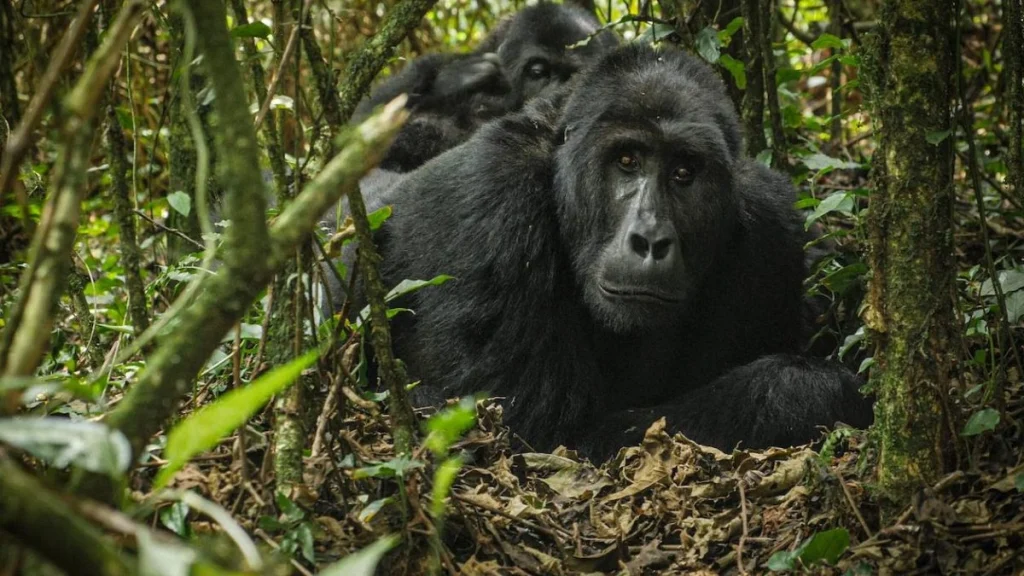
Can you do gorilla trekking if you’re over 60? Dreaming of coming face to face with a wild mountain gorilla in the misty forests of Uganda or Rwanda — but wondering if age is a barrier? The great news is: absolutely not. Gorilla trekking is one of Africa’s most accessible wilderness experiences for older travellers, and thousands of people over 60 do it every single year. With the right preparation, the right tour operator, and the right mindset, this can be the most extraordinary adventure of your life.
In this guide, we answer the most common questions older travellers ask, and share practical tips to make your gorilla trek comfortable, safe, and deeply rewarding.
Is There an Age Limit for Gorilla Trekking?
There is a minimum age limit of 15 years for gorilla trekking, set by both the Uganda Wildlife Authority and Rwanda’s tourism regulatory body. However, there is no maximum age limit. People in their 60s, 70s, and even 80s have successfully completed gorilla treks and described the experience as life-changing.
What matters far more than your birth year is your general health and fitness level. If you can walk on uneven terrain for a few hours — with rest breaks — you are a strong candidate for gorilla trekking. Our team at Kenlink Tours has helped hundreds of older travellers plan and complete this bucket-list experience with full confidence.
What to Realistically Expect on the Trek
It’s important to go in with honest expectations. Gorilla trekking is not a walk in the park — but it is also not a mountain climb. Here is what the experience typically involves:
Duration: Treks can last anywhere from 30 minutes to 6 hours, depending on where the gorilla family has moved that morning. The average trek takes 2–4 hours of walking through forest trails.
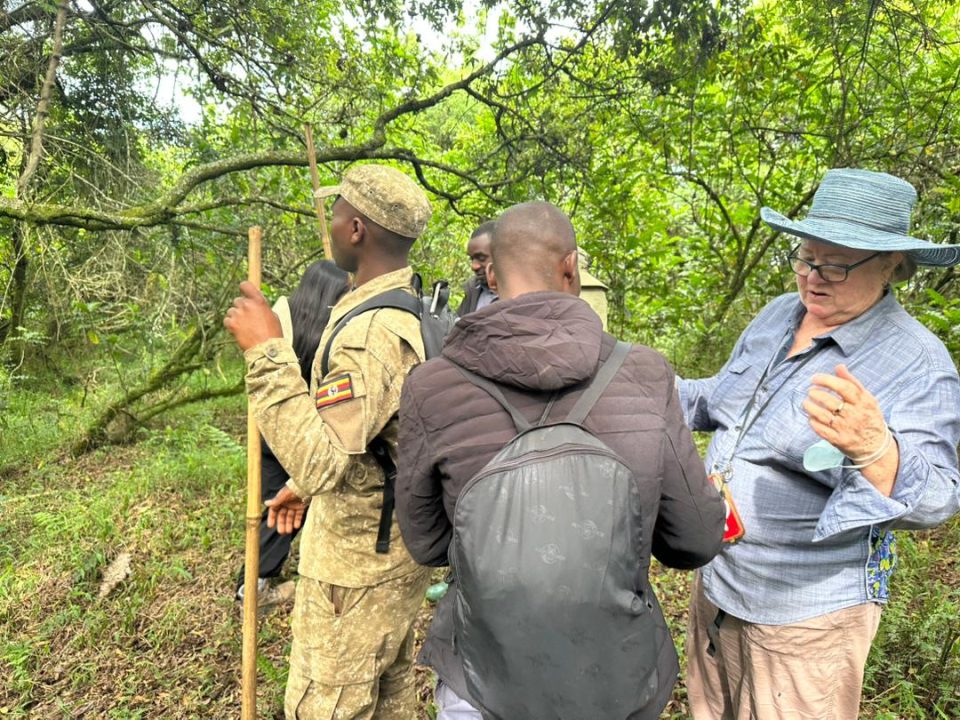
Terrain: Trails can be muddy, steep, and uneven, particularly in Bwindi Impenetrable Forest in Uganda and Volcanoes National Park in Rwanda. Vegetation is dense, and you may need to push through undergrowth.
Altitude: Both trekking destinations sit at high elevations — Bwindi is between 1,160m and 2,607m above sea level, and Volcanoes National Park reaches over 3,000m. Altitude can cause mild shortness of breath, especially for those not acclimatised.
The reward: Once you find the gorilla family, you spend a magical, strictly protected one hour with them in the wild. Rangers ensure safety throughout, and the moment you lock eyes with a silverback, every step of the journey becomes completely worth it.
Choosing the Right Group & Gorilla Family
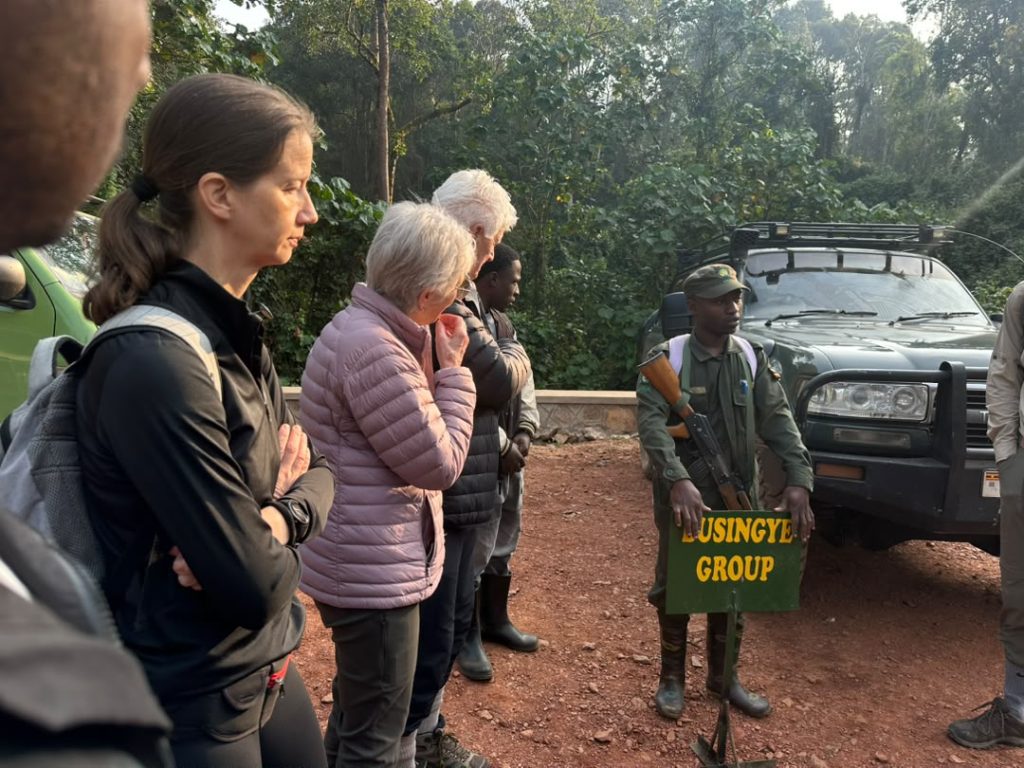
Not all treks are created equal. When booking through Kenlink Tours, we always discuss your fitness level and personal preferences before assigning you to a gorilla group. Some gorilla families have been habituated closer to the forest edge, meaning shorter, easier treks. We specifically recommend these for older or less mobile travellers.
In Rwanda’s Volcanoes National Park, the Agashya and Susa groups are among those with varying trail difficulties. The Rwanda Development Board manages the allocation of trekking permits and works to ensure every visitor has a safe, positive experience. In Uganda, the Uganda Wildlife Authority oversees permit allocation across the gorilla sectors in Bwindi.
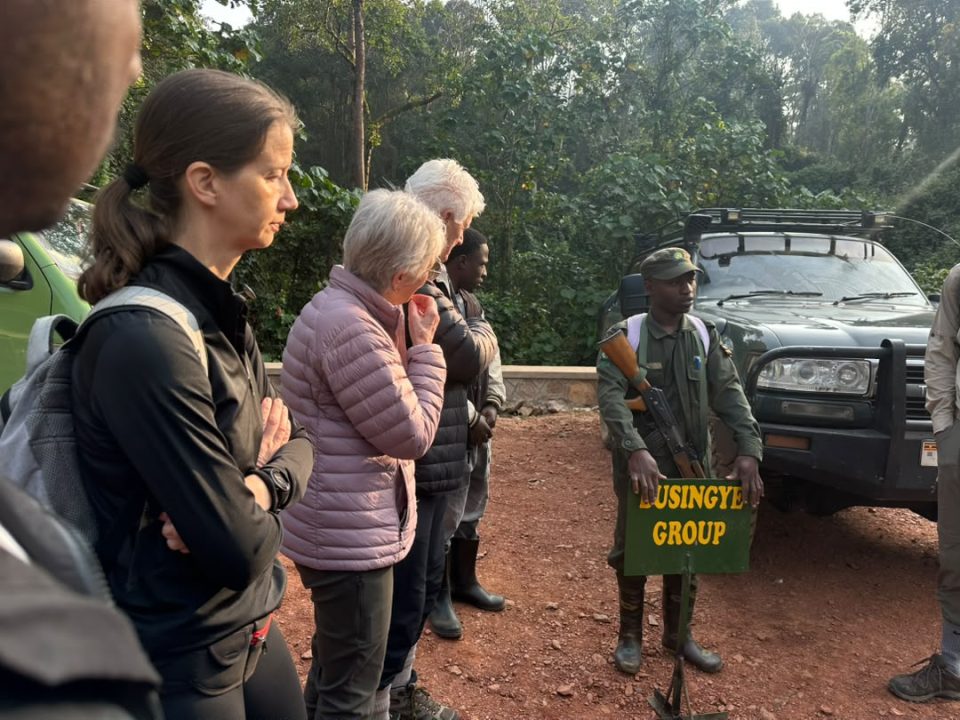
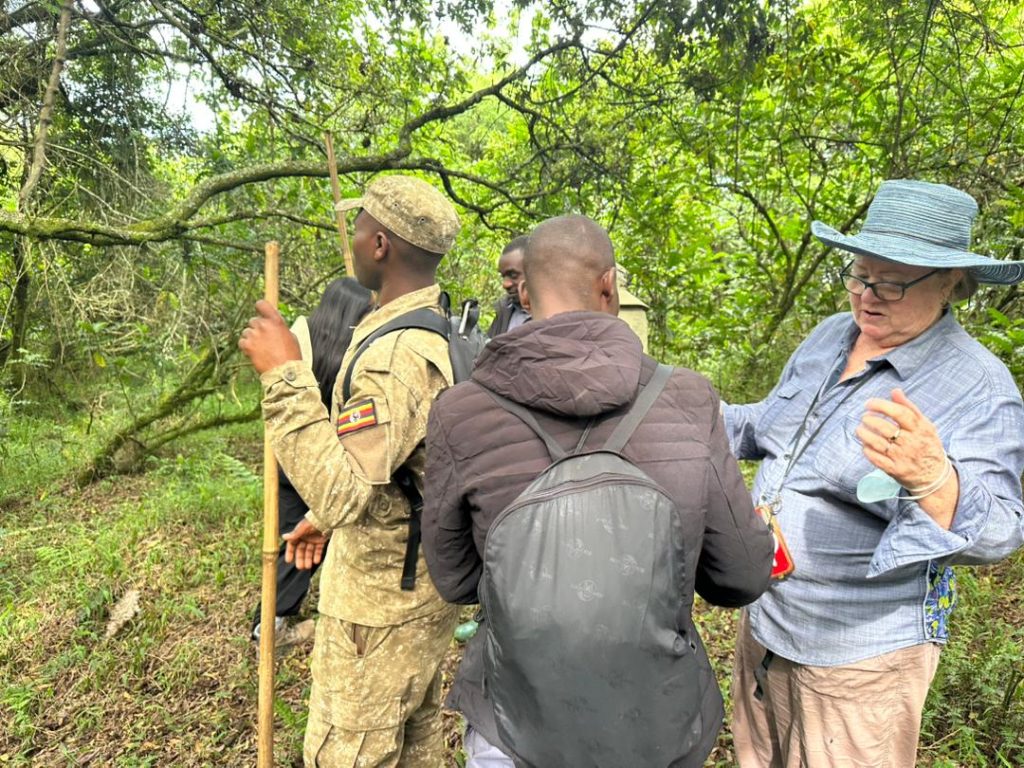
Tell your tour operator — and your ranger guide on the day — about any physical limitations. They will tailor the pace to your needs and will never leave you behind.
Practical Tips for Older Travellers
1. Hire a Porter — It Is Non-Negotiable
Local porters are available to hire at the trailhead, typically for a modest fee (around $15–20 USD). They carry your bag, help stabilise you on slippery slopes, and physically support you through difficult sections. Many older travellers say their porter was the single best decision they made on the trek. Always hire one.
2. Use a Walking Stick or Trekking Poles
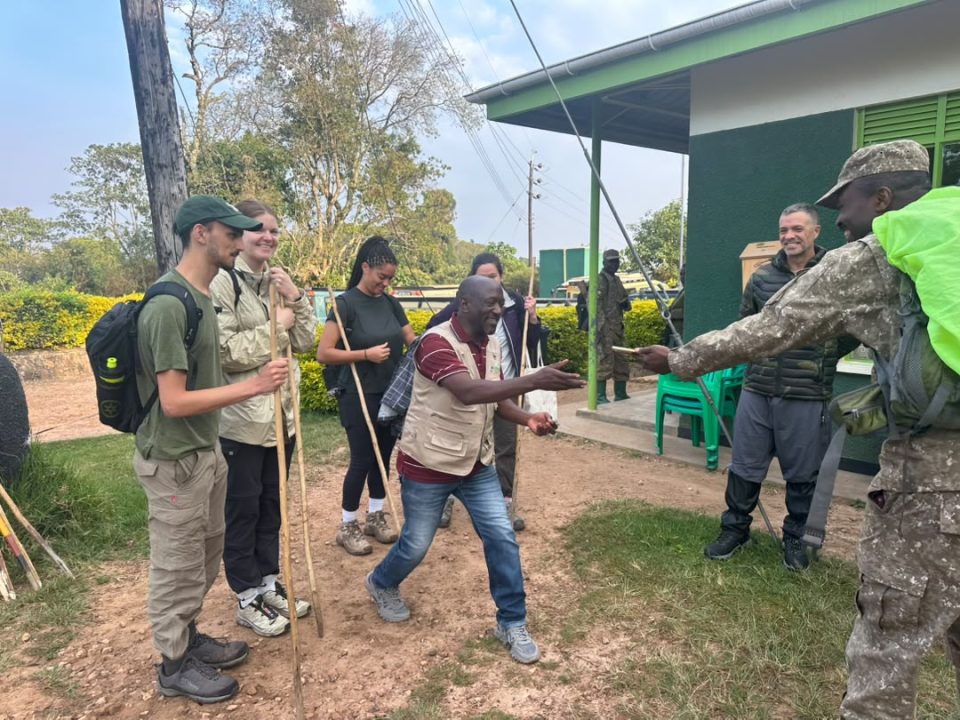
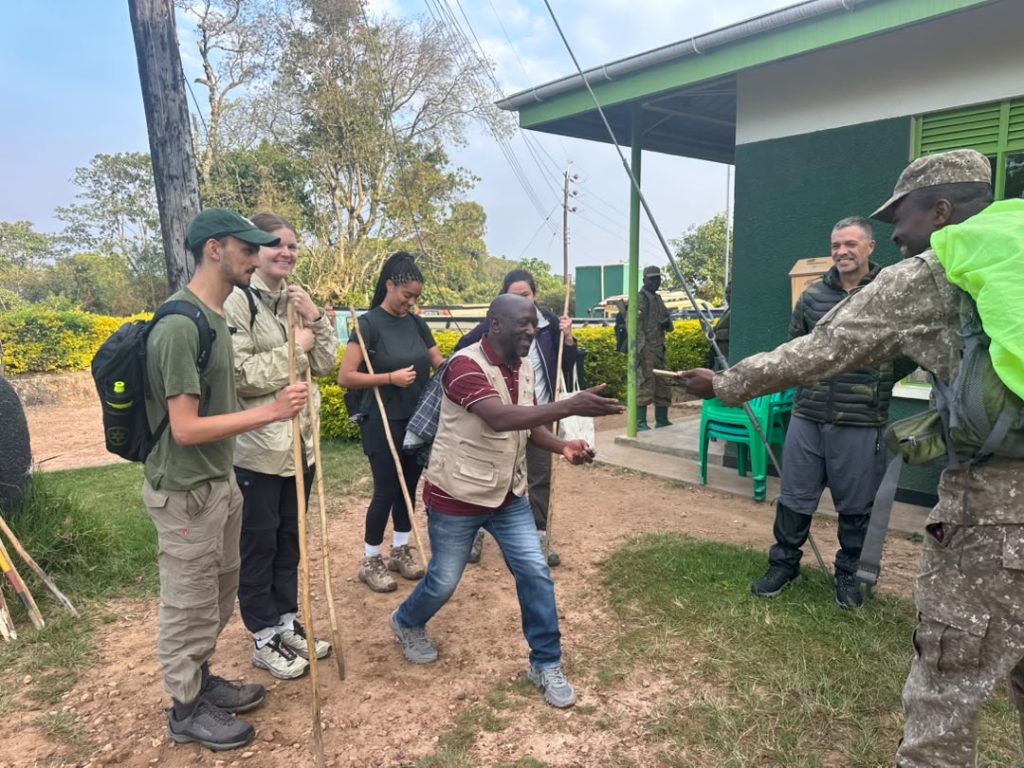
Walking sticks are provided at most trailheads, but bringing your own trekking poles is highly recommended. They provide essential support on steep descents and muddy sections and dramatically reduce the physical strain on your knees and joints.
3. Train Before You Arrive
In the months before your trip, start walking regularly on uneven or hilly terrain — even 30 minutes a day makes a significant difference. Simple strength training for your legs and core will also help. The fitter you arrive, the more you will enjoy the experience.
4. Dress Appropriately
Wear long-sleeved shirts and long trousers to protect against stinging nettles, insects, and scratches from undergrowth. Invest in a good pair of waterproof hiking boots with ankle support — your feet will thank you. Gaiters are also a smart addition in the wet season.
5. Hydrate and Eat Well the Morning of the Trek
Bring at least 2 litres of water and pack high-energy snacks like nuts, energy bars, or fruit. Starting the day well-fed and hydrated makes a tangible difference to your energy levels on the trail.
6. Consider an Acclimatisation Day
If you are travelling from a low-altitude country, we recommend spending a day resting and adjusting before your trek day. Our Uganda safari packages and Rwanda tours are designed with built-in flexibility so you can rest, explore, and acclimatise at a comfortable pace.
7. Be Honest With Your Doctor
Before booking, have a conversation with your GP or travel health clinic. Share the details of the trek — altitude, duration, and terrain — and get their professional sign-off. Most healthy adults over 60 are given the green light, but it is always wise to check, especially if you have cardiac, respiratory, or joint conditions.
Uganda vs Rwanda: Which Is Better for Older Travellers?
Both destinations are incredible, but there are differences worth considering.
Rwanda is generally considered the easier option for older travellers. Volcanoes National Park is more compact, the infrastructure is more developed, and some of the gorilla families require shorter treks. Rwanda is also a small, easy-to-navigate country. The gorilla permit costs $1,500 USD per person.
Uganda offers a more raw and adventurous experience. Bwindi Impenetrable Forest is vast and wild, and trekking is generally more demanding — but incredibly rewarding. Uganda permits cost $800 USD per person, making it a popular choice for travellers on a slightly tighter budget. Uganda also allows you to combine gorilla trekking with a classic East African safari.
Explore your options on our gorilla trekking tours page or contact our team for personalised advice on which destination suits your fitness level and travel style best.
What Our Older Travellers Say
Time and again, travellers in their 60s and 70s return from their gorilla trek and tell us it was the most profound wildlife experience of their lives. The one-hour encounter — watching a silverback feed, seeing baby gorillas tumble and play, hearing the deep rumble of a chest beat — is something no photograph or documentary can prepare you for.
Age brings perspective. Many of our older guests say they appreciated the experience on a level that younger travellers sometimes overlook.
Ready to Start Planning?
Gorilla trekking is not just for the young and athletic. It is for anyone with a passion for nature, wildlife, and extraordinary travel experiences. With thoughtful preparation and the right support, your 60s or 70s could be the decade you have your greatest adventure yet.
Kenlink Tours specializes in gorilla trekking experiences across Uganda and Rwanda, with itineraries designed for all fitness levels. Our expert guides, handpicked lodges, and personalized service mean you are in safe hands every step of the way.
Browse our gorilla trekking packages | Contact our team today
For official permit information and regulations, visit the Uganda Wildlife Authority or Visit Rwanda.
People also read about: