- EXPERT'S HELP
- +256789210067
- +256200955001
- info@kenlinktours.com


Top Adventure Safaris in Uganda
May 11, 2026
Chimpanzee Tracking in Kalinzu with Gorillas in Uganda
May 12, 2026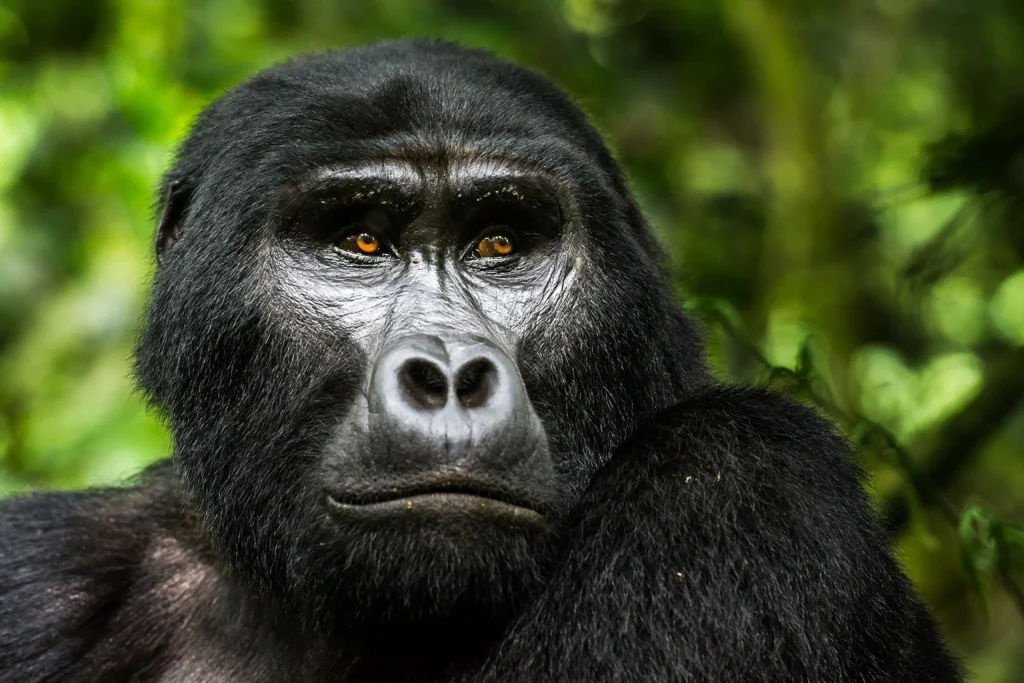
Chimpanzee and Gorilla Tracking Permits in Uganda. Uganda is one of Africa’s most extraordinary wildlife destinations, and for good reason. It is the only country on the continent where you can track both mountain gorillas and chimpanzees in their natural, wild habitat within a single safari itinerary. For anyone planning a primate adventure here, understanding how tracking permits work — how much they cost, how to book them, and what to expect — is the essential first step. This guide covers everything you need to know before you go.
Why Uganda Is the World’s Premier Primate Destination
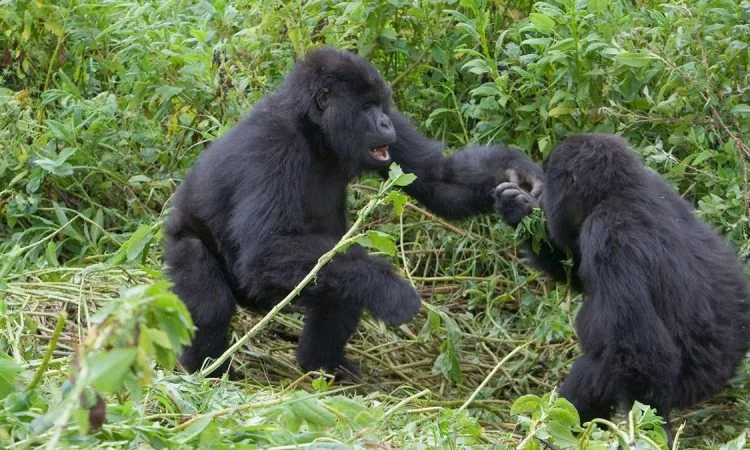
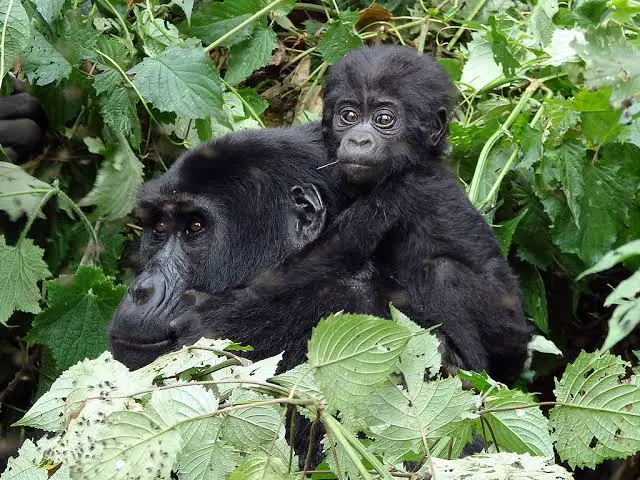
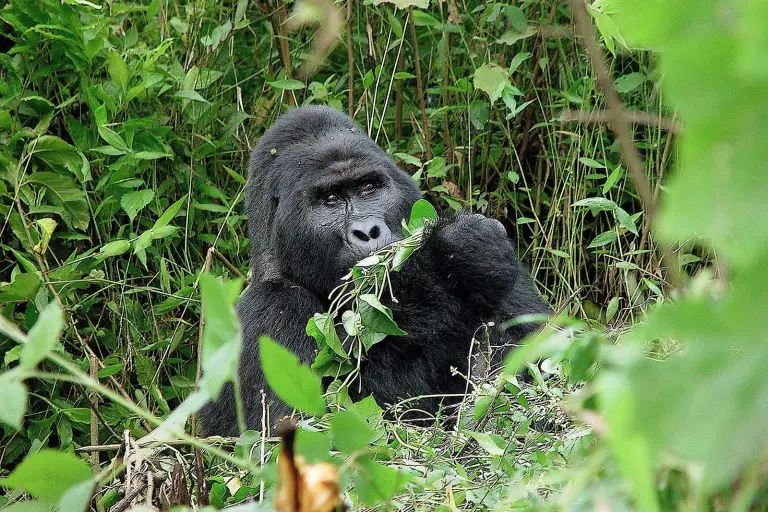
Uganda is home to more than half of the world’s remaining mountain gorillas, most of which live deep inside Bwindi Impenetrable National Park in the country’s southwest. Alongside this, Kibale Forest National Park — widely regarded as the primate capital of East Africa — hosts one of the highest densities of chimpanzees found anywhere on the planet, with an estimated 1,500 individuals roaming its lush tropical canopy.
Both experiences are managed and protected by the Uganda Wildlife Authority (UWA), the government body responsible for tourism, wildlife conservation, and the issuing of all tracking permits across Uganda’s national parks. The permits are not just a ticket — they are a direct contribution to conservation. A portion of every fee goes toward protecting habitats, funding ranger salaries, supporting health monitoring of gorilla and chimpanzee communities, and channelling 20% of park entry revenues directly to surrounding local communities.
If you are ready to explore Uganda, browse our Uganda Safari Packages to find the right itinerary for you.
Gorilla Tracking Permits in Uganda
What Is a Gorilla Trekking Permit?
A gorilla trekking permit is the mandatory legal document that authorises a visitor to enter Bwindi Impenetrable National Park or Mgahinga Gorilla National Park for the purpose of tracking and spending one hour with a habituated mountain gorilla family. All permits are issued by the Uganda Wildlife Authority, and every person in your trekking group must hold an individual permit.
How Much Does a Gorilla Permit Cost in Uganda?
As of 2026, the official UWA gorilla trekking permit fees are as follows:
Foreign Non-Residents: USD 800 per person Foreign Residents: USD 700 per person African Citizens: USD 500 per person East African Citizens: UGX 300,000 per person
In a significant move to encourage travel during quieter months, UWA has also reintroduced low-season discounted gorilla permits for April, May, and November. During these months, foreign non-residents can secure a permit for USD 600 — a saving of USD 200. These discounted permits are date-specific and cannot be rescheduled, so confident planning is key.
For those seeking a deeper, more immersive experience, the Gorilla Habituation Experience (GHEX) allows you to spend up to four hours with a semi-habituated gorilla family alongside researchers. This currently costs USD 1,500 for foreign non-residents and is available in Bwindi’s Rushaga sector. Note that this rate is set to increase to USD 1,800 from January 2027, making 2026 an ideal window to book.
Where Can You Track Gorillas in Uganda?
Uganda’s gorilla trekking is centred in two parks. Bwindi Impenetrable National Park — a UNESCO World Heritage Site — is home to over 24 habituated gorilla families across four trekking sectors: Buhoma, Ruhija, Rushaga, and Nkuringo. Each sector offers distinct terrain, atmosphere, and lodge options. Mgahinga Gorilla National Park, smaller but stunning, hosts one habituated family — the Nyakagezi group — against a backdrop of the dramatic Virunga volcanoes.
Learn more about planning your visit on our dedicated Gorilla Trekking Uganda page.
Rules and Key Requirements for Gorilla Trekking
Visitors must be at least 15 years old to trek gorillas. Trekking groups are limited to eight people per gorilla family per day, which keeps encounters intimate and minimises stress on the animals. Anyone showing signs of a contagious illness — including a cold, cough, or fever — will not be permitted to trek, as mountain gorillas share approximately 98% of human DNA and are highly susceptible to our diseases. If you fall ill and report your symptoms honestly on arrival, UWA may authorise a 50% refund at the warden’s discretion. Permits are otherwise non-refundable and non-transferable.
When to Book Your Gorilla Permit
The peak trekking seasons — June to September and December to February — are in extremely high demand. UWA recommends booking at least six to ten months in advance for peak dates. The Uganda Wildlife Authority also recently updated its booking policy: as of March 2026, permits must be paid for in full at the time of reservation. There is no longer a seven-day hold window. Book early and book with confidence.
Chimpanzee Tracking Permits in Uganda
What Is a Chimpanzee Tracking Permit?
Just like gorilla permits, chimpanzee tracking permits are official documents issued by the Uganda Wildlife Authority, granting access to a guided forest trek in search of wild, habituated chimpanzee communities. Visitors spend up to one hour observing the chimps once located. The minimum age for chimpanzee tracking is 12 years old.
How Much Does a Chimpanzee Permit Cost?
Permit prices vary depending on which park or forest you choose to visit:
Kibale Forest National Park (Standard Tracking): Foreign Non-Residents: USD 250 | Foreign Residents: USD 200 | EAC Citizens: UGX 180,000
Kibale Forest — Chimpanzee Habituation Experience: Foreign Non-Residents: USD 300 | Foreign Residents: USD 250 | EAC Citizens: UGX 250,000
Kyambura Gorge (Queen Elizabeth National Park): Foreign Non-Residents: USD 200 | Foreign Residents: USD 150
Budongo Forest (Murchison Falls National Park): Lower rates apply — contact Kenlink Tours for current pricing.
UWA also introduced low-season discounted chimpanzee permits for April, May, and November 2026. During these months, Kibale tracking permits for foreign non-residents drop to USD 200, making the green season an excellent time to visit. Note that chimpanzee habituation permits are not discounted during the low season.
Where to Track Chimpanzees in Uganda
Kibale Forest National Park is Uganda’s undisputed premier chimpanzee destination, offering the highest chances of a prolonged, rewarding encounter. The Kanyanchu Visitor Centre serves as the main briefing point, with morning and afternoon tracking sessions available. Beyond Kibale, travellers can track chimps in Kyambura Gorge — often called the Valley of Apes — inside Queen Elizabeth National Park, as well as Budongo Forest inside Murchison Falls National Park and Kalinzu Forest in Busenyi district.
Combining chimpanzee and gorilla tracking in one trip is not only possible — it is one of Uganda’s greatest safari achievements. Our Chimpanzee Trekking Uganda page outlines everything you need to plan a combined primate safari.
How to Book Your Permits
All permits are officially issued by the Uganda Wildlife Authority, and can be booked either directly through UWA’s head offices in Kampala or through a licensed tour operator registered with the Uganda Tourism Board (UTB). Working through a reputable operator is the most convenient and reliable method, as they handle availability checks, logistics, and can bundle your permits with accommodation, transport, and full itinerary support.
At Kenlink Tours, we are fully licensed and accredited to book permits on your behalf at no additional cost when you book a complete safari package with us. Simply get in touch with our team with your preferred travel dates, the number of people in your group, and the experiences you are interested in. We will handle everything from permit availability to park briefings, guides, and comfortable transfers.
Other Useful Links
- Gorilla Trekking Permit for Rwanda.
- Birding At Mabamba Swamp
- Discounts on Safaris for Foreigners who are living in Uganda
- How much is Chimpanzee Tracking in Kyambura Gorge
- What is the cost of a permit for tracking golden monkeys?
Tips for Planning Your Uganda Primate Safari
Book early — especially for peak season dates between June and September, and December and February. Consider travelling during April, May, or November to benefit from discounted permits and quieter, more intimate forest experiences. Carry proof of your residency status, as this determines your permit category. Dress in layers for variable forest conditions, and always bring sturdy waterproof boots. Above all, come with an open heart: tracking mountain gorillas and chimpanzees through Uganda’s ancient forests is one of the most profoundly moving wildlife experiences on earth.
Uganda’s primates need your presence and your permit to survive. Every trek contributes directly to their protection and to the livelihoods of the communities that share their forests. For more information about gorilla and chimpanzee tracking or to start planning your Uganda safari, visit the official Uganda Wildlife Authority website or explore our full range of Uganda Safari Packages at Kenlink Tours.