- EXPERT'S HELP
- +256789210067
- +256200955001
- info@kenlinktours.com

Cultural Safaris in Uganda. Are you looking for a cultural experiences in Uganda? Uganda is not only a land of breathtaking wildlife and natural beauty but also a country deeply rooted in diverse cultural traditions. A cultural safari in Uganda offers more than just sightseeing; it is an immersive experience into the soul of the nation — where travelers meet local communities, learn ancient customs, and share in the daily lives of Uganda’s people. From the Buganda Kingdom’s royal heritage to the remote Karamojong communities in the northeast, every encounter tells a story of history, resilience, and unity in diversity.
Understanding Uganda’s Cultural Heritage
Uganda is home to over 56 ethnic groups, each with its unique language, dress, music, and traditions. These communities coexist peacefully, creating a cultural mosaic that defines Uganda’s national identity. The major ethnic groups include the Baganda, Basoga, Banyankole, Bakiga, Acholi, Langi, Iteso, and Karamojong, among others. Each group contributes to Uganda’s cultural tapestry, from royal kingdoms and traditional dances to rituals, festivals, and cuisine.
Cultural safaris in Uganda allow visitors to go beyond the wildlife parks and explore how local people live, farm, cook, dance, and celebrate life. This form of tourism is growing in popularity because it promotes community empowerment and helps preserve ancient traditions for future generations.
The Buganda Kingdom – Exploring Uganda’s Royal Heritage
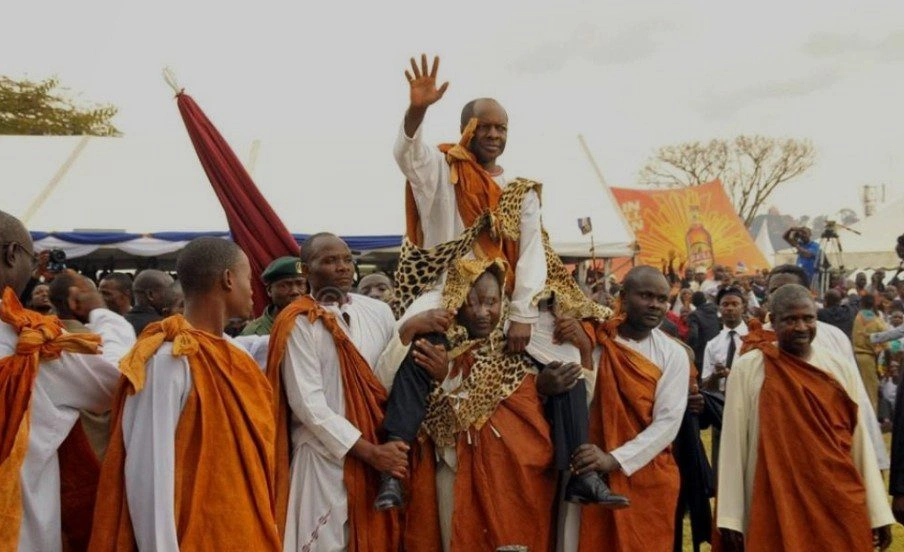
The Buganda Kingdom, located in central Uganda, is the largest and most influential of the country’s traditional kingdoms. It is rich in history and has played a central role in shaping Uganda’s modern identity.
Cultural tours around the capital, Kampala, often begin with visits to key Buganda heritage sites such as:
Kasubi Royal Tombs – A UNESCO World Heritage Site where four Buganda kings are buried. The tombs are a masterpiece of traditional architecture made entirely from natural materials like reeds and grass.
Kabaka’s Palace (Lubiri) – The residence of the King of Buganda, offering insights into royal customs, historical events, and the traditional governance system.
Kabaka’s Lake – The largest man-made lake in Uganda, constructed during King Mwanga’s reign in the 1880s. It’s a scenic and historical site with cultural significance.
Visitors can also witness traditional Buganda dances, drumming performances, and storytelling sessions that illustrate the kingdom’s ancient legends and rituals.
The Karamojong – Warriors of the Northeast
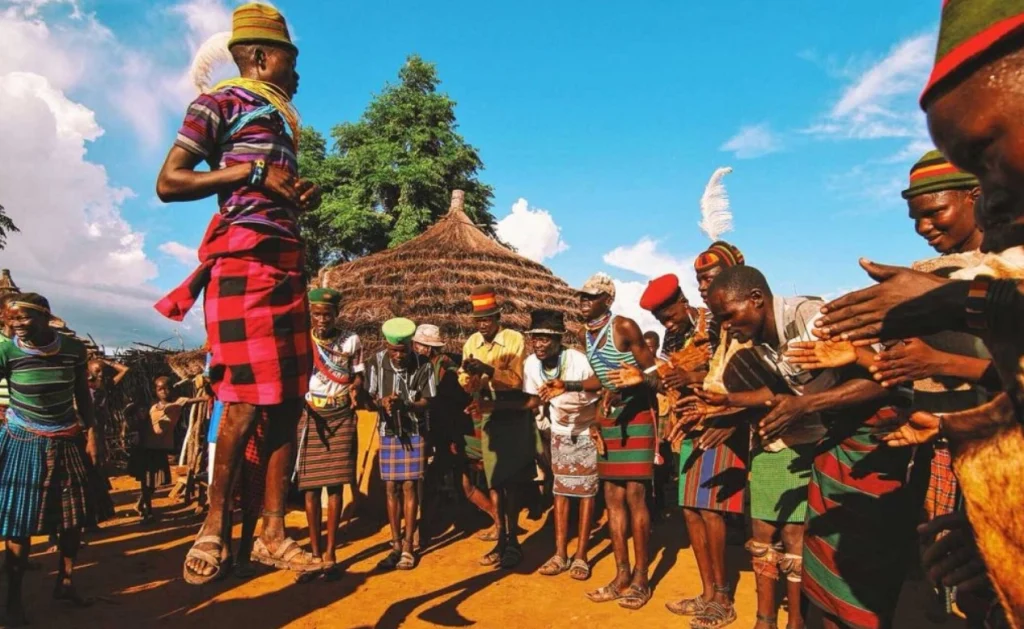
For travelers seeking a truly authentic and untouched cultural experience, a visit to the Karamojong people in northeastern Uganda is unforgettable. The Karamojong are pastoralists known for their distinctive dress, colorful beads, and warrior traditions. Their way of life closely resembles that of the Maasai in Kenya and Tanzania.
A Karamoja cultural safari includes visiting a traditional manyatta (homestead), where you’ll meet families, learn about cattle-keeping traditions, and listen to fascinating tales around the evening fire. The Karamojong also perform traditional dances that celebrate bravery, harvest, and unity.
Spending a night in a Kraal (traditional cattle camp) under the stars offers a rare opportunity to experience life as it has been for centuries. This interaction promotes cultural preservation and provides economic benefits to the local communities.
The Batwa – Keepers of the Forest
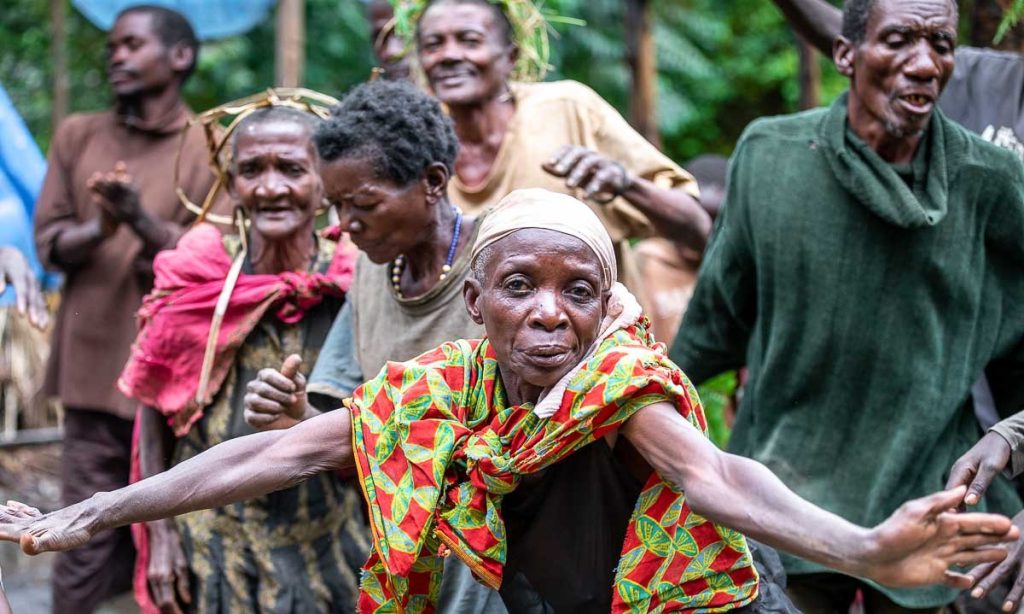
The Batwa pygmies are one of Uganda’s oldest indigenous tribes, believed to be the original inhabitants of the Bwindi and Mgahinga forests in southwestern Uganda. For centuries, they lived as hunter-gatherers, surviving on fruits, wild honey, and forest animals.
After being relocated to protect the forests for gorilla conservation, the Batwa have adapted to new lifestyles while keeping their culture alive. A Batwa cultural experience allows visitors to walk through the forest trails with Batwa guides who share stories about their ancient life, hunting techniques, and spiritual beliefs.
Highlights of this experience include:
Traditional songs and dances by Batwa women.
Demonstrations of fire-making, hunting with bows and arrows, and crafting herbal medicine.
Visiting Batwa homesteads and local schools to learn how tourism supports community development.
This encounter is both educational and emotional, giving visitors a deep appreciation of human coexistence with nature.
The Banyankole and the Long-Horned Cattle 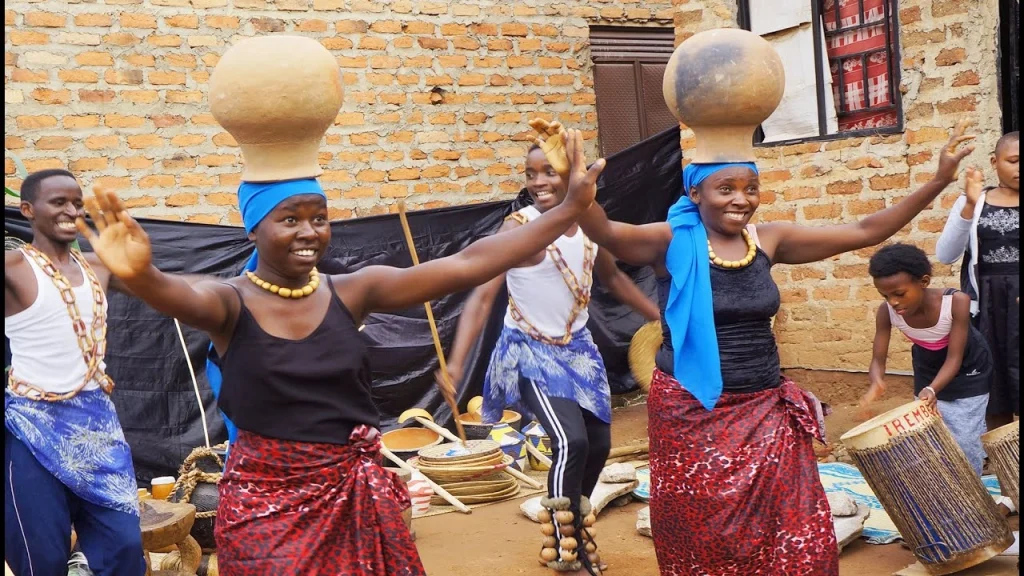
The Banyankole, found in southwestern Uganda around Mbarara and Bushenyi, are famous for their majestic Ankole long-horned cattle. These cattle are symbols of wealth and pride, often featured in local songs, poetry, and art.
A cultural safari here involves visiting traditional cattle farms where visitors can learn about the daily routines of herdsmen, including milking, grazing, and making ghee (butter). You can also visit local homesteads to witness the Ekitaguriro dance, which celebrates love, strength, and community.
The Banyankole also practice fascinating marriage and inheritance customs that reflect the deep respect for family and cattle in their culture.
The Busoga Kingdom – Source of the Nile Traditions
In eastern Uganda, the Busoga Kingdom is home to the Basoga people, who are known for their hospitality, music, and traditional crafts. Located around Jinja, the source of the Nile, Busoga offers a perfect mix of adventure and culture.
Visitors can explore the Kyabazinga’s Palace, visit local markets filled with handmade crafts, and attend traditional kadodi dance performances. The Basoga’s cultural ceremonies often include drumming, singing, and acrobatic dancing that captivates everyone in attendance.
While in Jinja, tourists can combine cultural experiences with activities such as white-water rafting, bungee jumping, or a boat cruise on the Nile River.
The Acholi and Langi – Northern Uganda’s Cultural Pride
In northern Uganda, the Acholi and Langi tribes boast rich traditions shaped by resilience and community spirit. Their vibrant dances, music, and folklore reflect a history of courage and creativity.
The Bwola dance, performed by the Acholi, is one of the most captivating cultural displays in the region. It features synchronized movements, colorful costumes, and rhythmic drumming. Visitors can also explore cultural villages in Gulu and Lira, where elders share stories about traditional governance, marriage rituals, and ancestral worship.
The northern cultural safaris provide a chance to engage with communities that have rebuilt themselves after years of conflict, showing the strength of unity and hope.
The Batooro and Bakonzo – Cultures at the Foothills of Rwenzori Mountains
At the base of the Rwenzori Mountains, the Batooro and Bakonzo people share a beautiful cultural landscape enriched by legends and mountain life.
In Fort Portal, cultural safaris often include visits to the Tooro Kingdom Palace, where visitors learn about the young king, traditional leadership, and royal ceremonies. The Amabere Ga Nyina Mwiru caves, near Fort Portal, are another cultural and natural wonder linked to local mythology.
Further up the mountains, the Bakonzo people welcome guests to their homes to share traditional meals, folk tales, and the Ekizina dance — a rhythmic performance celebrating harvest and joy.
Cultural Festivals and Events in Uganda
Uganda’s annual cultural festivals offer vibrant opportunities to witness the nation’s diversity. Some of the most popular include:
Bayimba International Festival (Kampala) – Celebrating African music, dance, and art.
Roast and Rhyme (Entebbe) – A fusion of music, poetry, and outdoor cooking.
Nyege Nyege Festival (Jinja) – East Africa’s largest cultural and music celebration, bringing together artists from across the continent.
Empango Festival (Fort Portal) – The coronation anniversary of the Tooro King, featuring colorful parades and dances.
These festivals are a celebration of identity and unity, attracting both locals and international visitors eager to experience the joyful side of Uganda’s culture.
Cultural Safari Activities in Uganda
A cultural safari is not only about observing but also about participating. Some engaging activities include:
Learning traditional cooking and tasting local dishes like matooke, posho, rolex, and luwombo.
Taking part in traditional music and dance performances.
Visiting local craft markets to buy handmade baskets, beads, and wooden carvings.
Joining storytelling sessions and learning local proverbs and folklore.
Participating in community projects that promote sustainable tourism.
These interactions bridge the gap between visitors and locals, fostering respect and mutual understanding.
Planning a Cultural Tour in Uganda
Planning a cultural tour in Uganda is an exciting journey into the heart of Africa’s rich traditions, diverse ethnic groups, and vibrant heritage. Known as the “Pearl of Africa,” Uganda offers travelers an opportunity to connect deeply with its people, customs, music, and art.
Begin by deciding which regions to explore, as Uganda has over 50 tribes, each with its own language, dances, and traditions. The central region is home to the Baganda people, where visitors can explore the Buganda Kingdom, the Kasubi Tombs, and the Lubiri Palace in Kampala. In the eastern region, the Basoga and Bagisu offer the famous Imbalu (circumcision) ceremonies and traditional dances.
Head west to experience the rich traditions of the Banyankole and Bakiga, known for their cattle-keeping culture and traditional beer brewing. In southwestern Uganda, near Kisoro, the Batwa pygmies offer a fascinating glimpse into ancient forest life through storytelling, hunting demonstrations, and cultural performances. The northern region introduces you to the Acholi and Lango, whose vibrant dances and folklore reflect resilience and community spirit.
When planning your itinerary, include cultural centers, homestays, and community visits that promote responsible tourism. These experiences not only allow you to learn directly from locals but also support community development. Festivals such as the Nyege Nyege Festival and the Bayimba International Festival of the Arts provide perfect opportunities to enjoy Uganda’s contemporary culture.
It’s advisable to travel with a local tour operator, such as Kenlink Tours, who can tailor your trip to include authentic experiences while ensuring comfort and safety. Remember to respect local customs, dress modestly in rural areas, and seek permission before taking photos.
Combining Culture with Wildlife and Adventure
Uganda offers a rare opportunity to combine cultural safaris with wildlife adventures. You can visit communities near Bwindi Impenetrable Forest before or after gorilla trekking, explore Queen Elizabeth National Park for wildlife game drives, and then engage with the Basongora pastoralists living near the park.
In Kidepo Valley National Park, travelers can combine game viewing with a visit to the Karamojong villages, creating a unique blend of nature and culture. Similarly, in Lake Bunyonyi, cultural tours can be combined with canoeing and island exploration.
Book Your Uganda Cultural Safari with Kenlink Tours
Embark on an unforgettable cultural journey with Kenlink Tours, your trusted safari company in Uganda and Rwanda. We specialize in tailor-made safaris that combine wildlife, culture, and adventure for a truly authentic African experience.
📧 Email: info@kenlinktours.com

Request for a Quote
Start planning your adventure trip today with a professional expert available to help you 24/7. Encounter Africa on your own terms.
Request a Quote +256 789 210067
DISCOUNTED GORILLA SAFARIS IN UGANDA