- EXPERT'S HELP
- +256789210067
- +256200955001
- info@kenlinktours.com


5-Day Gorilla Trekking Safari from Kigali to Uganda
March 11, 2026
7-Day Uganda Safari: Chimpanzees Wildlife and Culture
March 11, 2026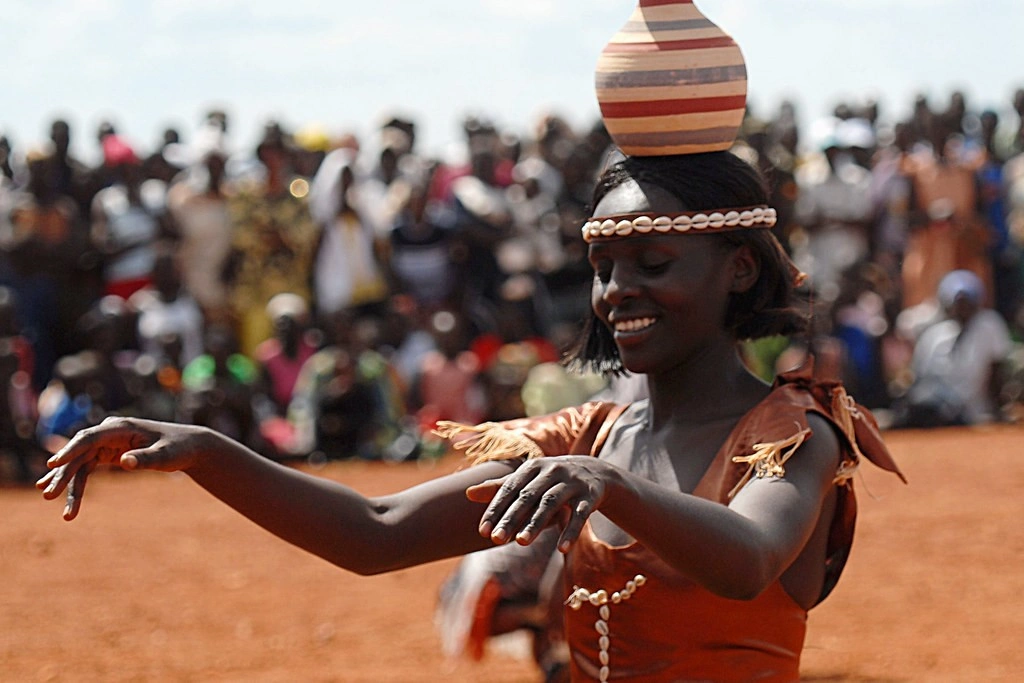
Uganda is widely known for its breathtaking landscapes, mountain gorillas, and diverse wildlife, but beyond the famous national parks lies another treasure that many travelers deeply cherish—its rich and vibrant culture. With more than 50 tribes and languages, Uganda offers visitors a unique opportunity to experience authentic African traditions, lifestyles, and heritage that have been preserved for generations.
From traditional dances and storytelling to village visits and local cuisine, cultural tourism in Uganda allows travelers to connect with communities and understand the traditions that shape the country’s identity. Exploring these cultural experiences not only enriches your safari but also supports local communities and promotes sustainable tourism.
If you are looking to explore Uganda beyond wildlife safaris, cultural encounters provide unforgettable moments that bring you closer to the heart and soul of the country.
The Cultural Diversity of Uganda
Uganda’s cultural diversity is one of its greatest strengths. The country is home to numerous ethnic groups including the Baganda, Banyankole, Basoga, Bakiga, Acholi, Bagisu, and many others. Each community has its own language, traditional attire, music, dances, and customs that reflect centuries of heritage.
Traveling through Uganda offers the chance to witness these differences firsthand. In central Uganda, the Buganda Kingdom presents royal traditions and historic sites. In western Uganda, the Banyankole culture is closely linked to cattle keeping and pastoral traditions. Northern Uganda showcases the rich storytelling and dance traditions of the Acholi people.
These cultural differences make every region of Uganda unique and fascinating to explore.
Traditional Dance and Music Performances
One of the most exciting ways to experience Ugandan culture is through traditional music and dance. Across the country, communities use dance as a form of celebration, storytelling, and cultural expression.
Visitors can watch energetic performances featuring drums, flutes, and traditional instruments. Each tribe has distinctive dance styles that reflect their culture and history. The Baganda, for example, are famous for the “Bakisimba” dance, which is performed during celebrations and royal ceremonies.
In eastern Uganda, the Bagisu people perform the “Kadodi” dance during their traditional circumcision ceremonies known as Imbalu. In western Uganda, dances from the Bakiga people are lively and energetic, showcasing strength and rhythm.
Participating in these performances allows travelers to not only watch but sometimes even join the dancing, creating a fun and interactive cultural experience.
Visiting Traditional Villages
A visit to a traditional Ugandan village is one of the most authentic cultural experiences you can have during your safari. Village visits give travelers the chance to see daily life as it unfolds in rural communities.
During these visits, guests may learn how locals prepare traditional meals, brew local drinks, weave baskets, or farm using traditional methods. You may also meet elders who share stories about the history and traditions of their people.
Many villages welcome visitors with warm hospitality, music, and cultural demonstrations. These visits help travelers understand the close connection between Ugandan communities and their natural environment.
Village tourism also plays an important role in supporting local livelihoods by providing income for families and community projects.
The Batwa Cultural Experience
One of the most unique cultural encounters in Uganda is the Batwa cultural experience. The Batwa people are indigenous forest dwellers who once lived in the forests of southwestern Uganda before they were designated as national parks.
Today, visitors can learn about the Batwa’s traditional forest lifestyle through guided cultural tours. These experiences include demonstrations of traditional hunting techniques, medicinal plant knowledge, and storytelling about life in the forest.
The Batwa also share their traditional songs and dances, which are an important part of their cultural identity. Visiting the Batwa community provides valuable insight into the challenges faced by indigenous communities and the importance of preserving cultural heritage.
Cultural Encounters Around Gorilla Trekking Areas
Many of Uganda’s cultural experiences are located near popular gorilla trekking destinations such as Bwindi Impenetrable National Park and Mgahinga Gorilla National Park. After an exciting day of gorilla trekking, travelers often enjoy exploring nearby communities.
Local cultural centers offer activities such as craft making, storytelling, cooking demonstrations, and traditional performances. Visitors can also purchase handmade crafts including baskets, beads, and carvings made by community members.
These cultural encounters allow travelers to combine wildlife adventures with meaningful cultural interactions, creating a deeper appreciation for the people who live alongside these protected forests.
Food and Culinary Traditions
Ugandan cuisine is another wonderful way to explore the country’s culture. Traditional meals are often prepared using fresh, locally grown ingredients and reflect the agricultural traditions of different regions.
Common staple foods include matooke (steamed green bananas), posho (maize meal), sweet potatoes, beans, groundnut sauce, and fresh vegetables. In pastoral communities, milk and meat also play an important role in daily meals.
Travelers visiting villages or cultural centers may have the chance to participate in cooking demonstrations where they learn how traditional dishes are prepared using local methods. Sharing a meal with a local family is often one of the most memorable cultural experiences during a visit to Uganda.
Cultural Festivals and Ceremonies
Uganda hosts a variety of cultural festivals and ceremonies throughout the year that showcase traditional heritage. These events bring communities together to celebrate music, dance, food, and cultural identity.
Some festivals highlight royal traditions of Uganda’s kingdoms, while others celebrate harvest seasons or cultural milestones. These gatherings provide visitors with a lively and colorful glimpse into Uganda’s traditions.
Attending a cultural festival offers travelers the opportunity to see traditional clothing, performances, and rituals that are rarely experienced during ordinary travel.
Craft Markets and Local Artisans
Uganda is known for its talented artisans who produce beautiful handmade crafts. These crafts often reflect cultural stories and traditional skills passed down through generations.
Visitors can explore craft markets where local artists sell baskets, jewelry, wooden carvings, paintings, and textiles. Many of these items are made using natural materials such as banana fibers, raffia, and recycled materials.
Buying handmade crafts not only provides meaningful souvenirs but also supports local artists and community development initiatives.
Cultural Tourism and Sustainable Travel
Cultural tourism plays an important role in promoting sustainable travel in Uganda. By visiting communities and participating in cultural experiences, travelers contribute directly to local economies and help preserve traditional knowledge.
Responsible tourism ensures that cultural interactions are respectful and beneficial for both visitors and local communities. Many cultural programs are community-led, allowing residents to share their traditions while earning income from tourism.
When cultural tourism is practiced responsibly, it helps protect cultural heritage while creating opportunities for community development.
Combine Cultural Experiences with Wildlife Safaris
Uganda offers the perfect balance between wildlife adventures and cultural exploration. Travelers can combine gorilla trekking, chimpanzee tracking, wildlife safaris, and cultural tours into one unforgettable journey.
Imagine spending the morning trekking through the forest to see mountain gorillas and the afternoon learning traditional dances from a local community. These experiences create a deeper connection to Uganda and make every safari more meaningful.
Many safari itineraries include cultural visits to ensure travelers experience both the natural beauty and cultural richness of the country.
Plan Your Cultural Safari with Kenlink Tours
Uganda’s cultural diversity offers travelers a unique opportunity to discover traditions, communities, and lifestyles that have remained vibrant for generations. Whether you are visiting traditional villages, enjoying dance performances, or learning about indigenous cultures, these experiences add incredible depth to any safari.
At Kenlink Tours, we organize authentic cultural experiences across Uganda alongside unforgettable wildlife safaris. Our team works closely with local communities to create meaningful and responsible cultural tours that benefit both travelers and residents.
If you would like to explore Uganda’s rich traditions while enjoying its world-famous wildlife adventures, we are here to help you plan the perfect journey.
Book your cultural safari with Kenlink Tours today.
For bookings and safari inquiries, contact us at:
info@kenlinktours.com