- EXPERT'S HELP
- +256789210067
- +256200955001
- info@kenlinktours.com


Gorilla Trekking Tours in Uganda – All you need to know
April 1, 2026
Uganda Gorilla Safaris that begin from Kigali
April 2, 2026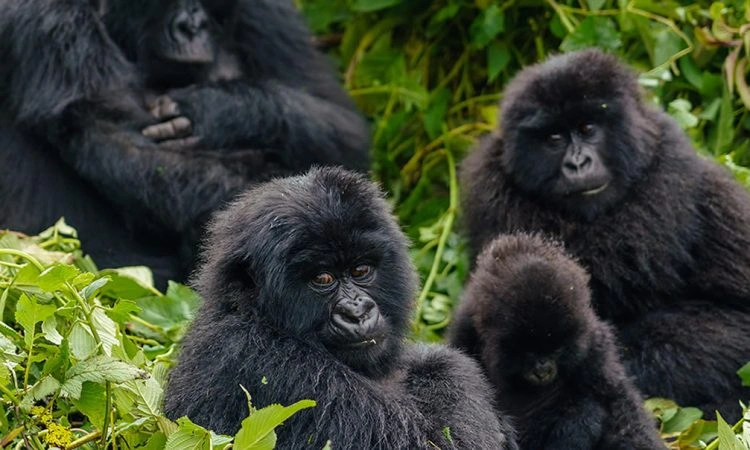
- Uganda, East Africa
- 10–14 Day Itinerary
- Best: Jun–Sep & Dec–Feb
- By Kenlink Tours
Why Uganda is Africa's Ultimate Safari Destination
What makes Uganda especially compelling for the serious wildlife traveller is the rare combination it offers: you can trek with endangered mountain gorillas in the morning, watch lions lounging in fig trees in the afternoon, and witness the world's most powerful waterfall — the magnificent Murchison Falls — the very next day. This is the gorilla and Big Five safari, and it represents the pinnacle of East African wildlife travel.
At Kenlink Tours, we specialise in bespoke gorilla and wildlife safaris across Uganda, Rwanda, Kenya, Tanzania, and Namibia. This comprehensive guide covers everything you need to plan a gorilla and Big Five safari in Uganda — from where to go and what to see, to permits, packing lists, and the best time to visit.
Mountain Gorilla Trekking in Uganda
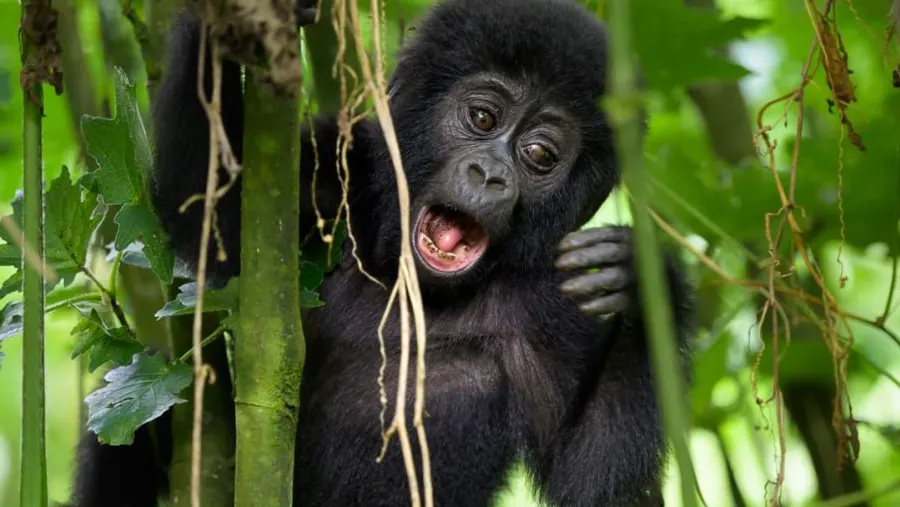
Uganda is home to two of the world's most important mountain gorilla habitats: Bwindi Impenetrable National Park in the southwest, and Mgahinga Gorilla National Park on the slopes of the Virunga volcanoes. Together, these parks protect around 460 mountain gorillas — roughly half of the estimated global population of fewer than 1,100 individuals, according to the World Wildlife Fund.
Mountain gorillas (Gorilla beringei beringei) are found only in a narrow band of highland forest stretching across Uganda, Rwanda, and the Democratic Republic of Congo. They cannot survive in captivity, which means the only place in the world you can encounter them is in the wild — in their ancient forest home. That fact alone makes a gorilla trek in Uganda one of the most extraordinary wildlife experiences available anywhere on the planet.
"There is nothing that prepares you for it. A silverback mountain gorilla, massive and unhurried, meeting your eyes through the morning mist. In that moment, the word 'wildlife' feels completely inadequate."
Bwindi Impenetrable National Park
Bwindi Impenetrable National Park is a UNESCO World Heritage Site and the crown jewel of gorilla trekking in Uganda. Covering 331 square kilometres of ancient montane rainforest, Bwindi is one of Africa's oldest and most biodiverse ecosystems — it has been continuously forested for over 25,000 years. The park is divided into four main sectors: Buhoma in the north, Ruhija in the east, Rushaga in the south, and Nkuringo in the southwest. Each sector offers gorilla trekking to different habituated families, meaning no single sector gets overwhelmed with visitors.
Treks begin each morning at 8am after a briefing at park headquarters. Groups are strictly limited to eight visitors per gorilla family, and once you locate the family, you are permitted exactly one hour in their presence. The trekking itself can range from a 30-minute walk on a good day to a 6–8 hour expedition through steep, dense forest. A Uganda Wildlife Authority (UWA) ranger and experienced trackers lead every group.
Mgahinga Gorilla National Park
Mgahinga Gorilla National Park sits in the extreme southwest of Uganda, sharing its borders with Rwanda and the DRC. Smaller than Bwindi at just 33.7 square kilometres, Mgahinga protects the Ugandan section of the Virunga Volcanoes — including Mount Muhabura (4,127m), Mount Gahinga (3,474m), and Mount Sabyinyo (3,645m). The park is home to one habituated gorilla family, the Nyakagezi group, as well as one of Uganda's few remaining populations of golden monkeys.
The Big Five in Uganda — Where to Find Them
The "Big Five" — lion, leopard, elephant, buffalo, and rhinoceros — are Africa's most iconic and sought-after wildlife species. Uganda offers excellent sightings of four of the Big Five in its national parks, with rhinos found at the Ziwa Rhino Sanctuary — Africa's only place where white rhinos roam freely outside a national park.
| Animal | Where to Find Them |
|---|---|
| Lion | Queen Elizabeth NP, Murchison Falls NP |
| Leopard | Queen Elizabeth NP, Kidepo Valley NP |
| Elephant | Queen Elizabeth NP, Murchison Falls, Kidepo |
| Buffalo | Queen Elizabeth NP, Murchison Falls NP |
| Rhino | Ziwa Rhino Sanctuary |
Lions of Queen Elizabeth National Park
Queen Elizabeth National Park is famous for its tree-climbing lions — a rare behaviour most commonly observed in the Ishasha sector in the south of the park. These lions climb and rest in the branches of large fig trees, a habit thought to be learned behaviour passed down through generations. Watching a pride of lions draped across the branches of an ancient fig tree is one of Uganda's most iconic wildlife sightings.
Elephants — Found Across Multiple Parks
Uganda's elephant population is one of East Africa's most robust. Large herds roam freely through Queen Elizabeth National Park, Murchison Falls National Park, and Kidepo Valley National Park. Boat safaris along the Nile in Murchison Falls regularly encounter herds of elephants drinking and bathing along the riverbanks, with hippos and Nile crocodiles just metres away.
White Rhinos at Ziwa Rhino Sanctuary
Rhinos were poached to local extinction in Uganda by the early 1980s. Today, thanks to the Rhino Fund Uganda and the Ziwa Rhino Sanctuary — a 7,000-hectare private sanctuary en route from Kampala to Murchison Falls — white rhinos have been successfully reintroduced. Ziwa now holds over 30 white rhinos and offers guided rhino tracking on foot.
Top National Parks for Your Uganda Safari
A combined gorilla and Big Five safari in Uganda typically covers three to four national parks, each offering a completely different landscape and wildlife experience. All parks are managed by the Uganda Wildlife Authority.
Bwindi Impenetrable NP
Southwest Uganda- Size
- 331 km²
- Key Wildlife
- Mountain gorillas
- Also See
- Chimpanzees, L'Hoest's monkeys
- UNESCO
- World Heritage Site
Queen Elizabeth NP
Western Uganda- Size
- 1,978 km²
- Key Wildlife
- Lions, elephants, hippos
- Also See
- Tree-climbing lions (Ishasha)
- Boat Safari
- Kazinga Channel
Murchison Falls NP
Northwest Uganda- Size
- 3,840 km²
- Key Wildlife
- Elephants, lions, giraffes
- Also See
- Rothschild's giraffe, shoebill
- Highlight
- Murchison Falls boat trip
Kidepo Valley NP
Northeast Uganda- Size
- 1,442 km²
- Key Wildlife
- Lions, cheetahs, ostriches
- Also See
- Eland, lesser kudu
- Vibe
- Remote & wild
Sample 08-Day Gorilla & Big Five Itinerary
The following sample itinerary combines mountain gorilla trekking in Bwindi with Big Five game viewing across Queen Elizabeth and Murchison Falls National Parks, plus a rhino tracking stop at Ziwa. Contact Kenlink Tours to fully customise this itinerary to suit your dates, budget, and interests.
Arrive Kampala / Entebbe
Arrive at Entebbe International Airport. Transfer to your hotel in Kampala or Entebbe. Evening briefing with your Kenlink Tours guide. Overnight Kampala.
Drive to Bwindi Impenetrable National Park
Early morning departure and head to Bwindi National Park, where you will reach in the late evening, have your relaxation and dinner as you wait the next day's activity.
Gorilla Trekking Encounter
The highlight of the safari. 8am briefing at park headquarters, then depart into the ancient forest with your ranger and trackers. Spend one magical hour with a mountain gorilla family. Afternoon rest and optional forest walks. Overnight Bwindi.
Transfer to Queen Elizabeth National Park
Wake up in the morning and take your breakfast, then dpart to queen elizabeth national park through Ishasha for tree climbing lions, reach in the park in the evening and check from the hotel.
Morning Game Drive and afternoon boat cruise
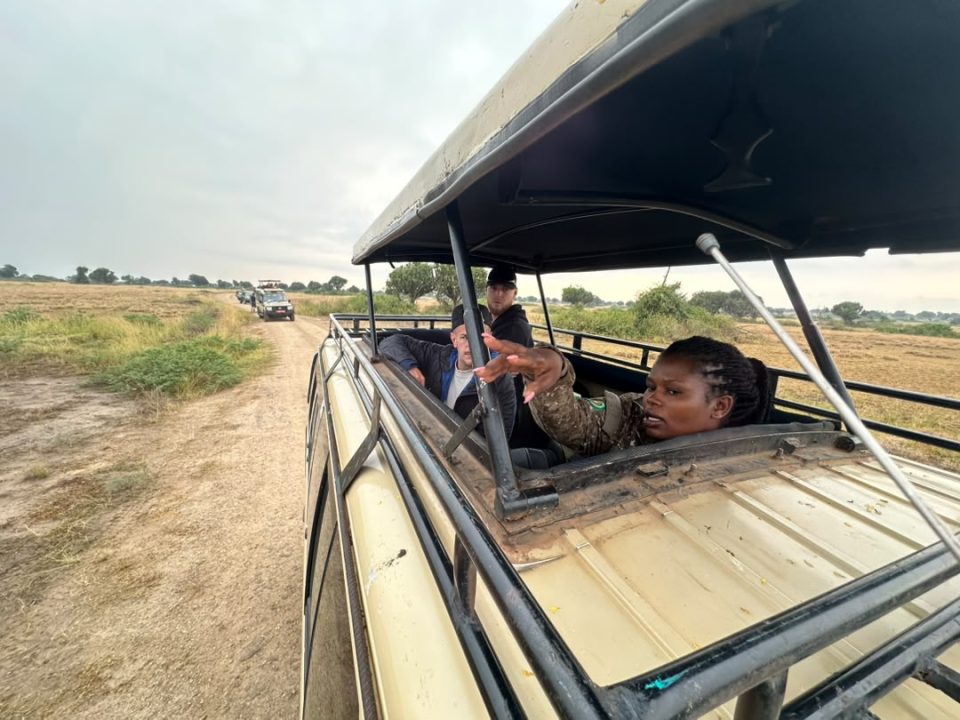
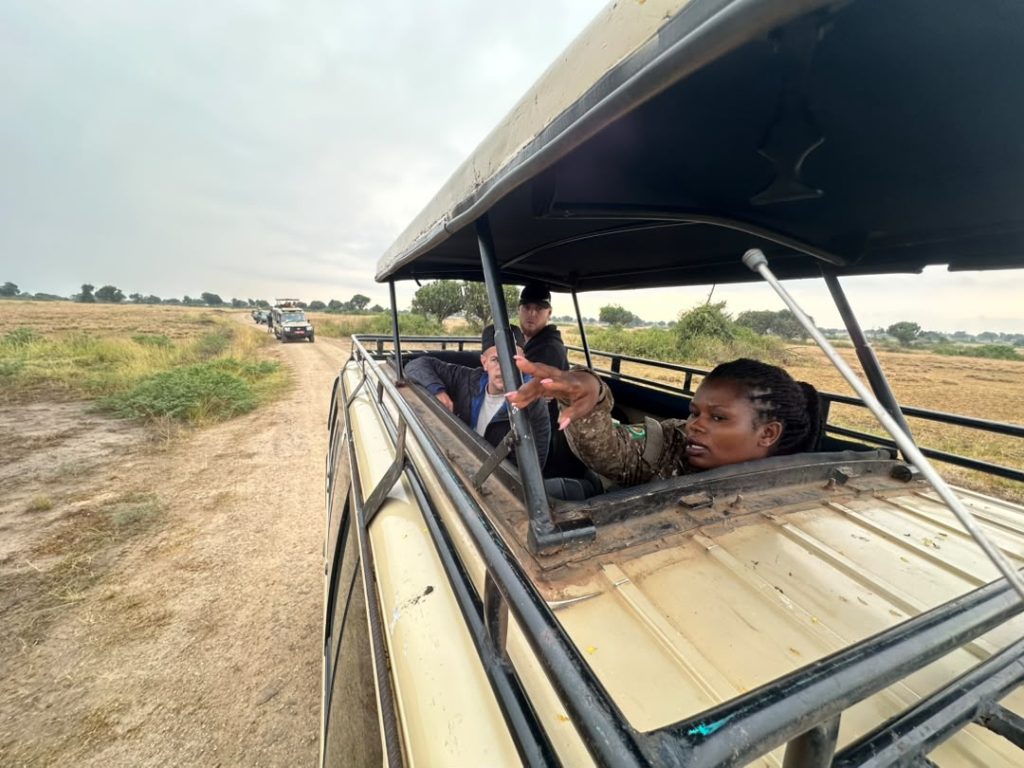
You will wake up in the morning and take a game drive to encounter the big mammals like elephants, lions, bufalloes and many others. Later take a boat crusie in the afternoon, along Kazinga Channel to see the wildlife before having an evening relaxation.
Transfter to Murchison Falls National Park
Wake up in the morning and head tyo murchison falls national prk as you enjoy Uganda's rich cultural heritage. Overnight Bwindi.
Full day in Murchison Falls National Park
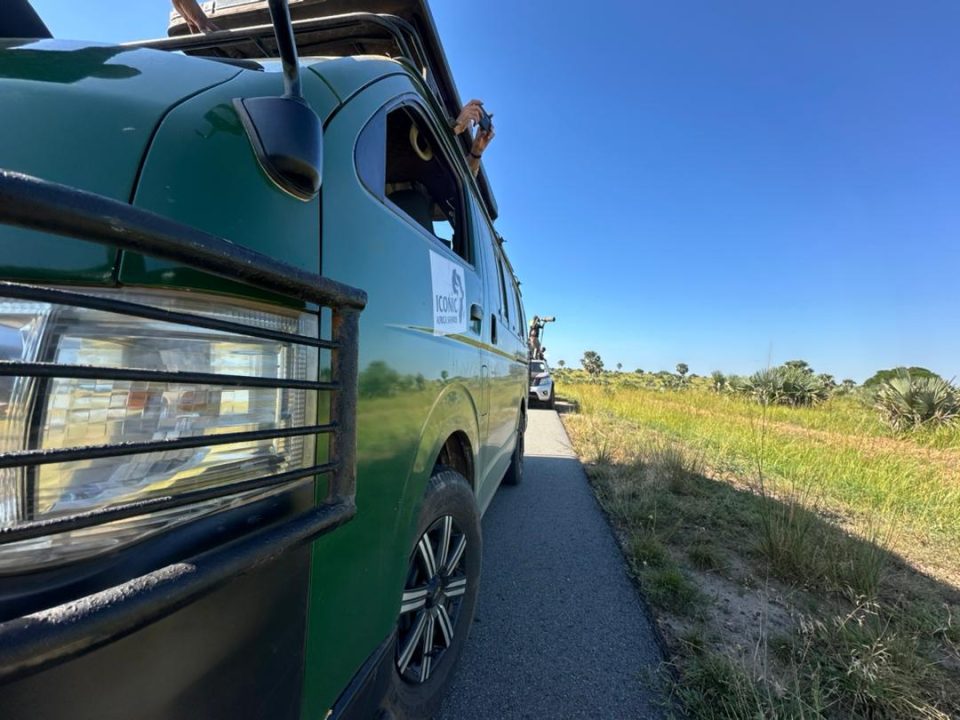
Morning game drive tracking lions, elephants, Rothschild's giraffes, and buffalos. Afternoon boat trip up the Nile to the base of Murchison Falls, watching hippos, crocodiles and shoebill storks. Overnight Paraa.
Drive to Entebbe/ Kampala via Ziwa Rhino Sanctuary
Wake up in the morning and drive to Kampala via Ziwa Rhino Sanctuary. for Rhino tracking before proceeding to Entebbe for your outbound flight.
Gorilla Permits — Everything You Need to Know
A gorilla trekking permit in Uganda costs USD $800 per person, issued by the Uganda Wildlife Authority (UWA). This permit grants you access to one gorilla family for one hour. Permits are available for all four sectors of Bwindi Impenetrable National Park and for Mgahinga Gorilla National Park.
Gorilla permits sell out quickly, especially June–September and December–February. Book at least 3–6 months in advance. When you book a gorilla safari with Kenlink Tours, we handle all permit reservations on your behalf.
Key Facts About Gorilla Permits
- Permits cost USD $800 per person in Uganda — significantly less than $1,500 in Rwanda, making Uganda the more affordable gorilla trekking destination.
- Each permit is valid for one trek to one habituated gorilla family on a specified date.
- Permits are non-refundable but may be transferred to a different date subject to availability. See UWA permit policy for details.
- Children under 15 years of age are not permitted to participate in gorilla trekking.
- Visitors with infectious illnesses should not trek — gorillas share 98% of human DNA and are highly susceptible to human diseases, as noted by the WWF.
- A portion of every permit fee goes directly to local community development projects around Bwindi and Mgahinga.
Packing List & Practical Tips for Uganda
Uganda's varied terrain — from high-altitude rainforest at 2,300m to hot savanna at 600m — means packing thoughtfully is essential. For health preparation, consult the CDC Uganda travel health page well before your departure.
Best Time to Visit Uganda for a Gorilla & Big Five Safari
Uganda can be visited year-round, but two peak seasons offer the best overall conditions for gorilla trekking and Big Five game viewing. The Uganda Tourism Board provides up-to-date seasonal travel information.
June to September
The long dry season. Vegetation is lower making wildlife easier to spot, trails in Bwindi are drier, and this coincides with the wildebeest migration in Kenya's Masai Mara — ideal for a Uganda–Kenya combined safari.
December to February
A quieter period with excellent conditions. Wildlife concentrates around water sources, and Bwindi is extraordinarily atmospheric in the cooler, misty December days. Ideal for fewer crowds.
Mar–May & Oct–Nov
Gorilla trekking continues daily. The forest is lush and beautiful after rain, permits are easier to obtain, and accommodation rates can be lower. Trails are muddier but the atmosphere is uniquely dramatic.
Frequently Asked Questions
Is Uganda safe for tourists?
Yes. Uganda is considered one of East Africa's safest and most welcoming destinations for international tourists. The national parks are professionally managed and receive visitors from all over the world every day. Kenlink Tours monitors all travel advisories — check the latest updates from the Uganda Tourism Board.
Do I need a visa to visit Uganda?
Most nationalities require a visa to enter Uganda. The East Africa Tourist Visa — valid for Uganda, Kenya, and Rwanda — is excellent value for multi-country safari travellers. Apply online at the Uganda Immigration Services website.
What vaccinations do I need for Uganda?
Yellow fever vaccination is mandatory for entry into Uganda. Malaria prophylaxis is strongly recommended. Other recommended vaccinations include hepatitis A and B, typhoid, and all routine vaccinations. See full guidance on the CDC Uganda travel health page. Consult your doctor at least 6–8 weeks before departure.
How fit do I need to be for gorilla trekking?
Gorilla trekking requires a reasonable level of physical fitness. Hikes can be steep and last several hours on uneven, muddy terrain. Rangers adjust pace to the group, and porters are available to assist and carry bags. Consult your doctor if you have specific health concerns. Read more on the UWA website.
Can I see the Big Five and gorillas on the same Uganda safari?
Absolutely — Uganda is one of very few destinations in Africa where you can combine mountain gorilla trekking with Big Five game viewing in the same 10–14 day trip. Contact Kenlink Tours to start planning today.
How far in advance should I book a Uganda gorilla safari?
We recommend booking at least 3–6 months in advance, particularly for peak seasons of June–September or December–February. Gorilla permits sell out quickly during these periods. Book your safari with Kenlink Tours to secure your permit.
What currency is used in Uganda?
The Ugandan Shilling (UGX) is the local currency. US Dollars are widely accepted at lodges and parks. ATMs are available in Kampala and Entebbe. Gorilla permits must be paid in USD directly to the Uganda Wildlife Authority.
Ready to Plan Your Uganda Gorilla & Big Five Safari?
At Kenlink Tours, we specialise in bespoke gorilla safaris, Big Five game drives, and wildlife experiences across Uganda, Rwanda, Kenya, Tanzania, and Namibia. Our expert team handles everything — permits, accommodation, transfers, and guiding — so you can focus entirely on the experience of a lifetime.