- EXPERT'S HELP
- +256789210067
- +256200955001
- info@kenlinktours.com


Gorilla Trekking Begin in Mgahinga NP
October 6, 2026
What makes Buhoma the best for gorilla tracking
October 6, 2026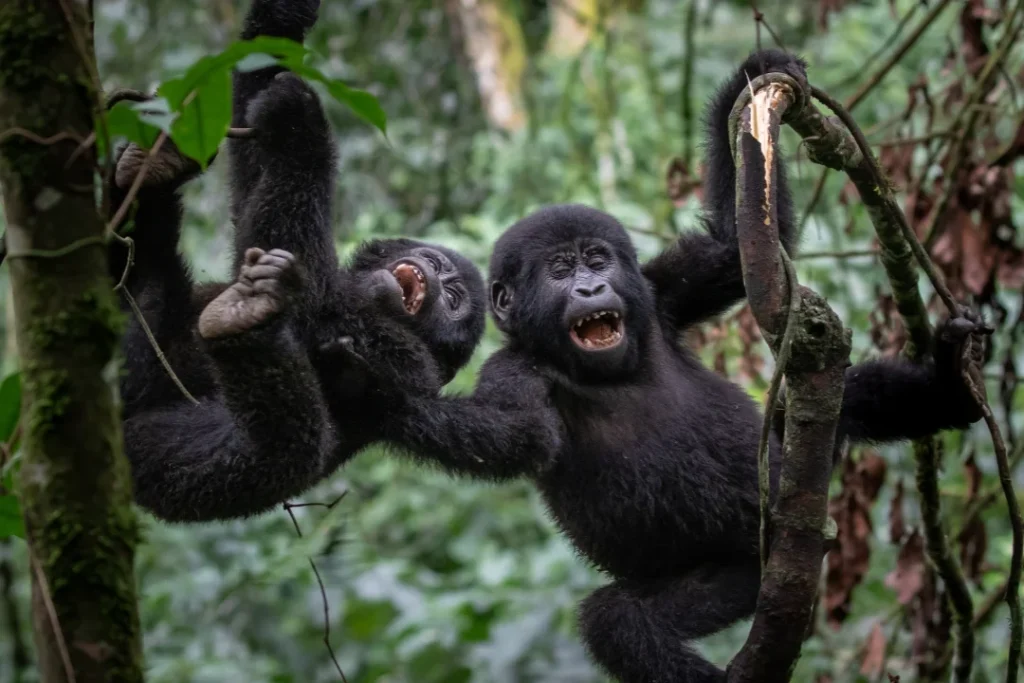
Gorilla Tracking and Hiking in Uganda. Few countries reward walkers quite like Uganda. In a single trip you can push through misty rainforest to sit an hour with a family of mountain gorillas, then stand on the rim of an extinct volcano with three countries spread out below you. That combination is why gorilla tracking and hiking in Uganda has become one of the most sought-after adventure safaris in Africa. Uganda protects roughly half of the world’s remaining mountain gorillas, and its mountains include the snow-capped Rwenzori, the vast caldera of Mount Elgon and the conical Virunga volcanoes on the Rwanda and Congo border.
This guide from Kenlink Tours brings both adventures together. We explain where to track gorillas, which hikes pair best with a gorilla trek, how hard each one is, what permits cost, when to go and how to build an itinerary that balances effort with rest. Whether you are a first-time trekker or a seasoned mountaineer, you will find everything you need to plan a walking safari through the Pearl of Africa.
Why Uganda Is Africa’s Best Destination for Gorilla Tracking and Hiking
Uganda packs an extraordinary range of landscapes into a country about the size of the United Kingdom. The southwest is a world of steep green hills, crater lakes and ancient forest. The west rises into the glaciated Rwenzori Mountains, the legendary “Mountains of the Moon.” The east is dominated by Mount Elgon, one of the largest volcanic bases on Earth, with waterfalls tumbling off its flanks at Sipi.
For gorilla lovers, Uganda offers more habituated gorilla families than any other country, spread across two national parks. That means better permit availability and more choice of trekking areas. And because gorilla tracking is itself a hike, often a demanding one, it fits naturally into a broader walking itinerary. Many travellers start with gorillas and then add a volcano or mountain trek to make the most of being in the highlands.
Uganda’s gorilla permits are also significantly cheaper than Rwanda’s, which frees up budget for extra hiking days. If you are new to the country, our About Uganda guide is a helpful starting point, and our overview of national parks in Uganda shows where each adventure takes place.
Gorilla Tracking vs Gorilla Trekking: Is There a Difference?
You will see both terms used across safari websites, and in practice they mean the same thing. Gorilla tracking (or trekking) is a guided hike through a protected forest to find a habituated family of mountain gorillas, followed by exactly one hour of observation. Rangers and trackers follow the trail of nests, broken stems and droppings left by the gorillas the day before, so every trek is a genuine search in the wild.
The word “tracking” emphasises the search; “trekking” emphasises the hike. Either way, you will walk for anywhere between one and eight hours over steep, muddy and sometimes trackless terrain. That is why we treat gorilla tracking as the first and most important hike on any Uganda walking safari. Our dedicated guide to gorilla trekking in Uganda explains the experience in more depth.
Where to Go Gorilla Tracking in Uganda
Mountain gorillas live in only two Ugandan national parks, both in the far southwest near the borders with Rwanda and the Democratic Republic of Congo.
Bwindi Impenetrable National Park is the country’s gorilla capital. This UNESCO World Heritage Site protects an ancient, dense montane rainforest and is home to more than 20 habituated gorilla families. Trekking takes place in four sectors: Buhoma in the north, Ruhija in the east, and Rushaga and Nkuringo in the south. Each sector has its own lodges, trailheads and character.
Mgahinga Gorilla National Park is Uganda’s smallest park, set on the slopes of three extinct Virunga volcanoes. It has one habituated family, the Nyakagezi group, and only eight permits a day, which makes it more exclusive. Mgahinga is also the only place in Uganda where you can track golden monkeys and climb the Virunga volcanoes, making it the ideal park for travellers who want to combine gorillas and hiking in one place.
For a side-by-side comparison of both parks and Rwanda’s Volcanoes National Park, see our Uganda and Rwanda gorilla safaris guide.
What a Gorilla Tracking Day Looks Like
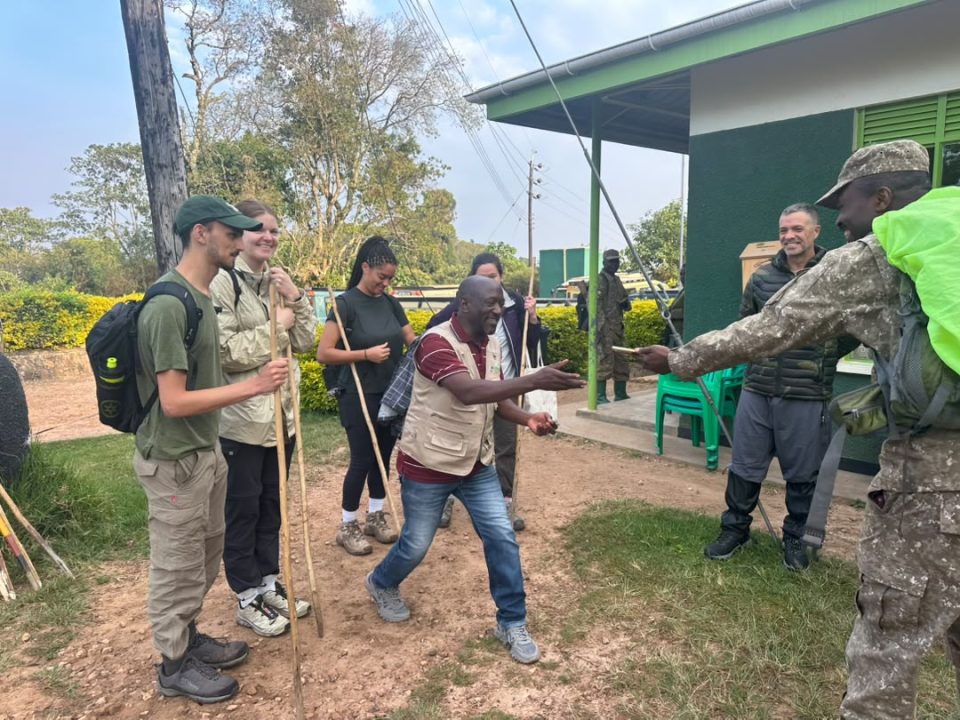
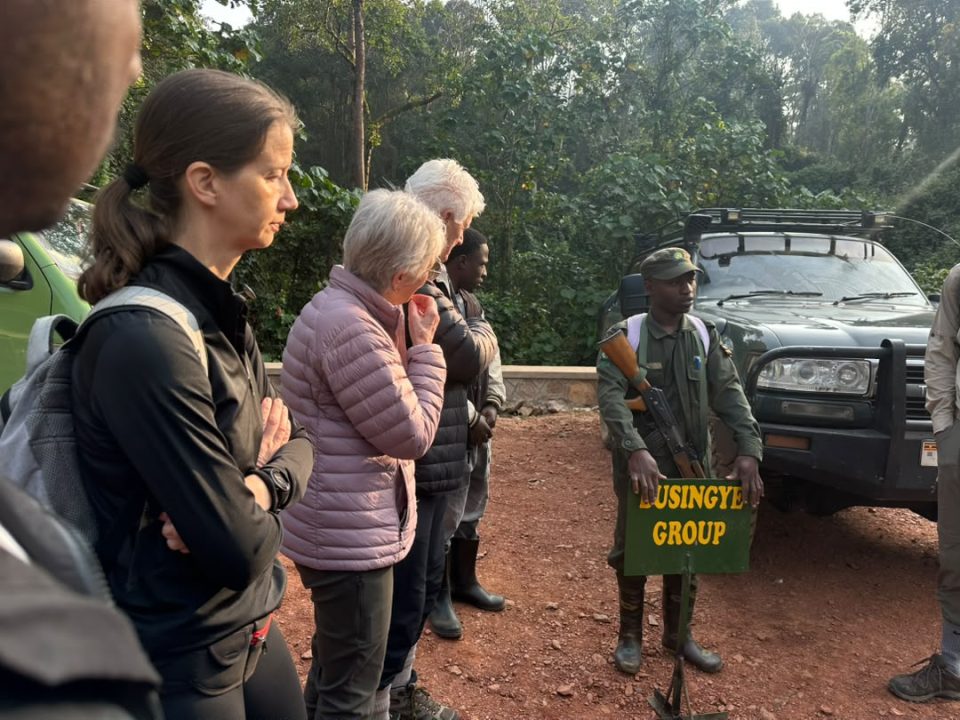
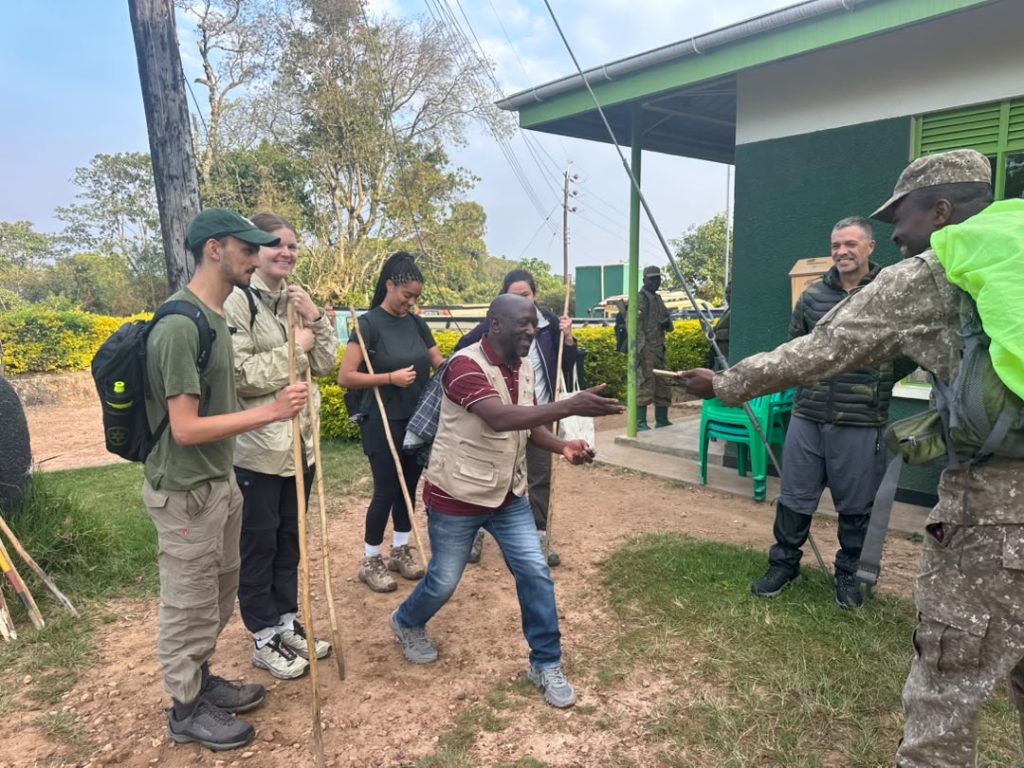
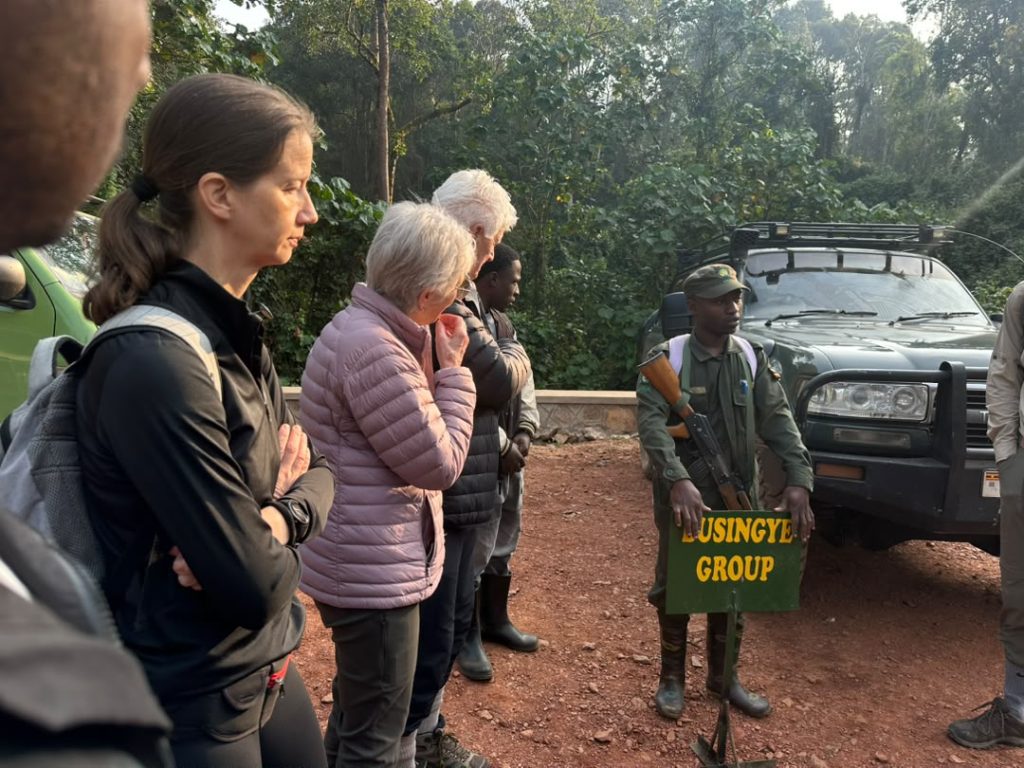
Every gorilla trek in Uganda follows a similar pattern. You wake before dawn, eat an early breakfast and drive to the sector headquarters for a ranger briefing at around 7:00–7:30 AM. Rangers check your permit and passport, explain the rules and split visitors into groups of up to eight people, each assigned to one gorilla family.
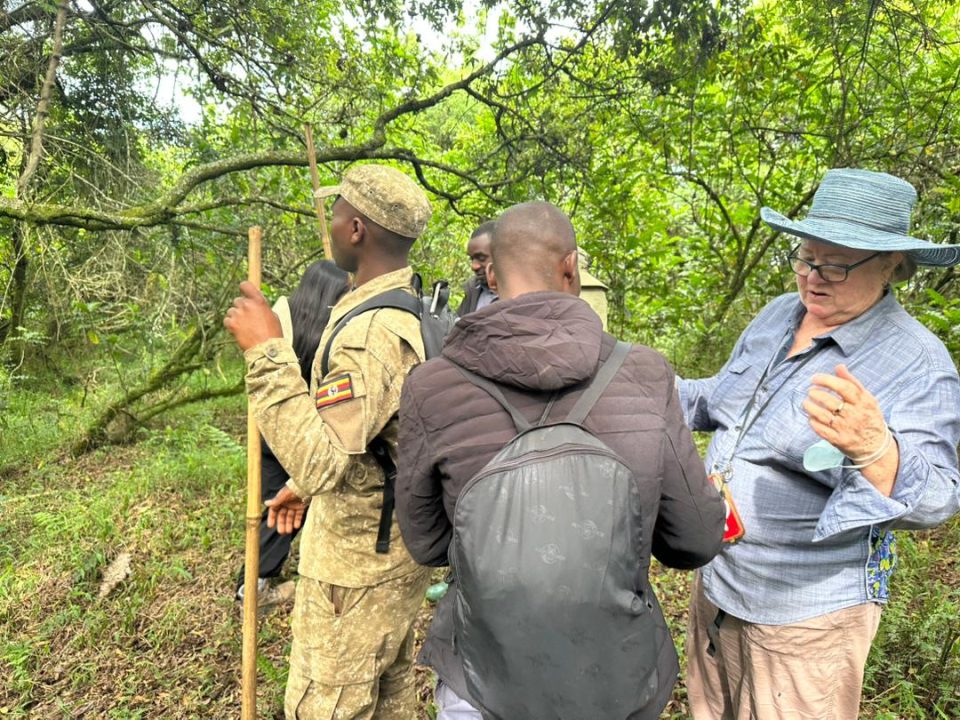
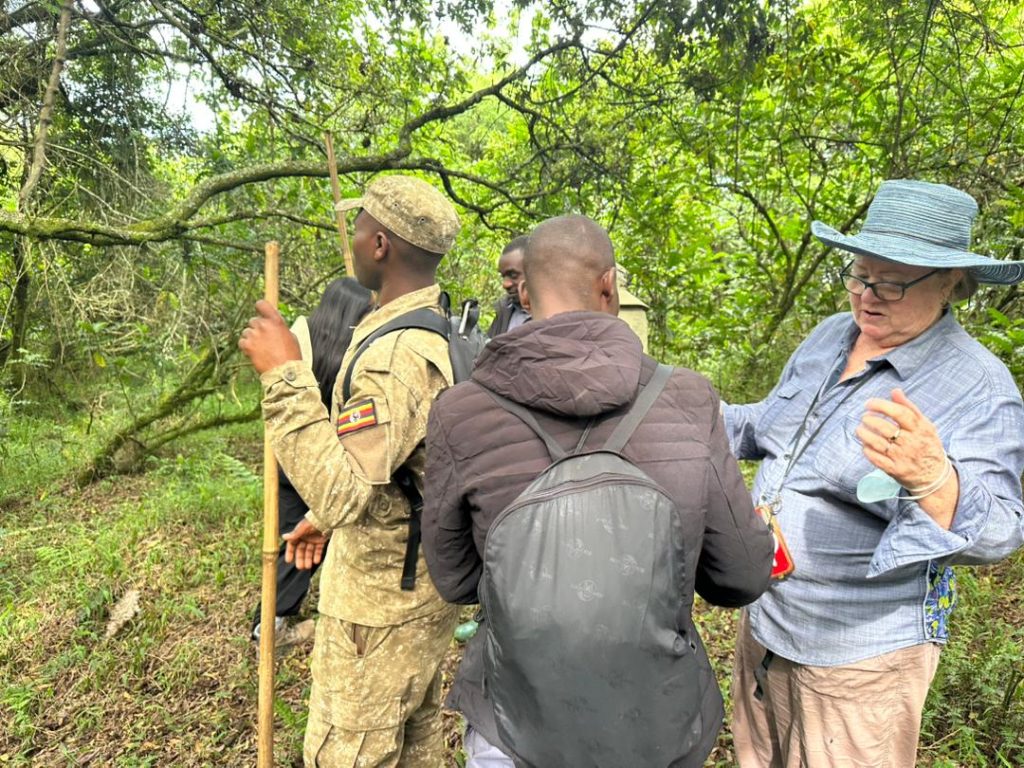
At about 8:00 AM your group heads into the forest with an armed ranger guide, while advance trackers are already following the gorillas’ trail. The hike may cross farmland, tea plantations, steep valleys and thick undergrowth. Once the trackers locate the family, you leave your bags with porters, approach quietly and spend one unforgettable hour watching the gorillas feed, groom, play and rest. Then you hike back to the trailhead, where you receive a gorilla tracking certificate.
Mgahinga follows the same rhythm, with a 7:00 AM briefing at Ntebeko Visitor Centre. Kenlink Tours has also written a detailed look at whether the region is secure for early-morning travel in our article Is Mgahinga safe for tourists?
How Difficult Is Gorilla Tracking in Uganda?
Gorilla tracking is a moderate to strenuous hike, and the difficulty varies every day. It depends on how far the gorillas moved overnight, the terrain in your sector and the weather. Some groups find their family within an hour; others walk six or more hours in total.
As a rough guide:
- Buhoma (Bwindi): Generally the gentlest sector, with lower altitude and well-used trails.
- Ruhija (Bwindi): The highest sector, cooler and with steep descents into valleys.
- Rushaga (Bwindi): Many gorilla families and varied terrain, from easy to very steep.
- Nkuringo (Bwindi): Known as the toughest, with a steep descent into the valley and a hard climb back out.
- Mgahinga: Moderate, with more open bamboo and montane vegetation but higher altitude.
If you are concerned about fitness, tell your tour operator in advance. Rangers at the briefing can sometimes assign less fit travellers to a family that is closer to the trailhead. Hiring a porter and using a walking stick also make a huge difference.
Gorilla Permits in Uganda: Costs and Booking
Every gorilla trek requires a permit issued by the Uganda Wildlife Authority (UWA). For foreign non-residents, a standard gorilla tracking permit currently costs US$800 per person, with lower rates for foreign residents and East African citizens. The permit covers park entry, ranger guides and trackers, and one hour with the gorillas.
Uganda also offers the gorilla habituation experience in Bwindi’s Rushaga sector, where you join researchers working with a semi-habituated family and spend up to four hours with the gorillas. Habituation permits cost US$1,500 per person and are very limited.
Key permit facts:
- Minimum age for gorilla tracking is 15 years.
- Permits are dated, non-transferable and linked to your passport.
- Book four to six months ahead, and earlier for June to September and December.
- Mgahinga has only eight permits a day, so it sells out first.
Kenlink Tours secures permits for every guest. Contact our team with your dates and we will check availability across Bwindi and Mgahinga.
Hiking in Uganda: An Overview of the Best Trails
Beyond the gorilla forests, Uganda offers hiking for every level of fitness and ambition. Broadly, the options fall into four groups:
- Forest and nature walks inside Bwindi and Mgahinga, often done the day before or after a gorilla trek.
- Virunga volcano climbs in Mgahinga: Mount Muhavura, Mount Sabinyo and Mount Gahinga.
- Multi-day mountain expeditions in the Rwenzori Mountains and on Mount Elgon.
- Waterfall and countryside hikes such as Sipi Falls, Lake Bunyonyi and the crater lakes near Fort Portal.
Our guide to mountain hiking and climbing in Uganda covers the serious peaks in detail. Below, we focus on the hikes that combine best with gorilla tracking.
Hiking the Virunga Volcanoes in Mgahinga
Mgahinga is the natural meeting point of gorilla tracking and hiking in Uganda. Three of the eight Virunga volcanoes rise within the park, and each offers a full-day climb that starts, like gorilla tracking, with an early briefing at Ntebeko.
Mount Muhavura (about 4,127 m): The highest of the three and the most demanding, Muhavura is a steep, rocky climb of roughly seven to eight hours round trip. The reward is a small crater lake at the summit and, on clear days, views across Rwanda’s volcanoes, Lake Edward, Bwindi and even the Rwenzori Mountains far to the north.
Mount Sabinyo (about 3,669 m): Sabinyo’s jagged, eroded summit is famous for one thing: at the top you can stand in Uganda, Rwanda and Congo at the same time. The hike takes around eight hours and includes wooden ladders on the final steep sections. It is a thrilling, adventurous climb for confident hikers.
Mount Gahinga (about 3,474 m): The easiest of the three, Gahinga takes about six hours round trip and passes through beautiful bamboo forest, often with golden monkeys along the way. At the top is a swampy crater filled with giant lobelias.
Most visitors track gorillas on one day, climb a volcano on the next, and perhaps track golden monkeys on a third. Our article on golden monkey tracking explains how this colourful primate experience compares on the Ugandan and Rwandan sides of the Virungas.
Nature Walks and Trails in Bwindi Impenetrable Forest
If you are tracking gorillas in Bwindi, you can add excellent day hikes without moving lodges. These trails let you enjoy the forest at a gentler pace and spot birds, monkeys, butterflies and giant tree ferns.
Munyaga River and Waterfall Trail (Buhoma): A popular half-day walk to a series of waterfalls through classic Bwindi rainforest.
Buhoma to Nkuringo Trail: One of Uganda’s finest walks, this route crosses the forest from north to south over roughly four to six hours, following the Ivi River. Many travellers hike it while their vehicle drives around, linking two gorilla sectors in one memorable day.
Mubwindi Swamp Trail (Ruhija): A favourite with birders looking for Albertine Rift endemics, including the rare African green broadbill.
Batwa Trail and community walks: Guided by members of the Batwa community, the forest’s original inhabitants, these walks share traditional knowledge of plants, hunting and forest life.
For more ideas on how to spend your free time around a Bwindi trek, read this guide on what to do after a gorilla tour in Bwindi.
Climbing the Rwenzori Mountains: The Mountains of the Moon
For serious hikers, the Rwenzori Mountains are Uganda’s ultimate challenge. Rising along the border with Congo, the range includes Margherita Peak on Mount Stanley, at about 5,109 metres the third-highest summit in Africa. Unlike Kilimanjaro, the Rwenzori are wet, wild and rarely crowded, with surreal vegetation zones of giant heathers, groundsels and lobelias, moss-draped forests and glacial lakes.
Two main routes serve the range. The Central Circuit from Nyakalengija is the classic loop, while the Kilembe Trail from the south offers a more gradual ascent. A full summit expedition to Margherita takes around seven to nine days and involves glacier travel with crampons and ropes. Shorter treks of three to five days to lower viewpoints and lakes are also possible for fit hikers who do not want a technical climb.
The Rwenzori sit a long day’s drive north of Bwindi, close to Queen Elizabeth and Kibale national parks, so they combine well with a primate and wildlife circuit. Kenlink Tours offers dedicated Uganda trekking safaris for travellers who want to build a trip around a major mountain.
Hiking Mount Elgon and Sipi Falls in Eastern Uganda
Eastern Uganda offers a completely different hiking experience. Mount Elgon, an ancient extinct volcano on the Kenya border, has one of the largest calderas in the world. Its highest point on the Ugandan side, Wagagai Peak (about 4,321 m), can be reached on a non-technical trek of four to six days. Routes such as the Sasa and Sipi trails pass through bamboo, heath and moorland, with caves, hot springs and sweeping views.
On Elgon’s lower slopes, Sipi Falls is one of Uganda’s most beautiful short hiking destinations. A day hike visits all three waterfalls, with local guides leading you along farm paths, down steep steps and sometimes ladders. Many visitors add a coffee tour, as the area grows some of Uganda’s finest Arabica.
Elgon and Sipi are far from the gorilla parks, so they suit longer trips. Our 20-Day Wildlife and Nature Experience in Uganda is a good example, combining Sipi Falls hiking with gorilla and chimpanzee tracking.
Gentle Hikes Around Lake Bunyonyi and Lake Mutanda
Not every hike needs to be a summit. The lakes of southwestern Uganda are perfect for recovery days between gorilla tracking and volcano climbs.
Lake Bunyonyi, near Kabale, is a deep lake dotted with 29 islands and surrounded by terraced hills. Gentle ridge walks and village trails offer gorgeous views, and you can combine hiking with canoeing between the islands.
Lake Mutanda, near Kisoro, sits beneath the Virunga volcanoes. Easy walks along the shoreline and through farmland give some of the most photogenic views in Uganda, especially at sunrise.
Both lakes sit on the road between Bwindi and Mgahinga, so they fit naturally into most gorilla and hiking itineraries.
Chimpanzee Tracking: Another Forest Hike Worth Adding
Many travellers who come for gorillas and mountains also want to see chimpanzees. Kibale Forest National Park, near Fort Portal, offers Uganda’s best chimpanzee tracking. Treks are usually shorter and flatter than gorilla treks but faster-paced, as chimps move quickly through the forest. The nearby Bigodi Wetland Sanctuary offers a gentle community-run nature walk.
For travellers routing through Rwanda, Nyungwe Forest National Park offers chimpanzee trekking, a canopy walkway and scenic forest trails that pair well with a Ugandan gorilla trek.
Best Time for Gorilla Tracking and Hiking in Uganda
Gorilla tracking and most hiking are possible all year round in Uganda, but conditions change with the seasons.
Dry seasons (June to September and December to February): These are the best months for both gorilla tracking and mountain hiking. Trails are firmer, views are clearer and roads are easier. Summit attempts on the Rwenzori and Elgon have the best chance of success during these months. They are also the busiest months, so book permits early.
Wet seasons (March to May and October to November): Expect mud, rain and slippery slopes, especially on volcano and mountain trails. Gorilla tracking still goes ahead and can be very rewarding, with fewer visitors and lush scenery. Some lodges and operators offer low-season discounts, so check our discounted tours for current deals.
In the highlands, mornings are cold year-round, and afternoon showers are possible even in the dry season. Always pack a warm layer and a rain jacket.
How Fit Do You Need to Be?
For gorilla tracking and lower-level hikes, a reasonable general fitness is enough. If you can walk comfortably for three to four hours, including uphill sections, you will cope well with most gorilla treks, especially with a porter and a walking stick.
Volcano climbs and multi-day mountain treks are a step up. Mount Muhavura and Mount Sabinyo involve 1,500 metres or more of ascent in a single day at high altitude. The Rwenzori and Elgon require several consecutive days of hiking and good endurance. We recommend a few weeks of preparation: regular walks with a loaded daypack, stair climbing, and longer weekend hikes on hilly terrain.
Altitude: Mgahinga’s volcanoes exceed 3,400 metres and the Rwenzori reach over 5,000 metres. Ascend gradually, drink plenty of water and tell your guide immediately if you feel headaches, dizziness or nausea.
Porters: Your Best Friend on the Trail
Hiring a porter is one of the best decisions you can make on a gorilla trek or volcano climb. For a modest fee, typically around US$15–20 per day for gorilla tracking, a local porter carries your daypack, offers a hand on steep or slippery sections and shares knowledge of the forest and local life.
Porters are usually drawn from communities living around the parks, including former poachers and their families. Hiring one turns your visit into direct income for local people and builds support for conservation. On multi-day Rwenzori and Elgon treks, porters carry food, tents and equipment, and are essential to the expedition.
What to Pack for Gorilla Tracking and Hiking in Uganda
Good gear makes the difference between an enjoyable trek and a miserable one. For combined gorilla and hiking trips, pack:
- Waterproof hiking boots with ankle support, broken in before your trip
- Long trousers and long-sleeved shirts in neutral colours (camouflage is illegal for civilians in Uganda)
- A warm fleece and a light insulated jacket for cold mornings and high summits
- A reliable rain jacket and rain trousers
- Gardening gloves to protect against nettles and help grip branches and ladders
- Gaiters or long socks to keep out mud and ants
- A 20–30 litre daypack with a rain cover
- Two to three litres of water capacity and energy snacks
- Sunscreen, sunglasses and a hat for open summits
- Insect repellent and a basic first-aid kit
- Camera with spare batteries (no flash for gorillas)
- Head torch for early starts
Multi-day mountain treks also need a warm sleeping bag, thermal layers and, for Rwenzori summits, technical equipment that can be hired locally. For a full checklist, read our guide on what to pack for gorilla trekking in Uganda, Rwanda and Congo.
Getting There: Entebbe, Kampala or Kigali?
Your entry point shapes your hiking itinerary.
Entebbe or Kampala: Most international visitors fly into Entebbe. From there, Bwindi and Mgahinga are an eight- to ten-hour drive, or about an hour and a half by domestic flight to Kihihi or Kisoro airstrips. Entebbe is the better choice if your trip includes the Rwenzori, Kibale, Murchison Falls or Mount Elgon.
Kigali, Rwanda: Kigali is much closer to Uganda’s southern gorilla parks. Mgahinga, Rushaga and Nkuringo can be reached in about three to five hours via the Cyanika or Katuna borders. Short trips such as the 1 Day Uganda Gorilla Safari starting from Kigali or the 2 Days Uganda Gorilla Tour starting from Kigali show how quick this route can be.
Many travellers combine both: fly into Kigali, track gorillas and hike volcanoes in the southwest, then continue north and fly home from Entebbe. This guide to starting in Kigali and ending in Entebbe explains how open-jaw itineraries work. Our article on combining Rwanda and Uganda gorilla trekking and culture offers further route ideas.
Where to Stay on a Gorilla Tracking and Hiking Safari
Where you sleep matters, because gorilla tracking and volcano climbs both start early. Choose lodges close to your trailhead to reduce pre-dawn driving.
Bwindi: Book accommodation in the same sector as your gorilla permit. Buhoma, Ruhija, Rushaga and Nkuringo each have budget, mid-range and luxury lodges.
Mgahinga and Kisoro: Lodges near Ntebeko put you minutes from both gorilla and volcano trailheads. Kisoro town, 30–40 minutes away, has a wide choice of hotels; one well-placed option is described in this guide to Ikoro Hotel in Kisoro. Our guide to accommodation near Mgahinga Gorilla National Park lists more choices at every budget.
Rwenzori and Elgon: Mountain huts or campsites serve multi-day treks, with comfortable lodges at the trailheads for nights before and after.
Sample Gorilla Tracking and Hiking Itineraries
Here are four ways to combine gorillas and hiking, depending on your time and fitness.
3 days: Gorillas and a volcano (from Kigali). Day 1, drive from Kigali to Kisoro. Day 2, track the Nyakagezi gorillas in Mgahinga. Day 3, climb Mount Gahinga or track golden monkeys, then return to Kigali. A similar option is the 3 Days Uganda Gorilla Safari from Rwanda.
5 days: Gorillas, volcano and lake. Day 1, arrive and transfer to Kisoro. Day 2, gorilla tracking in Mgahinga. Day 3, climb Mount Sabinyo and stand in three countries. Day 4, transfer to Lake Bunyonyi for gentle walks and canoeing. Day 5, return to Kigali or Entebbe. If you prefer chimps instead of a summit, consider the 5 Days Uganda Gorilla and Chimps Safari starting from Rwanda.
8–10 days: Primates and the Buhoma–Nkuringo trail. Chimpanzees in Kibale, game drives in Queen Elizabeth National Park, gorilla tracking in Buhoma, the cross-forest hike to Nkuringo, and a Virunga volcano climb in Mgahinga before exiting via Kigali.
14–20 days: Mountains and gorillas. Combine a Rwenzori or Elgon trek with gorilla tracking, Sipi Falls and wildlife parks. Browse our full range of Uganda safaris, or explore activity ideas in our Uganda safari experiences page to design your own route.
Combining Gorillas, Hiking and Culture
Hiking in Uganda is not only about wildlife and scenery. The trails pass through villages, tea estates and farms, and many of the best experiences involve meeting the people who live there. Popular cultural additions include Batwa heritage walks in Bwindi and Mgahinga, community visits around Buhoma, coffee tours at Sipi Falls and village walks around Lake Bunyonyi.
For travellers starting in Rwanda, the 3 Days Rwanda Gorilla Tracking and Cultural Tour can be extended across the border into Uganda for volcano climbing in Mgahinga. And for inspiration beyond the gorilla parks, our list of the most visited places in Uganda highlights destinations worth adding to a walking safari.
Travelling on a Budget
Gorilla permits are the biggest single cost of any Uganda gorilla trip, but there are smart ways to keep your overall budget under control. Travel in the low season for lodge discounts, choose budget or mid-range accommodation, start from Kigali to cut driving days, and add affordable activities such as volcano hikes, nature walks and lake visits rather than more expensive extras.
Joining a group is another excellent way to save. Our scheduled group tours share vehicle and guide costs across several travellers while still including gorilla permits and guided activities.
Gorilla Tracking and Hiking Etiquette
Responsible behaviour protects gorillas, mountains and communities for future visitors. On gorilla treks, keep at least seven metres from the gorillas, never use flash, keep voices low, do not eat near the animals and stay home if you are unwell, since gorillas can catch human illnesses. On mountain trails, stay on marked paths, carry out all rubbish, respect your guides’ decisions about weather and turning back, and ask permission before photographing local people.
Tipping guides, rangers and porters is customary and appreciated. It is a direct way to thank the people who make your adventure possible.
Is Uganda Safe for Gorilla Tracking and Hiking?
Yes. Uganda’s national parks are well managed by the Uganda Wildlife Authority, and armed rangers accompany every gorilla trek and volcano climb. Mountain treks on the Rwenzori and Elgon are run with licensed guides and porters who know the terrain intimately. Travelling with an experienced tour operator adds another layer of security, with professional driver-guides, vetted lodges and support throughout your trip.
Like any adventure destination, follow your guide’s advice, travel with appropriate insurance that covers hiking at altitude, and keep up to date with routine vaccinations, including yellow fever, which is required for entry.
FAQ: Can I Track Gorillas and Climb a Volcano on the Same Day?
No. Both activities start early in the morning and take most of the day. Plan them on separate days, ideally with gorilla tracking first.
FAQ: Which Park Is Best for Combining Gorillas and Hiking?
Mgahinga Gorilla National Park. It offers gorilla tracking, golden monkey tracking and three Virunga volcano climbs from a single base at Ntebeko.
FAQ: What Is the Easiest Volcano to Climb in Uganda?
Mount Gahinga is the easiest of the Virunga volcanoes in Mgahinga, taking around six hours round trip through bamboo forest.
FAQ: Do I Need Climbing Experience for the Rwenzori?
For the lower trails, no. For a summit of Margherita Peak, prior high-altitude trekking experience helps, and you will use crampons and ropes on glaciers with qualified guides.
FAQ: How Many Days Do I Need?
Three days is the minimum for gorillas and a volcano from Kigali. A week allows gorillas, a volcano, a lake and chimpanzees. Two weeks or more lets you add the Rwenzori or Mount Elgon.
FAQ: Can Children Join Gorilla Tracking?
The minimum age for gorilla tracking is 15. Younger children can enjoy nature walks, lake activities and some community visits instead.
Plan Your Gorilla Tracking and Hiking Safari with Kenlink Tours
Gorilla tracking and hiking in Uganda offer an adventure few places on Earth can match: an hour face to face with mountain gorillas, a summit where three countries meet, glaciers on the equator and waterfalls tumbling from an ancient volcano. With the right planning, permits and pace, you can experience several of these in a single trip.
At Kenlink Tours, we design walking safaris around your fitness, interests and budget, securing gorilla permits, booking well-placed lodges, arranging experienced guides and porters, and building smooth routes from Entebbe, Kampala or Kigali. Learn more about our team, explore partner options on the Pick and Transfer Safaris website, and get in touch today to start planning your Uganda gorilla and hiking adventure.